When coaching gets complex, it’s tempting to reach for more techniques. Yet the body usually speaks first: breath shortens, shoulders rise, voice speeds up. Later, reflection often comes back to pacing, tone, and presence rather than the “right” intervention.
A short somatic rhythm turns those skills into something you can actually feel and use. Ten minutes a day can strengthen somatic awareness, interoception, and choice, so regulation and pacing become lived abilities you can model and explain in plain language.
Key Takeaway: A repeatable 10-minute somatic practice can help coaches build a steadier embodied baseline for presence, pacing, and self-awareness. The most useful approach is usually simple: notice what is happening in the body, name it lightly, choose one small response, and reflect on what changed. With adaptation for different nervous-system states, this kind of practice can be woven into daily life and into coaching sessions without becoming complicated.
What You’re Training: Somatic Awareness, Interoception, and Choice
A solid 10-minute practice trains three linked capacities: what you notice, how you sense inwardly, and what you do next.
Somatic awareness is the broad skill of noticing the body as part of experience. It can include posture, breath, pressure, movement, contraction, warmth, numbness, settling, or activation.
Interoception is more specific. It’s the sense of signals from inside the body, including breath, heartbeat, hunger, tension, and temperature. Researchers describe it as sensing the body’s internal condition.
Emotional life is also felt, not just understood. Reviews suggest interoception is closely tied to emotional experience and regulation, and that building awareness here can support emotional awareness.
It also helps to separate awareness from interpretation. Some people feel strong signals but struggle to read them. Others notice less, yet with steadier clarity. Daily practice asks for honest noticing first, not perfect meaning-making.
The third capacity is choice. As interoceptive awareness grows, options become easier to access: feel the feet, orient to the room, adjust posture, add movement, or change how you breathe. Research links stronger interoceptive capacity with emotion regulation, which matches what many practitioners see in real life.
Over time, somatic work often deepens emotional intelligence by adding a grounded sensory layer beneath stories and coping habits.
How to Design a 10-Minute Somatic Routine People Will Actually Use
The best routine is simple, repeatable, and easy to remember. If it feels like a performance, most people won’t keep it.
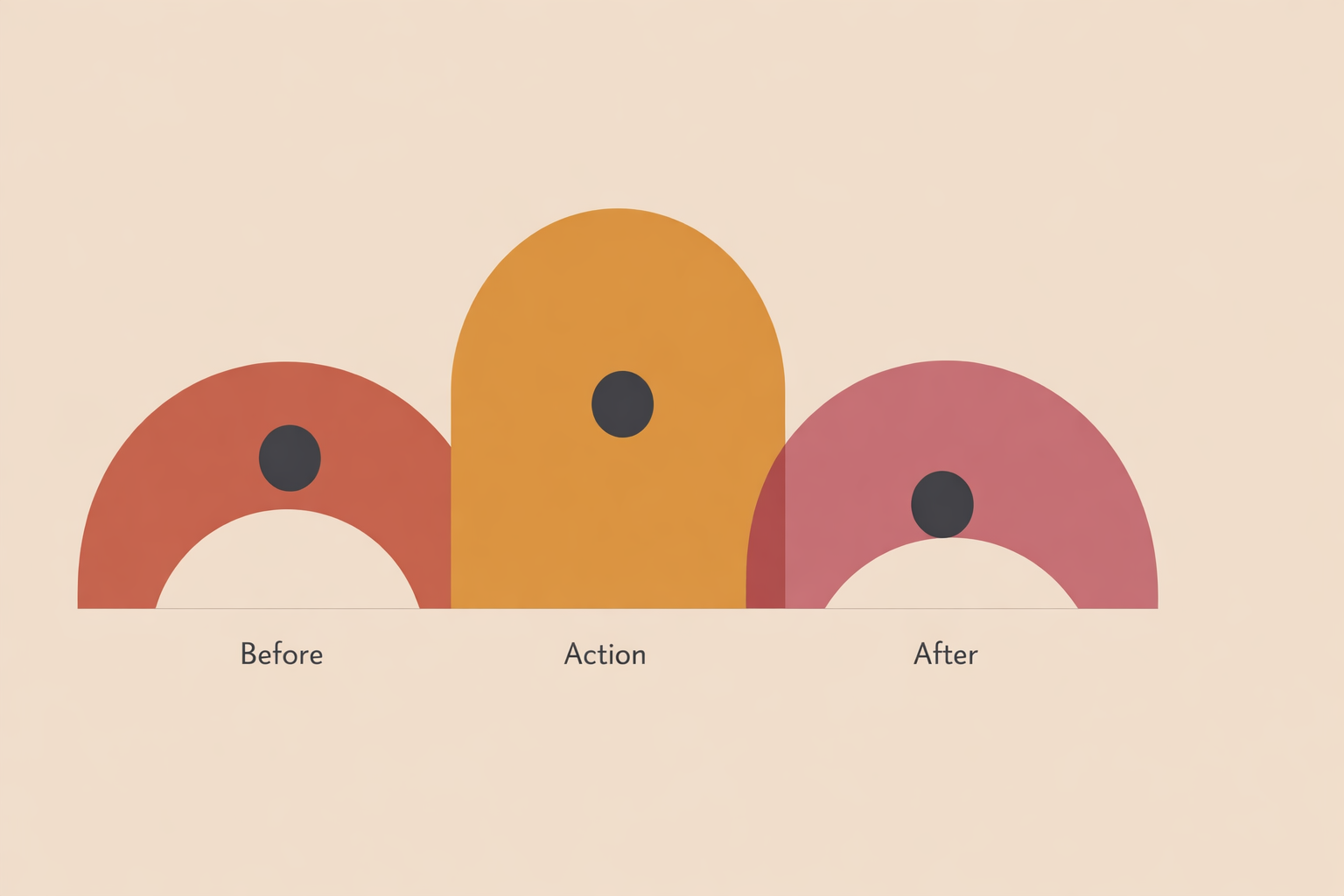
A practical structure is:
- Notice what is happening in the body
- Name the experience lightly
- Choose one small response
- Reflect on what shifted
This gives enough shape to feel supportive without becoming rigid. It keeps the focus on relationship rather than achievement.
Invitational language helps people stay resourced and in charge. “If it feels comfortable, notice…” and “You can pause or change this at any time” preserve agency, especially when you’re guiding a client.
Simple body-scan formats are useful because they build mindful awareness without demanding a particular outcome. The point is to meet what’s present and respond with care.
Two examples:
- Before a video meeting: feet on the floor, eyes softly open, notice jaw/shoulders/belly, name one sensation and one impulse, then choose one small adjustment.
- At the end of the day: feel support beneath you, scan from feet to face without fixing anything, add one gentle movement, then notice whether energy rises, settles, or stays the same.
If you draw from traditions such as Tai Chi or Qigong, keep cultural respect in view. Name the roots of the practice, avoid flattening lineages into generic wellness language, and keep borrowed elements simple and well-contextualized.
A Simple 10-Minute Somatic Practice
You don’t need a complex protocol. Consistency matters most, along with enough flexibility to meet the day you’re actually having.
Minutes 0–2: Arrive and orient
Feel the support under your feet, chair, or body. Let the eyes be open or softly lowered. Name three neutral details in the room (color, shape, light, sound, texture). Then ask, “What do I notice in my body right now?”
Minutes 2–4: Scan without fixing
Move attention gradually through the body. Notice areas that feel warm, cool, heavy, light, tight, buzzing, still, numb, or spacious. The aim is to be aware. If analysis shows up, return to sensation.
Minutes 4–6: Name what is present
Try gentle labels: “I’m noticing…,” “The emotion might be…,” “The impulse is to….” Keep it provisional. You’re practicing contact and honesty.
Minutes 6–8: Choose one small response
Choose one adjustment: press the feet down, look around the room, soften the shoulders, stand up, sway a little, or let the exhale lengthen if that feels supportive. The goal is to feel that you have options.
Minutes 8–10: Reflect and integrate
Ask, “What changed?” and “What do I need next?” Then jot one line if you like: “I noticed tightness in my chest, chose to stand and orient, and now I feel a little more space.” This kind of brief reflection helps turn felt experience into usable learning.
Adapting the Practice for Different States
No single somatic script fits everyone. The same practice can feel supportive one day and unhelpful the next, depending on energy, history, and context. Adaptation is part of skilled practice.
For some people, strong inward focus can turn into symptom monitoring. For others, breath-focused practice is steadying; for others, it feels irritating. Treat these methods as adjustable tools.
When someone feels activated or overwhelmed
Keep eyes open. Start with external orientation. Use small, slow movement and focus on contact points (feet, chair, wall). If breath is included, keep it easy and optional.
When someone feels foggy, collapsed, or shut down
Bring in a more upright posture, a bit more rhythm, and more engagement with the environment. Walking, standing, stretching, looking outside, or rubbing hands can help more than a long inward scan.
When someone is prone to dissociation
Begin with the environment rather than the interior. Use brief check-ins, simple movement, and frequent re-orienting. Alternating inner and outer attention can help people stay connected. Keep the dose small and stop early rather than pushing through.
Two practical examples:
- Before a presentation: count five blue objects, feel both feet, add one easy exhale, then choose your opening line.
- After a draining commute: stand, sway gently, open a window, rub the palms, then choose one small next task.
The guiding principle is steady: preserve agency, stay within what feels workable, and let the practice support contact rather than endurance.
How to Weave Somatic Awareness into Coaching Sessions
Somatic awareness lands best when it becomes part of the session rhythm, not a special add-on.
Before a session, 60 seconds helps: feel the chair, notice posture, soften the jaw, orient to the room, and set an intention for how you want to show up.
During a session, micro-prompts are often enough:
- Notice one point of contact with the floor
- Look around and name three things you see
- Observe one sensation without changing it
- Choose a comfortable breath or small movement
- Ask what would support the next 10 minutes
After a demanding session, orientation and movement often help more than more analysis. Stand up, walk, feel your feet, and name one learning and one next action.
Body-oriented attention can support broader emotional awareness and regulation self-awareness, bringing insight back into direct experience.
It also helps to anchor the practice to what already happens every day: morning tea, opening a laptop, ending a session, or brushing your teeth. Familiar cues make follow-through easier.
Tracking Change Without Overcomplicating It
Somatic practice becomes more meaningful when you track it lightly, not to grade yourself, but to notice patterns.
A one-line reflection is enough:
When I noticed ___, I chose ___, and afterward I observed ___.
If you want a touch more structure, note:
- Context
- Strongest sensation
- Emotional tone
- Impulse
- Choice made
- What shifted, if anything
Over time, this reveals practical information: what tightens you, what helps you settle, what movement restores clarity, and which signals tend to precede overwork, withdrawal, or urgency.
Traditional movement and contemplative practices can deepen this process when approached with respect and context. Tai Chi, Qigong, gentle movement, drawing, sound, or rhythm can all become supportive doors into embodied awareness when words feel thin.
What matters most is learning your patterns with enough kindness and precision that you can respond differently next time.
Begin Small and Let Repetition Do the Work
A 10-minute somatic practice is modest by design. Kept simple and repeated often, it builds steadier presence and more usable choice in coaching and daily life.
Somatic awareness supports clearer recognition of internal states and a more grounded response to them. Research on interoception points in that direction, and long practice traditions have explored the same territory in their own language for generations. Both deserve respect.
Begin small: notice, name, choose, reflect, then return tomorrow. A final note for responsible practice: encourage clients to stay within comfort, keep language invitational, and adapt or pause if a method increases distress. When in doubt, prioritize safety, consent, and supportive referral pathways.
Somatic Coach Certification
Deepen your daily practice skills with the Somatic Coach Certification and bring embodied regulation into your coaching.
Explore Somatic Coach Certification →