When weight loss stalls, many nutrition and fitness coaches default to “eat less, move more.” That can work for a while, but it often unravels when cycles turn irregular, sleep is fractured, cravings swing hard, or midsection gain persists despite genuine effort.
In practice, the deeper issue is often that the plan ignores how estrogen, progesterone, insulin, cortisol, and thyroid function shape appetite, energy, fluid balance, and body composition. Across the cycle and across life stages, hormonal shifts can alter appetite, shift fluid, and influence fat distribution.
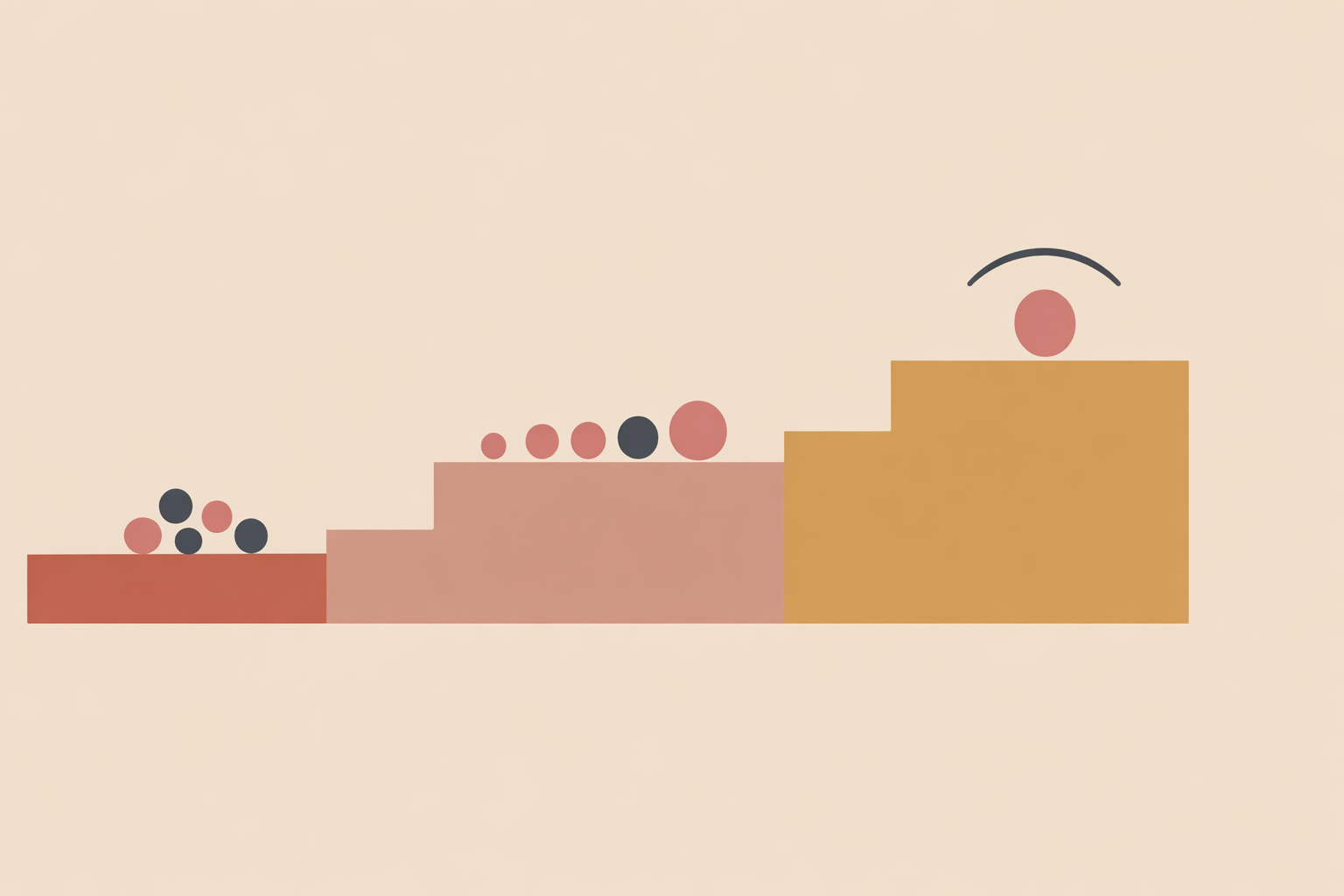
Coaching works best when it follows the whole pattern rather than leaning harder on willpower. A sequenced approach tends to land better: establish steadiness first, then improve recovery, then build capacity, and finally tailor for life stage.
Key Takeaway: Hormonal weight change responds best to an ordered coaching approach. Start by mapping the client’s story and patterns. Then steady blood sugar and daily rhythm, restore sleep and stress capacity, add strength and daily movement, and finally tailor the plan for life stage and recurring hormone patterns. This sequence makes behavior easier to sustain and gives body-composition shifts a more stable foundation.
Weeks 1–2: Map the hormonal story behind the weight
Start with a calm, respectful intake. Ask for the body story: cycle history, pregnancies, contraception, major stress periods, sleep quality, movement habits, appetite shifts, cravings, and what already seems to help. The goal isn’t to force a label. It’s to notice patterns that guide the first practical steps.
Keep it collaborative. Most clients do better with two or three changes at a time than with a full lifestyle overhaul.
In these first two weeks, track:
- Cycle and symptoms: bleed days, ovulation signs, PMS, bloat, sleep, cravings, mood, and energy.
- Meal rhythm: meal timing, protein at meals, evening snacking, and whether hunger feels steady or chaotic.
- Daily anchors: morning light, movement, and consistency of waking and eating times.
- Movement: average steps, short walks, and any resistance training already in place.
- Context from the wider support team: if a client already has lab markers through their healthcare team, use them as background clues rather than identity labels.
This is also where you choose the first lever. If someone reports central gain, afternoon crashes, nighttime snacking, and inconsistent meals, blood sugar steadiness often comes first. If the headline is wired evenings and broken sleep, recovery may need to move up the sequence.
A useful coaching note might read: “Central gain after a stressful promotion, short sleep, afternoon energy dip, strong evening cravings. Start with breakfast protein, consistent meals, short post-meal walks, and a simple sleep wind-down.”
Weeks 3–4: Stabilize blood sugar and daily rhythm first
This is often where clients feel relief quickly. When meals are balanced and the day has a predictable rhythm, cravings typically soften, energy steadies, and food takes up less mental space.
Keep the structure simple and repeatable:
- Protein first: aim for a meaningful serving at each meal, especially breakfast.
- Fiber and color: build meals around vegetables, legumes, nuts, seeds, and fruit.
- Consistent meal rhythm: three meals work well for many women, with an optional protein-rich afternoon snack if needed.
- Carbohydrate placement: many clients do well with most starches at lunch or dinner, and after training if they are active.
- Post-meal walking: a gentle 10-minute walk after meals is a simple traditional and practical tool for steadiness.
- Morning light and time anchors: getting outdoors soon after waking and keeping meals and movement fairly regular helps settle the day’s rhythm.
Traditional systems have long valued rhythmic living: waking with light, eating predictably, and ending the day with warmer, easier foods. In modern coaching, this often translates into warm evening meals, regular mealtimes, and less late-night stimulation so clients feel more grounded and less driven by erratic hunger.
If a client shows a stronger insulin-related pattern, prioritize lived experience. Have them score post-meal energy, afternoon cravings, and nighttime hunger for two weeks, then coach from what their body is clearly reporting.
For women in midlife, this stage becomes even more important. During the menopause transition, central fat storage is reported as more common, and it’s closely linked with insulin resistance.
Weeks 5–6: Rebuild sleep and soften the stress load
Once food rhythm is steadier, the quieter disruptors show themselves: short sleep, late stimulation, and a nervous system that never truly downshifts. Many women can hold it together all day while still running on a wired, overextended baseline that keeps cravings high and progress inconsistent.
Short sleep can reduce insulin sensitivity in women even without weight change. Sleep disruption is also linked to altered nutrient handling, which helps explain why some clients feel stuck even when their nutrition looks solid on paper.
At this stage, build an evening ritual that’s realistic:
- Lower stimulation: dim lights, reduce screens, and soften the pace of the evening.
- Warmth: a short warm shower, a foot soak, or a calming oiling ritual can help signal closure to the day.
- Breath and downshifting: a few minutes of slow breathing before dinner or bed can reduce that “still switched on” feeling.
- Wake-time anchor: stabilize the morning first, then gently move bedtime earlier if needed.
- Calmer meals: encourage slower, more present evening eating rather than rushed or distracted meals.
Some clients also like gentle supports such as magnesium, especially when they associate it with better sleep, looser muscles, or easier bowel regularity. In traditional practice, consistent rituals often matter as much as the ingredient itself.
This phase is often where midsection patterns begin to shift, because the body finally has enough recovery to follow through on the work you’ve already put in.
Weeks 7–8: Build strength and cycle-aware movement
With hunger, rhythm, and sleep more stable, it’s time to add the stimulus that supports long-term resilience: resistance training.
Strength training supports better insulin handling, helps preserve lean mass, and improves body composition over time. It also changes how progress feels; many women start noticing stamina and capability, not just scale fluctuations.
A simple template is enough:
- Two to three full-body sessions each week.
- Focus on squat, hinge, push, pull, and carry patterns.
- Progress gradually with good form and enough recovery.
- Keep daily movement alive with steps, movement breaks, and short walks.
Daily movement still matters. A few weekly workouts won’t fully offset meeting-heavy days, long commutes, and sedentary work, so keep “movement snacks” in the plan.
It also helps to coach with the cycle. Many women feel more output in the follicular phase, while the luteal phase can bring more fatigue and water retention. A cycle-aware approach doesn’t mean doing less across the month; it means adjusting volume or intensity so consistency stays high.
For perimenopausal clients and those beyond regular cycles, use the same principle: train according to recovery capacity, sleep, joint comfort, and life stress.
Weeks 9–10: Tailor the plan for life stage and recurring patterns
With foundations in place, the plan can become more specific. This is often when clients feel most understood, because the coaching finally mirrors the reality of their body.
Perimenopause and menopause
As hormone patterns fluctuate and then decline through midlife, body composition often changes even when habits haven’t shifted much. Reviews of the menopause transition describe increased central fat storage that seems partly independent of aging alone. After menopause, women also tend to show higher central adiposity alongside more insulin-related challenges.
In coaching, this often means:
- keeping protein intake intentional,
- prioritizing regular strength work,
- supporting sleep carefully, especially if nights are warmer or more disrupted,
- and normalizing that midlife changes are common without making them feel inevitable or hopeless.
PCOS-like insulin patterns
Where the pattern includes irregular cycles, strong carbohydrate-driven cravings, acne, or increased facial hair, an insulin-aware approach often helps. Give extra attention to meal rhythm, breakfast protein, fiber, resistance training, and post-meal walking. Some practitioners also use myo-inositol as a gentle support for cycle regularity and insulin-related patterns, while keeping expectations around weight change modest.
Thyroid-pattern gain
Some clients describe slow generalized gain, puffiness, low warmth, constipation, and fatigue. The coaching role isn’t to label. It’s to protect energy and rebuild steadiness. Warm meals, simpler digestion, regular movement, stress hygiene, and enough recovery usually serve these clients better than aggressive deficits.
Across all three patterns, the sequence stays consistent: steadiness first, then recovery, then capacity. Tailoring works best when it builds on those foundations.
Weeks 11–12: Integrate traditional supports and long-term habits
Now the focus turns to real life. This is where traditional knowledge often shines: daily rituals, warming foods, teas, and embodiment practices can deepen consistency because they feel lived-in rather than imposed.
Common supports clients may choose to explore include:
- Myo-inositol for PCOS-like patterns and cycle regularity.
- Omega-3s for general metabolic support, especially as triglyceride patterns are often improved by EPA and DHA.
- Magnesium for wind-down, muscle ease, and bowel regularity.
- Evening teas such as tulsi or chamomile as a calming ritual.
Just as important are the habits that keep progress from unraveling:
- Anchor habits: attach new behaviors to actions already happening every day.
- Low-friction routines: keep ingredients, walking shoes, and sleep supports visible and easy to use.
- Relapse recovery: prepare a simple plan for stressful weeks instead of expecting perfect consistency.
- Seasonal adaptation: revisit the routine when work, family demands, travel, or cycle patterns change.
This stage is less about intensity and more about identity. The aim is for the client to say, “This is how I support myself now,” rather than “This is the plan I am trying not to fail.”
Conclusion: Coaching hormonal weight change with more skill and less force
Hormonal weight change responds to better sequencing, not more pressure. Start with the client’s lived pattern, steady blood sugar and daily rhythm, rebuild sleep, add strength, and then tailor for life stage. The process becomes more humane, and results become easier to sustain.
Traditional practice brings an important reminder here: consistency grows from rhythms that fit a real life. Observation, structure, and gentle experimentation create momentum without shame.
As always, tailor supports to the individual and encourage clients to coordinate with their licensed healthcare team when symptoms are intense, new, or worsening. With that in place, this approach gives most clients something they’ve been missing: a steady path they can actually keep walking.
Master Hormonal Health Coaching
Apply this sequencing approach with the Women’s Hormonal Health Coach Certification.
Explore Women’s Hormonal Health →