Many hormone coaches still default to “lower cortisol” when clients report palpitations, afternoon crashes, or a wearable’s stress score. The intention is supportive, yet it often creates more worry: normal stress spikes get treated like a problem to fix, and sessions drift into supplement swaps and sleep hacks without a clear map.
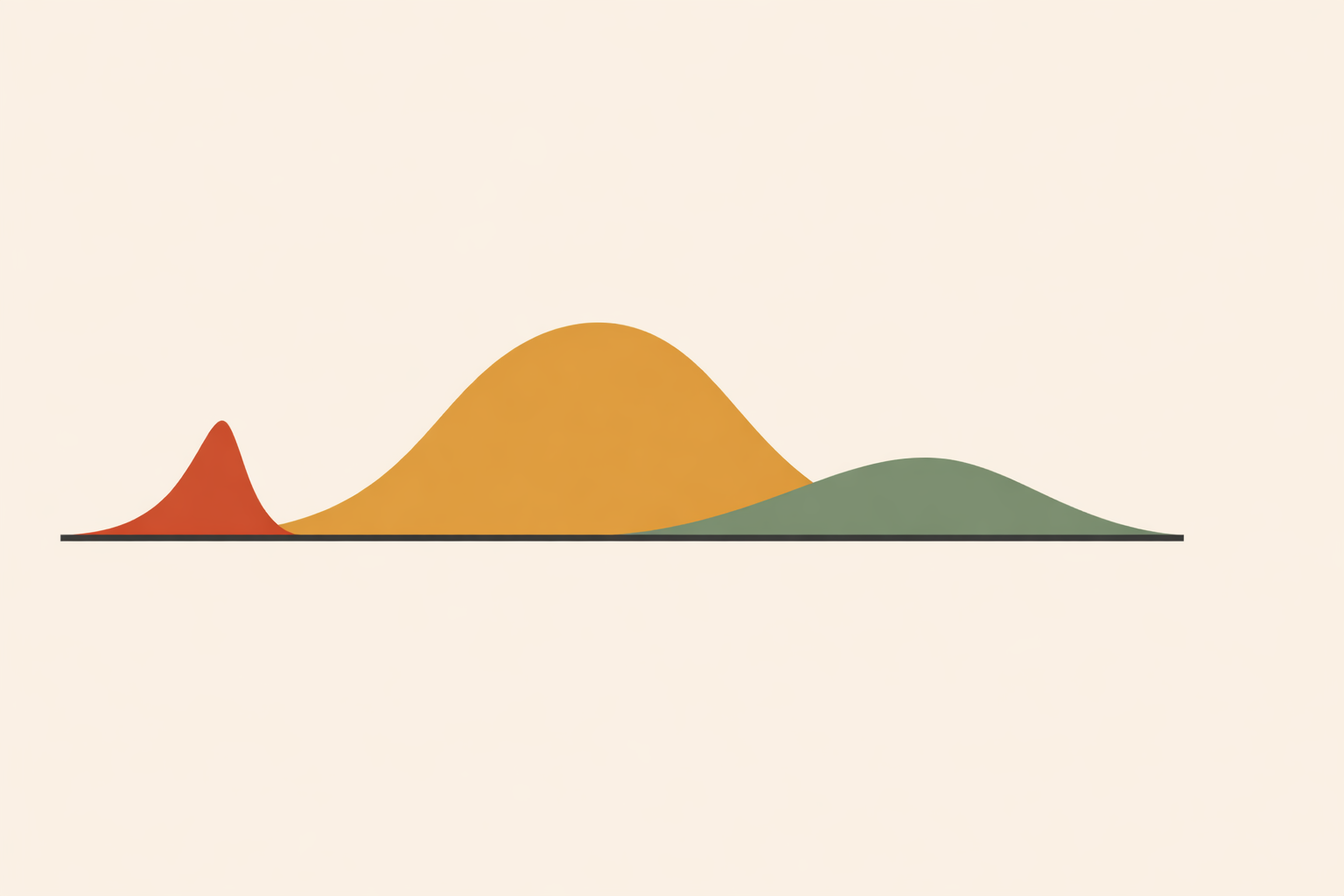
A steadier story tends to land better. Adrenaline is the fast alarm that mobilizes you right now. Cortisol is the pacing signal that helps you keep going when demand lasts longer. Recovery is the trainable return toward balance. When clients understand that arc, fear softens and coaching becomes simpler and more effective.
Key Takeaway: Effective stress coaching treats adrenaline as the immediate “go now” signal, cortisol as the “keep going” signal, and recovery as the trainable return to balance. Step 1 helps clients recognize the fast alarm without fear. Step 2 explains cortisol’s longer arc, daily rhythm, and why timing matters more than labeling it “good” or “bad.” Step 3 focuses on recovery skills that support downshifting, steadier evenings, and more resilient daily rhythms. The closing section shows how to track patterns in women’s well-being work without over-focusing on single numbers.
Step 1: Start with the fast alarm
When a loud noise jolts you awake or an unexpected message hits your inbox, the body reacts before the mind has caught up. That first surge is adrenaline: the built-in fast alarm that mobilizes energy and sharpens focus for immediate action.
This is often the easiest place to reduce fear in coaching. A perceived threat can trigger a stress response in seconds. The sensations people describe—pounding heart, quicker breath, tight muscles, sweaty palms, a jolt of alertness—are familiar signs of “go.” They can feel intense, and they’re also a common sign the system is working as designed.
Stress also begins with interpretation. Uncertainty, conflict, pressure, noise, and loss of control can all be read as unsafe. That’s why two people can face the same situation and respond differently. When clients see that the alarm starts with meaning, not just chemistry, they regain a point of choice.
Translate fight-or-flight into everyday sensations
- “My heart slams at 3 p.m. when I open my inbox.” Reframe: your fast alarm believes speed will help.
- “I go shaky before a presentation.” Same fast system, different flavor.
- “I stop breathing for a moment when I get bad news.” Another normal variation of the same pattern.
A simple mapping practice
- Name it: “This is an adrenaline surge.”
- Frame it: “My body thinks action is needed.”
- Add one cue of safety: release the jaw, widen the visual field, or feel both feet on the floor.
Once clients can recognize the fast alarm without catastrophizing, the longer arc becomes much easier to work with.
Step 2: Explain cortisol as the keep-going signal
When pressure lasts longer than a brief scare, cortisol joins the picture. Adrenaline is the quick spark; cortisol helps pace the body through ongoing demand. It keeps energy available and helps coordinate multiple systems while stress is still present.
That’s why it helps to stop treating cortisol like a villain. It’s part of adaptation. Research describes cortisol as supporting metabolism, energy availability, immune activity, and alertness during stress, which fits the idea of a pacing signal.
You can teach the sequence in plain language: the brain senses continued demand, sends the message onward, and cortisol helps sustain the response during stress.
Cortisol also follows a daily rhythm. It’s typically higher near waking and then slopes down across the day. That morning rise helps set you up for what’s ahead; the cortisol awakening response is understood to prepare the organism for the day.
For coaching, the most useful reframe is timing. Rather than “high” versus “low,” look at whether the rhythm seems well-placed: energy in the morning, steadier afternoons, and an easier downshift at night. Those patterns usually offer better next steps than a single number.
Cycle phase and life stage also shape how this feels in real life. Many women notice the same workload lands differently depending on cycle day, perimenopause, sleep debt, or cumulative demand. Track it as context, then coach what’s workable.
Useful language for clients
- “Adrenaline helps me act now.”
- “Cortisol helps me keep going until I can rest.”
- “We’re supporting timing and recovery, not blaming a hormone.”
A simple one-week tracking experiment
- Wake time
- Energy at 8 a.m., noon, 3 p.m., and 8 p.m.
- Appetite and cravings
- Cycle day or menopausal stage
- Caffeine timing
- Evening screen use
This often reveals whether the keep-going signal looks early, late, flat, or too active at night. Once the pattern is visible, recovery work is easier to personalize.
Step 3: Teach recovery as a skill
Most people say they want to “lower cortisol.” A steadier coaching goal is helping the body complete activation and then return toward balance. Recovery is learnable.
In practice, this means helping adrenaline settle, supporting cortisol’s natural downward slope, and giving clear cues that effort is over for now. This is where traditional practices, daily rhythm, and embodied tools shine because they teach the nervous system what “safe enough” feels like.
Breath pacing
Slow, comfortable breath pacing is a reliable first tool. Slower paced breathing is associated with lower arousal and can support a calmer state without anything intense. Keep it gentle: no force, no breath-holding, no performance.
- Try: inhale for a soft 5, exhale for a soft 5.
- Practice for 2 to 5 minutes before a stressful meeting or after a spike.
Sound and social settling
Humming, chanting, singing, or talking with someone steady helps many people soften activation. Traditional cultures have long used voice, rhythm, and shared presence as grounding tools. Skilled practice doesn’t require translating every benefit into lab language before it can be useful.
Movement after stress
A short walk after a stressful moment often helps the body shift gears, especially for clients who feel buzzy, agitated, or stuck in mental loops. On high-adrenaline days, low-complexity movement usually supports recovery better than intense effort.
- Easy walking
- Gentle mobility
- Tai chi or qigong-inspired movement
- Light shaking or loosening practices
Warmth and touch
Warmth and steady touch can be deeply regulating. Self-massage, a hand over the chest, warm oil on the feet, or a heat pack can all signal rest. When drawing from a specific lineage, name it respectfully and avoid turning cultural practice into performance.
Evening closure
Many clients don’t need a perfect evening routine; they need a believable one. Dimmer light, fewer open loops, something warm to drink, and a brief closing ritual can help the body recognize the day is ending.
- Lower lights after sunset
- Choose a consistent wind-down window
- Write a short “done for today” list
- End with prayer, gratitude, or quiet reflection if meaningful to the client
Light is one of the strongest timing signals in the day-night cycle, and cortisol rhythm is closely linked to the broader circadian sleep–wake cycle. In practice, morning light exposure and a fairly consistent wake time can make the whole day feel more stable.
Do not skip the basics
Regular meals, enough overall fuel, adequate protein, fiber-rich foods, and movement that matches capacity all make recovery easier. Many clients are trying to build resilience on too little food, too much stimulation, and evenings that never truly close. Steadier inputs often create a steadier inner rhythm.
Fit matters most. Offer options, respect preferences, and let the client choose what feels realistic and aligned with their values.
Use the three-step story in women’s well-being coaching
A short line clients remember is often enough: adrenaline helps you respond now; cortisol helps you keep going while demand continues. From there, coaching has a clean path: recognize the alarm, understand the pace, then build the return.
For women especially, this framework moves the conversation away from blame and toward flexibility. The goal is meeting life’s demands without getting stuck in activation, then recovering with more ease afterward.
Tracking supports this best when it stays practical. Markers like sleep quality, resting pulse, appetite, afternoon slumps, and HRV can reveal patterns over time, with HRV as one useful autonomic measure in a wider picture. A brief diary can also connect habits with lived experience, and ambulatory stress research supports daily-life assessment to observe patterns in context.
Pattern awareness tends to beat overinterpreting a single result. It can show whether stress clusters around poor sleep, late caffeine, under-fueling, cycle shifts, evening stimulation, or a simple lack of recovery time.
To close, keep the tone grounded: cortisol isn’t the enemy. When clients understand the timing story and practice recovery skills, shame drops and follow-through rises. The main cautions are practical ones: avoid obsessing over one lab value or one wearable metric, and tailor tools to the person in front of you, especially across different cycle phases and life stages common in women’s health coaching.
Study Women’s Hormonal Health
Apply this stress-timing framework in practice with the Women’s Hormonal Health Coach Certification.
Explore Women’s Hormonal Health →