You’re working with clients who run hot all day and have little bandwidth left at night. You suggest a favorite 20-minute track or tell them to sit when they can. They agree, then arrive the following week apologizing: one attempt, then the day took over. Practice stalls, sessions get repetitive, and the client leaves with guilt instead of momentum.
Usually, the issue isn’t meditation. It’s the missing path. Stressed clients tend to do best with a predictable progression: short daily practice, simple repetition, and small resets tied to real moments in the day.
Key Takeaway: For chronic stress, a mapped meditation plan tends to work better than ad-hoc practice. A clear week-by-week structure can improve follow-through, reduce decision fatigue, and help clients build confidence gradually. A practical 6-8 week arc often starts with settling breath and posture, moves into body awareness and grounding, then expands into open awareness, warmth-based practice, movement, and everyday micro-practices.
Why a week-by-week meditation plan works better for stressed clients
When someone is already overloaded, too much choice becomes one more demand. A progressive plan removes guesswork and gives clients one clear “next step” at a time.
That kind of structure is also supported by app-based findings: better adherence shows up when people follow structured weekly plans rather than loosely organized support. In everyday teaching, it fits what practitioners see: clarity helps people continue.
Consistency lowers mental effort. Accessibility guidance points to lower cognitive load when structure stays clear and predictable. For meditation, that means repeating the same simple flow until the body and mind recognize it.
So instead of “try 30 minutes when you can,” give a plan that fits real life: 8–10 minutes a day, plus one or two 30–60 second resets attached to moments that already happen (before meetings, after the school run, before sleep).
For stressed clients, starting small is often what makes practice sustainable. Short, steady sessions build trust on hard days, when longer or more intense practices can feel like too much.
A simple 6-8 week meditation arc for stress support
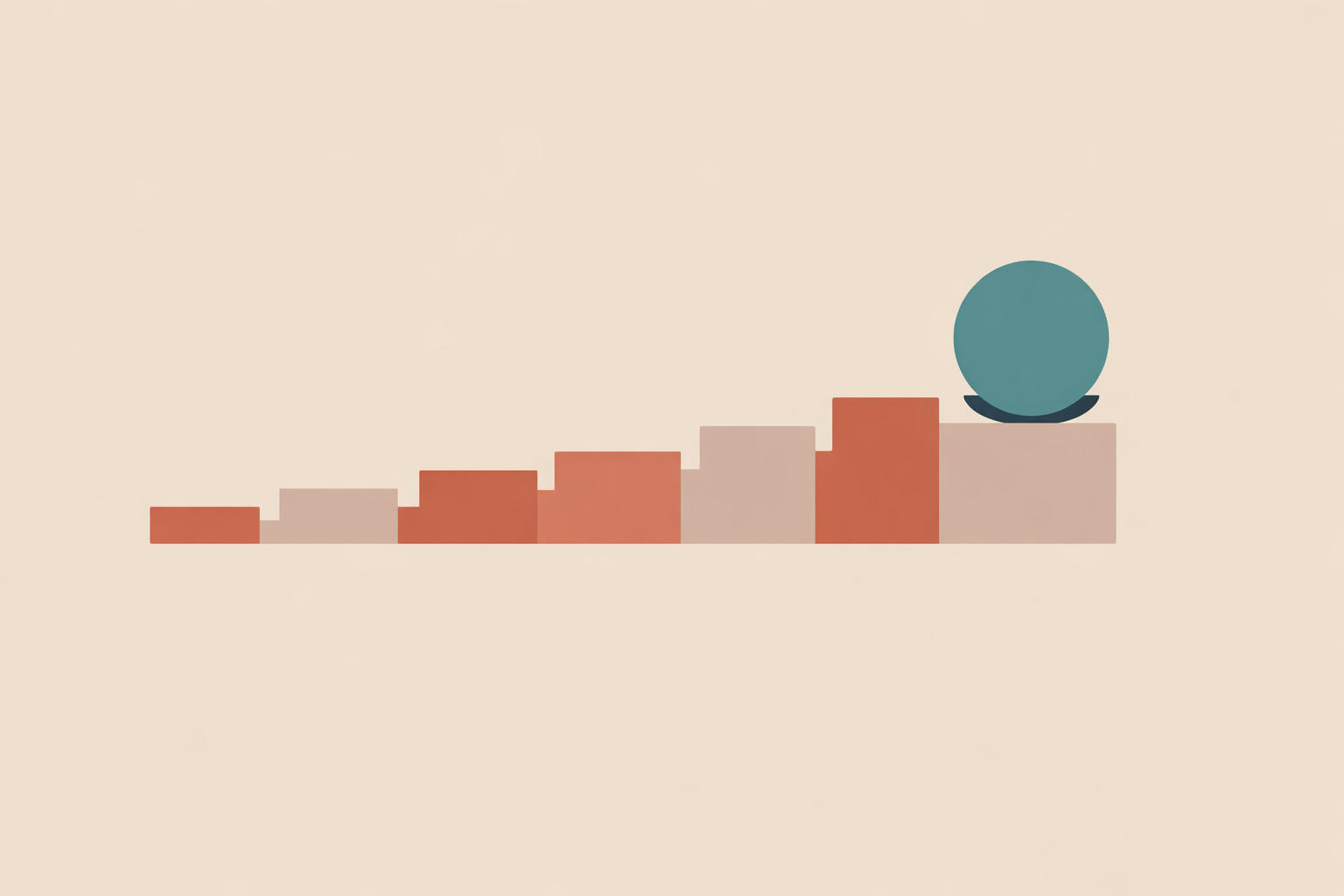
The most useful plans unfold in phases. One skill stabilizes before the next gets added, which mirrors traditional contemplative training: steadiness first, then clearer awareness, then heart qualities, then everyday integration.
- Weeks 1-2: Settle body and breath with consistent arrival rituals, posture options, and gentle longer-exhale breathing.
- Weeks 3-4: Expand into body scan and grounding so clients can notice tension and recover steadiness.
- Weeks 5-6: Broaden awareness to thoughts and feelings, then add warmth-based practice such as loving-kindness or gratitude.
- Weeks 7-8: Bring practice into movement, transitions, and self-directed daily use.
This arc helps clients feel real movement. They aren’t stuck repeating “week one” forever; they’re building a toolkit, piece by piece.
Weeks 1-2: Start with settling, not intensity
Early sessions should feel simple, repeatable, and kind. The aim is helping the client experience meditation as approachable and doable.
Week one can stay very plain: arrive, adjust posture, notice the breath, lengthen the exhale slightly, and close with a brief reflection. Offer real options from day one: chair, standing, back support, eyes open, eyes closed, or a soft downward gaze. Those choices restore agency.
- 10-minute session idea: 1 minute arrival, 2 minutes posture settling, 6 minutes breathing, 1 minute reflection.
- Simple cue: “When the mind wanders, come back to the exhale without force.”
In week two, keep the structure almost identical. Familiarity reduces resistance. Add a grounding anchor such as feet on the floor or the sense of the body being supported by the chair.
Many practitioners also find that naming the breath helps clients remember it outside sessions. Phrases like “steady exhale,” “soft tide,” or “settling breath” can make the practice feel personal and portable.
Weeks 3-4: Build body awareness without overwhelm
Once breath and posture feel familiar, body-based practice becomes more accessible. This is where body scan often shines, teaching clients to notice sensation with precision and less alarm.
Over time, clients develop “body literacy.” They start to recognize tension, fatigue, activation, softness, and relief earlier, which supports better pacing in daily life.
Keep the practice choice-based. A client might scan the whole body, stay only with the lower body, keep their eyes open, or skip areas that feel too charged. Flexibility matters when stress is high.
- 12-minute session idea: 1 minute arrival, 8 minutes scanning through the body, 2 minutes whole-body breathing, 1 minute reflection.
- Simple cue: “Notice what is here, name it gently, and let the exhale accompany it.”
If inward attention feels uncomfortable, stay with grounding instead: feet, seat, contact points, or the feeling of the hands touching. The skill is still awareness, just with more stability.
Clients often benefit from naming sensation kindly: tight, fluttering, heavy, hot, numb, buzzing. That shift from reacting to noticing can be enough to change the day’s trajectory, especially when paired with a slightly longer exhale.
Weeks 5-6: Open awareness and warmth-based practice
By this stage, many clients are ready to widen the frame. Instead of focusing only on breath or body, they can begin noticing thoughts, emotions, and sounds as passing experiences.
Open awareness helps clients stop getting pulled into every inner storyline. Planning, bracing, replaying, and self-criticism become events to notice rather than commands to follow.
- 8-12 minute practice: notice breath, body, thoughts, and sounds; when pulled away, return gently to a simple anchor.
- Simple cue: “Notice the thought, name it if useful, and return to the next breath.”
After that foundation, warmth-based practices often land well. Loving-kindness, gratitude, or simple goodwill phrases can soften the self-criticism and isolation that commonly travel with chronic stress.
You don’t need ornate language. Short phrases are usually enough:
- For self: “May I meet this moment with kindness.”
- For steadiness: “May I feel supported.”
- For rest: “May I soften into this evening.”
A hand on the heart, cheek, or belly can help these phrases land in the body. Some clients connect more easily through felt warmth than through abstract words.
Weeks 7-8: Bring meditation into movement and daily transitions
Not every client settles best by sitting still. For some, movement is the most accessible doorway, especially during high-stress seasons.
Inclusive guidance recommends movement-based practices for people who can’t comfortably sit for long periods. Walking meditation, gentle swaying, standing breath awareness, or slow paced movement can all carry the same core skills: attention, grounding, and returning.
- 10-minute walking practice: 1 minute standing, 6 minutes feeling each step, 2 minutes wider awareness while moving, 1 minute stillness.
- Simple cue: “Feel lift, move, place. When the mind jumps ahead, return to the next step.”
This is also the time to strengthen micro-practices. Longer sits build capacity, but clients stay engaged when meditation starts showing up inside ordinary life.
Brief practices linked to transitions are often easier to sustain than relying only on longer sessions. Guidance for neurodiverse meditators highlights embedded routines as a way to maintain continuity.
Useful anchors include waking up, entering the car, opening a laptop, waiting for the kettle, ending a call, or getting into bed.
- 30-60 seconds: one slower exhale before a meeting.
- 1 minute: feet on floor and name two sensations after a difficult conversation.
- 2 minutes: a short kindness phrase before sleep.
Home practice often holds best when a brief formal sit is paired with these small resets. The sit builds the skill; the micro-practices make it usable in real life.
How to adapt the plan for different clients
No meditation map should be rigid. The strongest plans stay coherent while adjusting to the person in front of you.
That includes adapting for time, mobility, culture, energy, sensory sensitivity, and stress load. Equitable guidance emphasizes that accommodating diverse needs is part of what makes mindfulness programs genuinely effective.
Offer options as standard, not as special exceptions:
- eyes open or closed
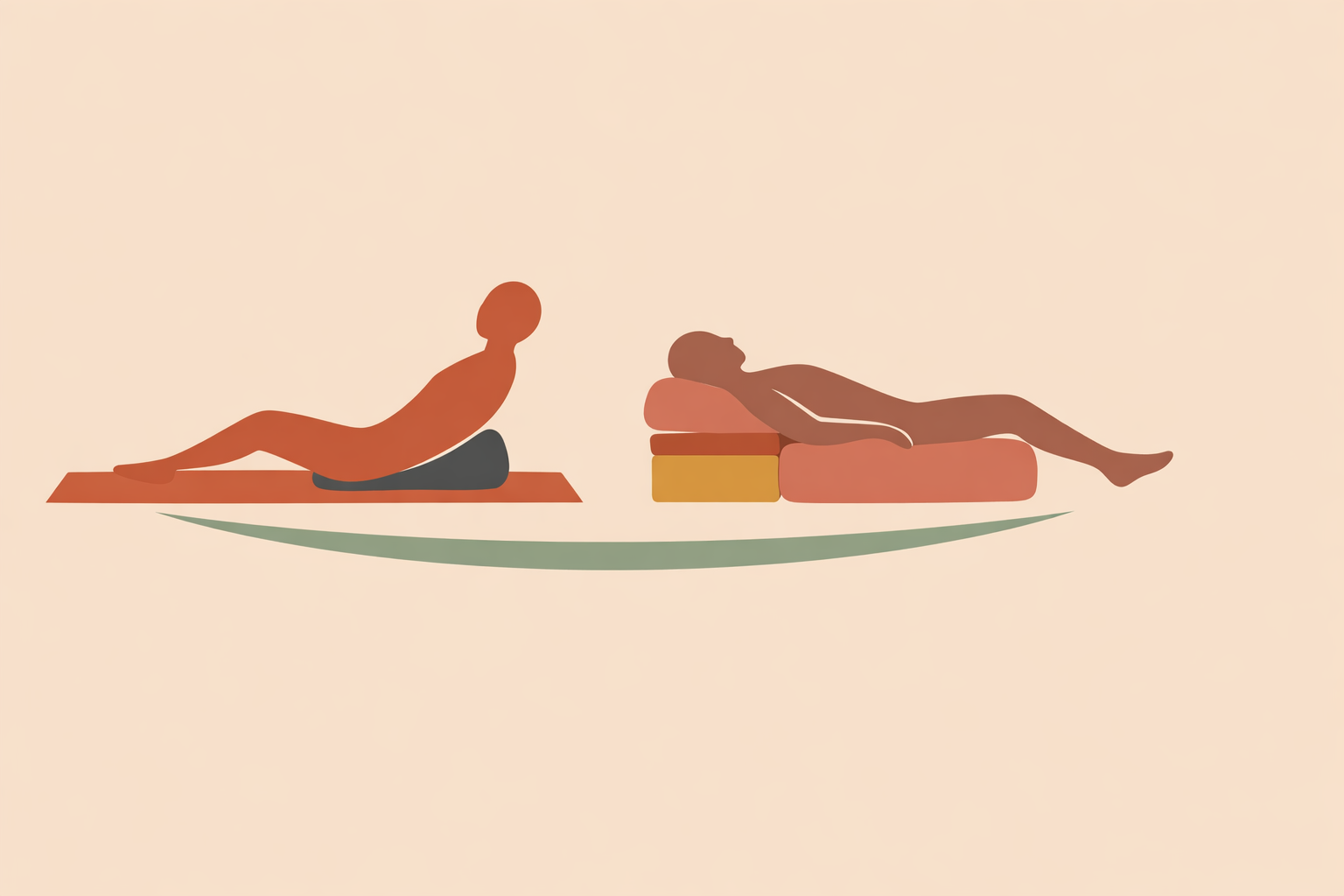
- sitting, standing, lying down, or walking
- shorter or longer duration
- silent, lightly guided, or fully guided practice
- different metaphors and language depending on cultural fit
An inclusive guide from the University of Toronto emphasizes posture choice and eye position as invitations under the participant’s control. That’s a strong standard for practitioners: make choice part of the method.
Accessibility is also about how you teach. Plain language, captions, handouts, and a clear structure support more people. Research on online mindfulness information identifies plain language and accessibility practices as markers of quality.
Cultural care matters too. Meditation doesn’t need to be stripped of its roots to be adaptable, and those roots deserve respect. Name lineages accurately when relevant, avoid borrowing symbols or terminology carelessly, and choose language that welcomes rather than performs spirituality.
Pacing, caution, and when to slow down
Most clients benefit from a gentler start than they expect. If someone arrives highly activated, scattered, or close to overwhelm, reduce the dose rather than pushing through.
Trauma-sensitive guidance notes that intense practices can be overwhelming for some people, particularly early on. In those moments, shorter practice, open eyes, external anchors, or walking meditation are often the better choice.
A simple traffic-light check can help:
- Green: steady enough for the planned practice.
- Yellow: shorten it and keep more grounding.
- Red: choose the simplest possible version, or pause practice for the day.
If a technique consistently leaves a client more distressed, more shut down, or less resourced, don’t force it. Shorten, modify, or switch approaches, with safety, boundaries, and consent guiding the choice. The aim is support they can actually use.
Turn the map into a living practice plan
A good meditation plan is structured without being fixed. Across 6–8 weeks, you watch what genuinely helps this person settle, notice, soften, and return.
Keep the essentials simple:
- a short daily anchor practice
- one or two micro-practices linked to real transitions
- clear options for posture, duration, and level of guidance
- weekly reflection on what felt supportive and what did not
From there, the plan evolves. One client may stay with breath and walking for a month. Another may connect quickly with body scan and kindness phrases. Another may need ultra-short practices for several weeks before anything longer feels welcome.
That’s not failure. It’s good teaching.
The value of a week-by-week map is the steadiness it offers. When stressed clients can keep showing up, practice deepens naturally through trust, repetition, and small moments of real support woven into daily life. For practitioners building this kind of meditation coaching, the same steady structure matters in how you teach. And for a broader grounding in positive psychology and wellbeing, it fits the wider work of helping clients build sustainable habits.
Explore Meditation Coach Certification
Learn to design sustainable, week-by-week meditation plans for stressed clients in Meditation Coach Certification.
Explore Meditation Coach →