Sexual concerns in relationships rarely get easier when the conversation turns into a search for fault. Under pressure, partners can collapse a complex experience into “who stopped trying,” “who changed,” or “whose body isn’t cooperating.” Once blame takes over, defensiveness rises, the useful details disappear, and the wider context—consent, privacy, stress, cultural messaging, substances, and relationship strain—slides out of view.
A steadier approach is to map the pattern. Instead of asking who caused the difficulty, ask what happens between these two people, under which conditions, and how each person is trying to protect themselves. That shift creates space for honesty, and it gives you a workable starting point for change.
Key Takeaway: Effective mapping of sexual difficulties in relationships replaces culprit-hunting with a shared, context-rich process that guides gentle, practical change. A strong assessment moves from pattern recognition to a one-page formulation and early support plan, while keeping consent, safety, culture, and readiness central throughout.
Step 2: Set the frame for consent, choice, and privacy
Before mapping anything intimate, set the frame clearly and kindly.
Name the purpose of the conversation, the kinds of topics that may come up, how information will be recorded, and each person’s right to pause, skip, or stop. A good frame supports trust and keeps exploration grounded.
Consent is ongoing, specific, and reversible. Silence is not consent, and neither compliance nor arousal reliably tells you someone wants to continue. Keep consent language direct and practical.
Privacy needs the same care. Ask about shared phones or laptops, password access, cloud backups, screenshots, and whether anyone can overhear sessions. Clarify what will be noted, how records are stored, and who can access them.
A simple opening script can sound like this: “Today we can map what has been happening and what supports more safety, choice, and connection. You can decline any question or stop at any point. I’ll only note what is needed for our work together. Is that okay, and is there anything you want changed before we begin?”
- Cover purpose, topics, privacy, note-taking, choice, and how to slow down.
- Ask before moving into sensitive areas.
- Re-check consent during the conversation, not only at the start.
Step 3: Clarify the concern and separate function from distress
Get specific first, then make meaning.
Ask what changed, when it changed, and in which situations it becomes most difficult. Clarify whether the concern relates to desire, arousal, erection, lubrication, orgasm, ejaculation, penetration, pain, pleasure, avoidance, confidence, or staying emotionally present. Precision prevents guesswork.
Then separate the experience itself from the distress around it. Sometimes the main difficulty is the bodily pattern; sometimes it’s the fear, shame, conflict, or mismatch surrounding that pattern.
This matters a lot with desire differences. One partner may feel distressed by mismatch, while the other feels distressed by pressure, fear of rejection, or the expectation to respond on cue. Mapping each person’s distress gives a clearer picture than focusing on frequency alone.
A simple in-session note might look like this:
- Concern: “I climax faster than I want during partnered intimacy.”
- Context: “It happens mostly when there is a goal or pressure.”
- Distress: “I feel frustrated; my partner feels confused; both of us feel tense.”
- Wish: “We want more playfulness and less pressure.”
Step 4: Build a shared timeline and context map
With the concern clear, sketch how it unfolded over time.
Start with baseline: what intimacy was like before the difficulty became noticeable. Then track first changes, major transitions, periods of improvement, and the current pattern. This often reveals whether the concern predates the relationship, followed a life event, or fluctuates with stress, privacy, or emotional safety.
A four-part map works well:
- Predisposing: earlier learning, shame, attachment patterns, body image, identity stress, previous relational experiences, cultural messages.
- Precipitating: conflict, betrayal, grief, caregiving strain, childbirth, relocation, discrimination, exhaustion, difficult sexual experiences.
- Perpetuating: pressure, avoidance, criticism, resentment, anticipatory anxiety, poor sleep, lack of privacy, repeated unsatisfying attempts.
- Protective: affection, humor, curiosity, flexibility, emotional safety, mutual respect, good communication, supportive routines.
Then compare conditions. Does the pattern shift with time of day, type of touch, stress level, substances, sleep, solo versus partnered intimacy, or perceived pressure? You’re looking for what intensifies the loop and what softens it.
Include broader physical and contextual influences without stepping outside scope. Sexual functioning is influenced by health context, psychological state, relationship conditions, and social stressors. Fatigue, pain, sleep disruption, life-stage shifts, and substances can matter. If timing suggests a medication or health-related contribution, collaborative onward support may be appropriate.
Step 5: Layer in psychological, relational, and cultural meaning
Once the timeline is visible, widen the lens to meaning.
Sexual difficulties aren’t only about what happened; they’re also about what it comes to mean. One person may read a difficult moment as failure, another as rejection, and another may brace because pressure feels inevitable. Those meanings shape the next encounter.
Psychological mapping might include anxiety, shame, intrusive thoughts, perfectionism, dissociation, body dissatisfaction, or fear of abandonment. Relationship mapping can include trust, affection, repair, conflict habits, division of labor, privacy, and power. Many sexual concerns are held in the space between partners, so relational support often changes the whole picture.
Be actively inclusive. Ask about lived experience rather than making assumptions from identity labels. Minority stress, concealment, family rejection, misgendering, discrimination, and body-based distress can all shape intimate life, and many people relax when these pressures are named without judgment.
Cultural and spiritual meanings can add essential depth. Many traditions understand sexuality in relation to kinship, dignity, responsibility, or life energy, not as an isolated act. Ask what each person learned about pleasure, modesty, fidelity, boundaries, and bodily autonomy. Stay respectful of cultural roots without romanticizing them.
- “What story does your mind tell when this happens?”
- “What were you taught about pleasure, boundaries, and saying yes or no?”
- “How do stress, identity, or the wider world land in your intimate life?”
Step 6: Map safety and protective responses without recreating harm
Some concerns that look like “performance problems” are protective responses.
When someone feels unsafe, overwhelmed, or reminded of earlier experiences, the body may tighten, go offline, become hypervigilant, or disconnect from pleasure. The task in those moments is to recognize protection and respond with steadiness.
Trauma can compromise sexual functioning, and responses that seem confusing from the outside often make sense as safety strategies. State-based questions are usually more supportive than demanding explanations. Ask what the person notices in their body, what signals pressure, and what helps them feel choice.
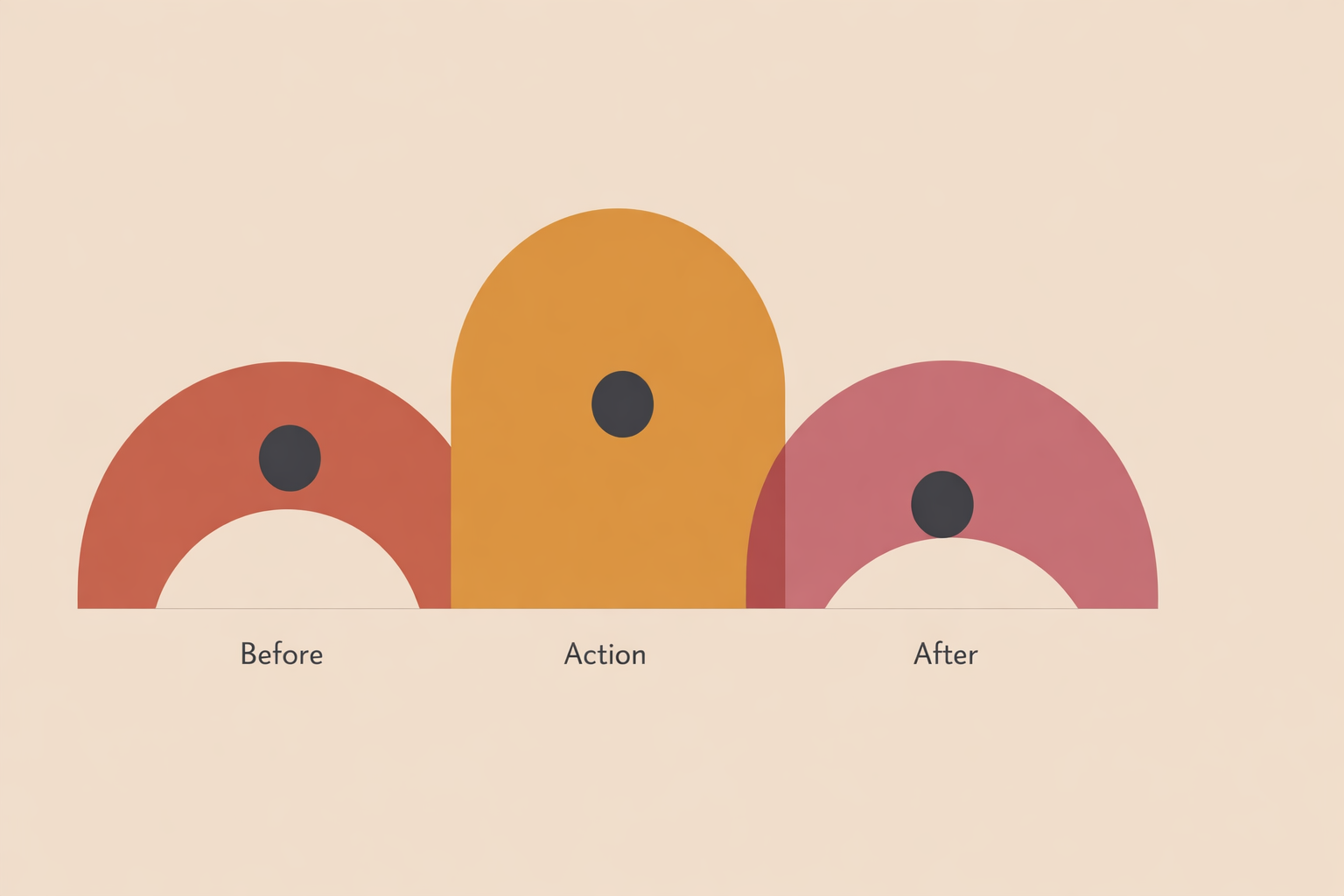
Performance anxiety also runs in a loop. Performance anxiety can reduce arousal, and repeated difficulty can reinforce avoidance and raise anxiety next time. Drawing the cycle with the couple often reduces shame and increases teamwork.
A stabilization-first approach is often the wisest early move. If someone becomes overwhelmed, pause and return to grounding, orienting, breath, and choice. Silence, compliance, arousal, or shutdown are not reliable signs of willingness, so continue to ask clearly and gently.
Red flags to slow down or stop:
- Fear of retaliation or difficulty saying no
- Escalating panic, dissociation, severe pain, or loss of orientation
- Coercion, stalking, or intimate-partner violence concerns
Useful lines in the moment:
- “Let’s pause and come back to what feels steady right now.”
- “Nothing needs to happen today beyond helping you feel more choice.”
Step 7: Turn the map into a one-page formulation and early support plan
Now condense the story without losing its shape.
A one-page formulation is usually enough: the main concern, key timeline points, triggers, the maintaining cycle, protective factors, relevant cultural or relationship context, safety notes, readiness, and any onward support needs. Keep it editable so it stays a shared working map.
Then choose a few low-pressure next steps. Early support plans work best when they focus on observable goals rather than immediate sexual success. Reducing performance pressure, strengthening communication, increasing body awareness, rebuilding trust, and widening the range of pleasurable, consensual experiences are reliable places to begin.
CBT-informed interventions can help people soften unhelpful beliefs and try gradual, consensual experiments that support new patterns. In practice, this may sit alongside mindfulness, pacing, sensate-focus-style exploration, or relational check-ins.
When tracking change, use markers that reflect the whole picture. Sexual distress, pleasure, closeness, confidence, flexibility, and clarity of consent often show progress more accurately than frequency alone.
An example summary might include:
- Concern: “Pressure leads to monitoring, loss of arousal, and disconnection.”
- Maintaining cycle: “Stress leads to self-monitoring; self-monitoring leads to tension; tension leads to rushed intimacy; rushed intimacy confirms the fear.”
- Protective factors: “Humor, affectionate routines, and honest debriefs help soften the loop.”
- Early goals: “No-goal touch twice a week, naming pressure when it appears, and a short check-in before and after intimacy.”
Keep the map alive
A good map evolves as people do.
Return to it regularly and ask what softened, what intensified, and what new patterns appeared. Adjust the plan as life changes. Sexual-function patterns vary across stress levels, life stages, and health contexts, so flexibility matters more than perfection.
Keep notes lean and respectful. Record only what is needed for the agreed purpose, use neutral language, and stay clear about privacy and access. This alone can strengthen trust more than many practitioners expect.
Finally, hold traditional wisdom and contemporary evidence side by side. Many ancestral frameworks link sexual well-being with relationship, vitality, dignity, and community. When that wisdom is approached with respect for cultural roots, critical thinking, and individual choice, it often brings steadiness and depth to the work, including in relationships and intimacy practice.
Train in Sex Therapy Skills
Apply this mapping approach in practice with the Sex Therapy Practitioner Certification.
Explore Sex Therapy Certification →