Chakra practice is often picked up in pieces: a quick guided sweep, a handout that never becomes a routine, or a longer ritual saved for days when life feels off. When it’s that scattered, motivation fades and it’s hard to tell what’s actually changing, even when the practice feels meaningful.
A six-week container brings order and momentum. It gives you a clear sequence, enough repetition to notice subtle shifts, and a practical rhythm that fits real life. The aim is steady practice, plain reflection, and changes you can recognize in your day-to-day.
Key Takeaway: A six-week chakra practice can be a practical way to build consistency, deepen body awareness, and notice real-life shifts over time. The most useful structure is simple: brief daily practice, a clear sequence from grounding to integration, and light tracking that helps subtle changes become visible without feeding perfectionism.
Why a 6-Week Chakra Practice Works
Six weeks is long enough for a routine to start feeling natural. Habit research on automaticity suggests habits form through repeated action in a stable context, and the widely cited 66 days median helps explain why six weeks can feel like a real beginning.
It’s also a realistic commitment. Traditional yoga and tantric lineages have long used defined periods of daily practice to build steadiness through repetition and attention. The daily practice emphasis in classical texts reflects that same logic: show up often, keep it steady, and let change accumulate.
Most people get more from short, repeatable sessions than from occasional long ones. When the ritual is easy to return to, it becomes part of your day rather than a rare event.
A simple way to set the container:
- Choose a start date and an end date six weeks later.
- Set a minimum practice dose of 10 minutes.
- Let 15 to 20 minutes be your ideal when time allows.
- Anchor the ritual to an existing cue, such as tea, journaling, or the moment before opening your laptop.
- Track whether you showed up, not whether the session felt “good.”
What “Blocked Chakras” Means in Practical Terms
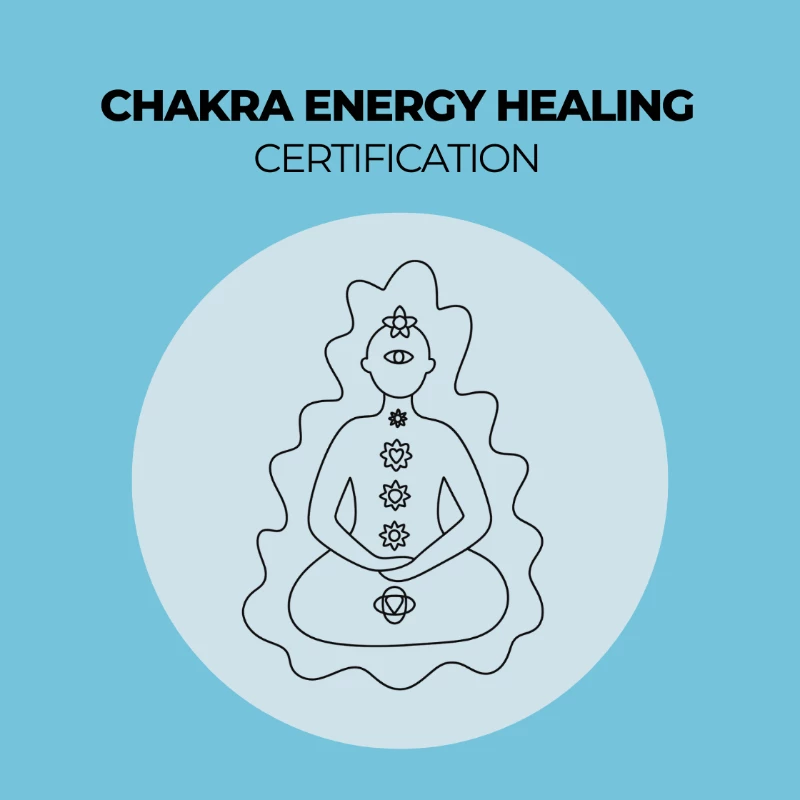
In traditional yoga, chakras are subtle centers arranged along the spine from root to crown. Each relates to recurring themes—grounding, creativity, will, love, expression, insight, and connection—and the common overview of the seven chakras reflects this familiar map.
This works best as a map of lived experience rather than anatomy. Some writers have explored proposed correlations with nerve plexuses or endocrine hubs, but these links are interpretive, not settled physical facts.
So in everyday practice, “blocked” usually means something you can actually notice: stuckness, numbness, avoidance, or overwhelm around a center’s theme. “Balanced” tends to feel like more flow, steadiness, clarity, or vitality. This practical view of blocked chakras keeps the focus where it belongs: your direct experience.
That framing also keeps the work respectful. You’re not labeling a person; you’re noticing patterns and choosing practices that support new ones.
Helpful framing:
- Root: steadiness, safety, belonging
- Sacral: feeling, pleasure, creativity
- Solar plexus: will, boundaries, follow-through
- Heart: warmth, connection, compassion
- Throat: honesty, voice, clear expression
- Third eye: insight, discernment, inner listening
- Crown: perspective, connection, spacious awareness
Weeks 1-2: Grounding Through Root and Sacral Practice
The first phase builds the base. When the lower centers feel steadier, the rest of the work tends to feel more supported and less scattered.
Start with grounding: sit comfortably, feel your feet or sit bones, and let the exhale lengthen. Daily body-based attention can sharpen inner sensing. A short meditation study found improved interoceptive awareness after two weeks of body-scan practice, which fits well with this stage’s goal.
Then add the lower centers. Visualize the root at the base of the spine as red and steady, and the sacral center in the pelvis as warm and fluid. Keep the imagery gentle. Notice what’s present rather than trying to force a particular sensation.
As grounding becomes familiar, emotional and expressive work often feels easier to approach. Body-based mindfulness has been linked with emotion regulation, which helps explain why this foundational phase can support the whole journey.
Sample 12-minute practice:
- 2 minutes: feel contact with the ground and slow the breath
- 4 minutes: root and sacral visualization with easy breathing
- 4 minutes: sweep attention from root to heart, one breath per center
- 2 minutes: rest and notice one word that describes your state
Daily micro-practices:
- Stand barefoot on safe ground for one minute.
- Take three low belly breaths before checking messages.
- Tidy one small physical space.
- Write down one playful or creative impulse without judging it.
Weeks 3-4: Solar Plexus, Heart, and Throat
With a steadier base, attention naturally moves into the middle centers: will, warmth, and expression. This is where many people start noticing clearer day-to-day shifts.
For the solar plexus, focus on the area around the navel and pair the breath with a simple affirmation that feels believable. Values-based affirmations have been shown to reduce stress responses, supporting the kind of inner steadiness this center is known for.
For the heart, keep it grounded in action: gratitude, kindness, and chest-opening movement usually land better than trying to generate an intense emotion on demand. Heart-centered contemplative practices are associated with positive emotions and stronger social connection, which aligns with this center’s traditional themes.
For the throat, small daily honesty is powerful. Humming, gentle sound, relaxing the jaw, and offering one clear sentence a day often shifts this center more reliably than elaborate ritual.
Suggested daily flow:
- 2 minutes: grounding
- 4 minutes: solar plexus breath and affirmation
- 4 minutes: heart focus with one gratitude reflection
- 4 minutes: throat humming, mantra, or vocal release
- 2 minutes: whole-body rest
Useful micro-habits:
- Solar plexus: take one small decisive action before noon
- Heart: offer one sincere thank-you or warm gesture
- Throat: speak one clear boundary kindly and directly
Weeks 5-6: Third Eye, Crown, and Integration
The final phase brings attention upward while keeping the body included. When the nervous system feels settled, insight and spaciousness are easier to integrate into ordinary life.
Start and end each session by feeling your feet and lengthening the exhale. Slow breathing and body-based awareness can increase parasympathetic activity, supporting a calmer, more grounded inner state for upper-center practice.
For the third eye, rest attention lightly at the brow and ask a single inner question, such as “What needs my honesty today?” For the crown, keep it open: quiet sitting, sky-gazing, or a contemplative walk is often enough.
Many practitioners describe regular chakra meditation as gradually harmonizing attention across the whole system. That kind of integration is most consistently confirmed through lived practice and long-standing teaching, and can deepen further inside chakra energy healing study.
Claims about measurable chakra phenomena deserve discernment. Reviews suggest evidence for specific chakra radiations remains speculative rather than firmly established.
Full-system practice:
- 3 minutes: grounding
- 6 minutes: slow sweep from root to crown
- 5 minutes: with the center that feels most active or most quiet
- 4 minutes: open resting awareness
- 2 minutes: closing with attention back on the feet and the room
How to Track Chakra Progress Without Overcomplicating It
Tracking works best when it stays light and kind. Its job is to make subtle shifts easier to notice over time.
A weekly check-in is plenty. Rate each center from 1 to 10 for flow or stuckness, then add one sentence. Pair it with a few real-life markers—sleep, perceived stress, social ease, or follow-through. In behavior-change research, self-monitoring often helps because attention becomes steadier and patterns become easier to spot.
Body mapping can add another layer. Once a week, draw a simple outline of the body and mark areas of heat, tightness, numbness, ease, or aliveness. It’s a practical way to connect sensation with reflection.
Keep your tracker small:
- Weekly chakra ratings
- One sentence per center
- Sleep, stress, and social ease
- One behavior marker that matters to you
- Optional body map once a week
Example:
- Week 1: Root 4, Throat 3, “Restless and holding back in meetings”
- Week 3: Solar 6, Heart 5, “More willing to act; softer with myself”
- Week 6: Root 7, Throat 6, “Felt steadier and spoke more clearly”
Turning 6 Weeks Into an Ongoing Practice
After six weeks, the most useful question is whether you feel more self-aware and steady, and whether you can name the practices that genuinely support your well-being.
Keep what worked. If grounding changed the tone of your days, make it your foundation. If heart practices softened your relationships, weave them into daily life. If upper-center work brought clarity but also left you feeling unanchored, pair it with walking, slower breathing, and a renewed lower-center focus.
A few maintenance options work well:
- Continue a full seven-center sweep three or four times a week.
- Rotate focus: lower centers for two weeks, then upper centers for two weeks.
- Keep one body marker and one behavior marker as your anchor.
- Return to a six-week container whenever practice starts to feel scattered again.
Over time, chakra work becomes a steady relationship with attention and choice. Let traditional maps guide the sequence, and let direct experience refine how you practice. If intense emotions, dizziness, or distress show up, slow the pace, return to grounding, and consider working with a qualified teacher for extra support, including structured chakra balancing with crystals or a broader layered session design.
Explore Chakra Energy Healing
Deepen your six-week routine with the Chakra Energy Healing Certification for clearer technique and confident practice.
Explore Chakra Certification →