In many trainings, “go for the breakthrough” becomes an unspoken rule. You follow the surge, invite more feeling, and hope it resolves. Then the client’s breath shortens, their answers narrow to yeses, and the session starts to tip into too much. Afterwards they feel wrung out rather than resourced, and you are left wondering whether you supported real integration or simply stirred the waters.
Containment offers a steadier path. In trauma-sensitive coaching, it means keeping the work inside a client’s workable range so reflection, choice, and integration can happen without overwhelm. It is respectful pacing, and it protects the client’s ability to stay present with what’s emerging.
Key Takeaway: Containment before catharsis helps keep coaching inside a client’s workable window. In practice, that means reading activation early, slowing the pace, creating clear agreements, returning to consent, using simple grounding and containment tools, and knowing when the coaching container is no longer enough on its own.
How to read activation and pivot into containment
Containment works best when you notice the shift early. Often the signs are subtle: speech speeds up or goes flat, the client suddenly agrees with everything, the gaze fixes, shoulders pull in, or breathing turns shallow.
One of the clearest markers is a loss of reflective capacity. When the client can’t stay curious, track the present, or answer simple orienting questions, it’s time to stop deepening and start containing.
Pushing for details too soon in trauma-related work can strengthen defenses rather than soften them. So when activation is building, name what you notice and renegotiate the pace.
A useful script is: “I’m noticing your breath got shorter and things started moving quickly. Would it help to slow down and contain this for a moment?”
A quick scaling question can guide the next move: “On a scale from 0 to 10, where 10 is the edge of too much, where are you right now?” If the number is high or climbs fast, close the thread and ground. If it drops after a minute of orientation, you may have room to continue in small doses.
- Signs to watch: rushed speech, narrowed attention, frozen stillness, sudden compliance, body tightening, shallow breathing
- Containment moves: pause, orient to the room, return to the body, shorten the time frame, shift from story to present-moment tracking
- What matters most: the client keeps choice, voice, and access to reflection
Create the container before intensity arrives
The strongest containment starts before the first difficult moment. Rather than inventing the rules mid-activation, build the frame early and keep it clear.
Predictability helps people settle. Clear time frames and choice points can reduce surprise and make the work feel navigable.
That frame includes practical agreements: how long sessions last, what kind of between-session contact is appropriate, what happens if intensity rises, and how you’ll pause or redirect. These aren’t stiff formalities. They’re part of the support.
It also helps to return to consent as the session changes shape. Asking permission before a new exercise, deeper inquiry, or pacing shift helps build trust and keeps the client in the driver’s seat.
- “We meet for 60 minutes, and if something starts to feel too big, we can pause and come back to it later.”
- “Would you like to stay with this for two more minutes, or would you prefer to contain it for now?”
- “Before we try a different approach, does that feel like a yes, a no, or a maybe?”
Containment-first work often feels calmer because the path is already known. The client doesn’t have to guess what will happen if things get intense.
A containment-focused session flow
A strong session arc makes containment part of the rhythm rather than an emergency response. Begin with the present, explore in small doses, and close deliberately.
Start with a brief state check: mood, energy, body sensations, and what feels most alive today. Then orient with one or two simple actions such as feet on the floor, a slower exhale, eyes moving around the room, or a short noticing practice.
From there, work in short rounds. Touch the material, then return to something settling. In practitioner terms, this is titration: a little contact, then a little settling. This kind of pacing supports integration more reliably than high-intensity work that leaves the client flooded, especially in trauma and emotional healing work.
As you go, keep checking whether the client is still with themselves. If not, scale back. If yes, continue gently. The goal is depth that the system can actually use.
Close every session on purpose. Name what was touched, what is being parked, and what support the client can lean on after the call. A good close leaves them oriented rather than raw.
- 2 minutes: state check
- 3 minutes: orienting and grounding
- Short round: explore one thread
- Pause: return to body, breath, or environment
- Repeat if the system is steady
- Final minutes: summarize, contain open loops, agree on next steps
Practical containment tools clients can actually use
Not every client responds to the same kind of tool. Some settle through image and symbol; others need something concrete and physical. Match the method to the person in front of you.
Imaginal containers are a classic option. A client may picture a chest, a stone jar, a vault, a woven basket, or another form that feels solid and trustworthy. What matters most is the felt sense of control: they choose the shape, the material, and whether it opens now or later.
Written containment works well for more concrete thinkers. A few words on paper, a symbol, or a short list can be folded, sealed, and put away. The message is clear: the material hasn’t been rejected; it’s being held for later.
Physical rituals can deepen the effect. Closing a notebook, placing a page in a box, washing hands, touching a cool stone, or standing and shaking out the arms can all mark the end of contact with the material.
- Imaginal: “What kind of container would your system trust right now?”
- Written: “Write three words for the knot, fold the page, and place it in an envelope.”
- Physical: “After we close this, put both feet down, take three slower breaths, and drink a glass of water.”
The simplest tools are often the most effective because they’re easy to repeat between sessions.
Containment in parts-based coaching
Parts-based coaching makes the value of containment especially clear. When a protective part becomes active, the aim is to respect it enough that the whole inner system can settle.
In practice, structured pacing tends to work better than pressing for disclosure. When protectors activate, pauses, shorter rounds, and clear choice points prevent escalation and reduce blending.
Often the most skillful move is to turn toward the protector first. You might say, “I can feel a part of you trying to keep this managed. What would help it feel safer right now?” When protectors are acknowledged, the wider system often relaxes.
Discernment matters here. Sometimes a part sounds cooperative without actually settling. A quick “I’m fine” delivered with tension, speed, or exaggerated agreement can signal what many practitioners recognize as protector mimicry. The answer is less pressure, more neutrality, and clearer options.
- Thank the protective response before inviting anything deeper
- Use short witnessing windows instead of long emotional dives
- Offer genuine choice: continue, pause, contain, or return another time
- Track whether the system is softening, not just complying
In this kind of work, two grounded minutes can achieve more than twenty minutes of forced storytelling.
Somatic and culturally rooted containers
When intensity shows up through sensation, the wiser move is usually to track rather than interpret. Meaning can come later; first the system needs enough steadiness to stay present.
That means working with qualities: pressure, temperature, movement, edges, rhythm, expansion, contraction. Instead of asking, “What does this mean?” ask, “What do you notice now?”
Simple rhythmic supports are often enough: gentle rocking, a slower breath cadence, humming, naming colors in the room, feeling both feet, or touching a familiar object. Many of these regulating rhythms are carried through tradition, especially when they already belong to the client’s lived world.
Regulation tools are often more effective when they are culturally aligned. A chant, prayer bead practice, lullaby, hand rhythm, or ancestral breathing pattern may carry more settling power than a generic technique lifted from elsewhere.
This calls for humility. The role of the coach is to help the client reconnect with rhythms, rituals, and supports that are already meaningful to them, without casually borrowing what isn’t theirs.
- Track sensation before making a story about it
- Use rhythm when thinking feels too effortful
- Let cultural roots guide the choice of support where appropriate
- Favor the familiar over the impressive
When containment is not enough on its own
Containment is powerful, but it does not solve every situation. Integrity means recognizing when the coaching container is too small for what is arising.
Patterns matter. If grounding never lands, if the client repeatedly loses contact with the present, if basic safety is in question, or if distress consistently exceeds what can be held in coaching, the circle of support needs to widen.
A containment-first approach can still help in that moment. It can stabilize the conversation enough to discuss next steps collaboratively rather than reactively. A warm, transparent, non-shaming tone makes a big difference here.
You might say: “I want to honor how much this is asking of you. Given the intensity, I think it would be supportive to bring in additional help alongside our work. We can talk through what kind of support would feel right.”
More practitioners are viewing trauma awareness as a baseline competency in coaching, and part of that competency is knowing where your role begins and ends.
Referral, collaboration, or a shift in pace is not failure. It is care expressed through clear boundaries.
Weaving containment into everyday coaching
Containment is not a special technique reserved for difficult sessions. It is a way of working: predictable rhythm, clear consent, measured pacing, grounded witnessing, and closes that leave the client connected to themselves.
Over time, these habits change the quality of the work. Sessions become less performative and more useful. Clients learn that they do not have to override themselves to grow. Depth becomes steadier, not louder.
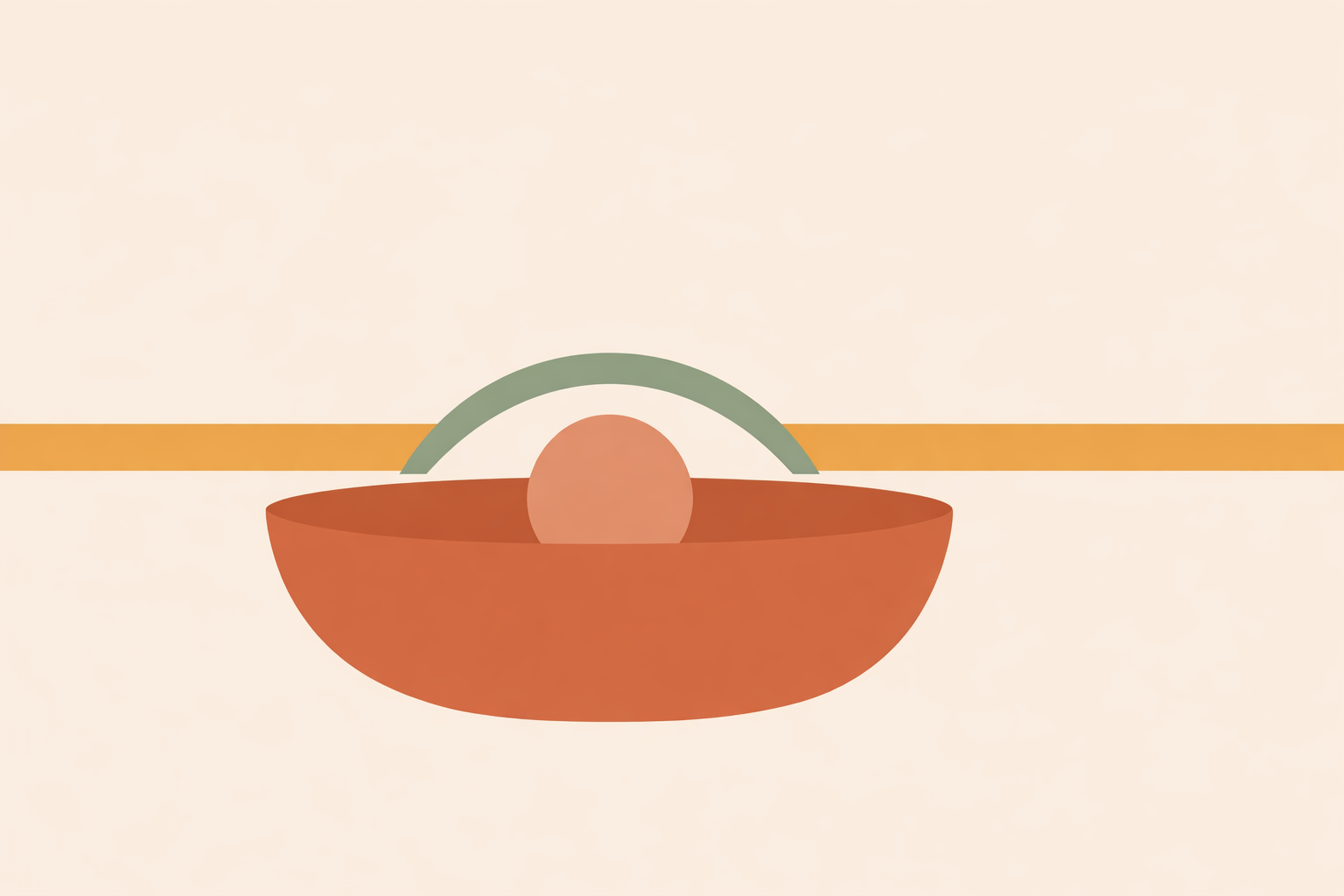
For coaches working with inner systems, emotional complexity, or tender personal material, inner parts integration and containment are among the clearest expressions of maturity in practice. The stronger the bowl, the more safely real change can unfold.
Train Inner Parts Integration
Deepen containment skills with the Inner Parts Integration Coach Certification for steady, consent-based parts work.
Explore Inner Parts Integration →