In pet well-being conversations, it’s tempting to reach for a supplement the moment a symptom shows up. A dog itches and omega-3s get suggested. A cat over-grooms and a calming blend appears. In practice, that quick stacking of products often creates clutter instead of clarity. When several new things go in at once, it becomes harder to see what’s helping, what’s irritating, and what just doesn’t suit the animal in front of you.
A steadier approach starts with the whole picture. Consider the animal’s species, life stage, temperament, food, environment, and day-to-day pressures. Then review what’s already being used, choose lower-risk options where appropriate, and introduce only one change at a time. That’s what keeps support clear, gentle, and easy to monitor.
Key Takeaway: Responsible use of natural supplements with pets works best as a stepwise process: start with the whole animal, review everything already in use, choose lower-risk options carefully, check product quality, introduce changes slowly, use aromatics with extra care, and know when urgent outside support is needed.
Checklist Step 1: Start With the Animal, Not the Supplement
Begin with the animal, not the bottle. A few quiet minutes of whole-animal observation can save weeks of guesswork.
Two pets can show the same outward sign for very different reasons. One itchy dog may be reacting to food, while another is expressing stress through skin and coat. If you jump straight to products, you can miss what’s driving the pattern.
In animal wellness and animal naturopathy, the first layer of support often means reducing stressors: improving food quality, calming the daily rhythm, encouraging appropriate movement, and strengthening emotional safety. Supplements then become a supportive add-on rather than the main strategy.
Species differences matter more than marketing language. A plant compound that seems gentle for one species can be too stimulating, too concentrated, or simply unsuitable for another.
Start by sketching the animal’s current world:
- Species and life stage
- Food pattern and appetite
- Energy, sleep, and elimination
- Stressors in the home
- Sensitivity to sound, scent, touch, or change
A useful line with guardians is: “Let’s strengthen the basics first; any supplement we add should feel like a small nudge, not a rescue plan.”
Checklist Step 2: Map Food, Current Products, and Human Items
Before adding anything new, map everything already in use. Include food, toppers, training treats, chews, powders, oils, monthly preventives, and any human-formulated products that have slipped into the routine.
This step is often where the clearest answers show up. Overlaps are common: duplicated joint ingredients, several calming blends at once, or multiple sources of similar plant compounds.
Human-formulated capsules are a frequent source of confusion. An animal’s size, metabolism, and ingredient tolerance aren’t the same as a person’s, and some additives that are fine for humans don’t sit comfortably with pets.
Keep changes traceable. If food, supplements, treats, and room scent all change in the same week, cause and effect becomes muddy. One carefully chosen adjustment is usually easier on the animal and far more informative.
- List all current products in one place
- Check for duplicated ingredients
- Flag human products for review
- Pause nonessential extras before adding something new
- Make one change at a time
When guardians bring in a people product, a calm response works well: “Let’s switch to an animal-specific option with clear sizing and simpler monitoring.”
Checklist Step 3: Choose Lower-Risk Supplement Types and Respect Higher-Risk Ones
Once the basics are clearer, sort options by risk before you sort them by popularity.
Many plants can be genuinely supportive when used appropriately, yet overdose risk and species sensitivity still matter. How a product is prepared also changes its intensity; extract type influences strength, so tinctures, teas, powders, and concentrated extracts shouldn’t be treated as interchangeable.
For dogs, lower-risk starting points often include fish-derived omega-3s, a basic glucosamine and chondroitin blend, or a simple probiotic with clear labeling. Joint support products with glucosamine and chondroitin are generally considered generally safe when used responsibly, and omega-3s have clinical support in dogs.
Higher-risk choices deserve extra care, especially when sensitivity is already part of the picture. This includes concentrated essential oils, stimulant laxatives, strong multi-herb “detox” blends, and willow-derived salicylates (particularly for cats). Toxicology guidance highlights salicylate toxicity in dogs and cats, and reports also describe severe reactions to some concentrated oils in sensitive animals.
Packaging language can mislead. “All-natural” doesn’t reliably indicate safety, suitable strength, or fit with the rest of an animal’s routine. Natural origin alone tells you very little about how a product will land for a specific pet.
- Lower-risk starting points for many dogs: fish-derived omega-3s, basic joint blends, clearly labeled probiotics
- Use extra care with cats and other sensitive species
- Be cautious with concentrated extracts and multi-herb combinations
- Read “all-natural” as marketing, not as reassurance
Checklist Step 4: Evaluate Product Quality and Labels Carefully
Once you’ve chosen a direction, look closely at quality. This is where good intentions often meet weak manufacturing.
A quick label audit goes a long way. Confirm the species the product is intended for, whether dosing is weight-based, how many active ingredients are included, and whether the amount of each ingredient is clearly stated. Crowded formulas are harder to predict and harder to monitor.
Lot numbers and expiry dates matter too. They make products traceable, which helps if a reaction occurs or if a product seems inconsistent from batch to batch.
Third-party oversight can lower risk, but it still pays to verify what a seal actually represents. A badge created by a brand isn’t the same as independent review.
- Confirm species and size guidance
- Look for transparent ingredient amounts
- Check lot number and expiry date
- Prefer simpler formulas over crowded blends
- Verify any quality seal rather than assuming
Checklist Step 5: Introduce Slowly and Monitor What Changes
Good supplement use is as much about pace as it is about selection.
A single well-chosen product introduced gradually is often more useful than several products started together. It makes the animal’s response easier to read and reduces the chance of unnecessary irritation.
Start low, go slowly, and watch the animal rather than the promise on the label. Appetite, stool, urine, sleep, mood, coat, and energy provide a steady stream of practical feedback.
A simple daily log helps make patterns visible:
- Appetite
- Stool quality
- Urination
- Energy
- Sleep
- Mood and behavior
If something shifts in the wrong direction, pause and simplify. That isn’t failure; it’s information you can use.
If a pet gets into a human herbal product, formal data on severe doses are limited for many items, so timing becomes the priority. Guidance on toxic exposures emphasizes early decontamination and close observation when a risky ingestion is suspected.
At the same time, it helps to stay balanced. Used responsibly, herbal products as a group do not appear to carry a higher incidence of adverse effects than standard over-the-counter options. That supports a measured approach and steady monitoring.
Checklist Step 6: Use Aromatics With Extra Care Around Sensitive Species
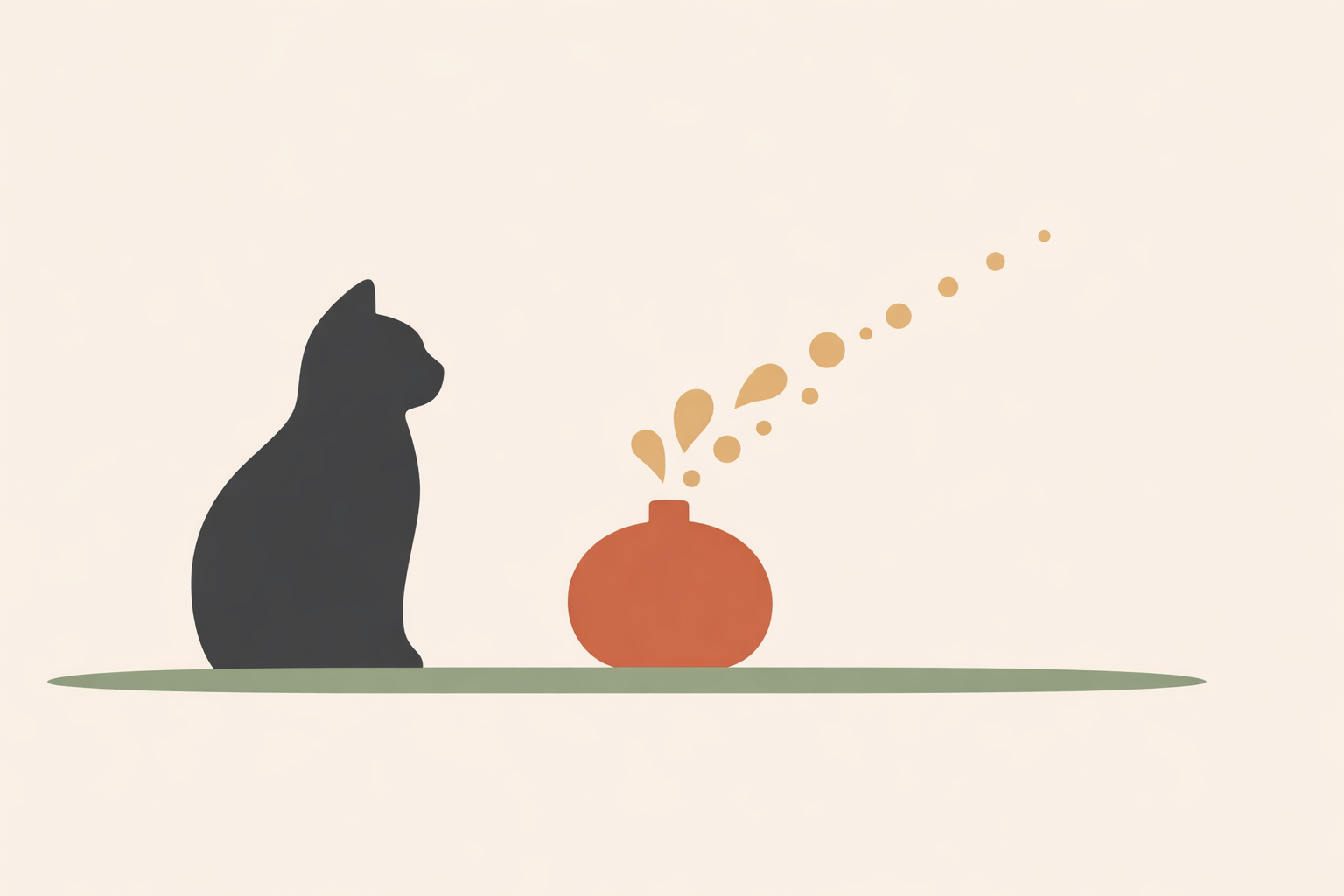
Aromatics deserve their own caution. Animals live closer to the ground, breathe differently from us, and can’t opt into a scented environment in the same way people can.
Concentrated oils can be especially problematic for pets, and they should never be applied directly. Toxicology guidance notes direct application is unsafe, particularly when animals may lick, inhale, or absorb oils through the skin.
For cats, birds, and other sensitive species, it’s usually wiser to avoid concentrated essential oils altogether. Gentler options such as hydrosols and flower essences can offer softer support without saturating the space with volatile compounds, a cautious approach that also fits animal aromatherapy.
Agency matters. If any aromatic is used, the animal should be free to leave or move farther away. Watch for signs of aversion such as squinting, drooling, coughing, hiding, agitation, or seeking the door.
- Skip direct application of essential oils
- Be especially cautious with cats, birds, and small mammals
- Prefer softer options such as hydrosols when appropriate
- Always give the animal an exit and a choice
Checklist Step 7: Know Red Flags and Stay Within Scope
Even thoughtful support plans need clear boundaries. If a new product is followed by vomiting, wobbliness, tremors, unusual drooling, breathing changes, or collapse, stop immediately and seek urgent outside support.
When risky ingestion is suspected, keep the packaging, ingredient list, lot number, and estimated amount close at hand. Those details make next steps faster and more effective.
Urgent situations are not the time to improvise. Prompt action and careful observation can make a meaningful difference, especially when concentrated oils, salicylates, sweeteners, or human products are involved.
Scope matters here too. Strong practice includes knowing when a situation has moved beyond supportive coaching and needs immediate escalation, with the same kind of boundaries emphasized in integrative pet care scope.
- Stop the new product right away if clear adverse signs appear
- Remove access to the substance
- Ventilate the area if aromatics are involved
- Keep product details available
- Seek urgent help when signs are significant or sudden
Conclusion: Calm Structure Creates Safer, Clearer Support
The most reliable use of natural supplements with pets is rarely dramatic. It’s observant, structured, and respectful of individuality.
When you start with root causes, simplify the routine, and choose products carefully, support becomes easier to read. One thoughtful change, monitored well, usually teaches more than a shelf full of quick fixes.
That is the heart of sound animal naturopathy: honoring traditional plant wisdom while staying grounded, humble, and attentive to the animal in front of you. Save the strongest cautions for moments that truly call for them, and let the day-to-day work be calm, steady care.
Train in Animal Naturopathy
Apply this stepwise supplement checklist with deeper foundations in the Animal Naturopathy Certification.
Explore Animal Naturopathy Certification →