Every facilitator eventually meets the same moment: ten minutes into a group bowl session, fidgeting spreads, someone giggles, a participant sits up, and the back row starts whispering that it feels like too much. In most cases, that disruption has a pattern. It grows when the sound feels unpredictable, the opening is too thin, or people don’t know how to adjust, pause, or step out.
The steady answer is better structure. Singing bowls tend to work best inside a clear container: simple consent language, gentle pacing, thoughtful sound design, and a calm plan for moments when the room tightens.
Key Takeaway: Group stability with singing bowls comes from container, consent, pacing, and gentle sound rather than spectacle. Clear openings, predictable session arcs, careful instrument choices, and a thoughtful landing help participants stay oriented and supported throughout the experience.
Why Singing Bowls Work Best as a Shared Attention Anchor
Singing bowls often work best as a steady point of shared attention. Their sustained, overtone-rich tones can support attention by giving the whole room one sound to follow.
That quality fits their long association with contemplation and communal practice. Traditional use has linked bowls with pauses, presence, and collective listening, and historical descriptions note their role in meditation periods and group practice.
Contemporary findings echo what many practitioners already see in real sessions: community sound meditation experiences have been associated with better mood and reduced tension after listening.
In group work, the craft matters as much as the instrument. Pace, mallet contact, volume, spacing, and silence determine whether a bowl settles the room or overwhelms it.
For example, one large, lower-pitched bowl placed at a comfortable distance and played every 15 to 20 seconds will often hold attention better than several brighter bowls played in rapid succession around the room.
A Calm Session Arc for Group Singing Bowl Meditation
A predictable arc helps people settle. Most groups respond well to four phases: arrival, gentle build, immersion, and landing.
Arrival sets the tone. Explain what people will hear, normalize repositioning or stepping out, and give everyone a minute to arrive before sound begins. Short, clear orientation is usually more stabilizing than a long talk.
Then begin a gentle build. Many facilitators start with 15 to 20 minutes of simple, spacious playing before adding complexity. Lower bowls, soft mallets, moderate volume, and generous pauses help the room settle without feeling pushed.
Immersion deepens the experience through richness: slow layering, occasional tonal contrast, and silence that gives the room time to absorb. Planned silence intervals of 30 to 90 seconds often keep the group steady.
Landing matters just as much as the opening. Let the final tone decay fully, then bring attention back gradually to body, room, and ordinary orientation so people don’t pop out abruptly.
A simple 60-minute structure might look like this:
- 10 minutes arrival and orientation
- 15 minutes gentle build with low, spacious tones
- 20 minutes immersion with modest variation and two short silences
- 10 minutes landing and re-orienting cues
- 5 minutes optional reflection
Keeping the early phase quieter and more spacious often prevents restlessness later on.
Consent and Comfort Agreements Before You Begin
Before participants lie down, three things need to be clear: what will happen, how they can care for themselves, and what will not happen. This is the foundation of a trustworthy container.
Keep the language plain. Name the instruments, describe the general volume and pace, and mention there will be moments of silence. Then make agency explicit: people may shift position, sit up, open their eyes, or step outside quietly at any time.
State boundaries clearly, especially around touch. In most group settings, a no-touch default keeps the experience simpler and more respectful.
Some participants benefit from extra practical guidance. People who are pregnant, highly sound-sensitive, or living with implanted devices often prefer a quieter setup, more distance from the bowls, and no on-body sound work. Those who find sharper tones challenging often feel more comfortable farther from bright instruments, particularly near the head area.
A concise script is often enough: “This is a relaxation-focused sound meditation. You’ll hear a small number of metal bowls at a gentle volume with pauses of quiet. You’re welcome to change position, sit up, or step out at any time. I won’t use touch today.”
If you use a sign-in form, one comfort question keeps things invitational: “Is there anything you’d like me to know about sound sensitivity or how you’d like to be supported today?”
How to Create a Gentler Bowl Soundscape
In group settings, quieter is usually better than you think. Richness tends to hold attention more effectively than force.
Instrument choice makes a clear difference. Larger, lower-pitched metal bowls at moderate volume are often better tolerated than small, sharp bowls played close to participants’ heads. Information on sound intolerance suggests higher-pitched sounds are often more difficult for sound-sensitive listeners than lower, rounder tones.
Mallet choice matters too. Soft, padded mallets usually create a gentler attack and reduce harsh edges. Many facilitators also find that intermittent strikes with full decay feel steadier than continuous rim-rubbing, which some people experience as more intense.
Pacing is equally important. Let tones bloom and fade, and give people space between sound events so they’re not continuously managing new input. When agitation starts, adjust the basics first: fewer bowls, softer strikes, more distance, and longer silences.
A practical setup might include:
- Two or three bowls rather than a large spread of instruments
- One soft felt or padded mallet as the default
- At least 1.5 to 2 meters between the lowest bowl and the nearest head
- One strike every 18 to 25 seconds in the early phase
- A 60-second silence after several tones or short clusters
Restraint often creates a stronger container than an elaborate arrangement.
How to Respond When Someone Feels Overwhelmed
When someone jolts upright, starts breathing quickly, or whispers that the sound feels like too much, the aim is straightforward: reduce stimulation, restore choice, and steady the room without making one person the center of attention.
A reliable response sequence helps. Notice early signs, reduce input (soften, slow, or pause), offer simple choices, then give one grounding cue to the whole room so support stays collective.
A short intervention might sound like this: “We’ll take a quiet pause. If you’d like less sound, you’re welcome to sit up, open your eyes, or change position.” If speaking quietly to one person nearby: “Would you like to sit up or step outside for a moment? Either is welcome.”
Early action usually works best. If activation builds in one area of the room, halve your pace, soften the next tones, increase distance from that part of the group, and add a minute of silence. Very often, that’s enough to settle the atmosphere.
After the session, a brief private check-in can help. It gives the participant space to share what supported them and helps you refine setup, positioning, and pacing next time.
How to Close the Group Well
The ending deserves as much care as the beginning. Many participants drop into an inward listening state with bowls and benefit from a clear bridge back into the room.
A good closing often follows three steps: orient the body, orient the senses, then invite optional reflection. Begin with simple cues like feeling the weight of the body on the mat or noticing contact points with the floor. Then widen outward by inviting participants to open their eyes softly and notice a few details in the room.
Many facilitators leave two to three minutes for this re-orienting phase before anyone starts moving. That pause steadies the whole space.
If you invite sharing, keep it brief and lightly structured. A single word, a short sentence, or quiet reflection often works better than opening a long circle.
Some guides recommend a closing integration phase to help participants transition back more gradually. In practice, that can be as simple as silence, water, slower movement, and an invitation not to rush straight into conversation or screens.
Many facilitators notice participants feel steadier through the rest of the day when they take a few quiet minutes afterward rather than reaching for their phones immediately.
Calm, Ethical Group Bowl Facilitation Comes From Structure
Steady groups are built through clear choices, careful pacing, and respectful sound. Treat bowls as anchors for shared attention inside a dependable container, and the room usually follows.
These principles keep proving their value:
- Container over performance
- Consent in plain language
- Fewer instruments and gentler tones
- Early, choice-based responses to activation
- A deliberate landing before people move on
As a final note, it’s wise to plan for sensitivity in any group: keep volume moderate, offer distance, and normalize stepping out without explanation. When you lead with choice and a steady arc, bowl sessions become easier to settle into and easier to leave, with participants feeling grounded rather than rattled.
Train in Sound Therapy
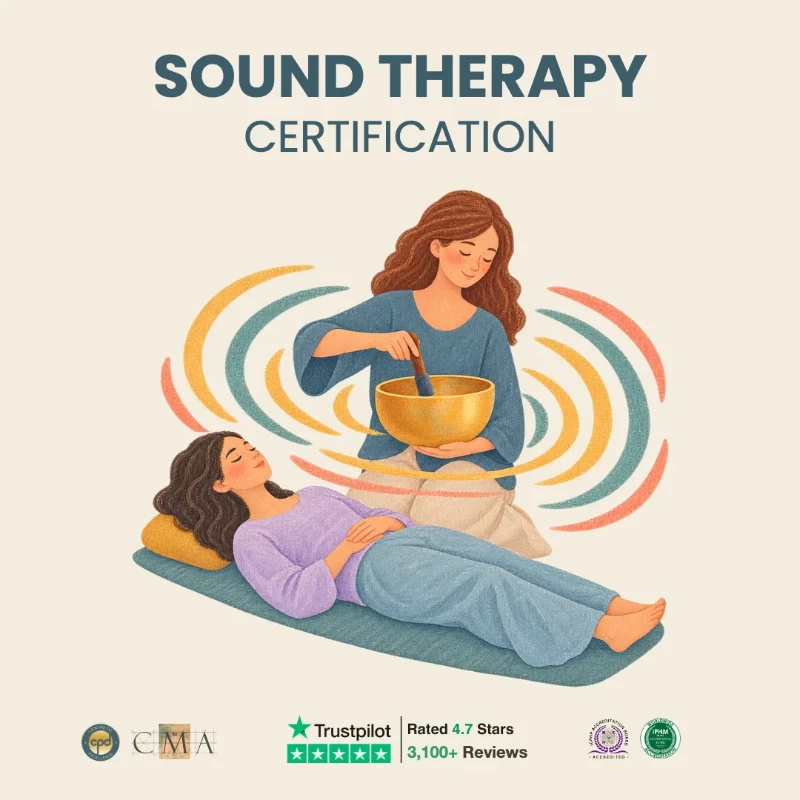
Build safer, better-structured sessions with the Sound Therapy Certification, grounded in consent, pacing, and sound design.
Explore Sound Therapy →