Many facilitators can lead a powerful single ceremony. The follow-on often looks different. Two weeks later, the participant feels unmoored, old roles still claim them, and the circle doesn’t yet know what has shifted. Integration questions land in your inbox, and you can sense the ritual did its job, but the container didn’t carry far enough into daily life.
A steadier approach is to treat passage as a 12-week process rather than a one-night event. When separation, threshold, and return have time to unfold, people can absorb identity change, practice it in ordinary life, and be recognized by others in ways that help the shift endure.
Key Takeaway: A 12-week, process-based rite of passage can create more durable identity change by spreading separation, threshold, and return across time and community. With a clear arc, a repeatable weekly rhythm, careful holding through the liminal middle, and meaningful community witnessing at the end, the work becomes easier to integrate and more likely to last.
How to Map the Rite-of-Passage Arc Across 12 Weeks
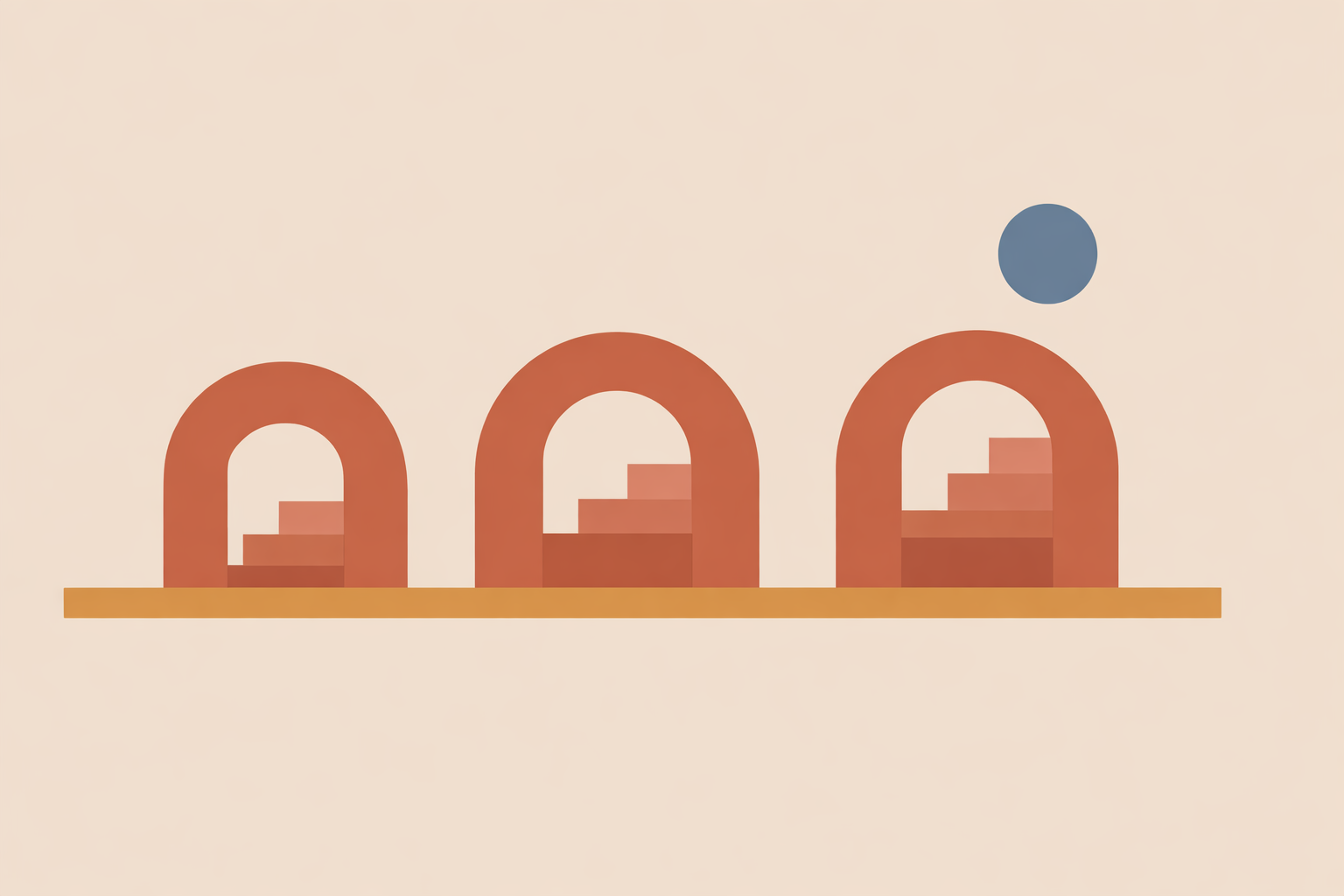
A clean map is three phases of four weeks each: severance, threshold, and return.
It’s easy to hold and easy for a group to feel. It also supports identity consolidation by clarifying what’s ending, what’s being reshaped, and what responsibilities are emerging.
- Weeks 1-4: Severance
Name what is ending. Work with release, completion, truth-telling, and conscious closure. This phase can include journaling, altar work, closing letters, gentle purification rituals, and relationship inventory. - Weeks 5-8: Threshold
Enter the liminal middle. This is where certainty loosens, familiar roles soften, and deeper listening becomes possible. Practices here may include silence, nature time, archetypal imagery, shadow reflection, lineage inquiry, and carefully paced challenge. - Weeks 9-12: Return
Bring the shift back into community life. Focus on vows, role clarity, visible action, and witnessing. This phase turns inner insight into embodied participation.
Clear markers make the arc easier to trust. Open week 1 by naming what the group is leaving behind. Mark week 5 with a visible threshold act, such as stepping over a cord, crossing a doorway, or entering circle in silence. Mark week 9 with a return symbol: a thread, a blessing, a spoken name, or a role named aloud.
Keep the design simple enough to be real. A rite doesn’t need theatrical complexity. It needs coherence.
Design a Weekly Spine That Repeats
Transformation deepens through rhythm. A weekly spine is what makes the rite feel steady and doable.
A simple structure works well: open, ground, practice, reflect, close. Repetition reduces friction, helps participants settle faster, and gives the work continuity from week to week.
A weekly session might look like this:
- Opening: arrive, breathe, name intention in one sentence
- Grounding: orient to the room, feel the feet, soften the breath
- Practice: guided visualization, movement, ritual act, silence, or nature-based exercise
- Reflection: journaling, paired listening, or circle sharing
- Closing: gratitude, a phrase to carry home, and one clear home practice
Structured rituals, especially when tied to a specific time and place, can create heightened awareness around periods of uncertainty or change. A repeating weekly form helps attention gather, so the passage feels more legible.
Between sessions, keep home practices modest so they actually happen. One micro-practice and one mini-practice are usually enough.
- Micro-practice: 30 to 60 seconds, such as hands to heart, a whispered vow, or one conscious breath before sleep
- Mini-practice: 5 to 10 minutes, such as a sit spot, a moon check-in, or a short journal reflection
If your work includes womb-centered or feminine spirituality themes, offer them as invitations, never assumptions. Pelvic awareness, devotional gesture, cycle reflection, and altar work can be meaningful when held with consent, inclusivity, and cultural care, especially within women's health coaching.
Holding the Liminal Middle With Care
The middle is where the rite becomes real, and it’s also where people can feel most unsettled.
Liminality is often described as ambiguous and unsettling. In a group, that can show up as tenderness, uncertainty, or a sense of emotional openness. This is part of the threshold, and it deserves steady, respectful holding.
A clear frame helps. Ritual structure can offer a controlled context for meeting difficult feelings rather than being overtaken by them. Reliable openings and closings, group agreements, pacing, and predictable facilitation create that steadiness.
During these middle weeks:
- name the phase clearly so participants know where they are
- keep choice visible in every practice
- build intensity gradually rather than all at once
- include grounding before and after evocative work
- favor integration over drama
Many somatic practitioners work with titration: small increments, plenty of choice, and gradual deepening over time. This is dependable facilitation wisdom. It helps participants build capacity and stay connected to their own agency.
Repeated ritual participation, especially when witnessed by others, can support emotional regulation as well as connection. The container matters because the work is relational, not just personal.
A helpful facilitation tone stays plain and direct: you can pause, slow down, or change the practice at any time. That language builds trust.
Weaving Lunar, Seasonal, and Land-Based Awareness Into the Journey
Cycles can hold a rite gently. They should guide, not constrain.
Many contemporary passage journeys align with moon phases, seasonal shifts, or land-based observances. In traditional practice, these rhythms offer beauty and timing, and they help participants feel held by something older and wider than personal preference.
Relationship with land and seasonal awareness are foundational in eco-spiritual work. They can deepen belonging, soften self-absorption, and remind participants that change is ecological and communal as well as personal.
You might, for example:
- begin severance near a new moon and work with release through the waning phase
- place the liminal midpoint near a full moon, when visibility and intensity are naturally heightened
- use the return phase to coincide with a seasonal threshold, such as an equinox or solstice
The calendar matters less than coherence. If you choose a cycle, stay with it long enough for it to teach something.
For menstrual awareness, use inclusive language. Invite anyone who tracks a bodily cycle to notice energy, mood, and inner weather. Invite everyone else to follow another repeating rhythm: sleep, creativity, social energy, grief waves, or weekly rise-and-fall patterns.
Simple land-based practices often go furthest:
- return to the same outdoor place each week
- collect one natural symbol for the altar from your local environment, respectfully
- note weather, birdlife, or light changes as part of reflection
- close the journey by planting something or making an offering appropriate to your place and lineage
Why Community Witnessing Matters in the Return Phase
A rite settles more deeply when someone else can say, “Yes, I see the change.”
Rites of passage have always had a public dimension. Community recognition helps status changes endure because the new role isn’t held in isolation. Others are asked to witness it, remember it, and relate to the person accordingly.
This doesn’t require a large ceremony. Even modest, well-held rituals can strengthen belonging during periods of life change. What matters is that the shift is named, seen, and welcomed.
A simple week-12 witnessing can include three movements:
- Crossing: a visible act of passage, such as walking through a threshold or being welcomed into the circle again
- Vow: a short statement naming the person’s commitment, role, or way of returning
- Blessing: witnesses reflect back one gift they see and one support they offer
Keep witness language concise and non-invasive. Reflection should be resonant rather than interpretive. The task is to mirror what has become visible.
This is also where ethics need to be especially clear. Be explicit about what may be shared outside the circle, what may be photographed, and what remains private. Avoid borrowing closed cultural forms. Universal ritual elements such as silence, song from within your own lineage, candles, water, threads, doors, stones, and spoken vows are more than enough.
Keeping the Return Alive After Week 12
The return phase isn’t a formality. It’s where the rite proves itself in ordinary life.
Follow-through keeps the passage breathing after the closing ritual. In long-standing traditions, returning always includes ongoing accountability to what was named, and light contact after the journey helps people stay in relationship with their commitments.
You can support that by planning a few continuation points:
- a 30-day check-in
- a 90-day seasonal review
- a peer witness or buddy relationship
- a letter written during the rite and revisited later
- one visible action that embodies the new role
More broadly, ongoing follow-up after intensive experiences is linked with better long-term engagement than a single isolated episode. In rite work, that principle translates cleanly: the return needs tending.
Keep this stage gentle. A follow-up doesn’t need to recreate the whole journey. It only needs to reopen the thread and ask what’s still living, and what support is needed now.
Bring the Rite Down to Earth
If you’re sketching your own 12-week passage, start small and build from what you can hold well, whether you're shaping a group arc, a session map, or a broader sacred feminine healing practitioner certification pathway.
- name the threshold being served
- map three four-week phases
- choose one clear marker for each transition
- build a weekly spine you can repeat without strain
- plan one form of witnessing for the return
- add one or two follow-through touchpoints after the close
The heart of the work isn’t complexity. It’s coherence. When people know what is ending, what they are crossing, and how they will return, the rite becomes easier to inhabit.
Done well, a 12-week rite of passage offers more than inspiration. It gives change rhythm, relationship, and form, so a sacred threshold can keep shaping everyday life long after the final circle closes.
Explore Sacred Feminine Healing
Deepen your facilitation with the Sacred Feminine Healing Practitioner Certification.
Explore Sacred Feminine Healing →