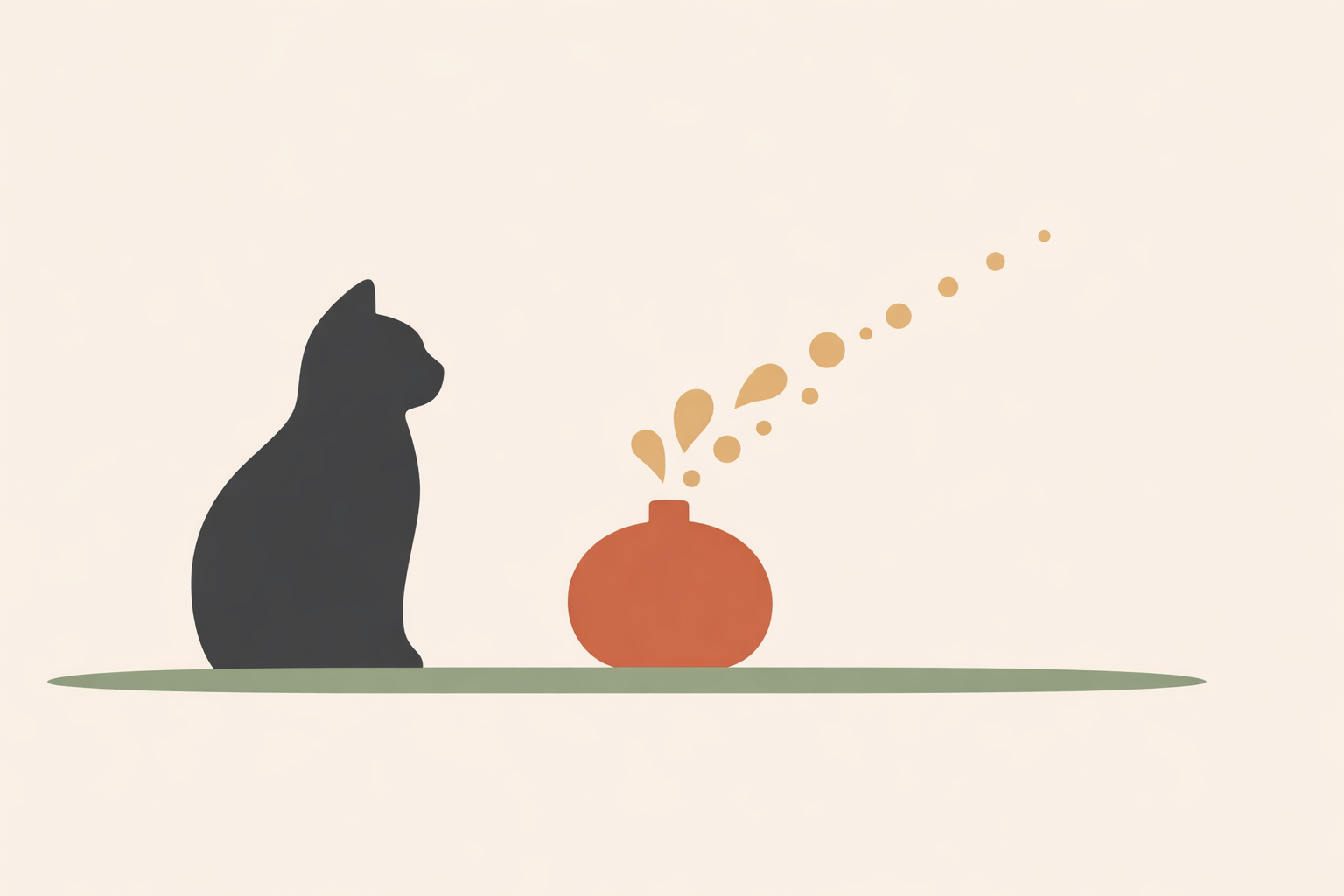
Most animal-care practitioners learn the same lesson sooner or later: what seems mild to a person can feel overwhelming to an animal at nose level. A single diffuser drop can fill a grooming room fast. A “light” coat mist can turn into an unintended lick-and-ingest situation. Add inconsistent labeling, poor storage, and big species differences, and “gentle” stops being a simple category.
Key Takeaway: Hydrosols can be a steadier daily option in animal aromatherapy because they are lower-intensity than concentrated essential oils, but they still call for careful judgment. The most reliable practice is to choose simple, well-labeled hydrosols, keep exposure small, prioritize ventilation and animal choice, and adapt everything by species. For many sensitive animals—especially cats and birds—the safest baseline is still clean, unscented space.
Why many practitioners reach for hydrosols first
In everyday practice, hydrosols are often the first choice because they make it easier to stay conservative. These aromatic waters come from distillation, and their softer scent profile helps practitioners notice an animal’s feedback early, before exposure becomes too much.
This approach also matches a long traditional principle: start with the simplest preparation, especially for more vulnerable beings. With animals, that usually means fewer variables, lighter inputs, and less sensory pressure.
Hydrosols also deserve to be treated as their own materials. They contain water-soluble plant constituents alongside small amounts of aromatic compounds, and composition varies by plant, plant part, distillation method, and handling after distillation. That variability is exactly why careful selection and conservative use matter.
The advantage is clear: hydrosols support a measured style of aromatic care where “less” is the default setting.
What hydrosols really are
A hydrosol is the water phase of distillation, with a profile shaped by how the plant was processed. Two hydrosols with the same common name can still differ meaningfully by producer, batch, or plant part.
They can also be more active than people assume. Research on plant distillates shows hydrosols can retain measurable activity even at low intensity. In animal work, that’s a reminder to avoid treating “hydrosol” as a blanket safety promise.
So work from the actual bottle in your hand. A useful label includes the botanical name, plant part, batch details, and storage guidance. A vague “lavender water” leaves you guessing, and guessing is not a good standard around animals.
Safer does not mean risk-free
Hydrosols are gentler than concentrated oils, but they still deserve respect. Sensitive skin and airways can react, and water-based products can degrade or become contaminated when handled poorly.
Plant choice matters too. In veterinary guidance, botanicals such as tea tree and pennyroyal are linked with serious concerns in concentrated aromatic products, and safety cannot be assumed across forms or species. A hydrosol from a high-concern plant may still call for very high caution, and often it’s simply not worth using for routine support.
Route of exposure matters just as much as the product. What lands on coat or skin can be inhaled, absorbed, or licked. As a working rule, choose the lightest effective route: air before fabric, fabric before body, and body only with a clear reason.
Species-aware hydrosol practice
Animals don’t experience scent the way humans do, and they also process aromatic compounds differently. Skilled practice starts by treating species differences as the foundation, not an afterthought.
Dogs and cats. Dogs and cats can both react poorly to aromatic exposure through skin contact or inhalation. Veterinary toxicology notes that both routes can be problematic. Cats need extra restraint: they are considered more sensitive to some compounds, and their thorough grooming turns coat contact into oral exposure quickly.
Many experienced practitioners keep cat support largely unscented unless there’s a strong rationale, excellent product transparency, and very conservative use. As a baseline, unscented management is often the safest default.
Horses. Horses often do best with simple external use kept away from the face and nostrils. A conservative rinse or carefully chosen fabric-based exposure is usually more appropriate than anything near the head. Size does not justify heavier use; the principle is still restraint.
Birds. Birds most clearly show that “gentle” is relative. Their respiratory systems are highly sensitive, and veterinary guidance warns that airborne exposure can be especially dangerous. In bird spaces, unscented air is the safer standard.
Small mammals. Rabbits, guinea pigs, ferrets, and similar companions live close to bedding and enclosed surfaces, so scent can linger in ways people underestimate. If hydrosols are used at all, prioritize distance, ventilation, and the animal’s ability to move away rather than direct scenting.
A simple decision filter before any spray
When in doubt, slow down. A short decision filter keeps aromatic choices consistent and easy to justify.
- Identify the species, age, and general sensitivity of the animal.
- Set a modest well-being intention, not a dramatic promise.
- Choose a single-plant hydrosol before any blend.
- Check the label for botanical name, batch, plant part, and storage guidance.
- Choose the least invasive route.
- Make sure the animal can leave the area freely.
- Use the smallest amount possible.
- Observe before repeating.
- Document what you used and how the animal responded.
If you’re unsure whether to use a hydrosol, that hesitation is useful information. Often the better move is to pause, improve comfort through non-scented changes, and reassess later.
Choosing and storing hydrosols well
Quality and handling make a bigger difference than most people expect. Because hydrosols are water-based, poor storage can quickly turn a “gentle” product into one that’s unsuitable around animals.
Look for:
- Full botanical name
- Plant part used
- Production method
- Batch number
- Best-before or open-date guidance
- Clear storage instructions
- A plainly stated preservation approach, if applicable
Red flags include labels that say only “fragrance,” “perfume,” or “aromatic water,” or products that lean on vague quality language without traceability. In animal work, mystery products create avoidable risk, especially when the difference between essential oils and fragrance oils is unclear.
Good storage habits are straightforward:
- Buy sizes you can finish reasonably quickly.
- Mark the date you opened the bottle.
- Store cool and out of direct light.
- Keep sprayers clean.
- Discard anything that smells off, looks cloudy, or feels altered.
Gentle ways to use hydrosols in practice
Sequence matters. Start with the lightest route, then move closer only when there’s a clear reason and the animal stays comfortable.
Room misting. This is often the most balanced starting point. One light mist into a well-ventilated space is usually enough for an initial trial, with the animal always free to leave.
Fabrics and bedding. Fabrics hold scent longer than most people expect. Use very little, let items dry fully before reintroducing them, and keep an unscented option nearby so the animal can choose.
Coat applications. These are more intimate and often unnecessary. Because grooming can turn coat exposure into oral exposure, especially with cats, keep coat use rare and conservative. If the animal immediately grooms, shakes, avoids touch, or leaves, treat that as clear feedback and stop.
Soaks and rinses. Paw or hoof soaks can still leave residue and introduce handling stress. Keep them brief, light, and practical, then dry surfaces well afterward to reduce lingering contact.
Closing perspective
Hydrosols can support a thoughtful style of animal aromatherapy: lighter, slower, and guided by the individual animal’s response. For many practitioners, that makes them a sensible day-to-day option within broader animal wellness practice.
It’s also wise to keep standards high. Evidence for specific hydrosol outcomes in animals is still developing, while much of excellent practice comes from careful observation, traditional plant knowledge, and a steady respect for species differences.
The strongest foundation remains the basics: clean water, suitable food, movement, enrichment, grooming, safe housing, rest, hygiene, and timely professional support when needed. Within that wider picture, hydrosols can fit well when chosen carefully, used sparingly, and stopped promptly if an animal shows discomfort.
Explore Animal Aromatherapy Certification
Build species-aware aromatic care skills with the Animal Aromatherapy Certification, grounded in conservative, observation-led practice.
Explore Animal Aromatherapy →