A first-session conversation often begins with a clear request: “Use hypnosis for my sugar cravings,” or “Teach me meditation for my stress.” The real work is choosing the kind of support that fits the person in front of you, their capacity, and the pace of change they can actually sustain.
Key Takeaway: Hypnosis and meditation can both support well-being, but they serve different roles. In practice, hypnosis is usually the better fit for focused, suggestion-based shifts around a specific habit, belief, or trigger. Meditation is often the stronger foundation when someone needs steadiness, daily regulation, and a practice that builds over time. The clearest client journeys come from matching the method to the goal, then sequencing both thoughtfully when useful.
Why the hypnosis vs meditation choice matters in client work
Choosing between hypnosis and meditation shapes the whole structure of the work: how quickly change is felt, how much between-session practice is needed, and what progress looks like over time.
Many clients arrive attached to a method by name. Sometimes that preference reflects genuine self-knowledge. Sometimes it’s simply the language they’ve absorbed from social media, podcasts, or past experiences. Either way, the practitioner’s job is to look beneath the label and ask what kind of support is actually needed first.
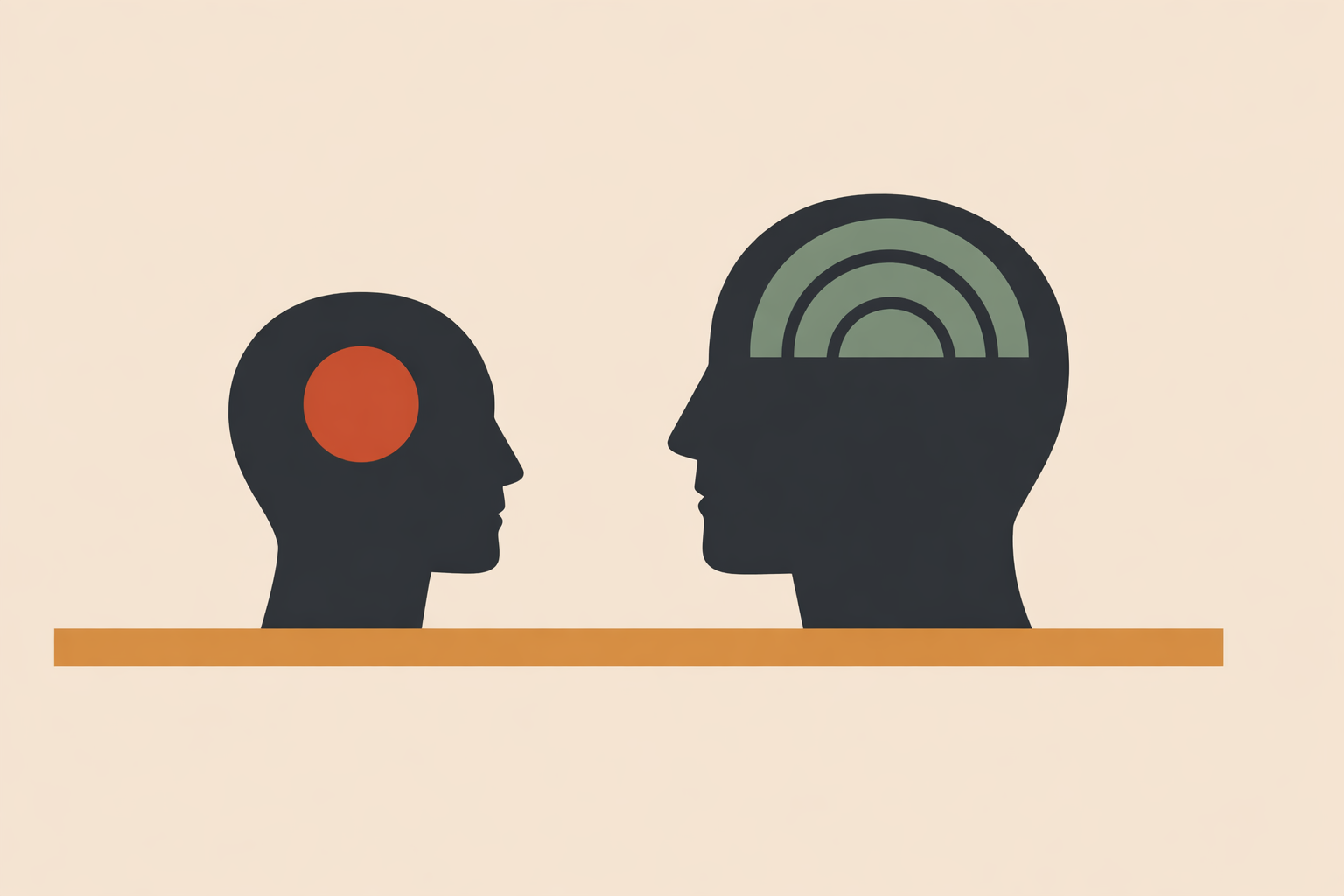
Structurally, the approaches are built differently. Hypnosis is often best described as targeted intervention, while meditation is commonly a daily, self-directed training. Both can alter attention and shift arousal in ways practitioners recognize quickly in real sessions.
Once that difference is clear, decisions get simpler. Hypnosis tends to work well when precision matters. Meditation tends to work well when stability is the priority. Fit matters more than popularity.
How hypnosis and meditation differ in practice
Although both approaches work with attention, they train it in different directions.
Hypnosis is typically guided toward a defined outcome. The practitioner narrows focus, shapes imagery, and uses carefully chosen language to support a specific shift. This makes it a strong choice when someone wants help with one clear pattern: a recurring habit, a familiar trigger, or a belief that keeps resurfacing.
Meditation is usually about cultivating capacity through repetition. The emphasis is on noticing, returning, and building steadiness over time. Rather than aiming for one specific internal response, it strengthens observation, regulation, and presence.
In simple terms:
- Hypnosis helps direct the mind toward a chosen shift.
- Meditation helps train the mind to stay steady with experience.
That single distinction affects pacing, homework, and what “progress” looks like for the client.
When hypnosis is the better fit
Hypnosis is often the best choice when the goal is focused and practical: a habit to interrupt, a belief to update, or a specific response to rehearse.
This is where suggestion-based work shines. Research describes hypnosis as a procedure where direct change can be supported through verbal suggestion influencing perception, emotion, and behavior. In practice, that often means helping someone build a new inner pathway before they meet the real-world trigger again.
Common strong fits for hypnosis include:
- habit interruption, such as nail-biting or late-night snacking
- belief updating, especially around confidence or self-trust
- performance preparation for interviews, public speaking, or important conversations
- rehearsing a steadier response to a predictable trigger
Many practitioners lean on structured scripts here, especially when precision matters. A deliberate script can keep suggestions aligned with the client’s goal and reduce drift.
For example, if someone reliably tightens before presenting, hypnosis can support a clearer rehearsal: steady breath, relaxed jaw, grounded voice, and a confident opening line. That kind of focused practice is often where hypnosis earns its place.
When meditation is the stronger foundation
Meditation is usually the better first step when the client needs a steadier baseline more than one precise shift.
This often applies when someone feels overloaded, emotionally reactive, scattered, or worn down by constant pressure. In those moments, daily practice supports the rhythm of real life: returning to center again and again, not only when things are already going wrong.
In practice, meditation is often especially supportive for:
- stress reactivity across the day
- mood fluctuation
- diffuse anxiety or restlessness
- sleep disruption linked to pressure and mental overactivation
Many practitioners observe a familiar arc: meditation doesn’t always create a dramatic “before and after” moment, but it gradually changes how someone meets ordinary life. Over time, people notice earlier self-awareness, fewer spirals, and more ability to pause before reacting.
This is why meditation often becomes the foundation rather than the headline. It builds steadiness through repetition.
How to decide which one to use first
The most useful question is: what does this person need right now?
Several practical clues can guide that decision.
- Choose hypnosis first when the client wants support with one clear pattern, responds well to guided imagery, and wants a more directed process.
- Choose meditation first when the client needs a broader base of steadiness, is open to daily practice, and would benefit from ongoing self-observation.
- Blend both when the person needs traction on one issue and a sustainable way to support themselves between sessions.
Attention style matters as much as the presenting goal. Some people settle easily into guided language and focused imagery. Others do better with simple, repeatable daily practices that don’t rely on strong imagination. There’s no hierarchy, only matching form to person.
For clients with ADHD-style attention, long silent practice is often a rough starting point. Many do better with external guidance, variety, and shorter segments. In those cases, hypnosis or brief guided meditative practices can be a more accessible doorway than extended stillness.
When extra care is needed
Both hypnosis and meditation can be deeply supportive, and both deserve discernment.
Some people find inwardly focused meditation uncomfortable rather than settling, especially when breath, heartbeat, or body sensations already feel charged. Reviews of meditation-related difficulties note that anxiety and panic can arise for a notable minority, particularly when attention turns intensely toward internal sensations.
In those cases, beginning with gentler, externally oriented guidance is often skillful. Imagery, grounding through sound or visual anchors, or a more structured hypnotherapy and NLP process can create stability before introducing deeper body awareness.
Hypnosis also carries emotional intensity for some people. In certain cases, it can trigger strong emotions. That’s a cue for careful pacing and clear agreements about scope.
Skilled practice keeps the aim practical: useful change that feels well-held.
Sequencing hypnosis and meditation in a client journey
In real client work, the strongest results often come from using both approaches at different stages.
A common sequence is hypnosis first, meditation second. This works well when the client needs early momentum. A focused hypnosis session can create traction around a specific issue, and meditation then helps stabilize and reinforce the shift through daily practice.
Another sequence is meditation first, hypnosis second. This can fit better when the landscape is still unclear. A few weeks of regular meditation often makes patterns, beliefs, and triggers easier to spot, and hypnosis then becomes more precise.
Both paths can work well.
For example:
- Hypnosis first: support a sleep routine, calm a specific trigger, or interrupt a habit; then add a short evening meditation for consistency.
- Meditation first: build awareness around work stress or self-doubt for a few weeks; then use hypnosis to reshape the repeating internal script that emerges.
The key is to keep the roles distinct so each method can do what it does best.
A clear practitioner stance
Hypnosis and meditation both belong to longstanding traditions of inner practice. One tends to be more directive, the other more observational. One often supports targeted shifts, the other longer-term steadiness, and together they make a strong pairing.
A grounded approach is simple:
- match the method to the immediate goal
- respect the client’s preferences without being ruled by them
- explain the process clearly before beginning
- pace the work carefully, especially with inwardly intense practices
- stay within your scope and keep the person’s dignity at the center
If the client needs a specific shift, start with hypnotherapy. If they need a stronger daily base, start with meditation. If they need both, sequence them with care.
That’s what skillful practice looks like: choosing the approach that genuinely fits the person, and delivering it with steadiness and respect.
Master Professional Hypnotherapy
Build confidence choosing hypnosis interventions with the Professional Hypnotherapy Certification.
Explore Professional Hypnotherapy →