Most coaches see the same early crossroads with new weight-loss clients: motivation is high, capacity is low. Joints feel sensitive, sleep is patchy, and a packed schedule makes an ambitious gym plan hard to sustain.
Walking is often the best opening move. It’s familiar, easy to scale, and realistic in busy lives. Done with intention, it builds consistency, increases weekly movement, and supports gradual shifts in body composition. It also buys you time to steady meals, routines, and follow-through without overwhelming the client.
Key Takeaway: Walking can be a primary weight-loss lever for beginners when it is programmed with enough weekly volume, a brisk-but-manageable pace, and simple food consistency. It works best as a foundation: easy to begin, adaptable to real life, and strong enough to create change over time. It falls short when expectations are too aggressive, baseline activity is already high, or clients compensate elsewhere. Good coaching is knowing the difference.
Why walking works so well for beginners
Walking lowers friction. Clients don’t need special equipment, advanced coordination, or a major schedule overhaul. They can start from where they are and build quickly.
It’s also joint-friendly, which matters when someone is returning to movement after a long break. A gentler start usually brings fewer flare-ups and better follow-through.
Just as importantly, walking fits real life. It slides into commutes, errands, lunch breaks, school runs, and evening resets, which helps it become a habit faster than plans that require perfect conditions.
That consistency creates early wins. Once a client starts thinking of themselves as someone who moves regularly, you can build the next layer with far less resistance.
- Concrete starter: “For this first week, walk 10 minutes after lunch and dinner, five days this week.”
- Confidence cue: If the client can still talk in full sentences, the pace is usually sustainable enough to build capacity.
What walking can realistically do for weight loss
Walking supports weight loss best when expectations are clear. On its own, it usually creates gradual change, and that slower pace is often what makes the habit stick.
Evidence summaries show brisk walking can reduce weight and improve measures like waist circumference when it’s done consistently. Many clients notice changes in their waist or how clothes fit before the scale shifts much.
That’s a useful coaching moment. Better sleep, steadier routines, and a loosening waistband are strong signs the plan is working, even when weekly weigh-ins feel quiet.
In practice, clearer body-composition shifts often show up when clients build toward 45–60 minutes of brisk walking on most days. The pattern is consistent: enough weekly volume changes the picture.
- Client reframe: “The scale is one signal. Your waist, energy, and consistency are signals too.”
- Useful threshold: Around three hours of brisk walking per week is often where clearer change begins to show.
How much walking is usually enough
Walking becomes far more effective when it’s dosed. Minutes, pace, and a simple progression matter more than vague encouragement to “walk more.”
For general well-being, 150 minutes per week is a strong starting point. For weight-loss maintenance, many adults benefit from 300+ minutes of moderate activity per week. In coaching terms, that often means building from short daily walks toward 45–60 minutes most days.
Steps can be a helpful guidepost too. Many adults see clearer patterns around 8,000–10,000 steps a day, though few need to start there.
Keep intensity moderate for beginners. The talk test works well: breathing should be deeper, but conversation stays comfortable. That matches the moderate-effort cue of being able to talk while moving.
- Start point: 10 to 15 minutes on most days.
- Short-term goal: Build toward 30 minutes, five days a week.
- Longer-term goal: Progress toward 45 to 60 minutes on most days if weight change is a central aim.
When walking alone is enough
Walking can carry a beginner plan when three basics are in place: enough weekly minutes, a brisk-enough pace, and food habits that don’t erase the extra movement.
This is why walking-first programs suit clients who are sedentary, low-confidence, or coming back from a long break. They don’t need complexity early on. They need repeatability.
Supportive meal structure strengthens results. Walking builds momentum; predictable meals make visible changes easier. That can be straightforward coaching: regular mealtimes, adequate protein, and fewer impulsive extras.
- Example progression: Weeks 1 to 4 at 150 minutes per week.
- Then build: Weeks 5 to 8 toward 220 minutes.
- Then refine: Weeks 9 to 12 toward 280 to 300 minutes, if the client is coping well.
For many beginners, that combination is enough for steady, meaningful change.
When walking starts to fall short
Walking has limits, and plateaus usually come from the context around it. Clients often compensate without noticing: eating a bit more, moving less the rest of the day, or assuming the walk “covers” choices that keep progress stuck.
It can also fall short when a client already has a high baseline step count. If they’re already walking a lot, adding a small amount more may not create a noticeable shift.
Timelines matter too. If a client wants rapid change, slow strolling rarely matches the goal. Speed makes a difference: research comparing speeds suggests faster walking tends to produce better body-composition changes than slower walking.
- Plateau clue: The client is hitting their walks but progress has flattened for several weeks.
- Context clue: Hunger, snacking, or “earned it” thinking has increased.
- Programming clue: Their walking volume is still modest relative to their goal.
When that happens, walking stays as the base, and the plan gets more precise around it.
How to build a walking-first plan that actually progresses
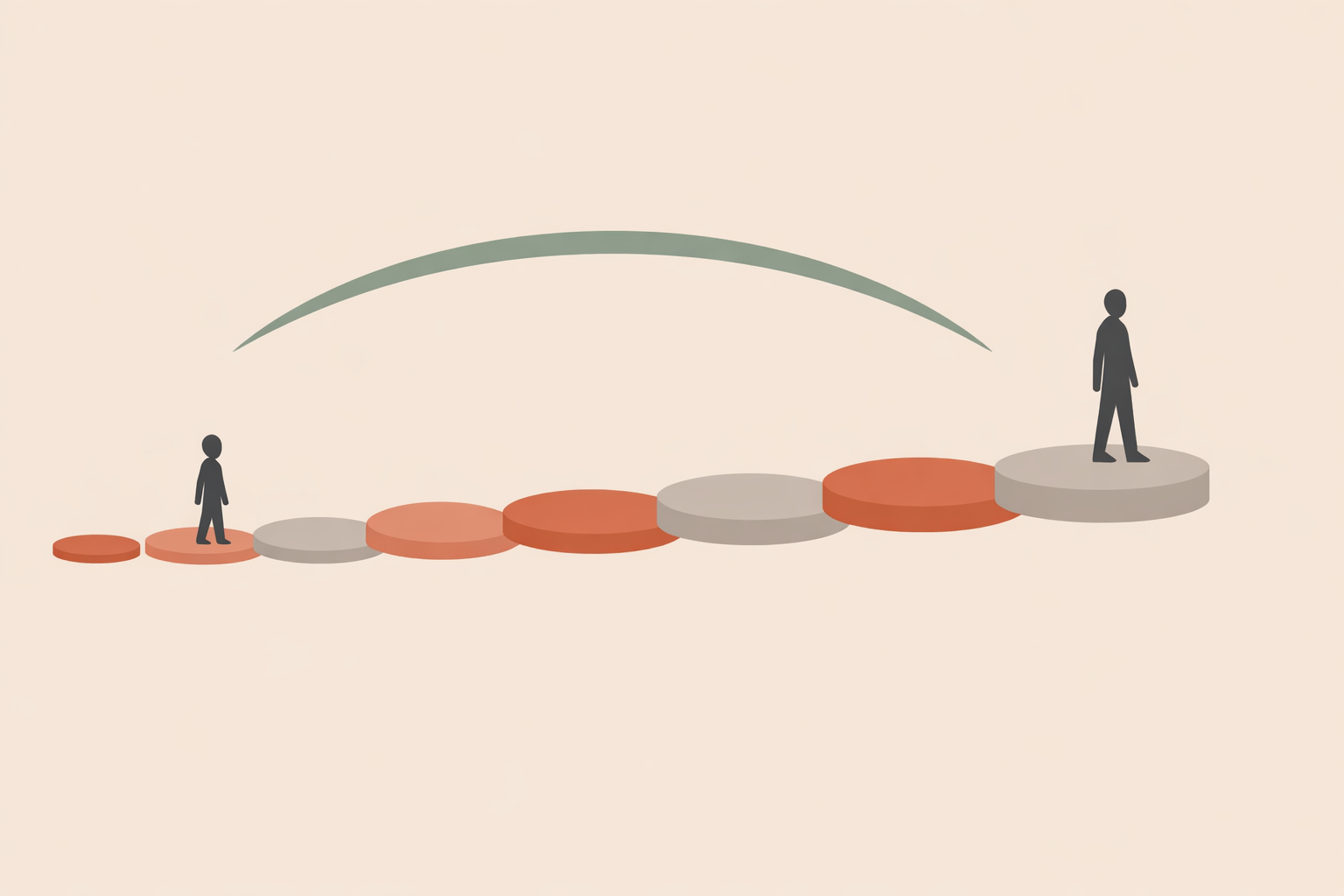
Beginners do best with a structure that feels doable and builds momentum: start short, repeat often, then add challenge gradually.
A practical framework is to begin with 10–15 minutes most days, then build toward 30–60 minutes over time. Many beginner guides recommend starting with 10 minutes and increasing bit by bit, which works well because it’s achievable from day one.
Once the base is steady, progress one lever at a time:
- Add minutes before adding intensity.
- Add one longer walk each week.
- Use the talk test to keep the pace honest.
- Introduce short brisk segments after consistency is established.
- Add hills or incline later for clients who want a stronger stimulus.
Hills and incline are classic tools because they raise demand without turning the session into an impact-heavy experience. They also keep familiar routes interesting.
Here is a clean 8-week structure:
- Weeks 1–2: 15 minutes, 5 to 6 days per week.
- Weeks 3–4: 25 to 30 minutes, 5 days per week.
- Weeks 5–6: 35 to 40 minutes, 5 to 6 days per week.
- Weeks 7–8: 45 to 55 minutes, 5 to 6 days per week.
From there, you can layer brisk intervals, hills, or a complementary strength session when the client is ready and the goal calls for it.
Why walking habits last when they mean something
Walking lasts partly because it’s practical, but it also lasts when it carries meaning. When people link walking to place, season, reflection, or community, consistency often becomes easier.
Traditional wisdom has long understood this. Walking was woven into daily life, not separated out as a special task. When clients reconnect with that mindset, the habit tends to feel more natural and less like a performance.
Keep it simple in coaching: encourage a sunrise walk, an after-meal loop, a phone-free route, or a weekly walk with a friend. Invite clients to notice breath, rhythm, and surroundings. For many people, the outdoors makes the practice feel alive, which supports long-term adherence.
- Micro-ritual: Pause before the walk and take one slow breath.
- Meaning cue: Choose a route that feels calming, beautiful, or grounding.
- Community idea: Create a weekly walk that is shared, consistent, and screen-free.
When walking becomes part of identity, it tends to stick.
Conclusion: Is walking enough for weight loss?
For many beginners, yes. Walking can be enough when the goal is steady, sustainable change and the plan includes sufficient weekly volume, a purposeful pace, and supportive food habits.
It’s especially strong as a foundation. It builds confidence, fits real life, and creates the consistency that makes every other coaching skill easier to apply. For long-term weight stability, many adults do well around 60 minutes of moderate activity on most days, much of it walking.
Where walking tends to fall short is usually a mismatch: an aggressive timeline, hidden compensation, or a client who has outgrown a beginner dose. Keep walking as the anchor and adjust the surrounding plan—pace, volume, meals, and recovery—to match the goal.
Cautions are straightforward: increase volume gradually, use supportive footwear, respect joint signals, and encourage clients to seek appropriate professional guidance for persistent pain or complex health concerns. With that in place, a walking-first approach remains one of the most dependable paths to better energy, better follow-through, and lasting well-being.
Coach Weight Loss Confidently
Apply these walking-first principles in the Fitness and Weight Loss Coach Certification for sustainable client progress.
Explore Fitness and Weight Loss →