Life transitions often show up in session as stalled momentum and scattered notes. Roles, routines, and relationships have shifted, and even basic planning can feel like guessing. What usually helps first is orientation: a clear place to name what changed, what remains, and what can be chosen now. Paper-based journaling maps do that well, giving emotion somewhere to land while making room for the next realistic step.
Key Takeaway: In transition work, repeatable journaling maps can turn disorientation into oriented action. Present-focused formats help clients name what is happening now, locate support, reconnect with continuity, and choose one manageable next move. From there, agency, identity, and future direction become easier to explore with steadier pacing and clearer boundaries.
From Overwhelm to Orientation: A Repeatable Journaling Rhythm
When someone is overwhelmed, repeatable rhythm often helps more than a one-off insight. A structure many practitioners return to is Notice → Name → Map → Choose → Move → Review. It’s easy to learn, easy to reuse, and it keeps the work humane.
- Notice: Write down what has tangibly changed.
- Name: Identify the emotions, tensions, or mixed feelings present.
- Map: Sort the experience into a few clear areas, such as self, relationships, time, home, or work.
- Choose: Decide which area needs attention first.
- Move: Name one small action that feels realistic.
- Review: Come back to what shifted, what was learned, and what needs revising.
This rhythm keeps reflection and action together. It allows a person’s words to catch up with their life, without demanding instant solutions. It also keeps the practitioner’s role clean: offer structure and pacing, listen carefully, and support choice.
Present-Focused Maps That Steady the Ground
When transition is fresh, present-focused maps usually land better than big future planning. They reduce swirl, create orientation, and make support easier to see.
A reliable starting sequence is: what is happening now, what support is available, and what one next step is possible. This present-day focus aligns with guidance on present-day coping, especially when someone feels stretched or flooded.
Three formats are especially dependable:
- Before–During–After: Three boxes. “Before” holds what the person is leaving, “During” holds the uncertainty, and “After” holds what is beginning to emerge. Giving the in-between phase a place on the page often brings immediate relief.
- Then–Now–Next: A compact structure that keeps context, current reality, and one manageable next move in view.
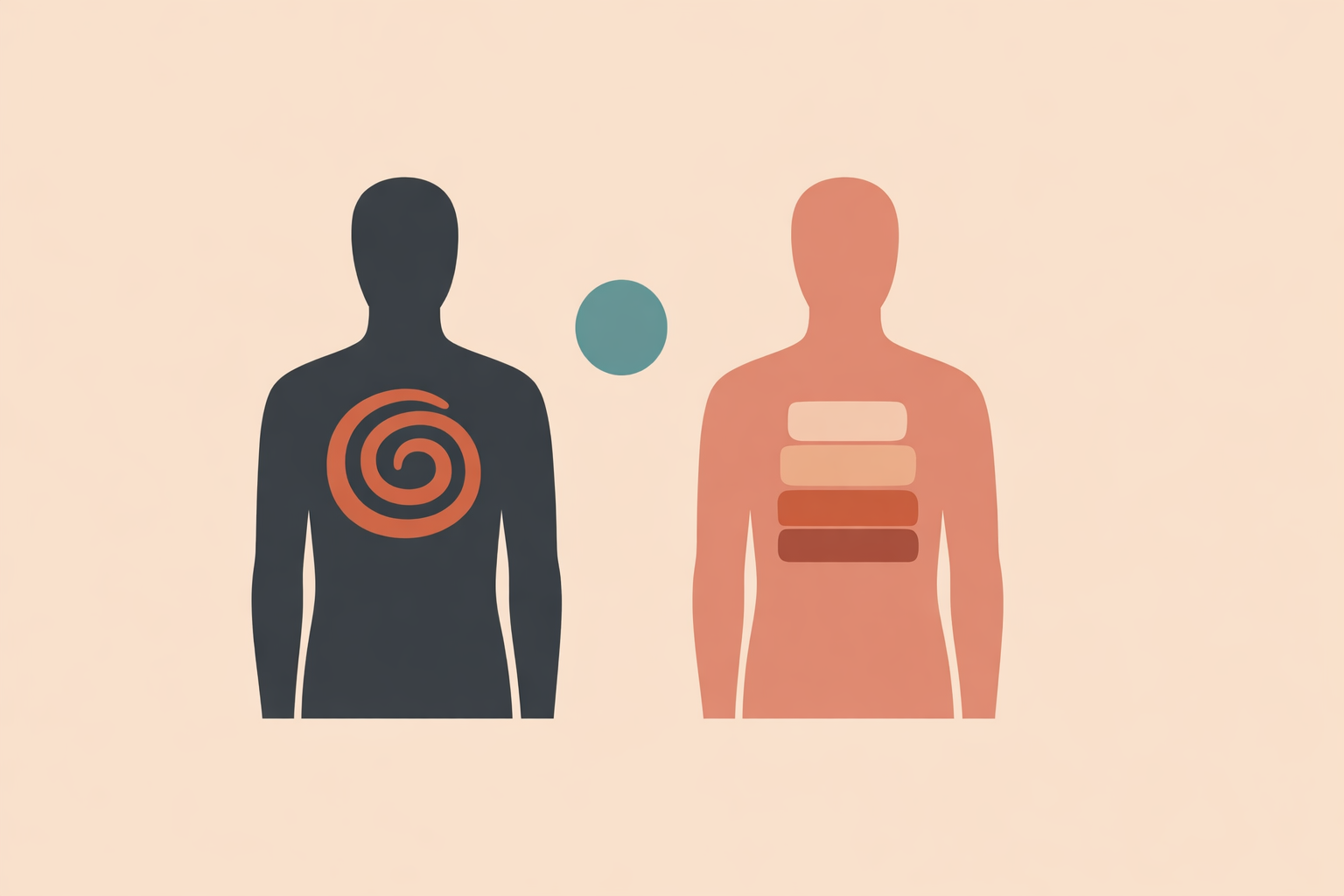
- Continuity-and-Change: Two columns: “What is changing?” and “What remains part of me?” This helps someone stay tethered to themselves while circumstances shift.
When grief is active, a Loss-and-Resource map can be grounding. On one side: what is missing, disrupted, or being mourned. On the other: people, places, skills, values, memories, or practices that still offer support. The naming itself often opens space for emotion, and writing can support emotional expression in a contained way.
These pages are simple, but they aren’t shallow. They echo older ways of marking thresholds: naming what has ended, honoring what remains, and staying connected to community, memory, and meaning.
Rebuilding Agency: Choice-Point Maps and Small Actions
Once a person is more oriented, the next task is usually agency: the return of choice in ordinary life.
A choice-point map works well here. Draw three spaces:
- Outside My Control
- Influenceable
- Mine to Choose
This distinction can shift the tone of a session quickly. The first column helps release false responsibility. The second clarifies where effort matters. The third becomes the action pool.
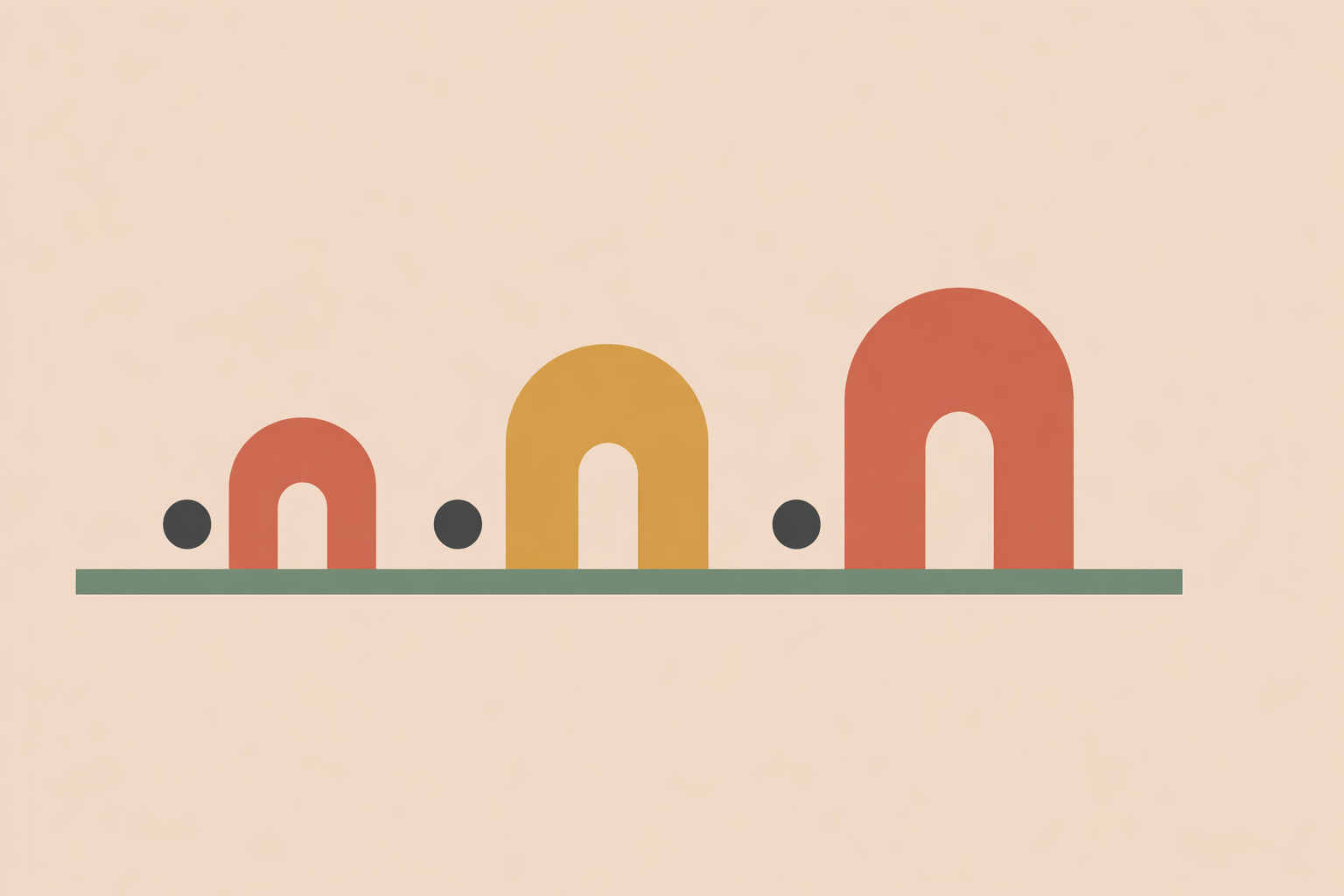
Two other helpful tools are a Decision Landscape and a Confidence Staircase. A Decision Landscape compares options across values, timing, energy, support needs, and reversibility, rather than reducing everything to pros and cons. A Confidence Staircase breaks a daunting move into tiny rungs: can imagine, can try, can repeat.
These pair well with a personal evidence log: a running record of moments when the person coped, set a boundary, asked for help, stayed honest, or followed through. Over time, it becomes written memory of capacity.
There is also room for forward-looking writing. A review found positive effects from positive-writing exercises on well-being and positive affect. Used well, this isn’t about forcing brightness; it’s about choosing prompts that keep a person moving toward what matters while still respecting where they are today.
Identity in Transition: Roles, Continuity, and Future Direction
When the present feels steadier, identity work becomes possible. Transition is rarely just about circumstances. It also asks: Who am I now? What roles are changing? What values still belong to me? What kind of person do I want to be in this next chapter?
A Role Inventory is a strong place to start. Five headings often cover what needs to be seen: Added, Lost, Paused, Questioned, Renegotiated. This validates complexity without rushing it.
A Life Chapter Map can deepen the work further. The person names chapters of their life, recurring themes, turning points, inherited messages, allies, and strengths that keep resurfacing. The aim is not to polish a personal story. It is to place the current moment inside a longer arc where continuity can be felt again.
Narrative writing helps because it creates a little space between the person and the difficulty. The page makes room for, “This is something I am living with, meeting, or responding to,” which often protects dignity and agency.
For future direction, a Future-Self Bridge works well: Today’s Reality on one side, Preferred Direction on the other, with a bridge of doable behaviors between them. Positive-writing approaches have been linked to improved well-being when used thoughtfully, and this format keeps the work grounded.
Working with Grief, Burnout, and Trauma Through Resource-First Journaling
When strong pain is present, slower is usually wiser. Resource-first journaling puts choice, pacing, predictability, and collaboration at the centre. The intention isn’t to chase catharsis; it’s to keep writing supportive and workable.
I often begin with a quick grounding: feet on the floor, contact with the chair, a hand on the chest, or a brief sensory check-in. Then the writing stays short and structured. Research on expressive writing suggests it can be helpful in trauma-related contexts, while also showing that experiences vary and pacing matters across trauma-focused writing.
A simple session arc might look like this:
- Open: Orient to the room and choose a stabilising support.
- Sprint: Write briefly on a contained prompt, such as what feels heavy, what helps, and what one kindness is possible today.
- Anchor: Return through sensory noticing or breath.
- Reflect: Ask what was learned and what is needed now.
- Close: End with a small ritual of completion.
Journal therapy and mindful journaling can be especially supportive here. Attention stays close to present-moment experience: what is felt, what is noticed, what is needed. In grief and burnout work, that gentler stance often keeps the practice sustainable.
It can also help to pair writing with regulating practices such as breath, song, movement, prayer, or connection to place. This reflects long-standing practical wisdom: strong feeling often settles better when reflection is accompanied by rhythm, ritual, or embodied support.
Adapting Journaling for Different Ages, Needs, and Energy Levels
Good journaling support is flexible. The format should fit the person, not the other way around.
- Adolescents: Shorter writing sprints, visual prompts, symbols, collage elements, or music-supported reflection often work better than long verbal exercises.
- Older adults: Larger text, more time, and memory-friendly prompts can make the process feel easier and more respectful.
- People with limited energy or fluctuating capacity: Audio notes, voice-to-text, shorter pages, and generous pacing are often more supportive than longhand expectations.
Adaptation matters because journaling is not one fixed method. Broad guidance supports tailoring expressive approaches for different needs, with the finer points guided by context and practitioner judgment.
Creating Safe, Ethical, and Culturally Rooted Journaling Spaces
Clear ethics make honest writing possible. From the first invitation, it helps to be direct about purpose, consent, privacy, cultural fit, and alternatives.
For consent, clarify what the writing is for, whether sharing is optional, what discomfort might arise, and what non-writing options exist. For privacy, skip vague reassurance and be specific: who keeps the pages, what notes are retained, what group limits apply, and what digital risks exist if writing happens on a device.
Cultural humility matters just as much as structure. Useful questions include: What does this transition mean in your family or community? Are there languages, rituals, seasons, or forms of reflection that belong here? Are there any that do not? The goal is not to borrow symbols because they look meaningful. It is to work in ways that genuinely fit the person’s world.
Helpful group agreements might include:
- Share by choice; listening also counts as participation.
- Speak from personal experience.
- Hold each other’s stories with care.
- Respect bodies, pacing, culture, and language.
- Avoid advice unless it is invited.
What Progress Looks Like in Transition Work
Progress in transition is rarely dramatic. More often, it looks like increased orientation, softer self-talk, clearer choice, steadier boundaries, and one realistic action taken inside an uncertain season.
That’s why journaling maps matter. One page can help someone locate themselves again. Another can help them remember what remains. Another can show where support lives, what choice is still theirs, and what kind step comes next.
In this work, heritage and evidence do not need to compete. Traditional forms of reflection offer depth, dignity, and meaning. Contemporary research can refine pacing and strengthen boundaries. Together, they make journaling genuinely useful in the living process of change.
One page may not resolve a transition. But it can orient a person inside it, and that is often where movement begins.
Explore Journal Therapy Certification
Build structured journaling maps for transitions with the Journal Therapy Certification.
Explore Journal Therapy →