Crystal work is at its strongest when it stays simple, structured, and honest. Clients don’t need inflated promises or dense spiritual language. They need a calm, well-held experience that helps them focus, settle, and reconnect with themselves.
At its best, lithotherapy offers exactly that: a meaningful ritual, a place for attention to land, and a supportive space for relaxation. With clear scope, thoughtful language, and steady session design, crystals become less about spectacle and more about genuine support.
Key Takeaway: Lithotherapy is most useful when approached as an ethical, repeatable practice rooted in symbolism, ritual, and client-centered care. Strong sessions rely on clear consultation, modest expectations, collaborative stone placement, and simple structures that support relaxation, reflection, and well-being.
Why lithotherapy’s roots still matter in practice
Crystal work didn’t begin as a modern wellness trend. Across many cultures, stones have held symbolic, protective, and ceremonial significance. That long lineage matters because it shows how naturally humans turn to meaningful objects to mark transitions, hold intentions, and feel connected.
In session, this history adds depth without needing grand claims. A stone stops being décor and becomes a focal point for attention: something tangible the client can hold, look at, or feel as they settle into the experience.
Practitioners can let traditional associations quietly guide choices while keeping the frame flexible. Lapis might be offered for expression, rose quartz for softness, or smoky quartz for grounding, with the understanding that these are living traditions, not rigid facts.
That approach honors the roots while keeping the work modern, collaborative, and responsive to the person in front of you.
What crystals reliably offer in a session
In most crystal sessions, the most dependable outcomes are ritual frame, focused attention, and deep relaxation.
Those outcomes are more powerful than they sound. Ritual creates a clear shift from daily noise into intentional pause. Attention gathers around a stone, a placement, or the breath. Relaxation often follows when the client feels safe enough to slow down.
When clients genuinely engage with the ritual, many leave feeling calmer, clearer, and more resourced. Seasoned practitioners recognize this pattern: clear structure plus client involvement tends to help the session land.
Some people also notice better rest when crystal work becomes part of an evening wind-down. It’s best framed as a common lived experience in practice, not a guaranteed outcome.
Sound can deepen the settling process too. Quartz singing bowls may offer stress relief, mood support, and improved sleep when paired with guided relaxation.
The most helpful promise is a modest one: crystals support relaxation, emotional grounding, self-awareness, and an intentional pause.
- Helpful outcomes to name: relaxation, reflection, grounding, focus, and symbolic support.
- Outcomes to avoid promising: instant change, life overhaul, or fixed results for everyone.
How to explain crystal work with clarity and integrity
Most clients don’t need a theory-heavy explanation. They respond best to language that feels honest, open, and easy to follow.
A strong, simple frame is to describe crystals as symbolic tools that support focus, reflection, and relaxation. It leaves room for traditional perspectives and modern sensibilities, without turning the session into an argument about what the stone is “doing.”
You might say: “We’ll use the stones as anchors for intention and attention. Many people find that this helps them settle and connect more clearly with what they’re feeling.” It keeps meaning intact while staying grounded.
It also helps to match the client’s vocabulary. Using their preferred terms—whether that’s “chakras,” “energy centers,” or “body areas”—can improve communication and reduce friction.
That’s one of the quiet skills that builds trust: respecting the client’s worldview without pushing one.
Creating a crystal consultation that feels safe and professional
A good consultation brings calm before the first stone is placed. It helps the client feel oriented, listened to, and free to make choices.
Keep it simple: clarify the person’s intention, preferences, and boundaries, then choose stones in response to that conversation rather than applying a fixed formula.
A practical consultation flow might include:
- What the client wants support with right now.
- How they prefer to experience the session: touch, no-touch, silence, guidance, scent, or no scent.
- The language they are most comfortable with.
- Where stones may be placed, and what alternatives are available.
- How the session will open, unfold, and close.
The language check is especially useful. Asking, “Do you prefer chakra language, energy-center language, or simpler body-based wording?” can remove awkwardness immediately and make the session feel shared.
This isn’t an extra step. People settle faster when they feel informed and included.
A repeatable session structure clients can trust
Consistency helps clients relax. When the session follows a familiar arc, they don’t have to keep wondering what comes next.
A repeatable structure can reduce anxiety because predictability signals safety. In crystal work, that steadiness also makes the symbolism feel clearer and less overwhelming.
A simple session arc might look like this:
- Arrival: brief check-in and intention.
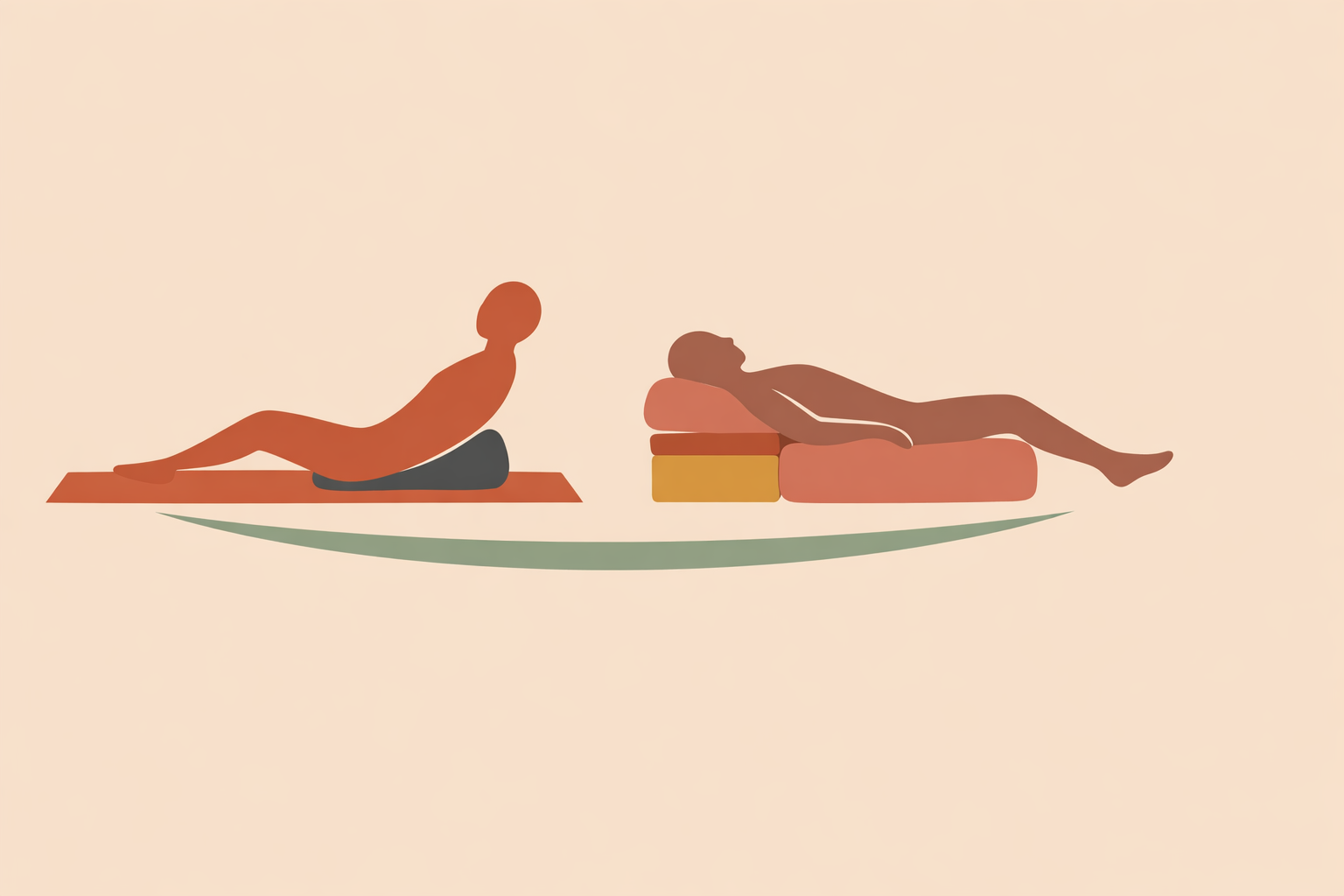
- Grounding: breath, body awareness, or settling into the table or chair.
- Stone placement: one stone at a time, with clear explanation and consent.
- Quiet rest: space for stillness, observation, and settling.
- Transition: gentle movement and reorientation.
- Reflection: a few words on what was noticed and what feels useful to carry forward.
This structure supports the core gifts of crystal work: ritual, attention, and relaxation. It also gives you a reliable frame that adapts easily from person to person.
Breath and imagery can deepen the shift. Pairing crystal work with breath and visualization often helps clients settle and stay present.
If strong feelings arise, the stone can become an anchor through sensation. Inviting the client to notice its weight, texture, or temperature often brings attention gently back to the present moment.
How to choose and place stones without overwhelming the client
Less is usually more. In most sessions, one to three stones are enough.
Keeping the setup small preserves clarity and reduces sensory clutter. In practice, reducing sensory complexity often supports steadiness better than layering too many inputs at once.
Stone selection tends to work best when guided by:
- The client’s intention.
- Traditional color or energy-center correspondences.
- The client’s comfort with placement, symbolism, and sensation.
Chakra-based crystal work remains a familiar structure, and many practitioners naturally match stones to root-through-crown energy centers within energy healing practice.
Color is another easy entry point. Red often signals grounding, green softness, blue expression, yellow confidence, and violet reflection. These are shared associations, not rules, and they help clients connect quickly with the session theme.
Placement should stay collaborative. A stone can be held, placed on clothing, set beside the body, or positioned nearby. Aim for ease and consent, not perfect geometry.
Keep explanations short as you go. One clear meaning per stone is usually enough to support the experience without crowding it.
Blending crystals with astrology and aromatherapy
Once your crystal sessions feel steady, additional layers can be introduced lightly. The best integrations add meaning without adding confusion.
In contemporary practice, many practitioners weave astrology into crystal work as another symbolic lens for exploring themes, intentions, and inner patterns.
Stones have long been linked with planets and zodiac signs. Used well, these correspondences stay reflective rather than absolute: a Mars theme can open a conversation about courage, initiative, or boundaries, while a Venus theme might support softness, receptivity, or self-worth.
Aromatherapy can be blended in the same spirit: optional, light, and client-led, supporting atmosphere when it’s genuinely welcome.
If you combine systems, keep the layering simple:
- One main intention.
- One to three stones.
- One symbolic lens, such as a chakra or astrological theme.
- Optional scent only if the client actively welcomes it.
That keeps the session coherent, so symbolism clarifies rather than competes.
Why ethics and visible standards matter in lithotherapy
Because lithotherapy is largely unregulated, visible commitments to ethics and community standards help clients feel safer and more at ease.
That means being clear about what you offer, how sessions work, what the client can expect, and where your scope begins and ends. It also means confidentiality, consent, respectful communication, and zero tolerance for manipulative or inflated claims.
These standards aren’t a formality. In a practice shaped by symbolism and personal meaning, trust is one of the most important supports you can offer.
Bringing crystal work into client sessions with confidence
Crystal work becomes more useful when it stays intentional. A few well-chosen stones, a clear session arc, collaborative language, and grounded expectations usually serve clients better than an elaborate setup.
The heart of the work is steady: create a ritual container that helps the client slow down, focus, and listen inwardly. Let traditional meanings guide the session without turning them into rigid guarantees. Keep consent active, language clean, and structure consistent.
Many clients value the quietest sessions most, because there’s enough space for something real to settle.
To close with care: avoid claims you can’t stand behind, keep sensory layering gentle, and check boundaries around touch, scent, and placement every time. Lithotherapy thrives when it’s ethical, client-led, and respectful of its cultural roots.
Go Deeper with Lithotherapy
Deepen your client-centered sessions with the Naturalistico Lithotherapy Certification.
Explore Lithotherapy Certification →