


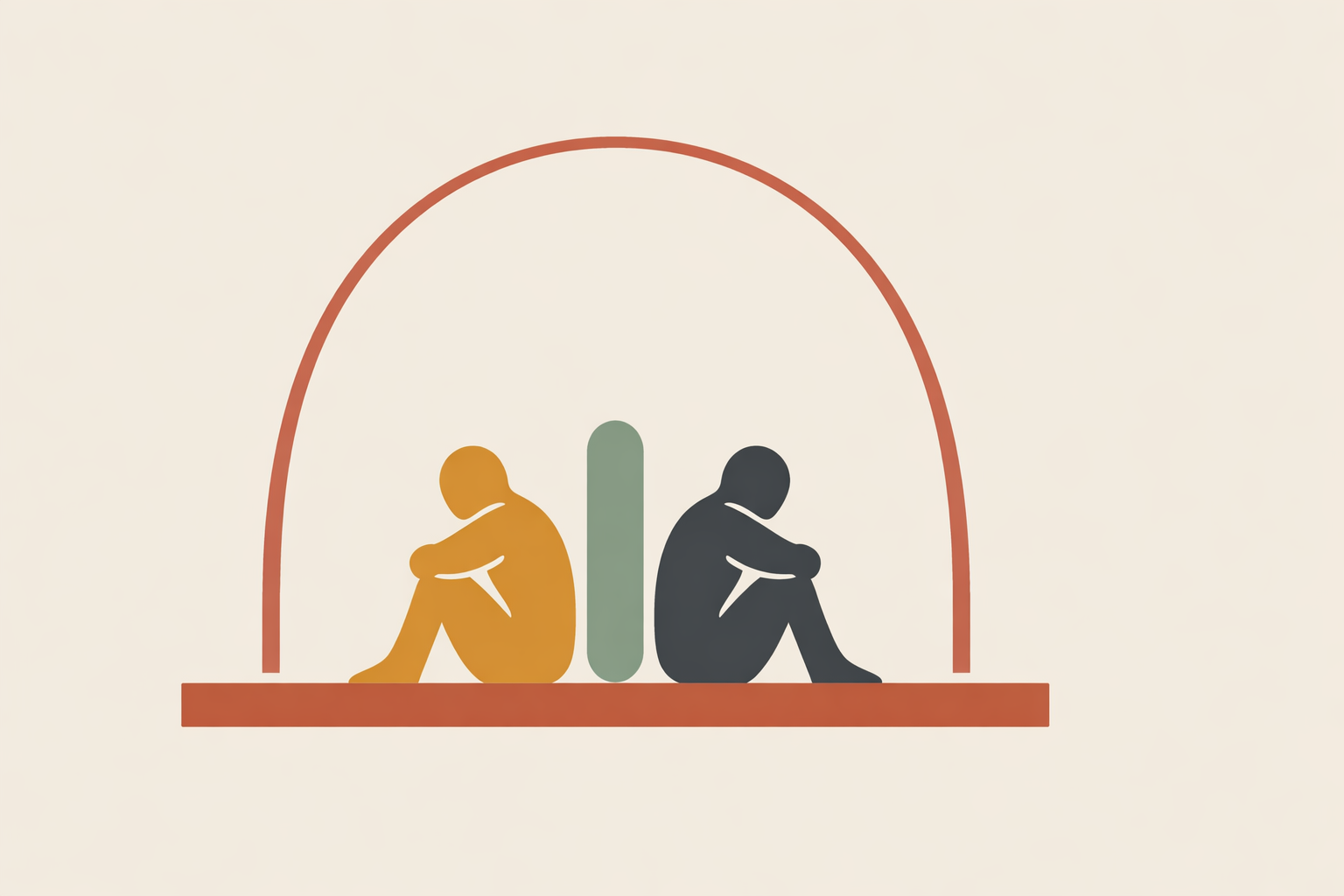
Many coaches and well-being practitioners handle sexual performance anxiety as if it’s a no-go zone: either they avoid naming it, or they overpromise outcomes nobody can ethically guarantee. Both responses backfire. Clients stay stuck in shame, boundaries get fuzzy, and your message loses clarity. This concern is common, deeply human, and absolutely workable when it’s met with respect and skill.
Key Takeaway: A strong sexual performance anxiety niche is built on boundaries, careful assessment, and practical skills rather than promised results. The most sustainable approach centers confidence, communication, reduced shame, and pressure-free intimacy. From there, practitioners can explore the anxiety loop, clarify scope, recognize when added support is needed, and use a blend of cognitive, mindful, relational, and culturally respectful practices to support meaningful change.
Why Sexual Performance Anxiety Is a Meaningful Niche
Sexual performance anxiety often hides behind silence, self-criticism, and relationship strain. Naming it with calm, respectful language can be a relief in itself. When your work is framed around steadiness, communication, and reducing pressure, clients can finally exhale and engage.
Research links sexual performance anxiety with greater distress and lower relationship satisfaction. So even modest reductions in pressure can support emotional ease and closeness.
Many clients arrive convinced they must “perform correctly” or risk rejection. A more supportive frame is that anxiety has hijacked attention and sensation in the moment, and that can be changed. Across cultures, sexual difficulties have often been understood through values, context, and relationship dynamics rather than personal inadequacy; in some settings, cultural values shape how challenges are interpreted and addressed.
This perspective naturally guides you away from chasing a narrow outcome and toward building flexibility, honesty, and a kinder relationship with the body and intimate life.
- What you can promise: clarity, confidence, communication, and pressure reduction
- What you should not promise: guaranteed arousal, orgasm, erections, or relationship outcomes
Your offer language can reflect that integrity. “Ease Performance Pressure: 6 Sessions to Build Sexual Confidence” is more ethical, more dignified, and often more effective than any quick-fix claim.
Understand the Anxiety Loop Before You Choose Tools
Sexual performance anxiety commonly runs in a loop: anticipation rises, attention narrows to signs of “success” or “failure,” the body tightens, and that tension then seems to confirm the fear. The cycle continues with more monitoring and less connection.
Current thinking describes it as a self reinforcing cycle. The practical takeaway is straightforward: map the pattern first, then choose tools that fit.
A useful exploration includes:
- common triggers
- fear-based predictions
- body sensations
- coping habits such as monitoring, avoiding, or withdrawing
- relationship dynamics
- older intimate experiences that may still shape the present
This kind of mapping triggers keeps the work gradual, values-led, and less reactive.
It also helps to explore sexual scripts: messages absorbed from family, peers, porn, religion, or media about what sex is “supposed” to be. Many clients aren’t only anxious about sensation; they’re anxious about failing an internal rulebook. That pressure can feed negative beliefs that keep the loop running.
Inclusive practice matters throughout. Performance anxiety can affect people across genders, orientations, and relationship structures. For LGBTQ+ clients, minority stress, fear of judgment, and safety concerns can add an extra layer, so avoid assumptions and stay client-led.
A strong first step is often very small: pause the goal, notice the body, and name what’s happening without judgment. That moment of non-striving can loosen the cycle enough for real learning to begin.
Set Clear Boundaries From the Beginning
This niche works best with exceptionally clear boundaries. Clarity protects everyone, and it also creates the safety clients need to be honest.
Your role can include conversation, education, reflection, skills-building, and optional exercises clients explore privately. It does not include participating in or observing sexual activity. When you name that boundary plainly, clients tend to relax.
Your policies should clearly state that there is never any sexual contact or sexualized behavior with clients. Professional ethics guidance in this field prohibits sexual behavior with clients or consumers.
Be equally straightforward about your qualifications. Describe your role accurately, and protect privacy carefully. Obtain written consent before sharing any identifying information.
Helpful intake language might include:
- “Our work includes conversation, education, skills practice, and optional between-session exercises completed privately.”
- “You choose what to discuss and may decline any question or exercise.”
- “If anything feels overwhelming, we can pause, ground, and adjust the pace.”
These boundaries don’t make the work colder. They make it more spacious.
Assess Thoughtfully and Know When Extra Support Is Needed
A grounded assessment begins with the client’s vision. Ask what “better” would look like, then explore when anxiety appears, what they predict will happen, how it shows up in the body, and what it changes in intimacy, confidence, or day-to-day life.
Context is a key guide. When difficulties show up across many settings, during solo arousal as well as partnered experiences, or after a medication or broader health shift, it can be wise to encourage additional evaluation. Review literature suggests patterns across contexts, including after a health change, may offer important clues.
Ask directly about pain, bleeding, pelvic symptoms, or sudden changes. New, severe, persistent, or unexplained pain calls for referral rather than guesswork, consistent with guidance to refer promptly when clear red flags are present.
Trauma awareness supports good pacing. You don’t need a full trauma story to work respectfully, but you do need to notice signs like freezing, numbness, intrusive memories, or strong disconnection. In those cases, more specialized support alongside (or before) relationships and intimacy coaching may be the kindest next step.
Relational safety matters, too. Avoid intimacy exercises where there is coercion, fear, threats, or instability in consent.
A concise note might sound like this:
“Client reports worry about losing arousal with new partners. No pain or sudden changes. Anxiety appears in partnered settings only. Solo intimacy feels calm. No immediate indicators of coercion. Client goal is to feel present and honest even when performance varies. Plan: coaching focused on reframing, grounding, and communication skills.”
- Refer promptly when there is coercion, stalking, threats, severe dissociation, suicidal thinking, uncontrolled substance use, suspected exploitation, significant pain, or sudden unexplained changes in sexual function.
Support Pathways That Reduce Pressure and Build Confidence
Most clients want a quick fix. In real sessions, steady progress usually comes from integrated basics: reframing pressure thoughts, shifting attention back to sensation, building relational agreements, and practicing in small, workable steps.
Evidence reviews suggest CBT combined with behavioral and mindfulness-based approaches may be among the more supported options for sexual difficulties. In practice, that often looks like reducing avoidance, strengthening communication, and learning how to meet activation in the body without immediately interpreting it as failure.
One classic option is sensate focus. It removes pressure for intercourse, orgasm, or any specific marker of “success.” Partners explore touch with curiosity, pacing, and mutual agreement, which often rebuilds trust in the body and in the connection.
Mindfulness can reinforce that shift. Research suggests it has shown promise for some people with arousal or desire-related concerns, especially when support is tailored.
Body-aware practices can also be powerful when they stay choice-based. Invite clients to notice activation, constriction, numbness, and softening without forcing a story about what it “means.” With trauma-affected clients, begin with external grounding: orient to the room, feel the feet on the floor, name colors, or track the support of a chair.
Traditional and ancestral practices can belong here, too, when used with cultural respect and clear consent. Breath, rhythm, bathing rituals, mantra, and other rooted practices have helped people settle and reconnect for generations. They work best when they’re meaningful within the client’s own background or chosen framework, never imposed and never borrowed carelessly.
A gentle six-week arc might look like this:
- Week 1: map the anxiety loop and create a shared intention
- Week 2: identify a recurring performance thought and reframe it toward values
- Week 3: build a short grounding or mindfulness ritual before intimacy
- Week 4: introduce Stage 1 sensate focus with no outcome goals
- Week 5: practice communication check-ins and a pause plan
- Week 6: integrate what feels sustainable, including any culturally meaningful ritual the client chooses
Whatever tools you use, keep consistent guardrails: everything is optional, both people agree on stop signals, and any rise in distress is a reason to pause and reassess.
Build Your Offers Around Consent, Clarity, and Honest Language
Consent in this niche is ongoing. Treat it as a continuing conversation about goals, methods, limits, privacy, and the client’s right to stop or redirect at any point.
That means explaining why you’re asking sensitive questions, checking whether the client wants to continue, and making between-session practices clearly optional. It also means being transparent about records, storage, access, retention, and when information may need to be disclosed. Privacy practices should align with confidentiality and written consent.
Your service descriptions should match your scope. For example:
- “Sexual Confidence Coaching: 4 or 8 sessions to reduce performance pressure through mindset, grounding, and communication.”
- “Partner Support for Performance Anxiety: guided conversations, consent-centered practices, and pressure-free intimacy skills.”
- “I provide education and coaching support and do not offer regulated healthcare or medication advice.”
Keep marketing calm and dignified. Lead with confidence, communication, intimacy, and reduced shame, and avoid explicit promises or pressure toward a single outcome.
It also helps to normalize pause plans in partnered work. Agreeing in advance how to slow down, change direction, or stop can make intimacy feel safer. A simple “slow down, shift, stop” system is often enough.
Finally, make inclusion visible and practical. Show that your methods can adapt across bodies, identities, relationship structures, and cultural backgrounds, whether your work sits within broader relationships and intimacy support or more specialized practice.
Let the Work Be Steady, Ethical, and Human
A sustainable sexual performance anxiety niche rests on curiosity, clear boundaries, and practical skills, not promises of perfect performance. Strong support in this area helps people reduce avoidance, speak more honestly, soften self-judgment, and stay present even when outcomes vary.
Progress is often quieter than clients expect. It can look like less panic, more choice, clearer communication, or a body that feels safer to inhabit. These shifts are not small; they’re the ground confidence grows from.
Keep your standards high and your scope clean. Seek consultation when situations become complex, and reassess when needed. When there are red flags like pain, coercion, severe dissociation, or sudden unexplained changes, prioritize referral and added support.
You’re not offering perfection. You’re offering grounded support, clearer choices, and a compassionate path back to connection through sex therapy practitioner certification level skills.
Advance Sex Therapy Skills
Deepen your coaching boundaries and interventions with the Sex Therapy Practitioner Certification.
Explore Sex Therapy Certification →










