Short energy-alignment sessions can drift when the structure is too loose. Someone arrives with ten or twenty minutes, you reach for a calming idea, add a few techniques, and the pace starts running the session. It may feel pleasant in the moment, yet it’s harder to repeat, explain, or document with confidence.
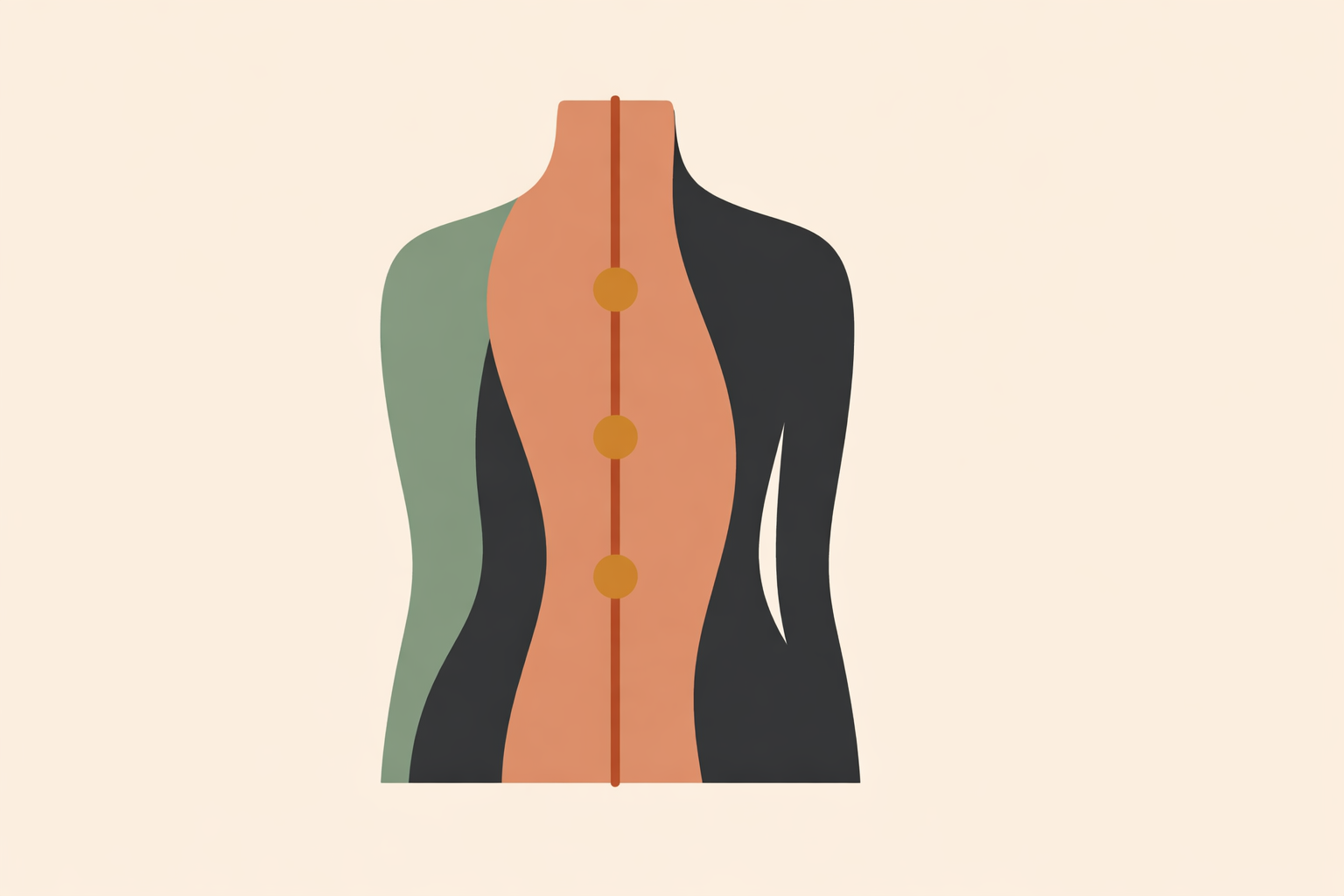
A steadier approach is to use one traditional meridian route as an attention map. You follow a single pathway with simple language, a clear pace, and regular check-ins. The result is a session with shape and boundaries, without needing to make grand claims about what the map “has” to be.
Key Takeaway: Short sessions become clearer and more repeatable when you use a single traditional meridian as an attention map rather than improvising. One route, three slow passes, neutral language, and client-led observation create a simple container that supports pacing, boundaries, and a grounded sense of direction.
Working with meridians as attention pathways
Meridians don’t need to be presented as literal mechanisms to be useful. Many modern practitioners hold them as traditional pathways for attention, imagery, and felt experience, and let results speak through what the person notices.
This leaves room for different worldviews. One person may meet the session as subtle-energy practice, another as structured body awareness, and a beginner may simply appreciate having a clear route to follow.
There is also modern inquiry into physical correlations. For example, fascia involvement has been proposed as part of an anatomical substrate reflected by meridian maps. You can acknowledge this interest without turning it into a debate or a promise.
For everyday facilitation, a symbolic-and-practical stance is often the most ethical and versatile. Neutral words help: route, path, attention, sensation, pacing, noticing. When the language stays modest, the map stays widely usable.
Ground yourself before you guide anyone else
Before inviting someone onto a route, steady your own presence. In short sessions, your pace and tone set the nervous system “tempo” for everything that follows.
A brief pre-session ritual is often enough:
- Feel both feet on the floor.
- Let your posture become upright without stiffness.
- Lengthen the exhale for a few breaths.
- Notice one area of ease in your body.
Research suggests reduced stress can follow breathwork across a range of nonclinical settings, which fits well with this kind of simple settling.
Attention-based somatic practices can also influence interoceptive awareness (how clearly someone senses what’s happening inside the body). Your own steadiness becomes part of the container the person can lean into.
If you notice urgency in yourself, name it silently, soften the breath, feel the soles of your feet, and slow down a notch. That micro-adjustment often communicates more calm than any polished script.
Set the session frame with clarity and choice
Short sessions work best when the frame is clear from the start. The person should understand what you’re offering, what you’re not offering, and how choice stays with them throughout.
A simple structure can sound like this:
- “We’ll use a traditional meridian route as an attention practice.”
- “This is for reflection and well-being, not for evaluating health concerns.”
- “You choose the pace and can pause, skip, or stop anytime.”
- “We’ll check in after each pass and follow what feels manageable.”
Then start wide before you go specific. Invite awareness of the chair, the feet, and two or three natural breaths. Ask where there’s even a small hint of ease, support, or space.
That order keeps the person connected to their whole experience, so the meridian route becomes an anchor rather than a narrow technique.
Choose one meridian route and keep it simple
When time is short, covering multiple pathways usually adds noise. One route is enough.
Broad limb pathways are often easiest for beginners. They’re simpler to describe, easier to picture, and easier to track than point-by-point instructions.
In many traditions, the Kidney meridian route is a grounding-friendly option. You might describe it plainly as a line from the inner arch, up the inner ankle and calf, along the inner thigh, and into the lower abdomen.
If you want a touch of historical orientation, traditional terminology commonly recognizes 14 meridians as a standard reference framework. In the session itself, though, one clear route matters more than a long explanation.
Use ordinary language. For example: “Let’s imagine a steady line from the inner foot up the inside of the leg into the low belly. We’ll follow it slowly and simply notice what changes, if anything.”
Guide the session: trace, pause, and notice
The core flow is simple: one route, three slow passes, with a pause after each pass.
You can guide the route through visualization, hands hovering, light self-touch, or verbal tracking alone, depending on context and consent. Consistency matters most: slow pace, neutral language, open questions.
A pass might sound like this: “From the inner arch, follow the line slowly up the inner ankle, the calf, the inner knee, the thigh, and into the low belly. Pause there. Let two easy breaths happen. What do you notice now?”
After each pass, invite simple reporting. Useful prompts include:
- “What do you notice?”
- “Did anything shift in breath, posture, temperature, or focus?”
- “Does the route feel clear, vague, neutral, or not useful today?”
This kind of noticing can support body awareness, and attention-based practices may influence interoceptive processing in ways that differ across people and methods.
Keep your questions clean and avoid steering toward a preferred story. “Nothing much” is still useful feedback. If the route feels too activating or too diffuse, lighten it immediately; short sessions tend to land better when you do less, with more care.
Integrate and close with clean boundaries
Don’t end on the pathway alone. Bring attention back to the whole body and the room.
Widen awareness: feel the chair, notice the feet, look around, and make one small movement such as rolling the shoulders or standing and settling. Then ask one practical question: “What from this feels useful to carry into the next part of your day?”
For notes, stay neutral and concise. Record the route used, the method, the person’s own words, any pacing changes, and how the session closed. Clear notes support continuity and keep the work grounded.
A simple note structure can include:
- Date and duration
- Session intention
- Route and method used
- Client-reported observations in their own words
- Any adaptations made during the session
- Closure and next-step reflection
If strong physical or emotional material emerges, stay with grounding, pacing, and honesty about your role. Clean boundaries protect both you and the person receiving support.
One route is often enough
A single meridian pathway can bring real clarity to a short energy-alignment session. Ground yourself, set a clean frame, choose one route, guide three slow passes, and close with integration—then the session becomes easier to hold and easier to repeat.
This is where traditional knowledge shines in everyday practice. You don’t need to force belief, promise dramatic results, or explain the whole map at once. Respectful structure, calm pacing, and language that welcomes the person’s own experience will take you far.
As a final note, keep consent and choice active throughout, and stay within a well-being and coaching scope. When the session stays simple and well-contained, the work remains supportive, repeatable, and genuinely useful in ordinary life.
Train in Energy Alignment
Build on this meridian-mapping approach with the Spiritual Healing and Energy Alignment Certification.
Explore the Certification →