Most facilitators learn the limits of “post and hope” the hard way: one workshop sells out, the next limps along. Generic, well-meaning titles draw a mixed room; the people you most want to reach aren’t sure it’s for them, while others arrive expecting a depth of support you never intended to offer. Hosts want clear outcomes, participants want privacy and predictable pacing, and you’re trying to balance access, fees, and your own capacity.
Steadier enrollment usually comes from a simple foundation: a clear promise, grounded facilitation, accessible logistics, respectful outreach, and ethical follow-through. When people understand what the session is for, feel safe enough to join, and can see an easy next step, signing up becomes much more consistent.
Key Takeaway: Reliable workshop enrollment comes from specificity and safety: a clear promise, well-held structure, and logistics that fit real lives. When outreach is calm and consent-forward—and you offer an honest next step—participants know what to expect and feel confident saying yes.
Way 1: Craft a clear workshop promise that fills the right seats
Clarity fills rooms. When your invitation names a real, everyday struggle and promises one or two concrete takeaways, the right people recognize themselves quickly.
Think less “general well-being workshop” and more “Burnout & Boundaries: 90 minutes to reclaim your ‘no’ and leave with a 3-line script you can actually use.” Many communities now use mental health workshops to normalize hard conversations and create gentle entry points into ongoing support. Short sessions also work well as a low-barrier entry—a way for people to experience your style before committing to anything longer.
Plain language helps your message travel. When the copy stays simple—burnout, overthinking, boundaries, self-compassion—workplaces, campuses, and community spaces can immediately see the relevance. Using plain language also makes it easier for people to share your event with a friend.
Practitioner experience backs this up: generic titles attract vague curiosity, while specific promises bring the people who genuinely want what you’re offering. If someone is stuck in people-pleasing or can’t switch off at night, they respond to wording that sounds like their actual week.
Keep the promise honest and grounded. Lead with skills, reflection, and support—not dramatic claims. That tone builds trust, especially for someone joining a group for the first time.
If you work with the arts, name that clearly. Creative activities can support coping during stress-heavy seasons, and they’re often approachable and adaptable across settings.
“Participating in creative activities helps people cope with stress and despair.”
A promise like that feels both practical and soulful—which is often exactly why it works.
- Replace “Stress and Resilience Workshop” with “Tame the 3PM Spiral: Tools to reset in 8 minutes.”
- Replace “Self-Compassion” with “From Self-Critique to Care: Draw a kinder inner voice and take home a mantra card.”
- Replace “Boundaries 101” with “Boundaries for Burnout: Two scripts, one art-based ritual, and a plan to hold the line.”
When your promise is this specific, people don’t just register—they arrive ready.
Way 2: Design workshops that feel grounded and give real tools
People come for relief, orientation, and the sense that something inside them can soften. A strong workshop offers that without pressure. The room doesn’t need to feel polished; it needs to feel well held.
With arts-based groups, facilitators commonly see stronger connection and steadier coping when the process is ongoing. Research echoes these reports, linking arts-based groups with increased belonging. Even in a single session, simple, repetitive art tasks paired with gentle breath awareness can help people settle; studies have observed reduced arousal during repetitive activities like coloring.
Traditional practice has long understood something else, too: creativity helps people move what’s inside into a form they can witness. Turning tension into line, color, shape, or texture can support narrative coherence—essentially, a clearer inner story—especially when you build in calm reflection. A simple share → create → integrate flow often leaves participants more oriented than when they arrived.
Safety is craft, not chance. Open with clear agreements: confidentiality, respect, the right to pass, no forced sharing, and genuine choice about how to participate. Online, add camera options, privacy expectations, and what to do if someone needs to step away.
As Shaun McNiff reminds us, the arts can “activate, renovate, and transform.”
That power is exactly why the structure should stay simple. Choose practices people can repeat at the kitchen table tomorrow—not just in your room, as in many stress-relief art workshops.
- Suggested 90-minute flow: arrival and grounding, brief context, art process, reflection, closing ritual, next steps.
- Starter agreements: right to pass, speak from the “I,” confidentiality, kindness-first feedback, opt-in sharing.
- Take-home tools: one breathing practice, one journaling prompt, and one structured art exercise.
Favor cultural respect over aesthetic polish. Simple materials—paper, pencils, scissors, glue—are more than enough. Avoid borrowing sacred symbols or ceremonial forms from traditions you don’t belong to. The aim isn’t “good art”; it’s a safe, meaningful encounter with self, process, and community.
Way 3: Choose formats, pricing, and timing that fit real lives
People join when the container matches the reality of their week. Short sessions work well as on-ramps; multi-week series suit those who want steadier momentum.
One-off sessions can be powerful, but lasting change tends to build through repetition. Group-based skills programs often show benefits that compound over time, and multi-session stress-support programs commonly show a dose-response effect compared with single events.
So it helps to design pathways, not isolated events. A 75–90 minute workshop can be complete in itself and still serve as a doorway into a four- or six-week circle for those who want more.
Set expectations plainly. A single workshop fits someone who wants a meaningful pause and a few tools they can use right away. A longer series fits someone who wants practice, repetition, and a little more structure to stay with it.
Online delivery can widen access when it’s clearly held. Tele-support can lower participation barriers by removing travel and expanding reach. Online groups tend to run more smoothly when you offer explicit guidance up front so people know what to expect.
Group size matters, too. For interactive, skills-based work, many facilitators find smaller groups feel safer and more participatory. Guidance often suggests around 7–10 members for cohesion, though larger can work with clear structure and support.
Pricing is where generosity and sustainability meet. Sliding scale, early-bird options, bring-a-friend offers, and a few community seats can all help—so long as it’s transparent and workable for you and for participants.
As Edith Kramer taught, the arts are “meta-verbal.”
In other words, they communicate beyond words—welcoming different ages, languages, and backgrounds without forcing everyone to process the same way.
- On-ramp: a 75-minute lunchtime reset workshop at an accessible price.
- Bridge: an invitation into a four-week series, with a brief explanation of what deepens over time.
- Journey: a six-week circle with weekly practices, peer reflection, and a closing celebration.
When the container fits real life, people can actually stay with the process.
Way 4: Build a simple marketing rhythm that respects people’s courage
Marketing works best when it feels like an extension of care—not a performance. People aren’t only deciding if the topic interests them; they’re deciding if the space feels clear, steady, and human enough to enter.
Choose a reliable rhythm instead of last-minute urgency. Email, social media, and community collaborations usually create steadier visibility together than any single channel alone. The exact mix can change; consistency matters most.
Show the experience, not just the idea. A short story about someone who felt less alone, found a fresh perspective, or started a home practice tends to land better than a generic list of benefits. Photos of materials, hands making, or the feel of the room help people picture themselves there.
Your landing page should reduce uncertainty fast:
- A headline that names the real-life struggle and the hoped-for shift
- Three clear takeaways
- A short FAQ answering “Will I have to share?” and “What if I’m not creative?”
Keep language calm, person-first, and non-sensational. Be clear about scope: this is an educational, reflective, and coaching-based space for support and skill-building. When you name confidentiality, the right to pass, and participation options, people can feel safer before they even register.
Testimonials are strongest when they’re specific: “I left with calmer mornings.” “I felt more seen.” “I started drawing again after years.” Small, believable shifts build real trust.
As one practitioner put it after formal training, “I saw how intentionally guided art-making could deepen self-awareness.”
Share moments like that with humility. They communicate depth without overselling.
- Four-week promo rhythm: announce, share a story, offer a demo or FAQ, then send a clear final reminder.
- Consent-forward copy: “Sharing is optional. Camera use is optional. Alternatives will be offered throughout.”
- Visibility support: ask partners for a newsletter mention or social post, and make collaboration easy for them.
When your outreach respects people’s courage, signing up feels simpler.
Way 5: Turn workshops into sustainable, integrity-led practice growth
A workshop is often the first point of trust in a longer relationship. When the experience is clear, respectful, and useful, some participants will naturally want a next step.
Continuity keeps that trust alive. A thoughtful follow-up can be simple: a short recap, one reflection prompt, a photo of example materials, or an invitation into the next container.
Single events can also open doors with organizations. A one-off session for a university, library, or workplace can grow into an ongoing relationship when your delivery is reliable, your boundaries are clear, and your approach fits the culture of the space.
As your work grows, scope matters even more. State clearly what the workshop can and cannot provide, describe the kind of support you offer, and keep signposting options ready for needs outside your role. People relax when boundaries are communicated well.
Facilitator development strengthens that steadiness. Training in group process and trauma-informed practice can improve leaders’ ability to create safer structures, communicate boundaries, and guide emotionally meaningful work with more confidence.
In arts-based spaces, this maturity also includes cultural care. Across cultures, artistic expression has long been woven into recovery and renewal, and respectful practice means honoring those roots rather than borrowing carelessly.
As researcher Girija Kaimal writes, across cultures, artistic expression is woven into recovery and renewal.
That lineage keeps growth human. Structure and ethics don’t reduce the soul of the work—they protect it.
- Simple bridge: workshop → recap email → invitation to a four-week circle → optional one-to-one support → seasonal return offer.
- Ethical backbone: clear scope, consent-forward communication, inclusive materials, culturally respectful design, and a living signposting list.
- Practice evolution: test small offers, notice what resonates, and refine one pathway until it becomes your signature.
Then growth isn’t forced; it becomes the natural result of serving well.
Choose your next workshop with clarity
Full rooms begin long before registration opens. Shape a clear promise, build a grounded experience, choose a format people can realistically attend, invite them in with respect, and offer an honest next step when the session ends.
This path honors both ancestral ways of gathering and contemporary insight about what helps people feel supported enough to continue. It keeps your offers clear, your boundaries intact, and your community at the center.
- Draft one specific promise for a 75- to 90-minute session using participant language.
- Map a simple share → create → integrate flow.
- Write a short FAQ that lowers fear before sign-up.
- Design one clear bridge into a four- to six-week series.
Train in Therapeutic Arts
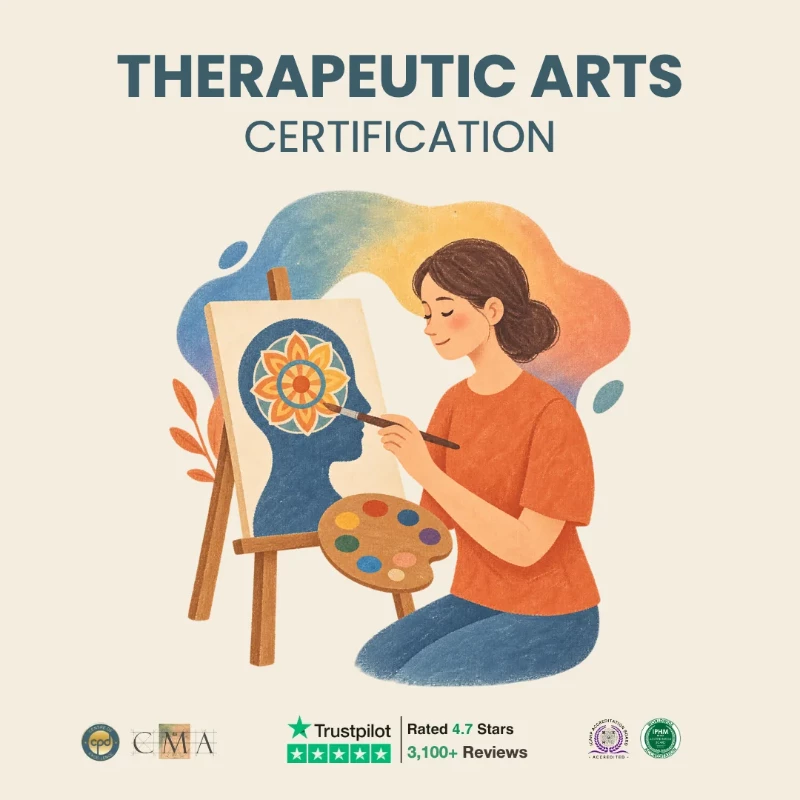
Deepen your workshop facilitation skills with the Therapeutic Arts Certification.
Explore Therapeutic Arts →