Mindful-eating offers are often marketed in a culture that runs on urgency, body promises, and dramatic transformation stories. Yet many people who seek this work arrive with a complicated history around food, self-trust, and past dieting disappointment. When marketing leans on pressure, it can win quick clicks and quietly erode trust later.
A stronger approach is calmer and more honest. Ethical mindful-eating marketing centers awareness, skill-building, and realistic change. It speaks to lived experience without shame, avoids promises the work cannot carry, and keeps outcomes in proportion to what mindful eating actually supports.
Key Takeaway: Ethical mindful-eating marketing works best when it focuses on awareness, behavior change, and honest expectations rather than guaranteed weight loss. Strong messaging uses a clear claim ladder, avoids shame and food morality, presents stories and visuals responsibly, and guides people toward enrollment with clarity and consent.
What you can honestly promise in mindful-eating marketing
The most useful promise here is skill-building. That’s where mindful eating delivers lasting value.
Mindful eating teaches practical habits: noticing hunger and fullness, slowing pace, tuning into sensory experience, and recognizing thoughts and emotions around eating. It’s awareness applied to everyday meals.
That focus aligns with weight-neutral approaches, where the center of gravity is relationship with food and well-being, not weight as the primary target.
In practice, the most common shifts practitioners see look like this:
- more awareness of hunger and fullness
- less reactive eating
- reduced food guilt
- greater satisfaction from meals
- a steadier relationship with food
These outcomes can look “small” on a sales page, but they often create the conditions for real momentum.
When you write your offer, anchor it to what’s true:
- what people will learn
- what they will practice
- what kinds of shifts are commonly possible
That keeps your message believable and respectful from first click to final session.
Build a claim ladder instead of leaning on hype
A claim ladder helps you write copy that stays compelling while keeping your promises clean. Start with what you teach, then what learners do, then the kinds of outcomes people commonly report.
- Educational claims: what the program covers
- Experience claims: what learners will practice
- Outcome claims: the shifts people may notice
- Performance claims: numbers or percentages, only when you can truly back them up
This structure matters because evidence for a broad approach doesn’t automatically prove results for your specific course, coach, or timeline. The FTC is clear that advertisers need adequate substantiation for objective health-related claims.
A simple claim ladder might look like this:
- You will learn hunger/fullness mapping, mindful meal practices, and tools for noticing triggers.
- You will practice guided exercises like slower meals, craving journaling, and pause practices.
- Many learners report feeling calmer around food, less guilty after eating, and more able to notice patterns before reacting.
- If you use numbers, draw from your own solid program data and frame it carefully.
The reader can see the logic. The promise matches the process, and that’s what makes an offer feel trustworthy.
Write copy that converts without shame or food morality
Good mindful-eating copy can be vivid and persuasive while still being kind. It can name the struggle without turning the person into the problem.
Strong language is concrete, sensory, and choice-centered. It describes what someone can do next, not what they “should have done.”
Instead of leading with “stop emotional eating,” speak to what people are usually reaching for: more space and more options in the moment, especially around stress eating or reactive patterns.
- Instead of “Control your cravings”
- Try “Notice cravings earlier and practice steadier responses”
- Instead of “Be good this week”
- Try “Stay curious about what leaves you nourished and satisfied”
- Instead of “Lose weight through willpower”
- Try “Build calmer eating habits through attention and practice”
This aligns with how mindful eating is best held: as a practice of awareness, not a morality system.
Traditional food wisdom can add depth when it’s handled with care. References to unhurried meals, seasonal ingredients, family tables, or gratitude before eating can bring warmth without borrowing from anyone’s heritage as a marketing prop.
Use stories and visuals as trust-builders, not implied promises
Stories help people recognize themselves in your work. They also carry implied outcomes, so they deserve careful framing.
When a testimonial spotlights an extreme result, readers may assume it’s typical. The FTC emphasizes that objective health claims should be truthful, non-misleading, and supported—and that marketers are responsible for the overall impression an ad creates, not only the fine print.
For mindful eating, the most effective testimonials are often grounded and skills-based:
- “I pause before going back for seconds now.”
- “I notice stress eating earlier and have more choice in the moment.”
- “Meals feel calmer, and I enjoy food more.”
These land because they’re specific, and they reflect the real territory of mindful-eating practice.
Visuals work the same way. Inclusive imagery helps people feel welcome without suggesting they must look a certain way to belong. Showing different bodies, ages, foods, and cultural meal settings supports a spacious, honest message. Often, a familiar home meal communicates more integrity than a polished “after” image.
Design the enrollment journey around clarity and consent
Ethical marketing is more than a sales page. It’s the full path from first contact to enrollment.
When you respect timing and choice, people decide with a clearer mind. The FTC’s work on dark patterns highlights how manipulative design can pressure people into actions they wouldn’t otherwise take; the mindful-eating alternative is straightforward and unforced.
A trust-based journey might include:
- a simple free practice, like a mindful first bite or quick hunger check-in
- an opt-in guide for reflecting on pace, triggers, and satisfaction
- emails that explain the approach and set realistic expectations
- a sales page that states what the program is, what it isn’t, and who it serves
- onboarding language that invites observation before change
This is also the place to keep scope visible. If you make health-related claims, keep them truthful and grounded. If outcomes vary, say so plainly. If your offer is educational, make that obvious.
A simple example:
This program supports mindful-eating skill-building and personal reflection. Outcomes vary by person and by practice. We do not promise specific weight-related results.
That kind of clarity doesn’t reduce conversions. It attracts the people who are ready for the work.
Why this long-game approach works
Ethical mindful-eating marketing is precise marketing.
When your claims match the real learner experience, expectations stay realistic and engagement tends to be stronger. It also protects the meaning of the work, so mindful eating doesn’t get flattened into another short-term body promise. It stays rooted in awareness, respect, and thoughtful choice, which also matters in nutrition and diet education more broadly.
Over time, this builds a stronger reputation. Clear, culturally respectful communication preserves trust, and truthful advertising supports wider credibility in marketing itself.
Keep your claims close to your methods. Keep your stories grounded. Choose visuals that widen belonging. Let your offer sound like the work it represents: calm, honest, and genuinely supportive, whether you teach mindful-eating coaching on its own or as part of a broader nutrition and diet path.
Master mindful-eating coaching
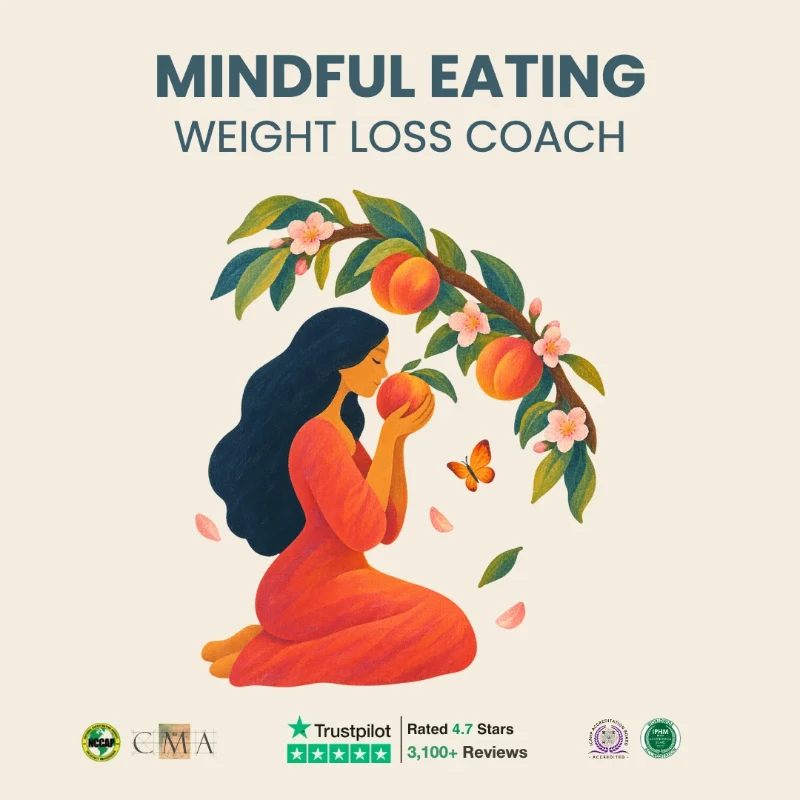
Apply these ethical messaging principles in the Mindful eating Weight-Loss Coach Certification.
Explore Mindful eating →