Many practitioners reach for the same bedtime body scan or breath track for every client. It works at first, until the engineer who monitors every inhale gets more alert, the empath who carries the day’s emotions feels heavier, or the spiritually oriented client finds imagery too stimulating before lights out. The issue is rarely mindfulness itself. It’s usually the one-size-fits-all delivery.
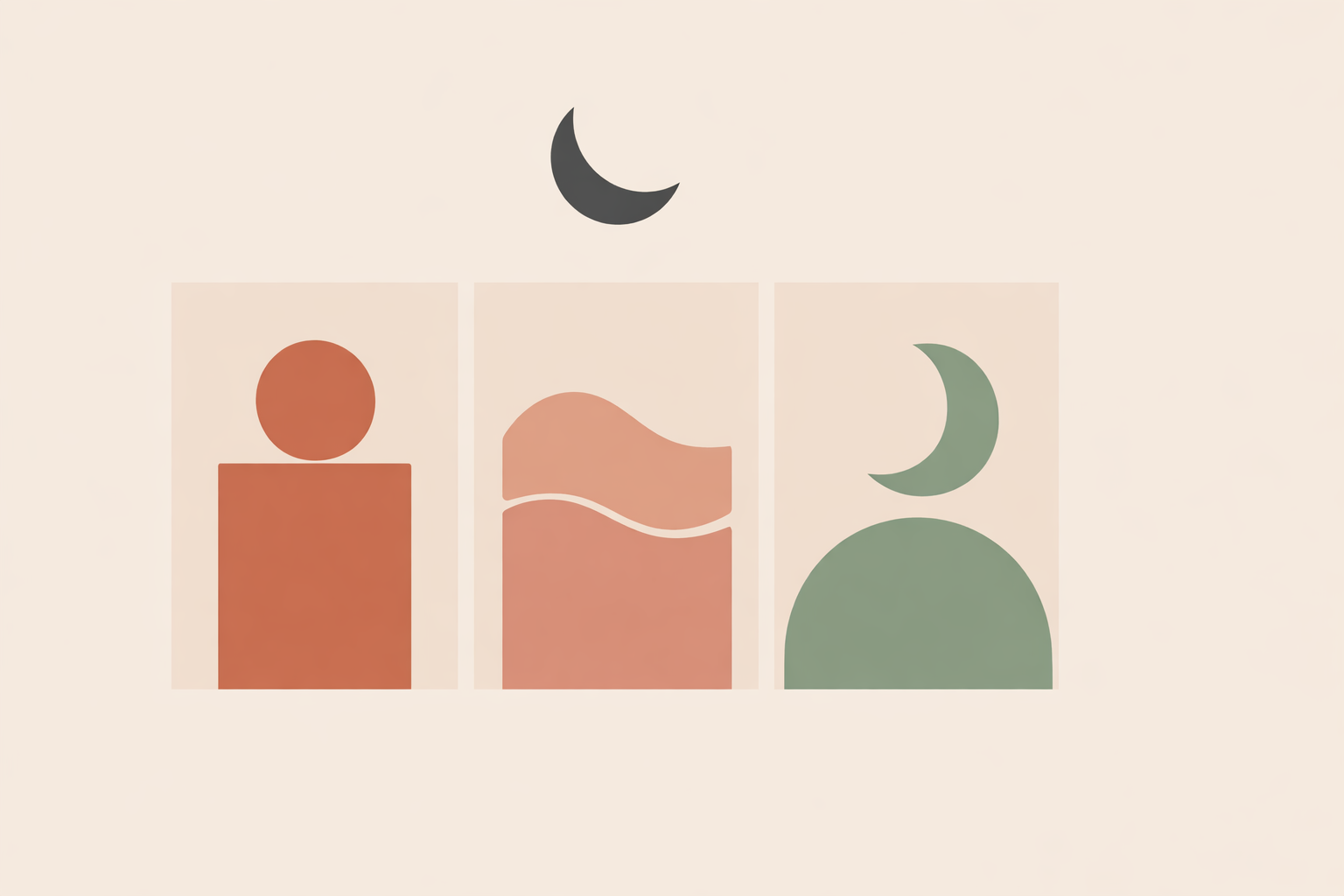
Sleep support works best when the practice matches how a person processes experience: through thinking, feeling, or sensing. A style-based approach gives coaches an easy way to make mindfulness feel usable, repeatable, and genuinely kind at night.
Key Takeaway: Mindfulness for sleep works best when it is tailored to how a client processes experience. Generic programs can help, but sleep-focused approaches are often more effective, especially when they reduce pre-sleep arousal and remove pressure to “do it right.” In practice, this often means labeling and gentle attention training for analytical minds, body-led soothing and compassion for emotionally sensitive clients, and slow sensory rituals with non-striving guidance for somatic or spiritually oriented clients. Keep the dose small, the rhythm consistent, and the fit personal.
Why mindfulness for sleep is not one-size-fits-all
Not every client settles with the same practice. Some soften quickly with breath awareness; others become more alert the moment they try to focus. That difference matters when the goal is sleep.
Traditional contemplative systems have long adapted practice to the person, and modern sleep-focused mindfulness models point the same way. Meditation-based programs designed specifically for insomnia have received empirical support, which fits what many practitioners have observed for years: sleep improves when the practice is built for rest.
Generic mindfulness programs can still be useful, but they don’t always land well for persistent sleep struggles. One review found standard mindfulness-based stress reduction may be ineffective for improving sleep in some insomnia-related groups. In coaching terms, broad mindfulness can help overall steadiness, while bedtime support often needs a more sleep-shaped design.
The practical move is straightforward: match the method to the person. When the practice fits, clients stick with it, and the night often softens without a fight.
What sleep-supportive mindfulness is really doing
At bedtime, mindfulness is about easing activation. The most useful practices lower the inner pressure that keeps someone on alert, whether that pressure shows up as mental effort, emotional charge, or sensory overstimulation.
That’s why sleep-oriented mindfulness is often valued for its ability to reduce pre-sleep arousal and strengthen a non-striving attitude. For many clients, releasing the “I must fall asleep now” agenda is a major turning point.
Practitioner judgment guides the entry point. Analytical clients often do best with brief labeling. Emotionally sensitive clients usually need body-first soothing before any reflective awareness. Sensory or spiritually oriented clients tend to settle with warmth, weight, slowness, and quiet imagery, including simple guided imagery when that style feels settling rather than stimulating. Different doors, same destination: an easier transition into rest.
Client style 1: Analytical, ruminative, cognitive clients
For thinkers and troubleshooters, bedtime can become an internal audit. They don’t just notice thoughts; they assess them, refine them, and chase them. Mindfulness helps most when it’s practical, minimal, and pressure-free.
A strong starting point is simple labeling paired with gentle attention training. Meditation-based programs for insomnia have been linked with reduced pre-sleep arousal, which targets the exact leverage point for clients whose minds rev up when the lights go out.
The coaching frame matters: mindfulness isn’t about stopping thoughts. It’s about stopping the automatic follow-through.
How to guide overthinking minds at bedtime
Keep the sequence short enough to repeat nightly:
- Externalize: Write three short headlines from the day, then close the notebook.
- Label: Use plain words like thinking, hearing, planning, warmth, tension.
- Anchor: Return attention to contact points like calves, hips, shoulder blades, or the weight of the blanket.
A useful line is: notice the subject line, do not open the thread. This tends to reduce striving and helps analytical clients stop trying to be good at mindfulness.
These clients usually learn through direct experience. If they want reassurance, keep it grounded: awareness and nonreactivity have been associated with better sleep health, and the best measure is whether their nights feel easier over time.
Client style 2: Emotionally sensitive, stress-reactive clients
Some clients carry the day in their chest rather than their head. They replay difficult moments, absorb the atmosphere around them, and arrive at bedtime emotionally full. For them, mindfulness works best when it begins with soothing, not analysis.
In sleep work, that usually means leading with the body and the heart. Mindfulness-based approaches for insomnia are often used because they help calm arousal, and that settling makes emotions easier to hold without being pulled into them.
Gentleness and rhythm do a lot here. If a client is overloaded, a stark instruction to “just observe” can feel cold; warmth supports safety and letting go.
How to guide emotionally sensitive clients into rest
A compassion-first wind-down often includes:
- Down-shifting breath: A slow inhale and slightly longer exhale, without turning breathing into a performance.
- Emotion labeling: Name the feeling briefly, then release the story.
- Kindness phrase: Offer one short line that feels sincere, such as may I feel held tonight.
If compassion language feels awkward or artificial, stay with body-led settling. Many clients respond more quickly to a hand on the chest, a soft exhale, or quiet pressure through the blanket than to any spoken phrase.
A small gratitude practice can also help close the day. A bedtime gratitude reflection is commonly used in practical sleep-supportive guidance, and three good moments is often enough to shift the emotional tone.
Client style 3: Somatic, sensory, or spiritually oriented clients
For clients who orient through sensation, ritual, or inner imagery, the doorway is often physical. They respond to atmosphere, pacing, texture, and felt experience. The main risk is overstimulation, so the best direction is slowness, warmth, and non-striving.
Body scans and sensory-led meditations can be especially supportive. Sleep-focused meditation programs have shown reduced wake time alongside lower pre-sleep activation, which aligns with the traditional emphasis on steady, gentle repetition over intensity.
Movement can also help, particularly earlier in the evening. Even when specific sequences aren’t well mapped in research, many practitioners see the same pattern: a little slow, grounded movement makes later stillness in bed far more accessible.
How to guide sensory-led sleep rituals
Keep the sequence earthy and calm:
- Settling movement: A few minutes of slow, simple movement earlier in the evening.
- Weighted body awareness: Emphasize pressure, heaviness, warmth, and contact with the bed.
- Soft suggestion: Use language that invites rest without demanding sleep.
Simple guidance works well: feel the belly rise and fall, sense the hips dropping, notice the bed holding you. Keep imagery quiet and dim rather than bright or expansive.
Invite sensing without over-focusing. Noticing tends to support sleep most when paired with nonreactivity. If a client ramps up by paying attention inside, shorten the practice and rely more on contact points like blanket weight and mattress support.
From insight to protocol: how to build a style-based sleep plan
Once the client’s dominant style is clear, design around three levers: practice type, timing, and dose. The aim is a routine they’ll actually keep, especially on imperfect days.
Sleep-focused mindfulness programs designed for insomnia have shown advantages over self-monitoring, including less wake time and lower pre-sleep arousal, supporting the value of sleep-specific design. In everyday coaching, that often looks like short practices attached to existing evening habits.
A workable structure is:
- Analytical clients: Two minutes of externalizing, then brief labeling and a body anchor in bed.
- Emotionally sensitive clients: One round of down-shifting breath after the day ends, then a second round at bedtime with a short kindness phrase or gratitude note.
- Sensory or spiritually oriented clients: Slow movement earlier in the evening, then weighted body awareness and non-striving guidance in bed.
Keep the dose humane. Small, steady repetitions usually beat long sessions that turn into another obligation, because “homework energy” often brings bedtime alertness right back.
Cultural attunement can deepen engagement. A quiet prayer, familiar blessing, lullaby, or phrase from the client’s own background may carry more settling power than a generic script, as long as it’s chosen by the client and held with respect rather than borrowed carelessly.
Closing perspective
When mindfulness meets the person—thinker, feeler, or sensor—sleep has more room to change. Analytical clients often settle with less effort and more gentle labeling. Emotionally sensitive clients often do best with soothing before observation. Sensory and spiritually oriented clients often benefit from ritual, heaviness, and real permission to rest.
The broader evidence supports mindfulness as a useful support for sleep, especially when it’s shaped around sleep-related processes rather than offered as a generic practice. Skilled coaching also comes from discernment: matching the method to the person, then adjusting until it feels natural and steady.
Keep the stance grounded. Mindfulness can be meaningful support for difficult nights, and it works best inside a wider rest culture: steady rhythms, evening boundaries, nourishing routines, calming spaces, and supportive connection. Save the cautions for the end: if a practice increases alertness, anxiety, or self-criticism, reduce the dose, simplify the focus, or switch styles. The goal is comfort and consistency, not intensity.
Train as a Sleep Coach
Apply these style-based routines in practice with the Sleep Coach Certification.
Explore Sleep Coach Certification →