Many new motherhood coaches start with a broad offer: “I support moms through pregnancy and postpartum.” It’s inclusive, but it can also blur the heart of the transition. Sessions then stretch across sleep, work, intimacy, and recovery with no clear arc, and the right clients may not realize your work is for them.
Specificity changes everything. When you anchor your work in identity shift, your message sharpens, your boundaries become easier to hold, and clients feel recognized. Motherhood includes practical adjustments, but it also reorganizes how someone relates to herself, her time, and her place in the world.
Key Takeaway: Motherhood coaching becomes more compelling when it centers identity change with clear, non-clinical positioning and simple, usable tools. Six especially strong niches are matrescence guidance, identity grief, career and caregiving renegotiation, birth story integration, partnership and pleasure, and embodied community-based support.
Niche 1: Matrescence Coaching
Matrescence is one of the clearest niches because it gives a dignified name to a real life transition. Calling matrescence a developmental transition helps clients understand why they feel disoriented, changed, or in-between, without framing them as “broken.” Many women relax the moment the experience is named.
Practitioners and researchers alike describe matrescence as comparable to adolescence. That comparison fits what coaches see every day: shifts in body, self-image, roles, relationships, and priorities all happening at once.
Once matrescence is named early, clients often move from “I don’t know what I need” to genuine engagement. Confusion becomes a sign of growth, and the work gains a steady direction.
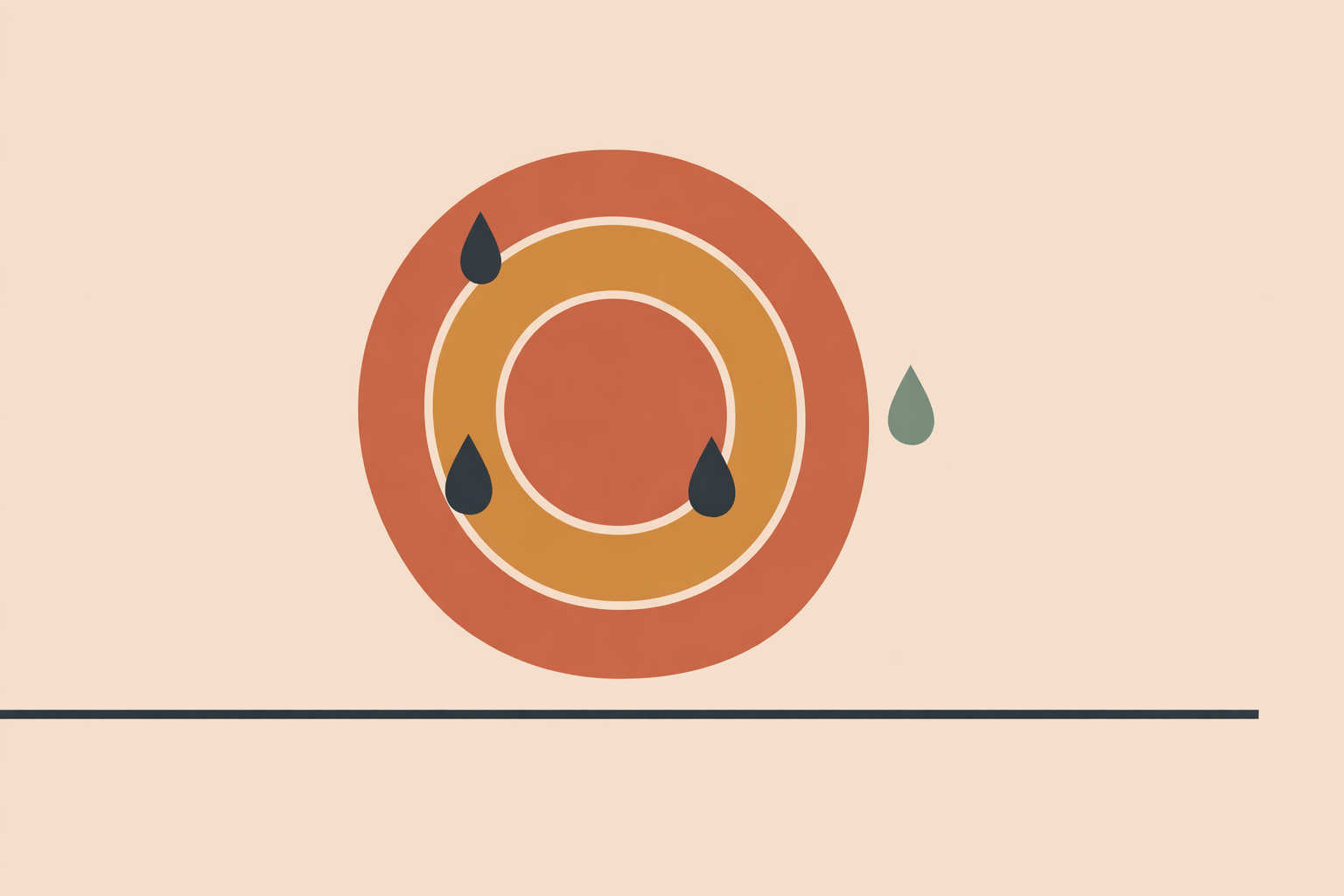
Concrete specific: Try a 10-minute Matrescence Map. Draw three circles: Before, Emerging, and Integrating. Ask:
- What value mattered most before?
- What feels newly alive now?
- What part of you is still asking to be included?
Close with: “This is a developmental transition, not a personal failure. Which part of you needs the most kindness this week?”
Keep your lane clear: normalize the terrain, offer structure, and support self-trust through small practices. You don’t need to interpret everything. You help clients notice what’s changing and respond with steadiness.
- Sample note: “Client identified spacious mornings as a lost value and chose a two-song tea ritual to reclaim slowness.”
- Session close: “On a 0–10 scale, where is your inner steadiness now, and what lifts it by one point?”
When your message says, “You are becoming,” the right clients often feel seen before the first session.
Niche 2: Identity Grief and the Lost Self
Identity grief is another powerful niche because it speaks to what many mothers carry quietly. They miss parts of their pre-baby selves: freedom, solitude, ambition, erotic energy, mental space. Then they judge themselves for missing any of it.
A skilled coach offers permission and a place to tell the truth. You can miss who you were and still love who you’re becoming.
Some women describe early motherhood as a kind of rebirth. That language matters because it validates the depth of what changed, and it creates room to honor endings and beginnings side by side.
Concrete specific: Offer a Permission to Grieve Inventory. Invite clients to list:
- Three things they miss from Before
- Three things they cherish in Now
- One bridge ritual that honors both
Example: “Before: long showers. Now: contact naps. Bridge: a warm washcloth inhale and shoulder roll at nap time.”
Useful language stays simple:
- “We’re not erasing who you were; we’re integrating her.”
- “You do not need to choose between gratitude and grief.”
- “Let’s find what still belongs to you.”
Hold scope by focusing on meaning-making, values, and supportive practices. If distress becomes intense, persistent, and limiting in daily life, it deserves a wider circle of support beyond coaching.
Niche 3: Coaching Mothers Between Career and Caregiving
This niche serves mothers who feel split between ambition and care. They often look “fine” from the outside while carrying constant internal friction, competing expectations, and invisible work that never fully ends.
Research on postpartum working and once-working mothers describes role overload, guilt, and the weight of unpaid daily tasks. In sessions, that becomes: “I’m carrying everything, and half of it doesn’t even count as work to anyone else.”
Your role is to make the unseen visible, then help the client reorganize around values rather than pressure.
Concrete specific: Use an invisible labor map with three columns: Care, Home, and Self. Mark each item as:
- O = Owner
- S = Supporter
- U = Unowned
Ask: “Which two U’s need assignment this week, and what support makes that realistic?”
Once labor is visible, connect it to identity. Many mothers find that with real support, motherhood strengthens leadership and clarifies priorities. Research has described expanded selves in mothers, including stronger relational skill and renewed clarity about what matters.
Try a two-sentence Leadership-in-Motherhood statement:
- “I lead with steadiness and clarity.”
- “I choose work that honors my family’s rhythm and my creative edge.”
Then rehearse concrete renegotiation with specific asks:
- “I’m requesting that you fully own bedtime on Tuesday and Thursday.”
- “I need grocery ordering to include making the list, not just placing the order.”
This niche works because it supports inner integration while also changing the structures that create overload.
Niche 4: Birth Story Integration Coaching
Birth story integration can be profoundly meaningful when it’s held with patience and respect. Many mothers don’t need analysis. They need language, witnessing, and a gentle path toward coherence.
Move slowly, with consent and choice throughout. Even a straightforward birth can leave someone searching for meaning, and a complex one can feel fragmented or hard to speak about.
Concrete specific: Try a dual-timeline exercise with three columns:
- Events
- Emotions/Body
- Agency Moments
Ask: “Where did you sense, speak, choose, endure, or ask for what you needed?” This helps clients find themselves inside the story.
Use simple pacing signals such as green, yellow, and red:
- Green = steady
- Yellow = edging toward overwhelm
- Red = stop
If yellow appears, pause. Orient to the room, notice sounds, feel feet, and track breath. Then ask whether the client wants to continue.
Scope matters especially here. Ongoing postpartum signs such as nightmares, hyperarousal, or avoidance that constrains daily functioning call for specialist support rather than coaching alone.
- Session line: “Let’s pause and notice three sounds in the room. Where is your breath now?”
- Integration close: “What one sentence would you like to remember about yourself from today’s story work?”
When held well, birth story integration supports voice and self-recognition, so the mother can carry the story without being pulled under by it.
Niche 5: Partnership, Intimacy, and Postpartum Pleasure
This niche often starts with resentment. A mother feels overextended, unseen, and far from her own desire. Connection with a partner can begin to feel like another demand instead of a place to rest.
Interviews with mothers commonly reflect the sense that they do it all, carrying both emotional labor and task labor. That strain doesn’t stay contained; it shows up in tone, conflict, and distance.
Many new parents also report feeling touched-out postpartum. For many, desire returns when there is more space, more rest, and less pressure.
Concrete specific: Use a Resentment-to-Request framework:
- Name the experience without blame: “I feel overloaded by evenings.”
- Make a specific request: “I’m asking you to own bath and pajamas on Monday, Wednesday, and Friday.”
- Set a brief review point: “Let’s check in after one week and adjust.”
For intimacy, keep it tender and practical. A Yes/No/Maybe touch menu lowers pressure and builds connection gradually:
- Yes: forehead kiss, hand massage, back-to-back breathing
- No: sexual touch tonight
- Maybe: cuddling for five minutes
Encourage non-sexual closeness first when pressure has replaced warmth. A useful line to rehearse is: “I want closeness, and my body needs slow. Can we start with a hand massage and talk about our day?”
Keep boundaries clean. You’re supporting communication, pacing, and reconnection, not stepping into deeper crisis work beyond your role.
Niche 6: Embodied and Community-Based Matrescence Coaching
Some mothers don’t need more advice. They need to feel themselves again. This niche centers embodiment, intuition, rest, and communal support, especially for clients who are overthinking and no longer trust their inner signals.
This work can draw on breath, grounding, gentle movement, song, ritual, touch, food, or circle space. Traditional practices carry real wisdom here, especially when held with humility and cultural respect, and when clients are guided back toward what is truly theirs.
Settling the body changes what becomes possible in conversation. When the body softens, choices often become clearer and less reactive.
Concrete specific: Offer Micro-Anchors. Ask each client to choose:
- One rest anchor: a 20-second exhale pause
- One body anchor: hand to heart
- One pleasure anchor: morning sun on the face
- One nourishment anchor: a warm, grounding drink or meal
Invite them to practice two anchors daily for one week, then notice any changes in self-talk, patience, or clarity.
Community amplifies this work. Group spaces help mothers feel less alone in the wobble of becoming, and that shared witnessing often supports self-trust and identity integration.
A simple group arc works well:
- Arrive: breath and body check
- Share: three-word weather
- Learn: one focused tool
- Integrate: one intention
- Close: silence, song, or gratitude
To keep this work inclusive and respectful, invite clients to bring family, cultural, or personal practices that already feel alive. Let those lead. Your role is to facilitate, not to borrow depth from traditions you do not hold.
Choosing and Communicating Your Identity-Shift Niche
These six niches are different doorways into the same house: supporting mothers as they become. The best fit is usually the one where your language is clearest, your boundaries are clean, and your steady presence comes through naturally.
To choose your direction, reflect on four things:
- Which client moments move you most?
- What do you do naturally well: language, structure, embodiment, facilitation, values work?
- Do you thrive one-to-one, in circles, or both?
- What are your clearest boundaries?
Then shape your offer around the felt experience clients carry but struggle to name. People respond strongly to women's health coaching that gives language and structure to longings, tensions, and resentments they’ve never fully voiced.
Be equally clear about scope. If someone describes persistent distress that limits daily life, or after loss or overwhelming experiences they are dealing with suicidal thoughts, substance reliance, or an inability to enjoy anything at all, your role is to support them in connecting with specialist help.
Let integrity shape the small things too: transparent pricing, clear session rhythm, and boundaries named early. Keep refining your language, cultural awareness, and listening. Done well, a niche becomes a promise the right clients can feel as soon as they find you.
Train in Postnatal Coaching
Deepen your niche and scope skills with the Prenatal & Postnatal Coach Certification.
Explore Prenatal & Postnatal →