Most practitioners hit the same wall: a client arrives either revved up or shut down, and even the best questions can’t land because the nervous system isn’t ready to engage. The temptation is to add more technique or push for insight. In real sessions, what changes outcomes is simpler and more reliable: your state, the space, and a clear arc that follows physiology.
When you lead with co-regulation, map the client’s state together, and save meaning-making for after settling, sessions tend to move from protection to connection with far less strain. Think of the sequence below as a living template—steady enough to trust, flexible enough to adapt.
Key Takeaway: Reliable nervous system regulation comes from following a simple session arc: start with practitioner and environmental safety cues, map the client’s autonomic state, and co-regulate before exploring meaning. Match tools to sympathetic activation or dorsal shutdown, then close with integration and support between-session rituals.
Step 1: Begin nervous system regulation with your state and the space
Your state is the first intervention
Your grounded presence is the first regulation tool in the room. Before you ask anything of a client, your eyes, voice, pace, and breath are already offering cues about safety.
Naturalistico emphasizes practitioner self-regulation as the living map a client’s system can follow. When you’re settled, you make it easier for another person to settle. As Deb Dana puts it, the autonomic system helps us “survive and thrive,” so it makes sense to begin by tending to your own physiology.
Then let the space support you. Gentle lighting, supportive seating, natural textures, and quiet rhythm create a sensory environment that nudges the body toward ease. Simple, in-room techniques—humming, exhale-led breathing, small movements—also “train” the room through your modeling.
As Ginger Garner reminds us, “Signs of safety cause our nervous system to relax,” while danger cues do the opposite. Facial expression, vocal prosody, and unhurried timing are part of the safety language you communicate without explanation.
Research on interpersonal neural synchrony aligns with what many traditional lineages have observed for generations: one regulated person can become a kind of tuning fork for another. Let your body lead, and let the space echo: you’re welcome here.
Step 2: Map the autonomic story before you choose tools
Reading the polyvagal ladder and neuroception cues
Before offering a practice, get oriented. If you know where the client is on the ladder, you can choose tools that match the body’s reality rather than fighting it.
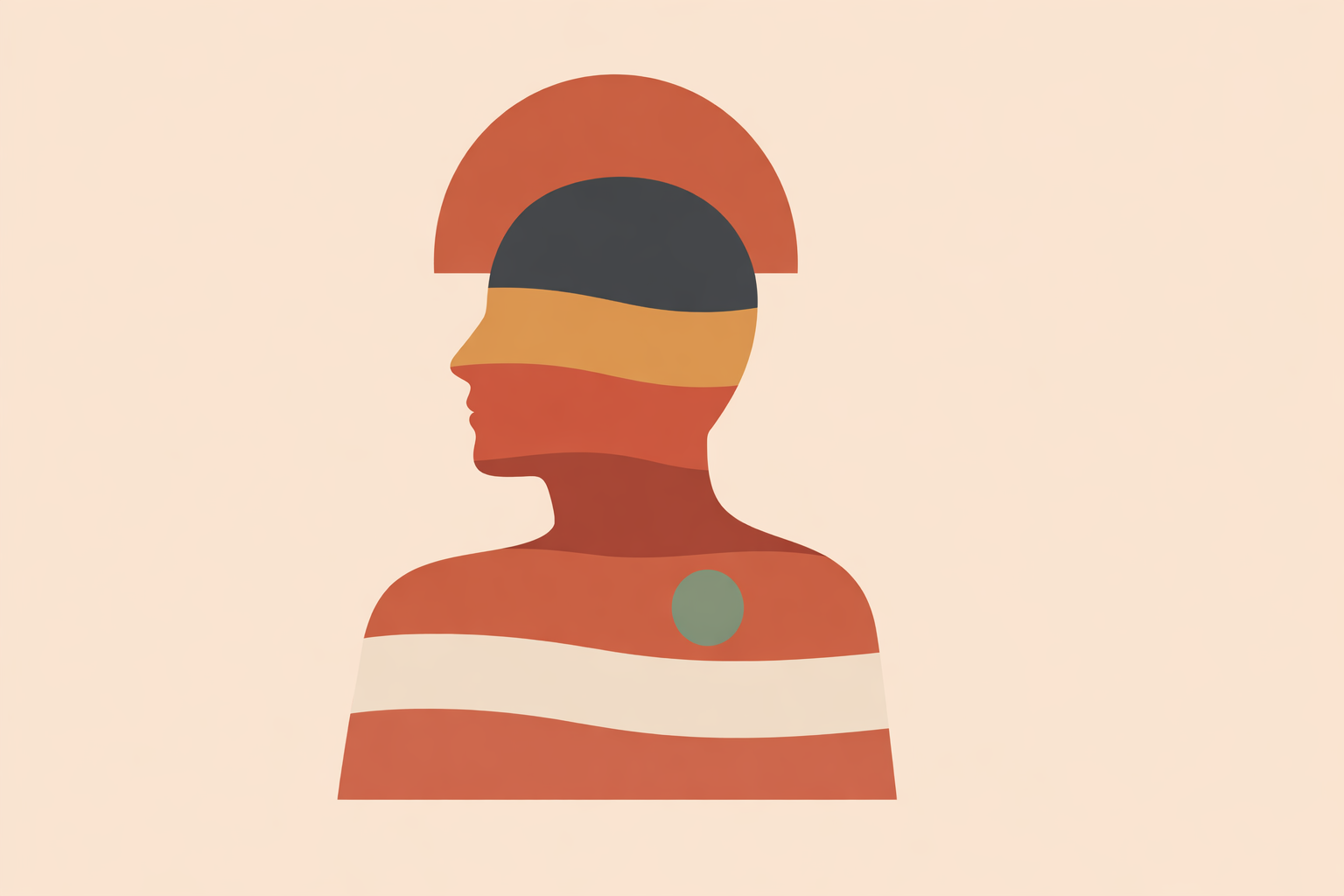
Polyvagal work describes three circuits: ventral vagal (connection), sympathetic (mobilization), and dorsal vagal (shutdown). The system constantly scans through neuroception, shifting automatically. What this means is behavior often reflects protection, not personality. As Deb Dana says, actions are “automatic and adaptive.”
Use a shared visual like Naturalistico’s polyvagal ladder. Keep the language simple: ventral at the top (curious, connected), sympathetic in the middle (urgent, activated), dorsal at the bottom (heavy, foggy). Ask one short orienting question—“More speedy, or more slowed down?”—and let voice, breath, and posture guide you.
Stephen Porges reminds us that connection depends on physiology that supports social behavior, not willpower. A 2022 review highlights ventral vagal pathways involved in nuanced safety detection—helping us connect when it’s safe, mobilize when needed, and rest when it’s time.
Once you can name “where we are,” the rest of the session becomes far more straightforward.
Step 3: Build shared safety and co-regulation before going deep
From evaluation to connection
Connection is the doorway to change. The early minutes work best when they’re about settling, not solving.
Lean into co-regulation: warm eye contact (when culturally appropriate), soft tone, gentle pacing, and clear consent. Deb Dana points to a ventral state—and a neuroception of safety—as the ground where connection and change can happen.
Stephen Porges puts it plainly: we don’t solve problems when we’re frightened; we solve them when we feel safe with others.
That’s also why mindfulness tends to land better after safety arrives. “Feeling safe” frees attention from constant scanning so awareness can widen.
Use small, concrete anchors: a shared breath tempo, a few seconds of humming, or respectful silence that communicates, “No rush.” Many traditions have long used rhythm, song, and circle for settling. Naturalistico highlights how these group practices support collective regulation—modern frameworks are simply giving language to what elders have practiced for a long time.
When safety starts to emerge—breath easing, shoulders dropping, eyes softening—the room naturally becomes ready for deeper work.
Step 4: Match regulation tools to sympathetic or dorsal states
Sympathetic and dorsal: different pathways home
One size doesn’t fit all. A mobilized system and a collapsed system need different kinds of support to return toward ventral connection.
It helps to think in terms of flexibility. Higher HRV is often used as a marker of more adaptable regulation, and many simple practices aim to support it. Naturalistico recommends diaphragmatic breathing, longer exhales, humming, and gentle movement, consistent with evidence that certain breathing patterns can influence autonomic balance through the vagus nerve through resonance.
Match tools to physiology:
- If sympathetic (fast, tight, vigilant): emphasize a longer exhale, grounded contact (feet, hands on thighs), humming or chanting to naturally lengthen the out-breath, a cool cloth on face/neck, and gentle visual orienting to widen the field. Diaphragmatic breathing and longer exhales can calm overactivation.
- If dorsal (flat, heavy, foggy): upshift gradually—small wrist/ankle movements, rhythmic rocking, a short phrase spoken out loud to re-engage social energy, and moving toward warmth, light, and connection. Traditional rhythm practices are especially useful here; steady vibration and beat can support settling while bringing energy back online.
Mindful awareness can also reduce reactivity once safety is within reach. Basic mindfulness and emotion-regulation skills often help stabilize the gains you’ve created with breath, sound, and movement.
Deb Dana’s Four R's keep the sequence clean: Recognize the state, Respect its intelligence, Regulate (or co-regulate) toward ventral, then Re-story. Let the client’s physiology set the order.
Step 5: Titrate exploration and meaning-making after regulation
From survival story to new narrative
Once the system has more steadiness, reflection becomes not only possible, but useful. Go only as fast as the body signals “yes.”
A non-pathologizing frame protects dignity and invites curiosity. Deb Dana’s reminder that behaviors are “automatic and adaptive” often softens shame and opens the question: “What did your system learn to do to get you through?”
Now gentle cognitive tools tend to land. Strategic reappraisal—trying on a different meaning—often works best after some regulation. You might ask, “If the wiser part of you had a voice right now, what would it name as true?”
Keep emotion work simple and embodied: name the feeling, validate it, and identify one need. Work on emotion coaching suggests that validation plus language for feelings can strengthen self-regulation and reduce spirals.
When it’s ready, invite the next story. Dana’s sequence culminates in Re-story—after recognition, respect, and regulation. And her stance that there is “no one way” supports ethical flexibility: welcome ancestral practices, community wisdom, and the spiritual language clients already trust, without forcing a single framework.
Step 6: Close by downshifting and integrating
Pendulation, glimmers, and sustainable closure
End with a gentle landing. Closure is where gains consolidate—and where clients learn they can return to everyday life feeling steadier.
Naturalistico teaches pendulation: touch what was activating, then return to what resources—breath, physical support, nature images. Essentially, it’s a safe “back-and-forth” that builds capacity without overwhelm.
Then name one or two glimmers: a small warmth in the chest, one easier breath, a spontaneous laugh. Over time, these moments can gently shift neuroception and support flexible autonomic regulation.
Finish with a short recap and a clear “what next.” Guidance on self-regulation strategies emphasizes that clear structure supports follow-through.
As Porges reminds us, the autonomic system is built to “survive and thrive.”
Close with orienting—seeing the room, feeling the support under the body, taking an easy breath—so the client leaves integrated, not raw.
- 30–60 seconds of quiet breath with a long exhale
- Name one glimmer and one practice to repeat
- Orient to the room: colors, sounds, support under the body
- Confirm aftercare: water, nature, gentle movement, connection
Step 7: Extend regulation between sessions with rituals, tracking, and community
From session gains to everyday rituals
Regulation strengthens between sessions when it’s built into daily life through simple rituals, light tracking, and supportive connection.
Keep it client-led and doable. Naturalistico suggests brief, client-designed tracking: a one-line state note, two checkboxes for “breath” and “movement,” or a weekly reflection on what felt settling. HRV is also used as biofeedback to notice patterns over time, with the understanding that the most helpful practices are personal and context-dependent.
Design for autonomy, not dependence. Coaching work emphasizes autonomy in shaping rituals, timing, and environment. The International Coaching Federation highlights emotional self-regulation as a core capacity—so structures should build ownership.
Community matters here, and traditional cultures have always known it. Morning songs, shared meals, walking groups, drumming circles—these are time-tested ways people settle together. Naturalistico emphasizes community because social safety is widely recognized as a powerful regulator in polyvagal theory through connection.
Encourage small experiments: one song before work, one slow exhale before sleep, one weekly gathering that feels safe and familiar. Over time, these become a client’s personal nervous system culture—portable, respectful of lineage, and realistic in modern life.
Conclusion: Turn these nervous system regulation notes into a repeatable session arc
Hold this as a repeatable arc: arrive settled; map the state; build co-regulated safety; choose state-matched tools; titrate meaning-making; land gently; extend with rituals and community. When you practice it consistently, sessions often feel kinder—less pushing, more following.
Traditional practices like breath, rhythm, and song sit comfortably beside evidence-informed tools because both speak the body’s language. Naturalistico’s resources on polyvagal-informed work are built for real sessions: practical, respectful, and relationship-centered.
As Porges and Dana remind us, lasting change rides on safety and connection. Modern research on autonomic regulation is giving fresh language to what many traditional lineages have carried forward for generations. Keep refining your arc, keep honoring pace and culture, and let your sessions become a steady place where nervous systems remember how to settle, relate, and grow.
Train in Polyvagal Therapy
Deepen this session arc with the Polyvagal Therapy Certification and apply state-matched regulation with confidence.
Explore Polyvagal Therapy →