The weak point in most off-grid water plans shows up at the worst time: a filter clogs after a storm, the power cuts and a UV unit goes dark, or muddy runoff turns a quick task into a drawn-out one.
When one countertop filter or camping straw is expected to handle debris, microbes, and storage hygiene all at once, it often leads to worn cartridges, uneven disinfection, and water that gets contaminated again during handling.
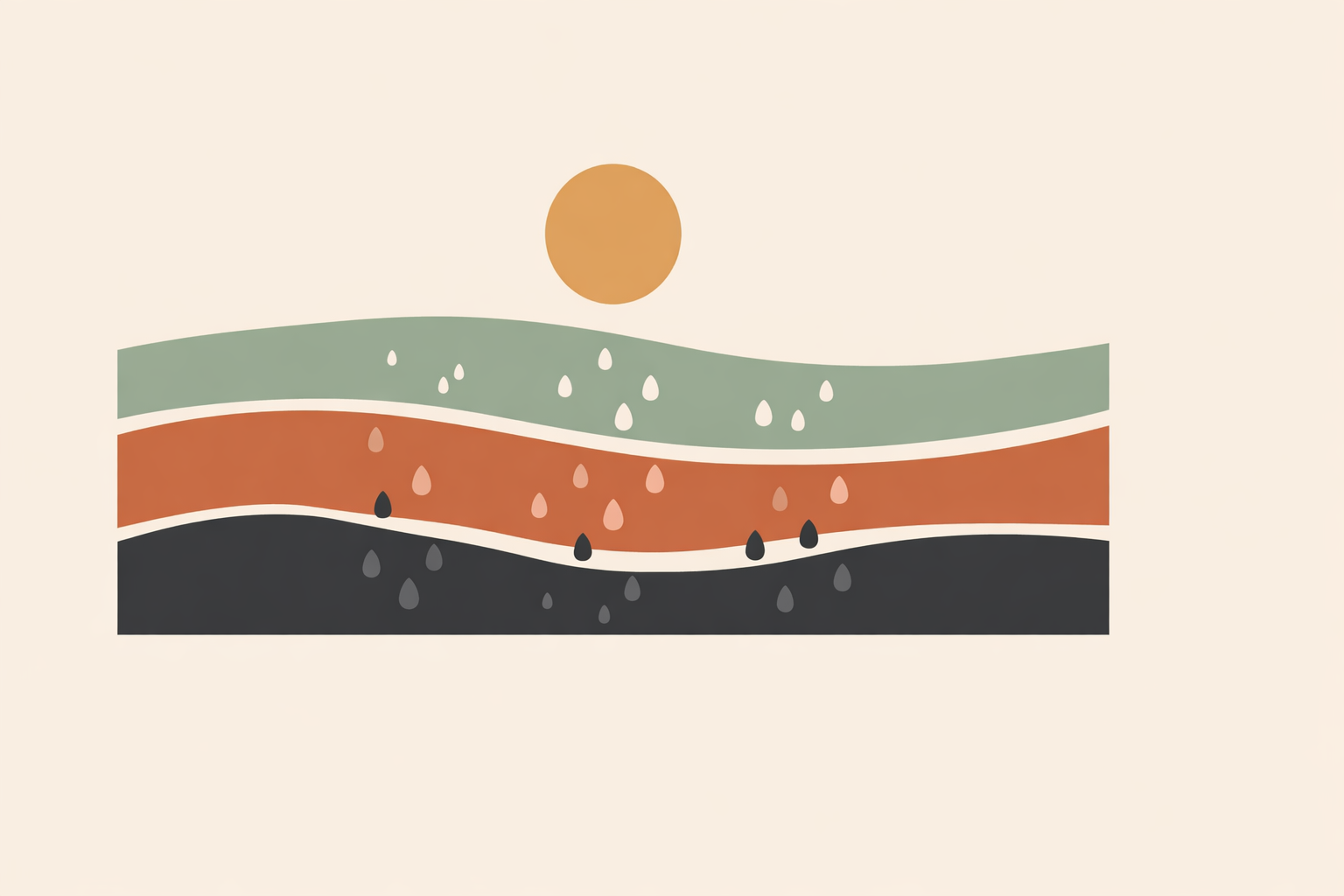
A steadier approach is to build safety in layers: protect and clarify the source, filter in a way that fits your setting, then disinfect and store the water so it stays safe.
This spreads the workload, reduces strain on any one device, and gives you backup when weather, turbidity, or outages disrupt your routine.
Key Takeaway: Off-grid drinking water is most dependable when it is built as three layers rather than one device. Start by choosing and protecting the cleanest source available, then use filtration suited to your actual water and maintenance capacity, and finish with disinfection and storage habits that prevent recontamination. This layered approach is easier to maintain, more adaptable in difficult conditions, and better suited to real households and communities.
Layer 1: Protect and clarify the source
The cleaner the source at the beginning, the easier every later step becomes. This layer saves time, preserves equipment, and often determines whether the rest of the system feels steady or constantly strained.
Choose the cleanest source you can
Start upstream whenever possible. Rainwater from a clean roof, a protected spring, or a well in good condition is often far easier to manage than surface water exposed to runoff, animals, and roadside pollution.
For rainwater, small habits add up: keep catchments clean, use mesh screens, maintain gutters, and divert the dirtiest first runoff after dry spells, especially in rainwater harvesting systems meant to last. For wells and springs, use practical barriers like covers and screens, keep drainage moving away from the opening, and clear the perimeter so stormwater sheds outward.
These steps matter because pretreatment reduces what later stages must handle. They help keep suspended matter from becoming a bigger downstream problem.
It also pays to be realistic about chemicals. Many household setups cannot effectively address chemical contaminants. If fuel leaks, pesticides, or industrial runoff are plausible, changing the source is often the strongest move.
Finally, keep raw and finished water completely separate. Closed, narrow-opening containers are a practical choice for finished water because they reduce contamination during storage and use.
Clarify cloudy water before filtration or disinfection
Cloudy water needs special respect. Turbidity isn’t just cosmetic; it directly affects performance later on. WHO notes that turbidity reduces disinfection effectiveness, so clarification belongs at the front of the line when water is muddy.
A time-tested step is to let water settle, then gently pour off the clearer top portion before filtering or boiling. It won’t solve everything, but it often makes the next layer work far better.
After storms, a sacrificial prefilter upstream can save your main unit. A sediment screen or clean cloth barrier won’t “finish” the water, but it can catch coarse material and slow down clogging.
If water smells like fuel or shows a chemical sheen, don’t push forward assuming household steps will make it suitable for drinking. Pause and find a cleaner source.
Layer 2: Choose the right filter for your context
Filters shine when they match your actual water, your energy options, and your maintenance rhythm. Labels can be broad; a dependable setup is specific.
Match the filter to the water, not the label
Different filter types do different jobs:
- Sediment screens and spun-poly cartridges reduce sand, rust, and silt. They are excellent as prefilters.
- Ceramic filters can reduce microbes and suspended solids when they are intact and properly maintained.
- Hollow-fiber and ultrafiltration systems are strong for bacteria and protozoa, and some are designed for finer removal.
- Activated carbon improves taste and odor and may reduce some organics, but it is not a universal answer.
- Reverse osmosis is often chosen when broader contaminant reduction is needed, though it is slower and more demanding to run.
- Distillation can be very effective in the right context, but it is slow and fuel-intensive.
- Slow-sand filtration is low-tech, spacious, and patient by nature, but often deeply rewarding where it fits.
Viral removal is a key distinction. Many microfilters do not remove viruses reliably. Systems like ultrafiltration and reverse osmosis are the kinds designed for virus removal when appropriately rated and used correctly.
Slow-sand filtration deserves a special mention. With time to mature, it can offer strong microbe reduction, especially for protozoa and bacteria. It rewards consistent use and enough space to set it up well.
Choose a setup you can maintain
The best filter is the one your household will actually care for. Gravity systems are often a strong off-grid choice because they don’t need electricity, but they still depend on cleaning, replacement parts, and regular observation.
Where water quality swings with weather, prefiltration earns its place. Upstream sediment reduction can avoid clogging and keep the whole system smoother day to day.
Filter limits also deserve honesty. Many sediment, ceramic, and basic carbon cartridges don’t handle dissolved contaminants well. In broad terms, most household methods do not reduce most chemical contaminants. If chemicals are part of your context, plan a separate drinking-water strategy instead of relying on a standard cartridge.
Fit-for-place design is what lasts. A simple setup that people use consistently often outperforms an advanced setup that gradually gets skipped.
Layer 3: Disinfect and store water so it stays safe
After clarification and filtration, the final layer is about finishing well and protecting your work afterward. Many systems lose ground here because handling slips, not because the earlier steps were poor.
Use disinfection methods that fit your fuel, power, and time
Disinfection addresses microorganisms that remain after filtration. The best method is the one you can repeat reliably with the resources you have.
- Boiling is dependable and easy to teach, though it uses fuel.
- Chlorination is portable and practical when used correctly, especially as part of a household backup plan.
- Ultraviolet systems are effective with clear water, but they depend on power or device readiness.
- Solar disinfection can work well in bright conditions when the method is followed carefully.
Clarity still matters at this stage. Suspended particles interfere with several disinfection methods, so clarification stays a priority whenever the source is visibly muddy.
A steady rhythm usually works best: clarify if needed, filter, disinfect using your chosen method, then move the finished water straight into a clean storage container.
Safe storage is part of the system, not an afterthought
Even well-prepared water can become contaminated again during transport, pouring, or storage. WHO notes contamination commonly happens during transport and storage, which makes storage a true part of the system.
Use covered containers with narrow openings, ideally with a spigot. Avoid dipping cups or hands into stored water. Keep raw-water and finished-water containers separate and clearly labeled.
Regular cleaning helps as well. Sanitizing taps, lids, and storage vessels can prevent bacterial growth and reduce recontamination over time.
Household teaching belongs here too. A short rule like “only the tap touches the cup” is often what keeps standards steady when several people share the system.
Simple three-layer setups for urban and rural homes
The same layered principles work in both urban and rural settings. What changes is the footprint: space, source choices, and how easily you can get supplies.
Urban setups: compact and modular
In apartments and townhouses, storage has to be intentional. Compact systems tend to work best: a clean reserve, a gravity filter, a backup disinfection option, and separate finished-water containers.
For many households, storing 20 to 40 liters per person is a practical preparedness target. Treat it as a workable range rather than a rigid rule.
Urban environments can also bring special concerns around runoff and surrounding infrastructure. In some locations, road residue or industrial contamination justifies extra caution and, where relevant, a higher-reduction option reserved for drinking water.
Community support strengthens urban resilience. Shared carts, spare containers, role-sharing during outages, and neighbor check-ins make a small-space plan far more workable.
Rural setups: use gravity, space, and redundancy
Rural systems often have more room, which makes gravity-fed layouts, larger storage, and slower filtration methods especially practical. Protected roof catchment, spring boxes, settling containers, slow-sand units, and covered cisterns often fit naturally in self-sufficiency planning.
Redundancy matters in rural design. Manual backups, two disinfection options, spare gaskets, and a layout that still works during a power cut can carry a household through longer interruptions.
Because replacement parts may take time, rural systems do best when they tolerate pauses in maintenance and repair. Continuity is the goal: the setup stays workable even when one piece is delayed.
Place-based knowledge also belongs in the plan. Long-time residents and Indigenous communities often hold detailed understanding of seasonal flow, first-rain patterns, and watershed behavior. When that knowledge is engaged respectfully and paired with careful water-safety habits, the system becomes stronger and more grounded.
Keep the system dependable with simple routines
Reliability comes from rhythm. A small, repeatable routine keeps standards high without burning people out.
- Weekly: check source cleanliness, clear screens, inspect lids and taps, and notice changes in water clarity or flow.
- Monthly: rinse sediment housings, clean filter elements as directed, and sanitize storage containers and spigots.
- Seasonally: inspect tanks and covers, trim back branches, review backup disinfection supplies, and check whether any vulnerable parts need replacing.
A simple written log helps: date, source conditions, what was cleaned or changed, and who did it. Over time, that turns your system into shared household knowledge.
A small backup kit prevents stress during disruptions: spare cartridges or candles, cloth prefilters, chlorine supplies, a lighter or fuel for boiling, replacement seals, and a brief written reminder of your sequence.
Teach at least one other person to run the full process. Resilience lives in shared skill as much as it lives in equipment.
Conclusion: build confidence through layers
Off-grid water confidence usually grows from a modest, teachable structure: protect and clarify the source, filter to match real conditions, then disinfect and store with care. Layers give you overlap and room to adapt when conditions change.
When refining a setup, aim for one practical upgrade in each layer. Improve source protection, make clarification easier when water turns cloudy, get clear on what your filter does and does not do, and tighten storage habits so finished water stays finished.
As with any household practice, pay closest attention to moments of stress: storms, outages, and rushed handling. If chemical contamination is plausible in your area, treat that as a hard line and choose a safer source whenever you can. Done consistently, layered steps create steadier water, less waste, and the confidence to support others when uncertainty shows up.
Build Self-Sufficiency Water Skills
Apply these layered water habits with the Self-Sufficiency Certification for resilient off-grid routines.
Explore Self-Sufficiency Certification →