Many practitioners try to fit deep inner work into tidy, linear programs: a six-week arc, a stacked price ladder, a worksheet bundle. Then real life shifts, energy dips, and adding “more content” only creates more friction. Linear offers can also flatten genuine constraints—grief anniversaries, menstrual phases, weather, caregiving, migration, and work cycles—so engagement varies and facilitation starts to feel like pushing. A steadier approach is to stop fighting rhythm and build with it.
Key Takeaway: Anchor your practice in one seasonal ritual spine and scale the depth of holding across three offers. Start with a simple self-guided Seasonal Reset, expand into a consent-centered Seasonal Circle, and deepen into a personalized 1:1 Embodiment Journey. Keep the same core arc—threshold, inquiry, embodied practice, ritual action, reflection, integration—while adapting the level of contact, personalization, and support.
Why Seasonal Self-Care Works as the Spine of a Three-Offer Pathway
Let the season lead. Across cultures, ritual gathers around sowing and harvest, retreat and return, because rhythm helps people orient to change. Seasonal work gives clients a container that already makes sense: a time to listen, a time to release, a time to gather, and a time to begin again.
It’s also practical. Human biology and behavior shift across the year, and research reviews describe seasonal effects on mood, sleep, feeding patterns, metabolism, hormones, and more. For practitioners, that reinforces what traditional lineages have always known: seasonality supports pacing, reflection, and everyday well-being.
A sacred feminine lens takes cyclical life seriously. It welcomes thresholds, archetypal inquiry, and ecological attunement without turning the process into something complicated. Often it’s the repeated, steady gestures that do the most: a dawn walk, a kitchen altar with seasonal foods, a moon journal, or a weekly candle at dusk.
Picture “Late Winter: The Listening Season.” Your entry-level offer might invite 20 minutes of stillness, a guided visualization to meet the inner Elder, and a one-line intention. The group tier adds shared reflection and a paced rhythm. The 1:1 tier adapts the same arc to menstrual phases, grief anniversaries, access needs, family life, and work demands.
Seasonal work also stays alive when it’s consent-led and place-aware. Not everyone lives with four crisp seasons, and not every body matches the calendar. Invite clients to define “this season” through climate, culture, disability, migration, caretaking, faith, and lived reality.
Build One Seasonal Ritual Spine, Then Scale the Holding
Create one shared seasonal spine, then deliver it at three levels of contact. This keeps your pathway coherent, reduces overbuilding, and helps clients choose a depth that fits their capacity.
A simple seasonal spine might include:
- an opening threshold
- a central inquiry
- one or two embodied practices
- a ritual or symbolic action
- reflection and meaning-making
- a closing integration step
One ritual arc can expand or contract without losing its heart.
Consider “Autumn: The Art of Letting Go.”
- Opening threshold: light a candle and name one leaf you are ready to release.
- Central inquiry: “What am I carrying that no longer carries me?”
- Embodied practice: 8 minutes of slow-exhale breathing and gentle movement.
- Ritual action: write the “leaf” on paper and place it under a stone or in a bowl of soil.
- Meaning-making: three journal prompts and a values check.
- Closing: a one-week micro-experiment such as unsubscribing from two inputs per day.
Many facilitators lean on long exhales because slow breathing supports autonomic regulation. Gentle movement pairs well with ritual work because it helps people arrive in their bodies before they reflect.
From there, scale the same spine cleanly:
- Self-guided Seasonal Reset: orientation, one guided audio, three prompts, one integration action.
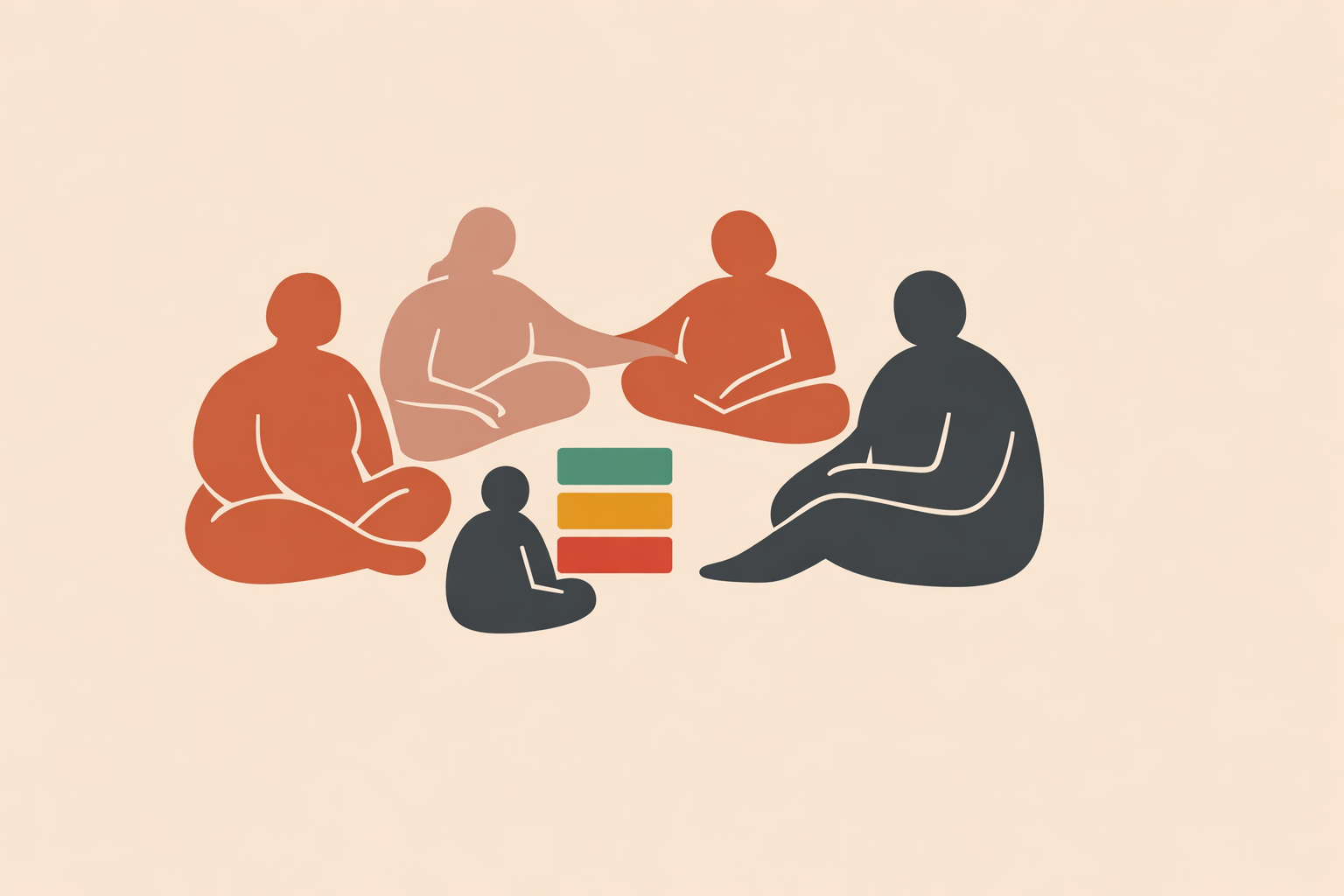
- Seasonal Circle: small-group facilitation, weekly themes, social witnessing, optional between-session practices.
- Seasonal Embodiment Journey: personalized assessment, co-designed rituals, and adaptations for cycle awareness, grief, access, and cultural context.
When planning, scan alignment across five areas: client need, your capacity, seasonal relevance, ethical scope, and business sustainability. When those line up, the offer becomes easier to deliver and easier to receive.
Offer 1: Seasonal Reset for a Self-Guided Threshold Ritual
Start small. A strong reset solves one narrow need and stays choice-based. Its job is to introduce ritual gently, honor boundaries, and offer a meaningful first experience.
What it solves might sound like this:
- “I feel disconnected from the season and want a short way to mark this transition.”
- “I want a rhythm that helps me downshift in the evening.”
- “I want a simple practice I can repeat without overthinking it.”
Suggested structure:
- Season orientation: a short audio on the season’s archetype with a note on local adaptation.
- One central ritual: a 12–15 minute guided visualization and breath sequence.
- Three prompts: “What wants to be heard? What can rest now? What support do I accept?”
- One integration action: a small behavior such as a set screen-free hour or a nightly cup of a chosen herbal ally.
- Closing: a clear choice to continue, repeat, or complete the practice.
A simple example is “Winter Reset: The Listening Cup.” Clients hear a 14-minute audio, meet the Elder archetype, then sip a warm drink and free-write three lines. The integration action might be blocking 15 quiet minutes twice a week and marking that time in the calendar as unavailable.
Keep the scope tight. A reset works best as one doorway, one rhythm, and one next step. Deliverables can stay humble: a short ritual guide, one audio, a one-page tracker, and a brief reflection sheet.
This is also where clean boundaries shine. No pressure to disclose, no dramatic promises, and no intensity for its own sake. People should be able to adapt, pause, or step away feeling resourced rather than overwhelmed.
Offer 2: Seasonal Circle for Shared Rhythm and Belonging
In a circle, the same seasonal spine becomes communal. Your role is to host rhythm, pacing, consent, and enough structure for shared reflection to feel steady.
A practical cadence is 5–8 weeks, meeting weekly or biweekly, with a clear opening, themed sessions, and a closing integration gathering. Keep participation flexible: speaking can be optional, private writing counts as full participation, and witnessing can matter as much as sharing.
Here is one sample session for “Release and Receive”:
- Arrival: two minutes of quiet and noticing contact with the floor.
- Agreements refresh: confidentiality, no unsolicited interpretation, no required touch.
- Guided practice: breath-led movement and a short visualization.
- Reflection: small-group sharing or private journaling.
- Ritual: each person places a “leaf note” into a bowl; a bell closes the moment.
- Integration: one optional home practice and a check-in question for the group space.
Boundaries make group work trustworthy. Name confidentiality expectations clearly. Let people modify or pass. Keep disclosure from becoming performance. A short, consistent invitation helps: “You are invited to try this and may watch, adapt, or pause at any time.”
To strengthen community without turning the space into analysis, use witnessing prompts such as:
- “What did you notice in yourself as you listened?”
- “What part of today’s theme stayed with you?”
- “What feels supportive to carry into the week?”
Small seasonal touches can deepen the experience without overcomplicating it: a shared playlist, a recipe exchange, a collective nature-sit invitation, or one communal altar prompt everyone interprets in their own way.
Offer 3: A Seasonal Embodiment Journey for Personalized 1:1 Support
The highest-touch tier focuses on attunement. You co-create a map for the season of a client’s life and shape the ritual arc around their actual circumstances.
Core elements often include:
- intake and intention-setting that explore life transitions, cycle awareness, access needs, and spiritual or cultural context
- a personalized seasonal assessment: what is ending, what is arriving, what feels resourced, what feels tender
- ritual design: a home altar, weekly threshold, or closing rite adapted to culture and capacity
- embodiment tools such as gentle breathwork, visualization, and simple movement
- between-session check-ins and a measurable micro-experiment
- a closing review with a personal seasonal map the client keeps
A seasonal map might include:
- Transition: “Leaving my role by March.”
- Desired quality: “Steady courage.”
- Resources: “Morning light, partner support, grandmother’s prayer.”
- Constraints: “Time-blindness, school pickup, low evening energy.”
- Practices: “Two dawn walks, one Sunday soup ritual, one weekly journaling page.”
- Boundary: “No work messages after 7 p.m.”
- Experiment: “Track sleep for two weeks and reduce one commitment if rest drops.”
This 1:1 format is especially supportive for people who don’t feel at ease in groups, who are moving through layered grief, or who need substantial adaptation for capacity, culture, or daily life. It’s a pattern many facilitators recognize across seasons of practice.
Over time, seasonal work builds trust in timing. People get better at noticing when to gather energy, when to simplify, when to let something compost, and when to begin again.
Measurement can stay client-defined and humane:
- “I took three evenings of rest without guilt.”
- “I kept my Tuesday threshold ritual.”
- “I asked for help once.”
- “I noticed what drains me sooner.”
Make Every Offer Ethical, Inclusive, and Culturally Rooted
Ethics is the vessel that keeps ritual work spacious, respectful, and grounded.
Start with clear agreements. Outline your role, session format, communication channels, fees, cancellations, confidentiality expectations, and the limits of your support. Clear role definition helps people choose wisely and prevents confusion later.
Then make exits obvious. Every tier needs a transparent way to pause, end, or redirect if that’s what’s needed. People enter more confidently when closure is straightforward.
Cultural respect matters just as much. You can work with universal ritual functions—transition, gratitude, release, reflection, commitment—without copying closed ceremonies, sacred names, or culturally specific objects that aren’t yours to use. Working with function, rather than borrowed symbolism, is often the most respectful choice.
Place-based practice helps: weather observation, plant journaling, moon tracking, gratitude for a local watershed, or a simple act of ecological care can carry a strong seasonal theme without claiming authority over traditions that belong to others.
When a practice has identifiable cultural roots, attribution and reciprocity are minimum standards. Credit lineages. Avoid extraction. Seek guidance where appropriate. Give back where possible.
Two simple lines can strengthen your materials:
- Consent language: “Everything here is an invitation. Adapt, pause, or decline any practice.”
- Scope language: “I facilitate ritual and reflection for well-being. If you need a different kind of support, I will help you identify next steps.”
Link the Three Offers Into One Coherent Seasonal Pathway
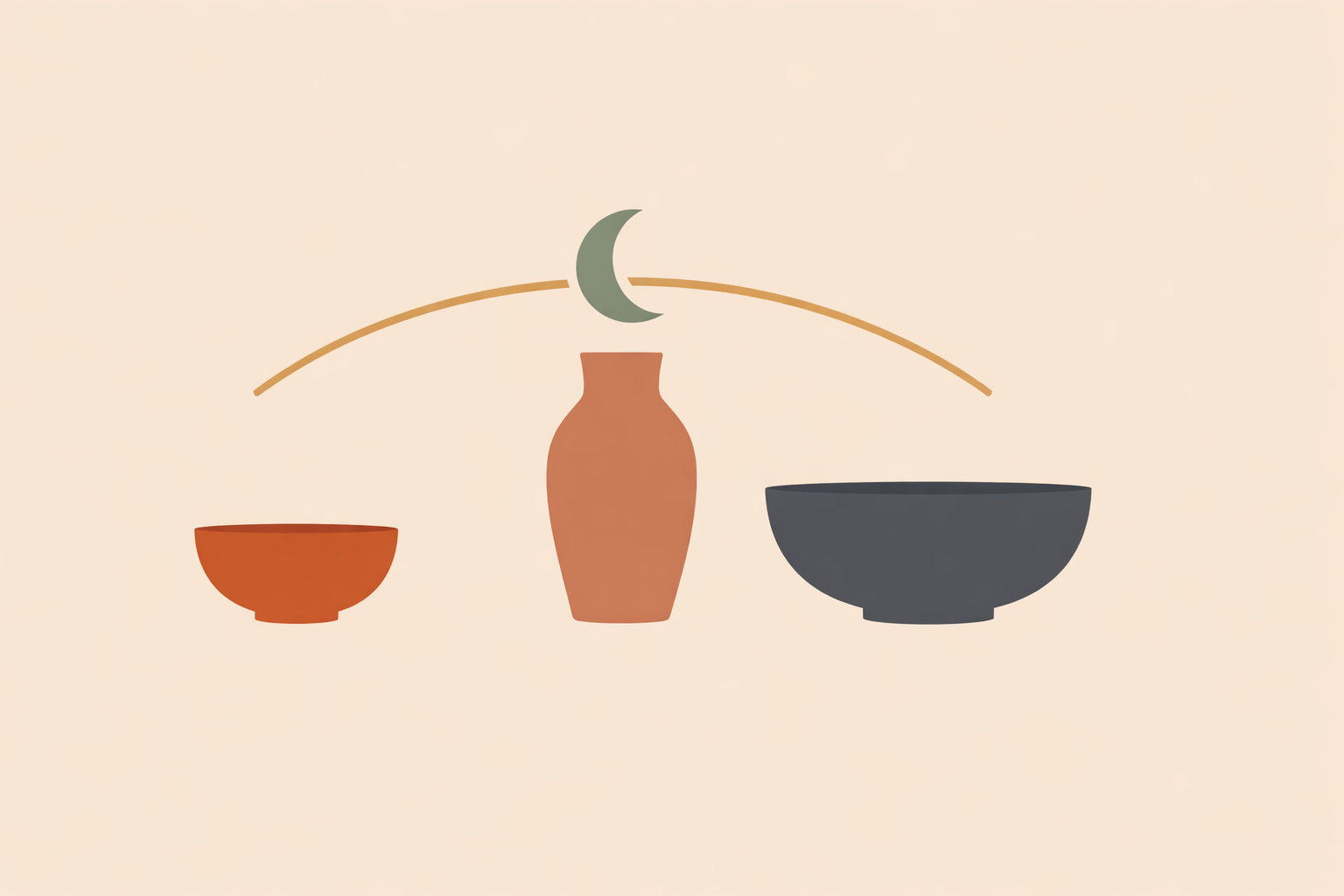
Think of your pathway like nesting bowls. Each tier holds the same seasonal heart with more or less contact, not more or less worth.
Make choice easy with plain guidance:
- Seasonal Reset: best for a self-paced introduction to the season’s theme.
- Seasonal Circle: best for shared rhythm, live guidance, and community reflection.
- Embodiment Journey: best for tailored support through a transition, constraint, or highly specific season of life.
Protect autonomy as you describe these options. Avoid implying the highest-priced tier is the most evolved or meaningful. The difference is personalization, feedback, pacing, and adaptation.
Teach reusable skills across all three offers: noticing patterns, reflecting independently, and creating rituals clients can continue without relying on you as the sole interpreter of their experience. That keeps the work empowering.
Endings matter, too. Close each offer with a client-owned next step: a ritual plan, a seasonal map, or a values-aligned schedule for the coming weeks.
If you invite people into a next offer, keep the tone gentle. Completion is as valid as continuation.
Finally, review your own rhythm after each launch. Did the pacing protect your rest? Did the pathway feel coherent? Did flexible payment options widen access? Some evidence suggests installment plans can increase participation, and it matches what many practitioners see: flexibility changes what becomes possible.
Turn One Seasonal Intention Into Three Aligned Offers
Choose one seasonal intention—Rest, Release, or Return—and let it become a coherent trio: a simple Reset, a shared Circle, and a personalized Embodiment Journey. Keep the ritual spine consistent, scale the depth of holding, and root the whole pathway in consent, clarity, and cultural respect.
You don’t need three completely different programs. You need one honest seasonal arc, delivered with care at three levels.
A simple sketch might begin like this:
- Seasonal intention and archetype: “Winter — Listening — Inner Elder.”
- Reset: “15-minute hearth ritual.”
- Circle: “6 weeks of shared rhythm.”
- 1:1: “personalized seasonal map.”
Share what your offers support without promising what they cannot. Make boundaries easy to understand. Let clients own the pace. Allow your practice to move more like a season than a machine.
That’s often where the work becomes both simpler and deeper: one rhythm, many doorways, and enough spaciousness for people to meet the season in a way that is truly their own, whether through sacred feminine healing in everyday practice or broader women’s health coaching pathways.
Deepen Sacred Feminine Healing
Explore the Sacred Feminine Healing Practitioner Certification to build ethical, consent-led ritual pathways rooted in seasonal rhythm.
Explore Sacred Feminine Healing →