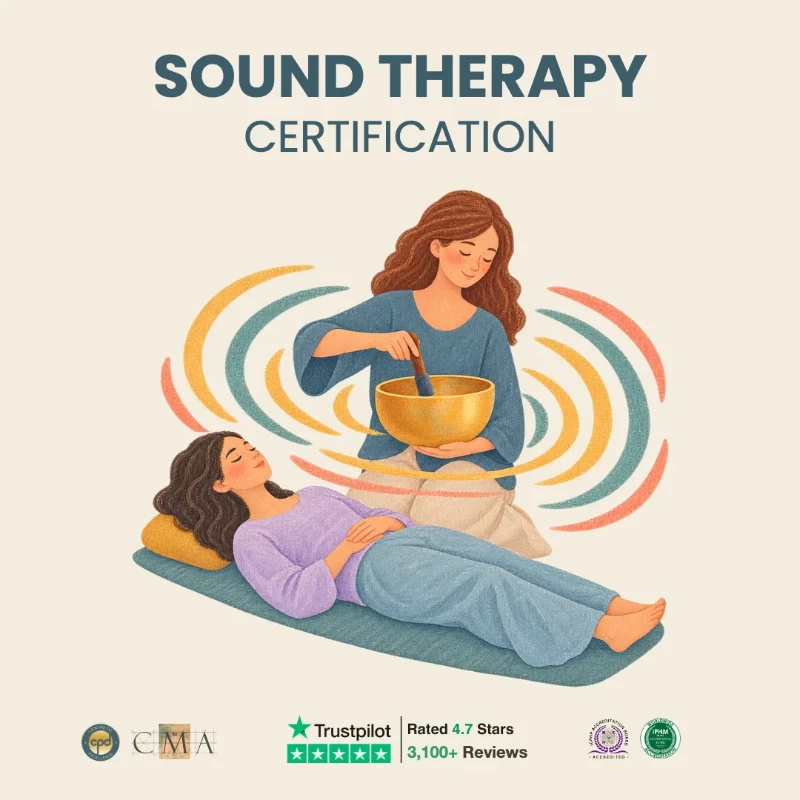
Corporate sound therapy works best in the workplace when it’s offered as a practical reset rather than a performance. Decision-makers usually want something simple, inclusive, and easy to place into a 30–60 minute slot. Teams want a settle-and-return experience that doesn’t require learning a new skill on the spot.
A well-designed sound session can meet that need beautifully. When it’s framed with clear language and steady pacing, sound becomes structured support for calmer focus, steadier energy, and a more grounded group atmosphere. Traditional roots still matter, and they land especially well when paired with strong boundaries and a predictable format.
Key Takeaway: Corporate sound therapy is most effective when it is delivered as a grounded, repeatable workplace support. The strongest offers use clear secular language, respect traditional roots, favor gentle session design over intensity, build benefits through repeated sessions and short between-session audio tools, and protect participants through consent, predictability, and scope-aware facilitation.
Why sound therapy fits workplace stress so well
Workplace stress often comes from constant input: meetings, notifications, deadlines, context switching, and very little true pause. Sound therapy fits this environment because it’s non-verbal, accessible across experience levels, and easy to receive even when people feel mentally worn out.
Group sound sessions offer a shared downshift without asking anyone to perform, disclose, or “process” in front of colleagues. That makes it workable for mixed rooms, including people who are curious and people who prefer to keep things practical and private.
There is early research pointing to lower tension and reduced fatigue after singing bowl meditation. In practice, many facilitators also see that non-verbal formats help busy teams settle faster than heavily instructional sessions.
A strong workplace framing can be very straightforward: a structured sound-based pause that supports calmer focus and steadier collaboration during demanding periods.
How to talk about sound therapy in corporate settings
The clearest language usually lands best: tone, rhythm, and silence are used to help people downshift and reset attention. Decision-makers can understand that quickly, and it can be said without flattening the tradition behind the work.
You can talk about resonance, rhythm, breath, and nervous system settling in everyday terms. Sound and music interact with the autonomic nervous system, which aligns with what many participants notice firsthand: breathing changes, the body softens, and the mind becomes less scattered.
Traditional lineages deserve respect here. Chant, bowls, drumming, mantra, and other sound-based traditions have long supported communal presence and emotional balance. In corporate spaces, it’s enough to acknowledge those roots with care, without borrowing symbols out of context or turning a session into a history lecture.
A practical bridge is to say the session is inspired by longstanding sound traditions and delivered in an accessible format for today’s workplace. That keeps the room inclusive while preserving depth.
- Useful proposal phrase: “A guided sound-based reset for calmer focus and steadier energy.”
- Useful boundary line: “This work supports wellbeing and regulation within a coaching and workplace context.”
Designing workplace sound sessions that regulate rather than overwhelm
In corporate settings, steadiness is the target. The most effective sessions are gentle, predictable, and spacious enough for participants to settle without becoming overstimulated.
A 45-minute format is often ideal because it allows time to arrive, drop in, and return without a rushed ending. The arc matters more than the number of instruments.
- Arrival and orientation: 5 minutes
- Gentle grounding with light tones and pauses: 8–10 minutes
- Steady immersion with minimal variation: 15–18 minutes
- Gradual decrescendo: 7–8 minutes
- Quiet integration: 4–5 minutes
For many offices, bowls, chimes, and tuning forks are easier to receive than very loud or heavily layered instruments. Big crescendos and dense soundscapes can feel impressive, but mixed groups usually benefit more from consistent volume and a clear rhythm.
Silence also belongs in the design. A few well-placed quiet intervals often help people integrate the experience more fully than continuous playing. Regulation tends to come from pacing and repetition.
A helpful in-session cue is: if thoughts keep moving, let the sound pass around them rather than trying to stop them. That keeps the experience low-pressure and welcoming.
Creating repeatable corporate offers: cadence, formats, and between-session support
One-off sessions can introduce the experience, but a series is where many teams feel the real value. Repetition builds familiarity and trust, and it helps people access the settling response more reliably over time.
Research on recurring mindfulness programs suggests improved sleep and less perceived stress across multi-session formats. That matches what seasoned practitioners observe across traditions: a steady rhythm supports steadier results.
Weekly sessions for a month or biweekly sessions across a quarter often fit corporate calendars well. They’re long enough to build continuity without feeling burdensome.
Between-session audio can strengthen the arc. Home listening programs have shown better sleep outcomes, which supports offering a small, intentional library people can use on their own time.
For many groups, short tracks are enough:
- 5-minute pre-meeting centering
- 8–10 minute midday reset
- 10–12 minute evening unwind
In workplace wellbeing contexts, 10 minutes a day is a realistic habit-building dose. Sound-led support benefits from the same principle: keep it short, repeatable, and easy to use within mindset and behavior change work.
Sample package structure:
- Lunch-Hour Reset: 4–6 live sessions over 6–8 weeks
- Focus Fridays: weekly live session plus one short audio between sessions
- Leadership Offsite Reset: a longer in-person immersion with pre- and post-event listening support
Consent, predictability, and ethical facilitation
Corporate rooms are mixed rooms. People arrive with different comfort levels, different nervous systems, and different relationships to sound. Skilled facilitation makes space for that variety without putting anyone on the spot.
Start with informed choice. Before you begin, name the instruments you’ll use, the likely volume range, the session length, and what options people have for participating. When people know what’s coming, they settle more easily.
Structure matters just as much as tone. Clear pacing, simple language, and visible options help participants feel in control. In sound work, that means people can sit upright, lie down, keep eyes open, use earplugs, or step out quietly and return if they want.
Keeping intensity modest is also part of responsible practice. General guidance on sound baths notes possible concerns for people with sound sensitivity or trauma histories, so choice and gentleness should be built into the experience.
A practical pre-session note might include this:
- You are welcome to sit, lie down, keep your eyes open, or step out at any time.
- Earplugs will be available.
- If you live with seizure conditions, frequent migraines, tinnitus, active trauma symptoms, pregnancy-related uncertainty, or pronounced sound sensitivity, it may be best to opt out or seek individual guidance before joining.
That tone stays clear and adult without turning the invitation into something alarming.
How to speak about results without overclaiming
The most credible promise is simple: many participants leave feeling calmer, clearer, and more settled. Over time, some also notice easier sleep, less tension, and smoother transitions back into work, especially when sessions are offered as a series.
You don’t need exaggerated claims to communicate value. Sound-based practices are widely used to support relaxation, and singing bowl meditation research suggests reduced fatigue alongside shifts in tension and mood after a single session.
Practitioner experience matters here too. Not every meaningful outcome shows up neatly in formal research, yet people describe very practical changes at work: fewer racing thoughts before a presentation, an easier reset after a difficult meeting, a clearer afternoon, or a smoother wind-down after a high-pressure day.
That’s usually enough for a proposal. Describe expected outcomes as perceived calm, focus, ease, and a team-wide reset, then track them with quick before-and-after check-ins or end-of-series pulse surveys.
- Expected experience: “Participants commonly report feeling more relaxed, mentally clearer, and better able to refocus after the session.”
- Series outcome language: “Repeated sessions may support steadier stress recovery, better sleep habits, and more sustainable pauses during demanding work periods.”
Closing perspective: corporate sound therapy with depth and integrity
Corporate sound therapy becomes valuable when it meets the workplace as it is: fast-moving, mentally crowded, and short on real pause. The strongest offers succeed because they are thoughtful, repeatable, and well-contained.
Clear framing, respect for roots, gentle design, and a consistent cadence help organizations understand the value and help participants trust the experience. Over time, the work shifts from novelty to dependable support, and for practitioners building that skill set, sound therapy certification can support a more grounded approach.
The opportunity is to create a reliable space where people can settle and return to their day with more steadiness. Keep the practice grounded, keep the container clear, and let consistency do the heavy lifting.
Explore Sound Therapy Certification
Build grounded, ethical session skills with the Sound Therapy Certification for workplace-ready sound facilitation.
Explore Sound Therapy →