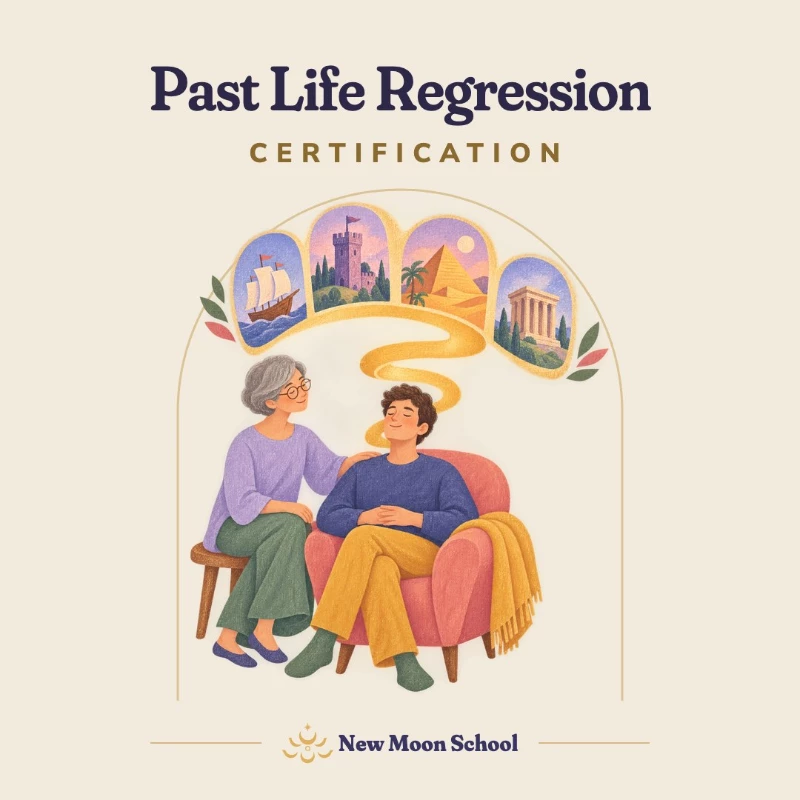
Past life regression works best when it’s held as a structured, ethical journey—one that respects traditional wisdom and pairs it with skilled, modern facilitation. From the first conversation to the final integration, a clear arc helps people relax, feel supported, and go deeper.
Key Takeaway: A strong past life regression session is a step-by-step, consent-led process—from intention and safety to induction, exploration, guidance, and grounded integration. When each phase is paced ethically and linked to present-life choices, clients are more likely to feel safe, access meaningful insight, and translate it into real change.
Past Life Regression Session Flow: From First Word to Final Integration
Past life regression works best when it’s held as a structured, ethical journey—one that respects traditional wisdom and pairs it with skilled, modern facilitation. From the first conversation to the final integration, a clear arc helps people relax, feel supported, and go deeper.
Most experienced facilitators follow a familiar rhythm: intention and consent, induction and deepening, exploration of one or more lives, contact with guidance, and grounded integration. Naturalistico’s resources reflect this full flow, and many contemporary guides describe a similar sequence—from intention-setting and relaxation to portal imagery, key scenes, the Last Day, Life Between Lives, and a careful debrief.
When the journey is well held, people often describe insights that ordinary conversation rarely unlocks. Qualitative reports note breakthroughs around long-standing fears, patterns, and emotional struggles—especially when what’s revealed is met with compassion and linked back to present-day choices.
Frederick Lenz captured the spirit of this work: “Life is like a piece of string with a lot of knots tied in it. The knots are the karma you're born with from all your past lives, and the object of human life is to try and undo all those knots.” A strong session flow helps you loosen what’s ready—patiently, in order Frederick Lenz.
Intention & Ethical Container: From First Contact to Clear Focus
Clarity and care start the moment someone reaches out. The first step is turning curiosity into a focused, ethically framed intention—the thread that will guide everything that follows.
From casual curiosity to a grounded regression intention
Begin with generous listening. Let the person share what’s drawing them in—relationships, repeating fears, creative blocks, life direction—then reflect it back as a simple, workable intention. Many traditions frame this as sending up the intention so the inner journey can organize itself around what matters most.
Before any trance work, explain the arc of the session, boundaries, and what they might notice. Naturalistico’s scripts emphasize this pre‑session briefing—co-creating the container so there are no surprises later.
Keep consent active and adult. Make room for multiple ways of understanding what arises: literal, symbolic, or “not sure yet.” What matters most is whether the experience supports present-life growth and self-understanding. This grounded approach is at the heart of consent‑centered work.
It’s also wise to acknowledge the wider discourse with respect. Mainstream psychology often classifies past life regression as pseudoscience, frequently pointing to suggestion and memory processes under hypnosis. Naming this clearly, and centering consent, supports autonomy and strengthens trust.
Preparing Space and Client: Safety, Protection, and Pre‑Trance Briefing
Once the intention is set, the next job is helping the whole system feel safe—body, emotions, and attention. Thoughtful space, simple ritual, and unhurried pacing make depth feel possible.
Designing a safe, high‑vibrational container
Start with comfort. Invite the person into a supported position (many prefer a recliner or cushioned chair), then use a brief protection practice—often a white‑light ritual that welcomes only what serves their highest good. Think of it like closing the door to noise so the inner world can speak.
Next, co-create the agreements. Naturalistico’s approach includes co‑created agreements around pacing, preferred language, how to signal needs, and what “grounded” feels like for this person today.
If you’re facilitating online, reduce friction early. Confirm guidelines, do a quick tech check, set a backup way to reconnect, and agree on what happens if the connection drops—core online best practices that keep the container steady across distance.
For group journeys, the container is naturally lighter and less tailored, with shared induction and broader prompts. When held well, though, participants often describe meaningful connection and emotional release in group journeys.
As Brian L. Weiss reminds us, “Patience and timing… everything comes when it must come.” A stable container makes that timing easier to trust Brian L. Weiss.
Guiding the Descent: Induction, Deepening, and Client Control
Induction and deepening invite the mind to quiet and the body to soften—without ever taking away choice. The aim is receptive focus, not control.
Balancing trance depth with client autonomy
Many facilitators begin with breath and progressive relaxation, often guided from head to toe. That steady sequencing—classic progressive relaxation—helps the nervous system settle one layer at a time.
Then deepen with imagery and counting. This often supports a dreamlike but lucid state associated with theta brainwaves, where inner material can surface more freely.
Throughout, keep autonomy explicit. People remain in full control: they can speak, move, slow the pace, ask questions, or pause completely. Essentially, the critical mind softens—but the person stays in charge.
In practice, a simple induction, a clear deepener, and light use of fractionation can be enough to create vivid first-person immersion. As James Pandarakalam notes, “It is the depth of trance that is significant for better recall in past life regressive,” so it’s better to deepen patiently than to push depth of trance.
Walking Through the Past Life: Portals, Key Scenes, and the Last Day
Once the threshold is crossed, your role is to help the story unfold safely and meaningfully—scene by scene—until it naturally reaches the Last Day with steadiness and respect.
Letting the past‑life narrative unfold safely
Use a gateway image—doorway, hallway, mirror, landscape—and invite the person into the life most relevant to the intention. Many lineages hold this as portal imagery, guided by inner wisdom or a Spirit Team.
Once they arrive, orient gently with simple questions: What are you aware of? What are you wearing? What’s under your feet? From there, follow the current through meaningful moments—relationships, challenges, ordinary days—without rushing ahead.
When it’s time, guide them toward the Last Day. This is commonly experienced as observation rather than overwhelm, with sensation held as information instead of fully re-lived pain Last Day experience. Many exploratory scripts also invite compassionate reframing—such as having the present-day self offer steadiness or a message to the self within the scene.
If intensity rises, slow down. Return to breath, reconnect to the intention, and use stabilizing supports instead of pushing through. Naturalistico offers practical calming techniques that help keep the journey both safe and productive.
Case material often describes practical shifts after this phase—for example, a long-standing fear of water softening after the person explored and processed a related narrative fear‑of‑water example.
Meeting the Spirit Team: Life Between Lives and Higher‑Level Insight
After a life story resolves, many sessions open into a wider field of guidance. This is where meaning, direction, and deeper patterning often come into view—always in service of the original intention.
Holding Life Between Lives as a wisdom space
From the Last Day, invite expansion into Life Between Lives—a wisdom space where guides, ancestors, or the person’s Higher Self may be felt or imagined. This is often where karmic threads, soul-level choices, and recurring themes are explored with a broader lens.
Hold interpretation lightly and keep meaning personal. Naturalistico’s approach emphasizes present‑life application: what matters is what the person recognizes as true for them, and how it supports their next steps.
Some psychologists suggest the imagery may sometimes reflect present-life material expressed symbolically. Even so, it can still be useful: clients who viewed their experiences as metaphorical have shown psychological improvements, and practitioner-led inquiry frequently brings breakthroughs when people engage sincerely with what arises.
Frederick Lenz put it simply: “All the records of your past lives are contained within your own mind.” In session terms, the person’s inner wisdom already knows what it’s ready to reveal; your job is to ask clean questions and protect the space where the answers can land Frederick Lenz.
Returning, Grounding, and Integration: Turning Stories into Real‑Life Shifts
Integration is where insight becomes lived change. A careful return, a steady debrief, and practical next steps help the experience translate into everyday life.
Grounding the body
Close with breath, gentle movement (fingers and toes), and an image of rooting into the earth. Re-orient with simple cues—colors in the room, sounds, the feel of the chair—and invite a sip of water. Naturalistico’s grounding process keeps consent central through the final count-up to alertness.
Allow a softer landing. Strong sessions can leave people feeling open, so give a few quiet minutes after emergence—no rush, no heavy interpretation—followed by a gentle debrief using supportive closing scripts.
Translating insight into action
Encourage a brief reflection within 24 hours—notes or a short audio capture—focused on what felt important and what feels actionable. Then co-create small next steps: a boundary, a conversation, a simple ritual, a creative risk, a long-delayed “no.” Naturalistico’s non‑leading prompts help the meaning rise from within (for example: “What does this want for you now?”).
Measure impact by real-life shift, not drama. One analysis reported that 84% reported relief or improvement in the issue they focused on, and other reports describe lasting emotional benefits when insights are integrated with intention.
As Brian L. Weiss writes, “Someday your current life will become another past life.” Integration is how the journey earns its place—by shaping how someone shows up now, with more steadiness and clarity Brian L. Weiss.
Conclusion: Designing a Past Life Regression Session Flow That Fits Your Practice
Regression is, at its heart, the craft of sequencing. When each phase builds on the last—intention and consent, a co-created container, a steady descent, respectful exploration, a dignified Last Day, expanded guidance, and grounded integration—the process becomes both safer and more meaningful.
It also helps to be transparent about the larger conversation. Many scientists regard past life regression as pseudoscience and interpret experiences through suggestion and memory. Other researchers propose that regression content can be present-life material arising in symbolic form. Traditional and ancestral approaches can hold this context without losing confidence in what centuries of story, ritual, and lived practitioner observation continue to demonstrate.
Keep your sessions purpose-led. Guidance in the field suggests people tend to benefit more when work is oriented around focused intentions, and across reports practitioners continue to observe meaningful breakthroughs when the process is ethical and integration is taken seriously.
Ultimately, build a flow that fits your style and values—one that respects cultural roots, welcomes personal spirituality without appropriation, and treats people as thoughtful adults. Refine your scripts, your pacing, and your integration planning. When structure is paired with kindness, regression becomes what it’s meant to be: a steady way to loosen old knots so a freer life can emerge.
Master Past Life Regression
Apply this full session flow with confidence in Naturalistico’s Past Life Regression course.
Explore Past Life Regression →