Attunement day is often followed by a reality check: your system can feel off-kilter while work, family, and everyday responsibilities keep moving. Fatigue, headaches, stomach sensitivity, or a wired, floaty state can make simple tasks feel oddly effortful. For those who plan to support others with Reiki, these first days quietly test boundaries, self-awareness, and steadiness.
The most helpful response is usually not to chase intensity, but to build a container your system can trust. Ground first. Practice simply. Let emotions move without making them a storyline. Stay connected to ordinary life—and to people who can mirror your experience with maturity. That’s how post-attunement discomfort becomes usable capacity.
Key Takeaway: Post-attunement integration is most sustainable when you pace the process: ground your body, practice daily self-Reiki, and allow emotions to move without over-interpreting them. Steady community support and clear boundaries help you stay functional and ethical as sensitivity increases.
Use daily self-Reiki to stabilize integration
A consistent self-Reiki rhythm helps turn a big energetic opening into something livable. Rather than pushing for intensity, it offers repeated moments of familiarity and regulation.
Many lineages encourage a focused period of daily self-Reiki after attunement, often around 21 days. The most sustainable approach is usually simple: short sessions once or twice a day, especially if you’re sensitive. The aim isn’t fireworks. It’s steadiness.
Basic hand positions—head, heart, abdomen—cover a lot of ground. Over a few weeks, practitioners often notice calmer mornings, fewer abrupt wake-ups, and an easier time digesting both food and emotion. In some settings, Reiki sessions have been associated with improved sleep, which fits what many people observe firsthand when they practice consistently.
“Reiki is the best vibration for helping someone to relax well and deeply.”
- Weeks 1-3: Try 10 minutes on waking and 10 minutes before bed using simple hand positions.
- Titrate gently: If you feel overstimulated afterward, shorten the next session. If you feel settled, stay consistent rather than adding more.
- Track lightly: Note one line a day on sleep, mood, and dreams so patterns become easier to see.
- Keep your standard simple: Steady is more useful than intense.
Self-Reiki works best as relationship, not performance. It becomes the place you return to while other layers continue to unfold.
Make space for emotional release without bypass
As the attunement settles, emotional material often becomes easier to feel. Tears may surface unexpectedly. Old memories can reappear. Dreams may become vivid. None of this needs to be inflated—but it does deserve room.
In practitioner experience, emotional waves after attunement are common, and many teachers understand them as previously held material moving into awareness so it can be met more cleanly. Just as important: subtle integration is every bit as valid as dramatic integration.
A little structure keeps things grounded. Brief journaling can help you stay close to what’s actually happening instead of spinning stories. And staying engaged with routine—work, meals, movement, household tasks—can prevent the process from tipping into dissociation or spiritual theatrics, especially in the first few weeks.
“To heal from the inside out is the key.”
- Name it: Quietly identify the feeling and where you notice it in the body.
- Offer contact: Place a hand over the heart or belly and breathe without forcing a shift.
- Tend dreams simply: On waking, note three images and one feeling rather than trying to interpret everything.
- Re-enter the room if needed: Feel your feet, look around, and say the day and date out loud.
- Keep life moving: Meals, errands, and walks are part of integration too.
Emotional weather is movement, not identity. Meet it with presence and proportion.
Lean into community and mentorship
Integration is often easier when it isn’t done alone. Hearing that others have had similar experiences can bring immediate relief and help fear soften into perspective.
That’s one reason shared spaces matter: peer-based support can help by reducing distress through normalization and shared understanding. In Reiki circles, this can be wonderfully practical—someone names a strange post-attunement sensation, and others calmly confirm, “Yes, that phase can happen.”
Strong community isn’t just warm; it’s well-held. Clear agreements, respectful listening, and mature facilitation create a container where experience can be named without being exaggerated. And when the opening feels big, consistent guidance matters—research on intensive spiritual experiences suggests ongoing guidance can shape whether it becomes lasting change or stays a temporary peak.
“It has been enlightening, profound and quite literally transformative.”
“I practice and train students in the need for strong and clear Reiki boundaries and consent.”
- Choose your circle carefully: Look for spaces with clear ethics, grounded facilitation, and room for actual conversation.
- Use mentors well: Ask how they support post-attunement integration, what red flags they watch for, and how they hold boundaries.
- Share in specifics: Describe what you noticed rather than making grand conclusions too quickly.
- Let yourself be mirrored: Sometimes the most regulating thing is hearing, “Yes, that can happen. Keep it simple.”
Community turns private uncertainty into shared wisdom—and helps keep the path honest.
Lead with ethics, boundaries, and clear support choices
Your own integration becomes part of how you’ll one day support others. Ethics, then, isn’t a formality—it becomes a lived quality that people can feel in your presence.
Discernment matters here. Some post-attunement reactions are workable and pass with grounding, rest, and time. Others call for broader support. General guidance on adjustment and distress flags severe insomnia, escalating distress, and marked functional collapse as signs that shouldn’t be romanticized as “normal integration.”
Keep your language humble and your scope clear. Reiki can support relaxation, reflection, and self-awareness, but it doesn’t explain everything, and not every difficult experience should be reduced to “just energy.”
As your practice matures, simple record keeping becomes useful. Even brief notes can support continuity and accountability as sessions, check-ins, and student support become more consistent.
“Reiki is the discipline of cultivating life through self love, meditation and compassion… a way of walking in the world rather than a technique you do.”
- Use a simple scope script: “Reiki supports relaxation and self-awareness. You can also choose other forms of support if they feel helpful.”
- Confirm boundaries clearly: Before a session, agree on goals, touch preferences, and aftercare.
- Watch function, not just intensity: If someone is sleeping very little, becoming more distressed day by day, or struggling to manage ordinary life, suggest broader support promptly.
- Keep notes simple: Date, intention, broad observations, and agreed next steps are usually enough.
Ethics protects the student, the practitioner, and the tradition. It also keeps practice from drifting into confusion or overreach.
Attunement is the beginning of a longer practice
For many practitioners, the first few weeks after attunement are only the opening movement. What begins there can gradually reshape identity, relationships, and direction over time. Research on spiritual transformation suggests enduring changes can follow early intense experiences, even though the outer form of change differs from person to person.
Sensitivity and skill deepen through repetition. Contemplative research broadly supports that skills increase with regular practice and fade when it’s neglected—something Reiki practitioners have recognized for generations: the channel clarifies when it’s tended.
Traditional Reiki teaching often holds that attunement marks a lasting shift in capacity, and that what follows is learning to inhabit it with clarity and steadiness. Whether your integration feels dramatic or subtle, the invitation is the same: return to simple practice, grounded living, and honest reflection.
The supports that help most are deliberately ordinary: grounding your body, daily self-Reiki, emotional honesty without performance, steady community, and clean ethics as confidence grows toward advanced space. They aren’t flashy steps—but they’re the ones that build depth.
“Everyone can draw on Ki energy.”
“I feel more calm, focused… less scattered and present from day to day.”
In closing, keep it kind and proportional. If symptoms feel unmanageable or daily functioning starts to slip, it’s wise to widen your support rather than trying to power through. The steadier you become with your own integration, the more naturally your presence can support others.
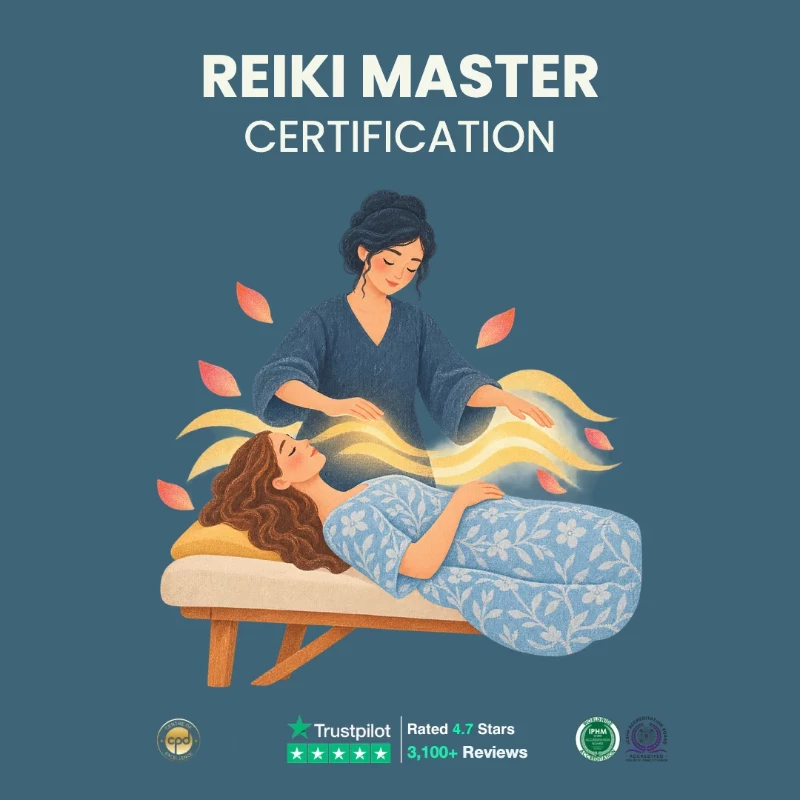
Explore Reiki Master Certification
Build steady integration, ethical boundaries, and practitioner confidence with the Reiki Master Certification.
Explore Reiki Master Certification →