Practitioners learn quickly that some clients register touch like an amplifier: a standard forehead hold lands as intense, a palm near the throat spikes vigilance, and covering the eyes can shut the session down. Empaths and highly sensitive people often absorb moods around them more readily and are more affected, so familiar Reiki hand maps can easily overshoot what their system can comfortably receive. You see it in micro-reactions: breath rises, shoulders guard, the whole field seems to tighten, even when your touch is light.
The practical answer is not abandoning tradition. It is delivering Reiki with more consent, more grounding, and more adaptability. Instead of fixed sequences, sensitive-friendly sessions rely on shared choices about touch, timing, posture, and areas to skip—keeping the essence of Usui Reiki while adjusting location, rhythm, and intensity so the session supports settling rather than bracing.
Key Takeaway: Sensitive clients often receive Reiki best when sessions start with grounding and stay consent-led, with adaptable touch, pacing, and positioning. Favor feet, legs, and back-body work, use shorter holds and hands-off options, and invite client-led placements to reduce activation while preserving depth.
From fixed hand maps to consent-led Reiki
Traditional hand maps are a foundation, not a contract. They give structure, but sensitive-friendly practice asks you to stay responsive to the person in front of you.
Classic Reiki protocols describe a structured sequence, often beginning at the head and moving down the body. Just as importantly, the tradition also leaves room for optional positions and practical adaptation. Skipping or modifying a placement doesn’t weaken the session; it often makes the work more receivable.
Consent here is active and ongoing. Before moving into a new area, offer simple choices that keep the session collaborative:
- hands-on, hovering, or fully off-body
- short hold or longer hold
- front body, back body, or skip
- practitioner placement or client self-placement
One phrasing that works especially well: “We can do this on the body, off the body, you can place your own hands there, or we can leave it out.” When choice is real, sensitive clients often settle more deeply.
Grounding first: feet, legs, and back body
For many sensitive clients, grounding first makes everything else possible. If the system settles early, the rest of the session usually becomes smoother.
Grounding can begin at the feet, ankles, knees, or lower legs, then move into the shoulders or upper back. Reiki guidance for empaths emphasizes grounding before deeper work, and many practitioners find that starting low in the body reduces the sense of exposure that can come with head-first or chest-first sessions.
Traditional hand-position teaching also describes the feet as a final placement that grounds both the Reiki giver and the recipient. In sensitive-client work, that same principle often works beautifully at the beginning too.
These entry points feel simpler and less intimate for many people—contact without demanding immediate openness. If activation rises later, returning to the feet, ankles, knees, or shoulders can help the field settle again.
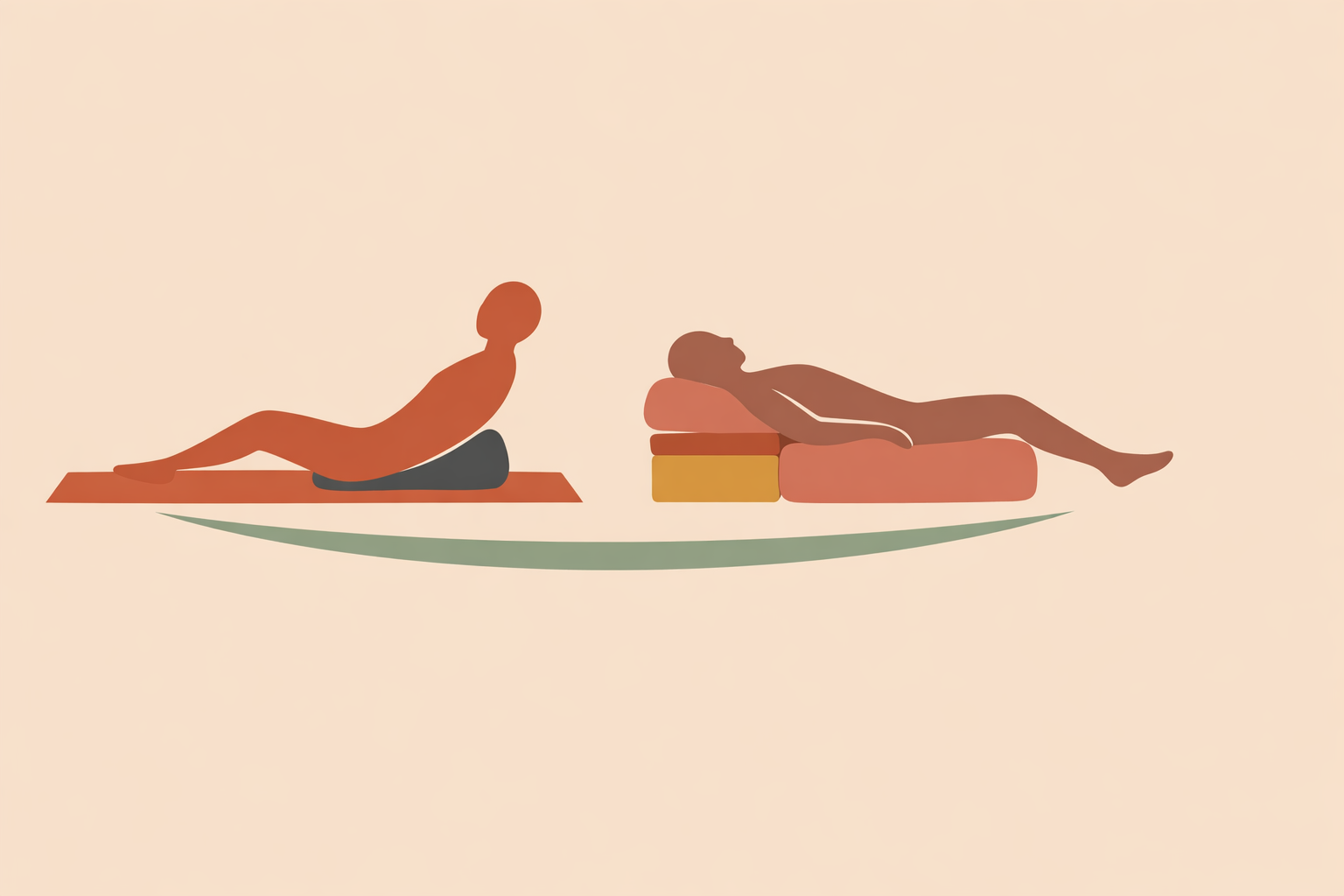
Seated work can offer similar steadiness. Many sensitive clients prefer seated or side-lying setups because they feel less trapped and more in charge. Starting from behind at the shoulders, upper back, or crown can be especially supportive when front-body contact feels too exposing at first.
Gentler Reiki for head and face positions
Head and face placements can be deeply calming, but they’re also easy to overdo with sensitive clients. The guiding principle: keep breath and vision unobstructed, and reduce any sense of enclosure.
Traditional protocols include several head positions and note sensitive locations around the head and throat. In practice, covering the eyes or cupping the face can feel claustrophobic for some clients—especially if they’re already on alert.
Gentler options often land better:
- hands near the temples rather than over the eyes
- one hand at the occiput and one hovering above the brow
- hands at the sides of the head
- Face untouched while supporting the head from above or behind
Shorter head holds also help. Think of it like seasoning: you can always add more, but you can’t take back “too much.” Use brief contact, pause, and check how the client is receiving it.
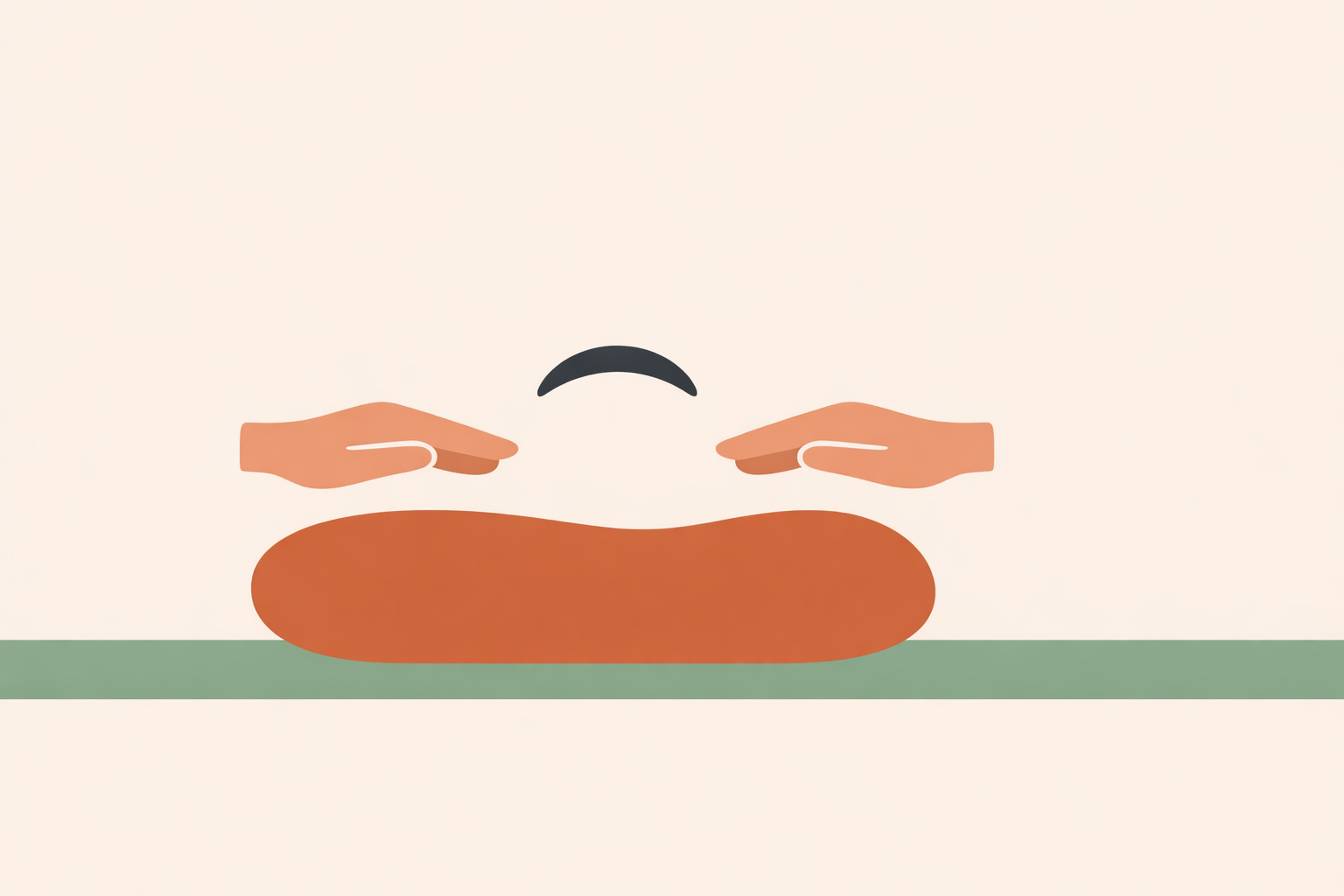
“Use hands-off placements around the brow if the client is claustrophobic.”
Safer front-body Reiki for throat, chest, and solar plexus
The throat, chest, and solar plexus can be the most revealing areas in a sensitive-client session—and the quickest places for someone to brace. A steadier approach here often sets the tone for the whole experience.
The throat is especially vulnerable. Reiki manuals describe its sensitive nature, and many practitioners choose less direct approaches. Rather than approaching the neck itself, you might work the upper sternum, support from the upper back, or skip direct throat contact entirely.
For the chest, neutrality matters. Staying on the breastbone, clavicle line, upper chest, or back of the heart often feels easier to receive than broader front-body contact. Client-led placement can be especially supportive here.
Client-led placements—such as the client placing their own hand over the heart while the practitioner supports from behind—can increase felt safety. When clients keep their own hands on the throat or chest, trust often deepens naturally.
The solar plexus deserves a similarly light touch. Many practitioners notice this area can become intense quickly, so hovering, shorter holds, or side-body support often works better than direct, sustained contact.
Respectful choices for belly, pelvis, and intimate zones
This region asks for exceptional clarity. You can support grounding here without crossing boundaries.
Traditional Reiki instruction includes lower abdominal and root-area placements while also making clear that some positions are optional and some areas are private. Certain pelvic and root placements are identified as optional, which gives practitioners room to adapt respectfully.
For many people, the lower abdomen can carry vulnerability, shame, or old boundary strain. What this means is simple: entering this area without explicit agreement can be intensely activating. Often the most skillful choice is to work around it rather than through it.
- place hands higher on the abdomen
- hover rather than touch
- work the hips, sacrum, thighs, or low back
- return to legs and feet for grounding
- skip the area entirely
Skipping an area doesn’t reduce the value of the session. Reiki teaching already allows flexibility, and optional positions are part of that tradition. In practice, respecting a boundary often improves relaxation and helps the whole session land more cleanly.
Session design: pace, posture, hands-off work, and self-Reiki
Once your hand positions are more adaptable, session structure becomes the next layer. Pace and posture can turn the same sequence from overwhelming to deeply supportive.
With sensitive clients, shorter holds, micro-movements, and pauses help prevent energetic saturation. Sensitive-client teaching recommends micro-movements and gentler pacing because intensity can accumulate faster in these sessions.
Posture matters too. Many people receive more easily when seated or side-lying rather than flat on their back. These setups allow eye-opening, shifting, and small movements without breaking the session’s flow, and they reduce the feeling of being pinned in place.
Hands-off Reiki or distance Reiki can be especially useful early on for clients who find touch edgy while trust is still forming. For some people, that extra space is exactly what allows the work to begin.
Self-Reiki also belongs in this picture. Many practitioners encourage regular self-practice for empaths and highly sensitive people as a steadying rhythm between sessions. Daily self-Reiki is often framed as ongoing self-care and energetic balancing rather than something dramatic.
How to close sessions so clients leave settled
Closing well matters as much as opening well. Sensitive clients often need a clear landing, not an abrupt finish.
Ending at the feet is a classic choice because it helps integrate. You can also close at the thighs, knees, or shoulders if those areas feel more grounding for the client. A little quiet, water, and a simple debrief can support the transition back into ordinary activity.
Gentle consistency tends to work better than intensity for sensitive clients. A review of multiple Reiki sessions over time suggests it may reduce pain and reduce anxiety, which aligns with what many practitioners observe: steady, light-touch work often supports regulation more effectively than trying to do too much in one session.
Most of all, welcome feedback. In sensitive-client work, “that’s too much” isn’t a disruption—it’s a sign of safety and self-trust. When a client asks for less contact, a different area, or more space, the session is doing exactly what it should: becoming truly collaborative.
This is the craft: a living blend of lineage and listening. Keep your maps, keep your reverence, and let the person in front of you teach you how to place your hands today.
Advance with Reiki Master Certification
Apply these consent-led adaptations with stronger technique and ethics in the Reiki Master Certification.
Explore Reiki Master Certification →