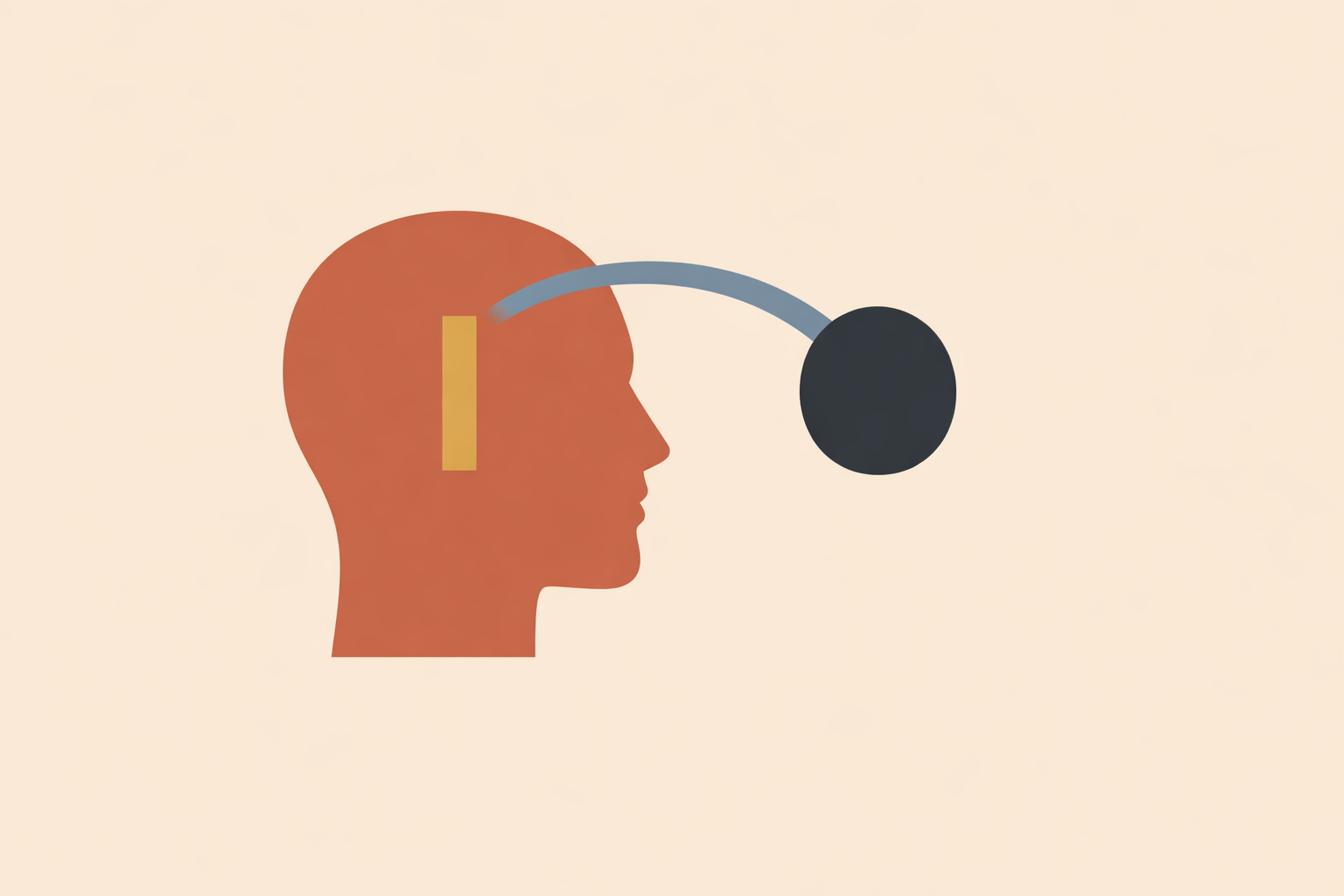
Most practitioners eventually discover the limits of technique: a client shuts down mid-session, emotions spike, or the hour stretches beyond what the space can responsibly hold. You feel your own system speed up, reach for a tool, and notice the room tighten instead of settle.
Especially in online and hybrid work, compressed cues can make it harder to read the room, and casual after-hours contact can quietly strain the container. Over time, blurred boundaries and fatigue can shape the work as much as skill does.
What steadies practice is rarely “one more modality.” More often, it’s resilience and emotional intelligence: the ability to stay grounded, read what’s happening clearly, and respond with care, consent, and proportion. When a practitioner is well-resourced and attentive to power, culture, and choice, the work becomes cleaner, more collaborative, and easier to repair when intensity rises.
Key Takeaway: Technique works best inside a steady container built from practitioner resilience and emotional intelligence. When you can regulate your own responses, track consent, and hold clear boundaries, sessions stay collaborative and repairable—even under intensity, fatigue, and the reduced cues of online or hybrid work.
Resilience as “bounce forward,” not “tough it out”
Resilience isn’t gritting your teeth. It’s the capacity to restore, adapt, and keep growing through challenge—less “bounce back” than “bounce forward.”
Modern resilience research often highlights cognitive flexibility (the ability to shift perspective), meaning-making, grounded optimism, and social support as key resources. Traditional lineages have taught something similar for generations: resilience isn’t purely individual. It’s often woven through family, land, ritual, rhythm, belonging, and story.
Seen this way, a demanding week doesn’t mean you’re failing. It may simply be showing you where your practice needs more rhythm, clearer boundaries, or stronger support—information you can use rather than fight.
Context matters, too. Workload and support, organizational culture, and access to mentorship all shape how well a practitioner can show up. This is one reason community care matters: the work becomes steadier when it’s not carried alone.
Resilience as relationship reminds us that practitioners are strengthened by trusted peers, wise boundaries, and meaningful restorative practices. That web of support becomes part of the container clients can feel.
Emotional intelligence in practice
Emotional intelligence is your inner navigation system in session. It helps you sense what’s happening, name it with accuracy, and choose a response that keeps the work grounded and respectful.
Practically, it includes noticing emotional shifts, understanding what may sit beneath them, and regulating your own reactions well enough to stay present. It’s not a rare personality trait—it’s a trainable set of relational skills.
Language is one of the simplest training grounds. A richer emotional vocabulary supports emotional granularity, and higher granularity is linked to better regulation. Think of it like adjusting the focus on a lens: the clearer you can distinguish “irritated” from “overwhelmed,” or “protective” from “shut down,” the less likely you are to react impulsively.
Traditional practice has long cultivated these capacities, even when it uses different words. Breath, rhythm, silence, chant, nature immersion, and ritual all teach emotional discernment and regulation. Emotional intelligence simply offers a modern map for skills many elders and practitioners have been refining for generations.
“Emotional self-awareness is the building block of the next fundamental emotional intelligence: being able to shake off a bad mood,” Goleman notes.
What happens when these capacities are underdeveloped
When resilience and emotional intelligence are thin, the work can drift. A practitioner may over-give, blur roles, rescue too quickly, or numb out under pressure. This doesn’t require bad intent—just too much load and not enough steadiness.
Underdeveloped regulation can show up as defensiveness, or as acting from unresolved personal material. Unbounded empathy can slide into over-identification, excessive self-disclosure, or rescuing. And chronic stress can quietly erode clarity, making boundary drift and shaky judgment more likely.
There’s a common “both/and” trap here. Toughness without reflection can harden into emotional blunting. Empathy without resilience can turn into compassion fatigue. Sustainable practice needs both heart and structure.
Subtle risks to watch for include:
- answering messages late at night because “it only takes a minute”
- feeling responsible for a client’s emotional state between sessions
- becoming indispensable in your own mind
- agreeing to support that sits outside your role because it feels unkind to say no
- losing the ability to reflect because you are simply trying to get through the day
These patterns often begin as care. Without resilience and emotional clarity, they can become role confusion.
Daily practices that build steadiness and regulation
Steadiness is trainable. Small, repeated practices usually do more for session quality than occasional bursts of insight.
Start with emotional naming. As your feeling vocabulary becomes more nuanced, your perception sharpens—and sharper perception supports better choices in the moment. Brief post-session journaling can deepen pattern recognition and ethical sensitivity; often a few honest lines reveal more than a long reflective process done once a month.
Over time, resilience strengthens through repetition of simple supports. Resilience resources often include grounded optimism, meaning-making, cognitive flexibility, and social support—reliable basics that become powerful when practiced consistently.
Many contemplative and ancestral traditions also offer stable ways to restore presence: silence, prayer, walking on the land, breath awareness, drumming, song, and simple ritual. These don’t need to be elaborate to work; they need to be honest and regular.
As Tara Meyer-Robson writes, “When awareness is brought to an emotion, power is brought to your life.”
- Before sessions: Take 2–5 minutes for breath, posture, and a simple check-in: What is here in me right now?
- During sessions: Track pace, tone, and body cues. If you feel rushed, soften your voice and slow down.
- After sessions: Note what felt steady, where you pushed, and what you want to do differently next time.
- Weekly reset: Build in movement, spaciousness, and time without input.
- Community care: Debrief with trusted peers using clear agreements around confidentiality, consent, and respectful feedback.
Tapping traditional lineages with care means naming sources, respecting cultural roots, and avoiding casual borrowing. Often the wisest practices are the simplest ones: breath, pacing, presence, listening, and consent.
Empathy with boundaries
Empathy is essential—but empathy without boundaries becomes unstable. The aim isn’t to feel less. It’s to care in a way that stays clear, grounded, and sustainable.
Put simply: compassion with healthy distance tends to last longer than constant immersion. When practitioners over-identify, they’re more likely to rescue, overextend, or confuse support with fusion. Pairing warmth with clear roles supports autonomy and keeps the relationship clean.
Trauma-aware principles also help here. When practitioners notice overwhelm and adjust pacing, they protect choice and collaboration—two qualities that help people stay connected to themselves.
Useful boundary language can be kind and direct at the same time:
- Role clarity: “Here’s my role and what I can offer. If something falls outside that, we’ll pause and consider the next support.”
- Containment: “This matters. Let’s go gently and keep checking what feels manageable.”
- Limits with care: “I care about this and I’m not available between sessions. Let’s make a plan that feels supportive.”
- Empathic reflection: “I hear how heavy this is. What would help you feel a little more steady right now?”
From emotional empathy to sustainable compassion is the shift from “I feel all of this with you” to “I am fully with you, and I am staying grounded enough to be useful.”
Repair, reflection, and community support
Even strong practitioners misattune at times. What protects the work isn’t perfection—it’s repair.
Repair begins with noticing quickly, taking responsibility, and inviting feedback without defensiveness. A simple sentence can change the tone of a session: “I think I may have moved too fast there. How was that for you?”
Supervision and peer consultation make this easier to do well. Regular support helps practitioners maintain guidance, clearer boundaries, and better judgment when the work becomes emotionally dense. Just as importantly, reflection with others interrupts isolation—often where preventable mistakes grow.
Journaling after difficult sessions supports meaning-making and hindsight learning. Deliberate practice on micro-skills matters too: pacing, tracking, repair language, consent checks, and clean closure. These small moves accumulate into visible steadiness.
- Micro-repair: “I may have missed something important. Would you tell me what landed and what didn’t?”
- Boundary repair: “I agreed to something outside our original frame. I want to correct that clearly and respectfully.”
- Culture humility check: “I may be seeing this through my own lens. What feels true in your context?”
- Closure and learning: “Here’s what I’m taking forward so this space stays more supportive.”
Why community protects everyone is straightforward: practitioners borrow steadiness from one another. Reflective circles, clear ethics, and honest feedback build stronger containers than isolated effort ever can.
Staying steady in online and hybrid practice
Online work changes the emotional texture of practice. There are fewer cues, more interpretation, and often more cognitive load.
In digital communication, emotional nuance is often reduced compared with richer channels, which is why text can magnify misunderstanding. When live contact is possible, voice or video usually offers a fuller sense of pacing, tone, and emotional texture than written messages alone.
Remote work can also blur boundaries. Remote or isolated work can create pressures around availability, recovery, and separation between work time and home time. The antidote is rarely more effort; it’s clearer structure.
Simple adjustments help:
- Before the call: breathe, stretch, and orient your body before you open the screen
- During the call: slow the pace, name visible nonverbals, and invite pauses more often than you would in person
- Between calls: move, step outside, and let your eyes rest away from the screen
- Messaging boundaries: state response windows clearly and redirect nuanced conversations to live channels when possible
- Environment: create a space that supports privacy, warmth, and a clear beginning and end to the session
The principle stays the same online: clearer structure creates more room for genuine connection.
Weaving resilience and emotional intelligence into evolving practice
Across settings, lineages, and styles of support, safer client work grows from the same roots: a steady practitioner, clear boundaries, emotional discernment, and respect for consent, culture, and power.
Techniques matter—but they’re only as effective as the container holding them. Resilience keeps that container from collapsing under strain. Emotional intelligence keeps it responsive rather than rigid.
Over time, practices like self-compassion, grounded optimism, deliberate recovery, and honest reflection help preserve warmth and clarity under pressure. Communities of practice support this shared learning too. Communities of practice are valuable because they give practitioners a place to question, refine, and keep evolving together.
Most of all, keep honoring the simple things done well: breath, pacing, choice, boundaries, and repair. “When awareness is brought to an emotion, power is brought to your life.” The same is true in practice—awareness shapes the quality of the space you create.
As a final note, these skills don’t replace clear agreements, appropriate referrals, and ethical guidelines—they make them easier to live by when things get intense. Build them steadily, lean on community, and let traditional restorative practices be part of your professional rhythm, not an afterthought.
Build EI Skills Further
Deepen attunement, boundaries, and repair with Naturalistico’s Emotional Intelligence Certification.
Explore Emotional Intelligence →