Many practitioners lean on anti-aging promises or dense slides about pathways like mTOR and telomeres. The room nods politely, then drifts. Most clients and community groups arrive with simpler hopes: to keep walking with confidence, stay mentally sharp, and feel like themselves as the years go on. When the conversation stays abstract or longevity-first, it can stir perfectionism, quick-fix thinking, and questions that don’t belong in a coaching space.
A steadier starting point is clear: separate how long we live from how well we live. When people can picture that difference, your workshop becomes easier to guide, and the aim feels human again.
Key Takeaway: Effective lifespan–healthspan workshops shift attention from “how long” to “how well,” using simple scripts, one clear metaphor, and small repeatable experiments. When you open gently, ground the topic in daily life, and connect modern evidence with lived and traditional wisdom, participants feel less intimidated and more ready to act.
Choose One Core Metaphor and Stay With It
Most workshops improve when you explain less and illustrate more. One strong metaphor can carry the whole session and keep it practical.
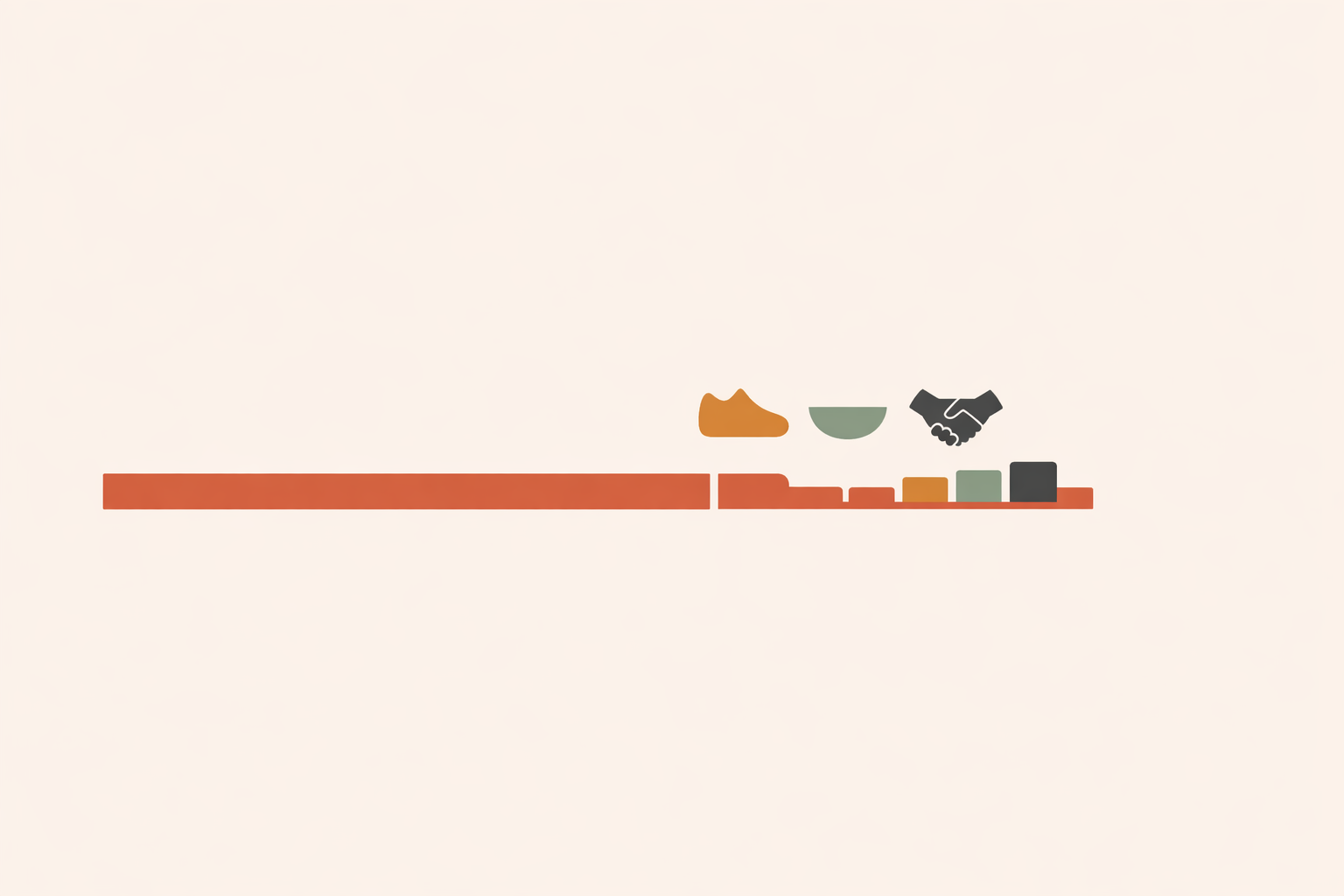
The road: “Lifespan is the length of the road. Healthspan is how the ride feels.”
Sketch a long line, then add a few simple symbols underneath: shoes for movement, a bowl for food, a bed for sleep, linked hands for connection. Participants immediately see where they can act.
The candle: “Lifespan is the length of the candle. Healthspan is the quality of the light.”
This fits reflective groups well. Invite people to name the everyday habits that help their light feel steadier.
Whichever image you choose, return to it throughout. Repetition creates clarity, and clarity creates follow-through.
How to Open the Workshop Gently
A good opening helps people arrive before you ask them to learn. It also sets a respectful, collaborative tone.
- “Let’s take two slow breaths together.”
- “On a scale of 1 to 10, how resourced do you feel right now?”
- “What’s one thing you look forward to in later life?”
Slow, paced breathing can reduce overwhelm and help the group settle. Just as importantly, it preserves dignity. People engage more fully when they feel invited into a conversation.
Then define the terms in one breath: “Lifespan is how long. Healthspan is how well. Today, we’re giving special care to the ‘how well.’”
Use Story and Traditional Wisdom to Make Healthspan Real
Stories teach faster than slides. A composite elder can bring the idea to life: someone who sweeps the patio, walks to the market, shares meals, laughs with neighbors, and keeps a simple rhythm. That is healthspan in ordinary form.
From there, widen the lens. In long-lived places such as Okinawa, Ikaria, and Nicoya, practitioners and researchers alike have noticed recurring threads: natural movement, plant-forward meals, unhurried time, and strong social ties. None of that needs to be presented as exotic. It’s human.
This is where traditional knowledge earns its place at the center of the workshop. Many families remember older rhythms built around beans, shared tables, daylight, walking, and evening quiet. You can frame this as remembering what still supports people, then adapting it to modern life.
Try asking: “Who is the oldest person you know who still lights up a room? What do they actually do each day?” Their answers often reveal the most meaningful next steps.
Explain the Science Simply and Keep It Grounded
You don’t need dense biology to do this well. A plain explanation is enough.
You might say: “Inside the body, there are ongoing repair and renewal processes. Over time, wear can outpace repair. Health-supporting habits help the body keep up with that work.”
If you want one scientific phrase, oxidative stress as cellular wear and tear usually lands. If someone asks about telomeres or nutrient-sensing pathways, answer briefly, then return to the lived level where change happens.
The bridge sentence that keeps everything in scope: “We influence these processes through patterns, not perfection.”
Link Daily Habits to Energy, Rhythm, and Resilience
Once the foundation is clear, connect the ideas to small choices people can actually try this week.
- Gentle fasting between dinner and breakfast can create cleanup time for the digestive system.
- Frequent movement can help the body switch fuels more smoothly.
- Good sleep supports overnight repair and daily rhythm.
- Shared meals, fiber-rich staples, and slower evenings often support steadier energy.
If you want one teaching example, use mid-afternoon energy. A 10-minute walk after lunch helps many people feel steadier later in the day. Many practitioners also see good results from adding a cup of beans at lunch or dinner as a simple, repeatable experiment. For sleep, reducing bedtime screen exposure matters because bright evening device light can disrupt sleep and next-day alertness.
The throughline is reassuring: small adjustments create better conditions, and better conditions add up.
Scripts for Fear, Resistance, and Internalized Ageism
Workshops on aging bring emotion. The goal isn’t to shut it down. Meet it kindly, then offer the next step.
- “It’s too late for me.”
Try: “We can start from exactly where you are. Small changes still matter.” - “Everyone in my family slows down early.”
Try: “Family patterns are real, and daily patterns are real too. Let’s work with what is still possible.” - “Aging means decline.”
Try: “Aging means change. Some capacities need more support, and some strengths deepen.” - “I’m embarrassed I can’t do more.”
Try: “No shame here. Sit-to-stand from a chair counts as strength work. A short phone call counts as social fitness.”
If it fits your group, name the wider culture in one sentence. Many people have absorbed limiting stories about age, and internalized age beliefs can shape how people move through later life. Naming that can be freeing.
A practical tool is a three-part reframe participants can repeat at home:
- “I notice the thought.”
- “A kinder truth is…”
- “My next small action is…”
That structure turns a sticky moment into momentum.
Close With Small Experiments, Not Big Promises
The strongest workshops end with action that feels realistic. Invite participants to choose one movement experiment and one recovery or connection experiment for the next seven days.
- Walk for 10 to 20 minutes after one meal each day.
- Do 8 to 12 sit-to-stands from a chair a few times this week.
- Create a 12-hour gap between dinner and breakfast on a few nights.
- Dim lights and step away from scrolling before bed.
- Open the windows in the morning and step outside for early light.
- Share tea with a neighbor or make a brief check-in call.
For sleep, reducing bright screens at night supports more stable rest because evening light can suppress melatonin. For recovery and rhythm, stepping outside early in the day is a well-established way to support circadian timing in practice. For social well-being, brief moments of contact matter when they are sincere and repeated.
Keep tracking light. A pocket note with “slept,” “moved,” and “connected” is enough. If someone uses a wearable, they can note steps or heart rhythm patterns without turning it into a fixation. The aim is pattern-finding, not self-surveillance.
Bring It Back to Belonging
What makes this kind of workshop work isn’t just information. It’s the shared feeling that aging can be approached with dignity, community, and practical hope.
When you begin with “how well” instead of “how long,” people understand the invitation quickly. They can picture the target, see themselves inside it, and leave with grounded experiments they can live with.
Over time, refine your language to fit the people in front of you. Use local foodways, familiar elders, and rhythms your community recognizes. Keep the science plain and the actions small enough to repeat. Traditional wisdom has always worked this way: steady practices, shared over time, shaping one day at a time.
As a closing note, keep your guidance inclusive and flexible. People differ in mobility, energy, resources, and history with food and body image, and some will need to adapt fasting, movement, or sleep changes gently. Encourage participants to choose experiments that feel safe, sustainable, and supportive for their current season of life.
Master Healthspan Coaching Skills
Apply these workshop frameworks in the Longevity Coach Certification to guide safe, sustainable, behavior-based change.
Explore Longevity Coach →