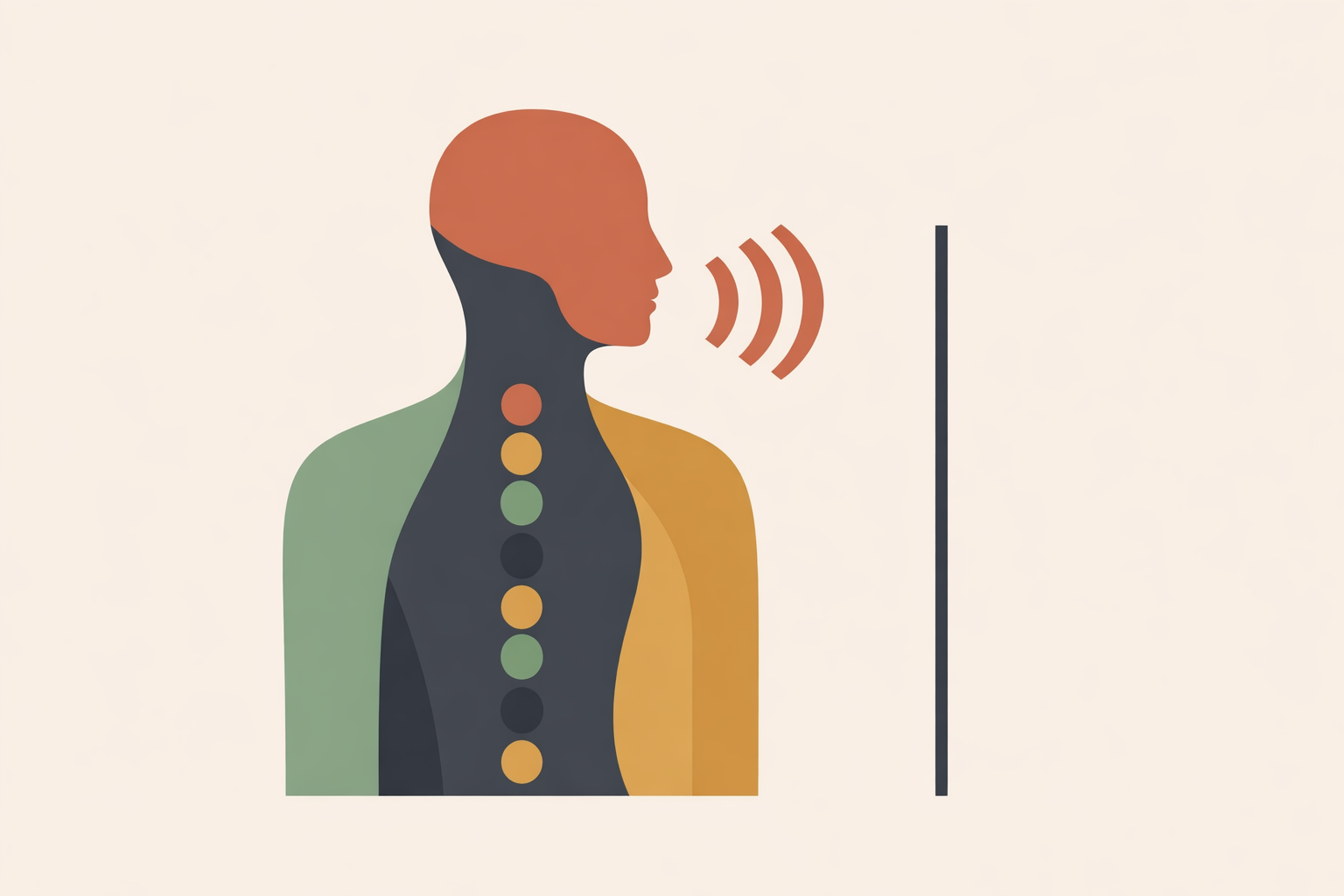
Most facilitators learn quickly that chakra-themed sound work needs careful framing. One person relaxes deeply, another feels stirred up, and a third simply feels nothing much at all. The real skill is avoiding promises that a sound will “open” or “clear” anything, and instead creating a respectful space for attention, reflection, and choice.
Key Takeaway: Chakra-themed sound work is most useful when approached as symbolic, choice-led attention rather than energetic repair. A grounded practice blends traditional imagery with modern meaning, uses sound as an anchor for focus, and relies on language that protects autonomy. The most reliable session structure is simple: permission, sensory direction, symbolic option, and a clear choice to pause. From there, chakra-inspired prompts can support reflection in groups, 1:1 work, online sessions, and self-guided practice—without overpromising outcomes.
Why wording matters in chakra sound sessions
Language shapes the entire experience. Most people soften when they’re given real options, and many tense up when they feel expected to have a breakthrough.
Invitation works better than promise. Phrases like “supports relaxation,” “invites attention,” or “offers a space for reflection” leave room for what’s true for the person in front of you. Claims about activating, balancing, or clearing chakras can quietly load the session with pressure before it even begins.
This matters because responses to immersive sound vary. Some people feel soothed; others feel restless, emotional, irritated, or distracted. None of that needs to be forced into a story about progress. A grounded facilitator stays with choice-based language and lets participants decide what the sound means for them.
Trauma-aware practice strengthens this further. Choice, pacing, predictability, and reversibility create trust. A sentence as simple as, “You can open your eyes, change position, or step out at any time,” often changes the whole tone of the session.
In practical terms, this is often the difference between a session that feels supportive and one that feels imposing.
A simple template for chakra sound scripts
The most dependable script structure is short, repeatable, and flexible. Four parts are usually enough:
- Permission: “If comfortable …”
- Sensory direction: “Notice the tone, texture, or fade …”
- Symbolic option: “If useful, connect it with today’s theme …”
- Choice to pause: “If it feels like too much, shift focus or stop …”
Put together, it might sound like this: “If comfortable, rest your attention on the tone. Notice its vibration and the quiet after it. If useful, connect it with a sense of grounded support. If the sound feels unpleasant, open your eyes, look around the room, or pause.”
This works because sound can influence attention, arousal, emotional atmosphere, and the pacing of breath, while still leaving plenty of room for individual variation. The structure stays stable even when someone needs lower volume, more distance, or a shorter exposure.
It also keeps your facilitation clean. You’re offering a sound, a symbolic frame, and an exit door that remains open throughout.
Keep the practical side just as simple: conservative volume, advance notice before louder strikes, and enough distance that nobody feels overwhelmed. Those choices often matter more than the instrument itself, especially in online chakra sound sessions.
Seven chakra-inspired sound scripts to adapt
Chakra themes work especially well when they’re used as reflective prompts rather than claims of energetic change. Each of the following keeps the same four-part structure and can be adapted for bowl, bell, drum, voice, chime, or recorded tone.
- Root — Grounding and support
“If comfortable, rest attention on this low tone. Notice its weight and the quiet after it. If useful, connect it with support or steadiness today. If it feels agitating, open your eyes, find a stable point in the room, or pause.”
Reflective question: “What helps me feel supported today?” - Sacral — Flow and flexibility
“If you like, attend to this gentle rhythm. Notice any sense of movement or softness. If useful, let it symbolize flexibility or play. If that is not helpful, shift attention to your hands or simply rest.”
Reflective question: “Where could I allow more play or flexibility?” - Solar Plexus — Agency and choice
“If comfortable, listen to this clear tone. Notice the beginning, the fade, and the space around it. If useful, connect it with personal choice today. If it creates tension, rest your gaze on a nearby object or step back from the sound.”
Reflective question: “What choice is mine to make?” - Heart — Kindness and connection
“If you wish, receive this warm tone. Notice its softness and the feeling of space around it. If useful, let it reflect a realistic form of kindness. If it feels uncomfortable, lower the volume or bring attention to your feet.”
Reflective question: “What form of kindness feels realistic?” - Throat — Expression and listening
“If comfortable, rest attention on this light bell. Notice the vibration and the silence between sounds. If useful, connect it with honest, respectful expression. If it agitates, look around the room and follow a few ordinary breaths.”
Reflective question: “What would honest, respectful expression look like?” - Brow — Noticing and clarity
“If you like, listen to this simple hum. Track how it changes. If useful, let it encourage noticing without rushing to decide. If it feels too intense, open your eyes, take a sip of water, or end the exercise.”
Reflective question: “What am I noticing without needing to decide immediately?” - Crown — Perspective and spaciousness
“If comfortable, receive this airy chime. Notice the rise, brightness, and fade. If useful, let it suggest a wider perspective for this moment. If not helpful, ground through your seat or stand and shake out your limbs.”
Reflective question: “What perspective helps me relate to this moment?”
In groups, offer choices out loud so people can adapt quietly without feeling singled out: sitting, lying down, listening from farther away, or staying visually engaged with the room. In 1:1 work, tailor the reflective question to the person’s real situation so the symbol stays relevant and practical.
Cultural respect belongs here too. It helps to name the framework clearly: you’re using a modern chakra-based map inspired by Indian traditions, and people are free to relate to it symbolically, spiritually, or simply as a structure for reflection. That kind of clarity supports respect and autonomy at the same time, which also matters in ethical chakra balancing.
Phrases to use, and phrases to retire
Because wording carries so much of the session, it helps to be deliberate about what stays in your vocabulary and what no longer serves your practice.
- Phrases that support autonomy
- “If comfortable, rest attention on the sound.”
- “You might notice the texture, the fade, or the silence after.”
- “If useful, connect it with today’s theme.”
- “There is no required sensation and no correct experience.”
- “You are free to pause, shift focus, or step out at any time.”
- Helpful substitutions
- Instead of “activate the heart chakra,” try “explore a heart-themed focus.”
- Instead of “heal the throat chakra,” try “bring gentle attention to expression.”
- Instead of “remove a block,” try “notice where you feel hesitation.”
- Phrases to retire
- “This will open your chakras.”
- “If you feel worse, that means it is working.”
- “This frequency fixes the issue.”
- “432 Hz or 528 Hz balances chakras.”
A humble tone is not vague; it’s trustworthy. Sound can be meaningful without being presented as a guaranteed mechanism. If you’re using a specific frequency or instrument, describe it as part of the atmosphere and structure you’re offering.
In practice, the shift is easy to hear. “This tone will clear your heart chakra” becomes “If comfortable, rest your attention on this tone. If useful, connect it with a theme of kindness today.” The second version leaves people more room to be honest about what they feel.
Consent, accessibility, and grounded closings
Consent is not a one-time checkbox. It runs through the whole session, from your opening explanation to the way you end.
- Before beginning
- Explain what will happen in simple terms.
- Name the approximate length of the sound portion.
- Offer options for posture, eye position, and distance from the instrument.
- Ask whether there are any sounds or setups the person prefers to avoid.
- During the session
- Keep volume moderate.
- Give advance notice before stronger or higher-pitched sounds.
- Remind people they can pause, move, or listen from farther away.
- Stay attentive to signs that someone needs less intensity.
- If someone becomes uncomfortable
- Reduce or stop the sound.
- Invite eyes open and orientation to the room.
- Suggest attention to feet, seat, or another clear contact point.
- Encourage a few ordinary, unforced breaths.
- Offer a change of position, more distance, or an end to the exercise.
Accessibility is part of good facilitation, not an optional extra. Describe sounds before you make them. Offer written outlines when possible. Let people keep their eyes open, stay seated, stand, fidget, or opt out of the sound portion entirely.
Closing matters just as much as opening. There is no need to suggest someone should preserve a special state or treat the session as a turning point. A grounded ending is often better: “Take a moment to notice one small next step that feels supportive. It might be water, fresh air, journaling, or a quiet pause before moving on.” If you used a chakra theme, you can carry it forward with one gentle question, such as, “What form of kindness feels realistic for the rest of today?”
Over time, this is what makes chakra-inspired sound work feel steady and skillful. Tradition offers the symbolic map. Sound offers a focal point. Your language, pacing, and ethics turn those elements into a practice people can trust within energy healing work.
Explore Chakra Energy Healing
Build on these consent-led sound scripts inside the Chakra Energy Healing Certification.
Explore Chakra Certification →