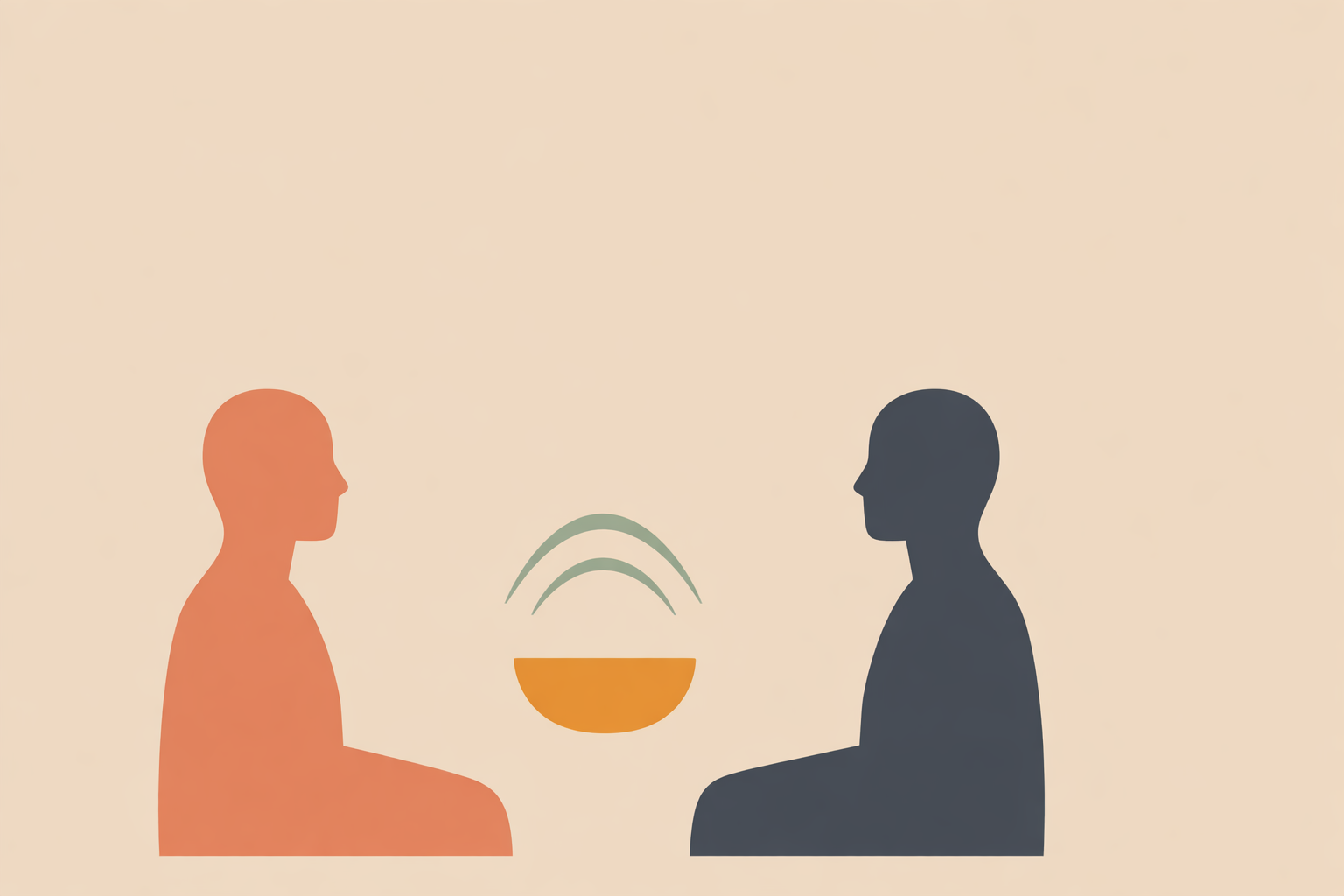
Sound work can be deeply supportive for anxious clients when it stays choice-led. If calm is presented as a target they must reach, the session can start to feel like a test. The steadier path is to make sound optional, collaborative, and easy to adjust from the first minute.
Key Takeaway: Sound sessions for anxiety work best when they are predictable, client-led, and conservative in pace, volume, and expectations. Reframe sound as optional support, begin with a short comfort-centered conversation, keep consent active throughout, build simple stop signals, use gentle sound design, respond early to signs of overload, and close with client-led reflection rather than interpretation.
2. Begin with a Grounding Pre-Session Conversation
A brief check-in often shapes the whole session more than the instrument you choose. Start by co-creating comfort, then let the sound follow.
You can say: “I’ll ask a few questions so I can shape the session in a way that feels safe and useful for you. You can skip anything you’d rather not answer.”
Keep it practical and comfort-led:
- How activated or settled do you feel right now?
- What kinds of sounds do you usually enjoy or avoid?
- How do you feel about bowls, chimes, drums, voice, headphones, or silence?
- Are there any sensitivities to high pitches, vibration, repetition, or sudden changes?
- Any ringing in the ears, dizziness, migraines, motion sensitivity, or hearing devices?
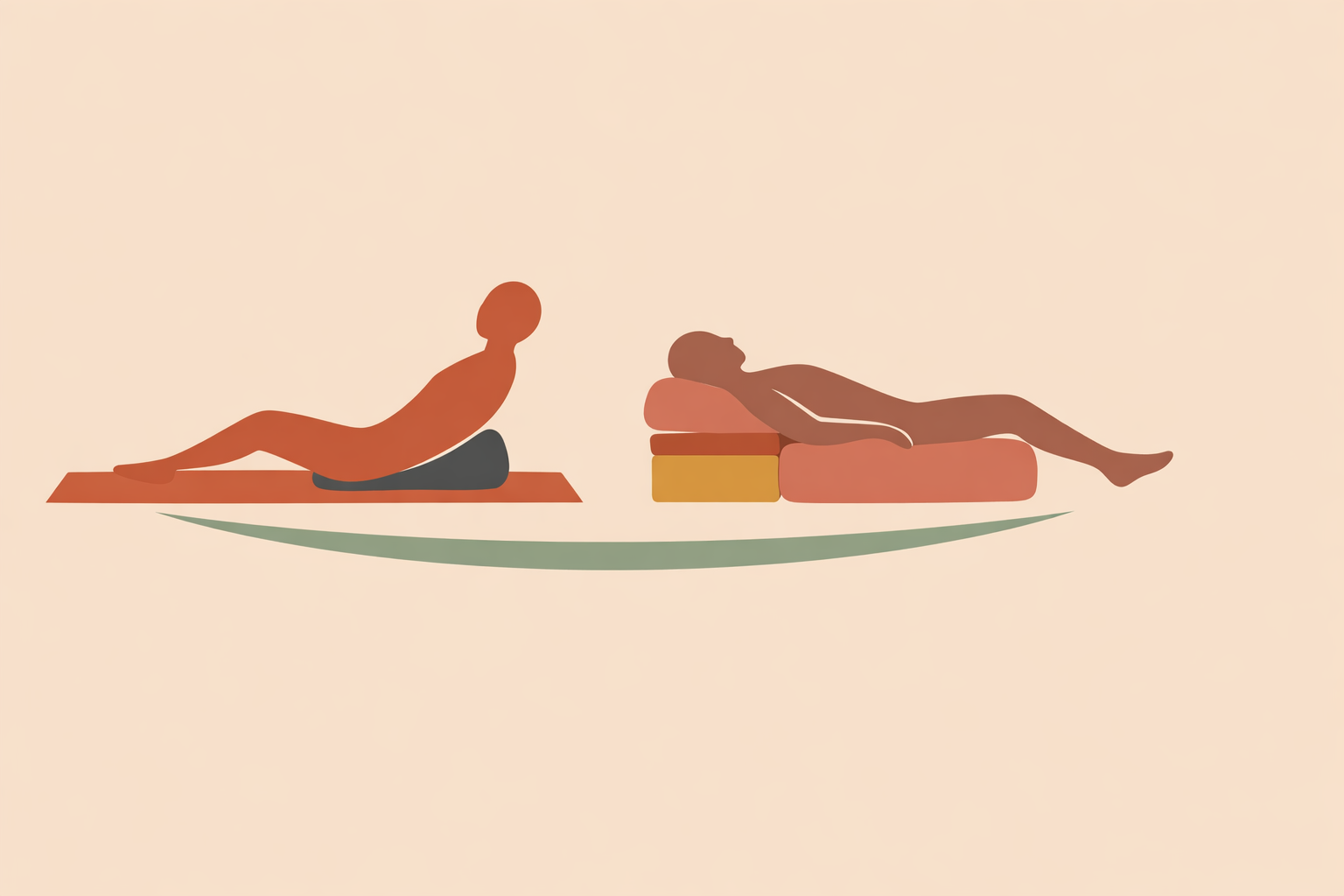
- Would you prefer to sit, lie down, keep eyes open, stay near the door, or avoid eye covering?
If someone mentions persistent ringing, difficulty following conversation, or trouble hearing high-pitched sounds, those are warning signs that merit dedicated hearing support.
This intake gives you a usable map. Notes like “startles with sudden swells,” “prefers low tones at distance,” or “high chimes aggravate ringing” quickly guide pacing, volume, and instrument choice.
3. Co-Create Consent, Boundaries, and Stop Signals
Consent works best as an ongoing practice, not a one-time checkbox. Anxious clients settle faster when they know they are not trapped, tested, or expected to endure.
Agree on a clear pause/stop signal before you begin. It can be raising a hand, saying “pause,” tapping the floor, or stepping out. Then name your response: “If you signal, I’ll stop right away and check what you need.”
Also separate kinds of consent. Agreement to hear sound is not agreement for touch, close proximity, or body-adjacent instruments. Ask directly if you’re considering any of those, and accept “no” without trying to change it.
Keep check-ins light and specific: “More, less, or same?” “Still okay at this distance?” “Would you like a moment of silence?” Predictability is calming.
For group sessions, normalize self-directed care at the start: sitting near the door, keeping eyes open, using ear protection, or stepping out quietly. People protect their boundaries earlier when it’s clearly welcomed.
A line worth saying out loud is: “You are in charge of your participation. You can pause or stop at any time, and stopping is a skillful choice.”
4. Design a Gentle, Low-Risk Soundscape
For anxious systems, gentle tends to land better than impressive. Build a soundscape the client can receive without bracing.
Keep it predictable: begin with sustained, moderate tones; add layers slowly; leave space between sounds. Save abrupt crescendos, dense textures, and sharp contrasts for clients who clearly enjoy them.
Volume matters. For personal audio or headphones, 60% of device volume is a sensible starting point before adjusting downward based on comfort and consent.
It is also wise to avoid repeated exposure above 86 dB over time in sessions. Even without measuring every space, the working rule is consistent: err on the side of less.
Clients who arrive highly activated, easily startled, or already irritated by sound usually benefit from lower volume, slower pacing, more silence, and greater distance from the source. Traditional lineages have long emphasized matching the offering to the person in front of you, whether in energy healing more broadly or in focused sound therapy practice.
A simple 30-minute structure might look like this:
- Minute 0–3: settle in silence, recap choices and stop signals
- Minute 3–10: one soft bowl, spaced generously, played from a comfortable distance
- Minute 10–15: add a second texture only if welcomed; check in briefly
- Minute 15–20: return to simplicity, or pause in silence
- Minute 20–25: continue only if the person still feels steady and receptive
- Minute 25–30: fade gradually into quiet, then orient back to the room
The most supportive instrument is the one the client can receive comfortably, with their breath staying easy.
5. Facilitate in Real Time and Adjust Early
A good plan helps, but the session is led by what you observe in the moment. The body often signals overload before the client has words for it.
Watch for early signs the sound is too much:
- flinching or sudden stillness
- covering or rubbing the ears
- held breath or shallow breathing
- muscle guarding or visible tension
- facial strain, fidgeting, or restlessness
- dizziness, nausea, headache, or disorientation
- ringing, muffled hearing, or difficulty answering simple questions
When these signs show up, respond plainly: stop the instrument, lower the volume, increase distance, or return to silence. Speak in an ordinary voice and ask what would help right now.
You do not need to dramatize the moment or interpret it. Often the most helpful interventions are practical: “I’m pausing.” “Would you like less, more distance, or no sound for now?” “Would sitting up help?”
Overstimulation is a clear reason to change course or stop. That is sound facilitation done well: responsive, respectful, and guided by the client’s signals.
Avoid pushing for catharsis. If emotion arises, let the person lead and keep your presence steady.
6. Close Gently and Let Meaning Come From the Client
The ending matters as much as the opening. A slow close helps the client leave with steadiness instead of a jolt.
Let final sounds taper gradually, then allow quiet. Invite orientation back to the room: the floor, the chair, the light, and the support beneath them. If they’ve been lying down, encourage unhurried movement before standing.
Keep questions neutral and open:
- What did you notice?
- What felt supportive?
- Was anything too much?
- What would you like different next time?
This keeps meaning with the client, where it belongs, and gives you feedback you can actually use.
Offer simple aftercare: water, gentle movement, quiet time if available, and permission to reduce sound exposure later in the day if needed. If ringing or muffled hearing appears afterward, encourage them to lower further sound exposure and seek dedicated hearing guidance.
Document practical essentials: preferences, consent, stop signals, instruments used, volume and distance intentions, adaptations made, and the client’s feedback. Keep notes observable rather than symbolic.
If there was a near miss, like an unexpected loud moment or clear overload signals, record it and adjust your setup next time. Traditional practice stays strong through careful listening and refinement.
Conclusion: A Repeatable Safety Checklist for Sound Therapy and Anxiety
When anxiety is present, predictable care matters more than performance. A strong session arc stays simple:
- Frame sound as optional support, not a promise.
- Start with a brief comfort-centered check-in.
- Make consent active and easy to revisit.
- Use gentle volume, distance, pacing, and layering.
- Respond early to signs of overload.
- Close slowly and let the client name their own experience.
Public guidance on safe listening translates well into session craft: keep sound conservative, shorten exposure as intensity rises, include quiet breaks, and treat rising discomfort as a reason to reduce or stop.
From there, let your artistry and lineage guide the experience with respect and restraint. Offer tradition without taking choice away from the person in the room.
Over time, this creates what anxious systems often appreciate most: a sound space that feels spacious, clear, and genuinely client-led, a foundation that also sits well within broader energy healing work.
Earn Sound Therapy Certification
Build client-led, consent-based sessions with the Sound Therapy Certification.
Explore Sound Therapy Certification →