Many practitioners are noticing the same theme lately: people arrive both wired and worn out. The “optimize everything” routines that once felt motivating now land like extra pressure, and tracking metrics can make stress feel even louder.
In that atmosphere, subtle energy body work offers something many clients are quietly asking for: a calmer nervous system, clearer inner signals, and an ease they can actually carry into everyday life. Breath, attention, light touch or hands-off work, gentle movement, sound, and imagery can all be offered in plain language, with regulation as the aim rather than performance.
Key Takeaway: Subtle energy work fits modern practice when it is grounded in clear consent, gentle pacing, and language that matches the client’s worldview. Interest is rising as more people move toward rhythm-based, restorative forms of well-being; traditional maps such as chakras and meridians can be translated into approachable mind-body language; and simple practices using breath, awareness, touch, movement, sound, and visualization can be woven into sessions and home rituals without losing integrity.
Why subtle energy body work is rising in 2026
Well-being culture is shifting away from “push harder” and toward steady, sustainable rhythms. Trend coverage points to a growing emphasis on gentle movement, restorative routines, and approaches people can stick with in real life.
That shift naturally makes space for subtle energy work. Trend reports also describe growing interest in breath-centered methods and small practices that are easy to repeat across the day.
In sessions, this often shows up as a desire for relief rather than another task. Small, regular inputs tend to change how someone feels more reliably than a single intense effort, especially when the goal is settling, orienting, and reconnecting with the body.
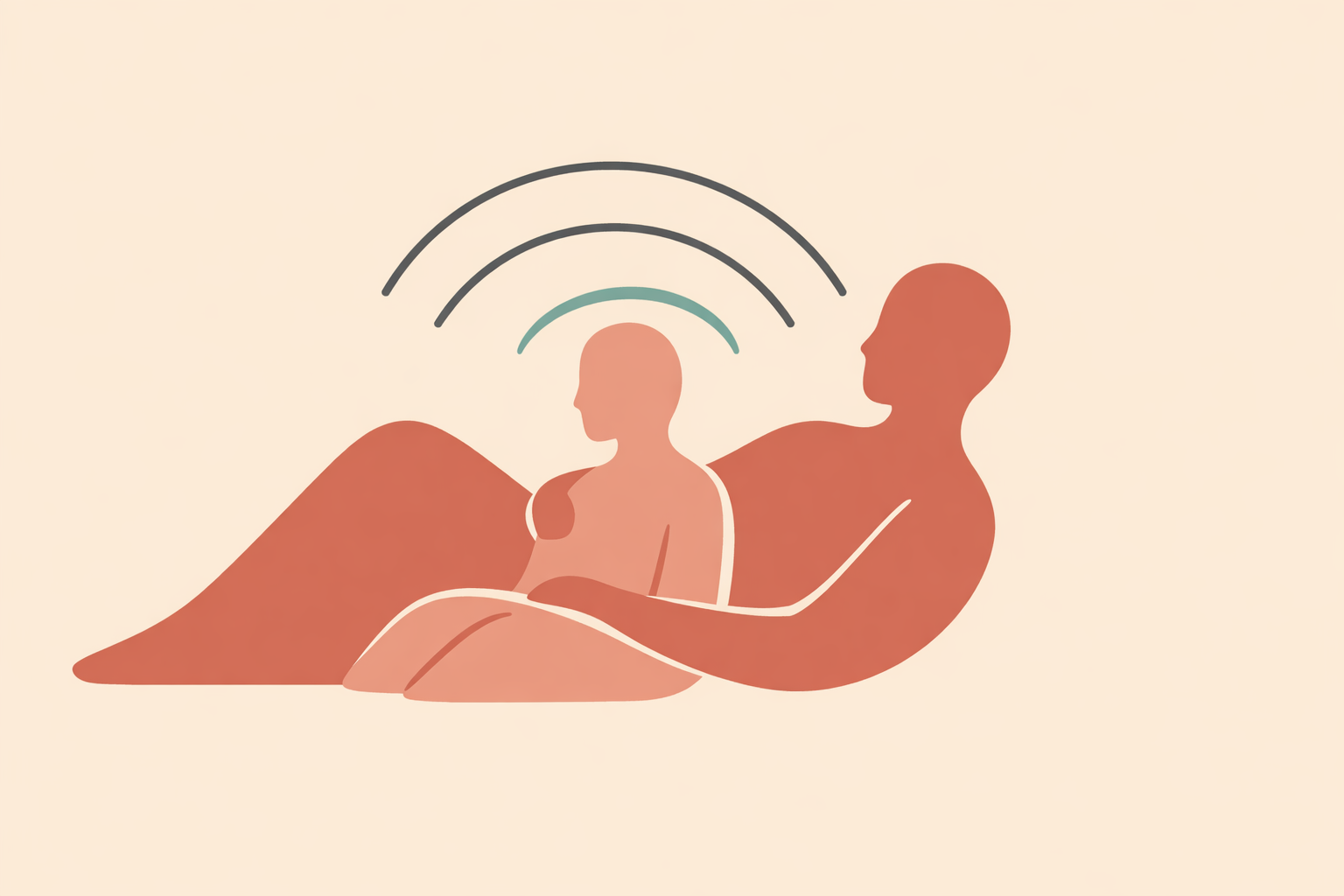
In practice, it can be as simple as a short group session with softened lighting, a few minutes of breath-led grounding, and gentle hands-off field work while participants track sensation. People commonly leave describing themselves as quieter, softer, or more present.
- Micro-ritual: inhale for 4, exhale for 6, for two minutes.
- Optional cue: “Notice the first place in your body that softens.”
- Best use: at the beginning of a session, after a difficult conversation, or before sleep.
What subtle energy body work means in modern practice
At its core, subtle energy work is about noticing and influencing the movement of life-force in and around the body. The subtle energy fields model is one of the clearest bridges between traditional language and contemporary discussion.
Across lineages, this is described as prana or qi moving through channels and gathering in centers. In modern language, that often translates well into attention, breath, sensation, and felt coherence. Traditional practices are often rooted in the idea of vital energy moving through the body in patterned ways.
Modern science has not been scientifically proven all subtle-energy models used in traditional systems. For practitioners grounded in these traditions, the maps remain valuable because they organize experience, guide pacing, and support skilled listening.
In the room, the real bridge is respectful language. With one client, you might say, “Let’s notice breath, temperature, and pressure around the low ribs.” With another, “Let’s rest attention at the solar plexus and feel what changes there.” The skill is the same: careful tracking of inner experience.
- Script: “We can use traditional language like chakras or meridians, or we can keep it simple and work with breath, sensation, and attention. Which feels right for you today?”
- Practice note: choose one framework per session rather than layering too many.
How subtle energy work supports client goals
Clients usually notice the effects first in their felt experience: deeper relaxation, clearer thinking, less internal bracing, easier sleep, and a steadier emotional tone. Research on biofield approaches has found pain reductions alongside improvements in anxiety- and depression-related measures compared with controls.
Reviews also describe links with less pain, anxiety, low mood, and fatigue, and early signs of change in stress markers and immune-related measures after sessions.
Client language matters here. Qualitative work on Reiki and similar sessions reports mental clarity, deep relaxation, and common sensations such as warmth, tingling, vibration, or lightness. Those sensations can serve as pacing signals, helping you decide when to continue, soften, or pause.
Practitioner experience supports this strongly: when subtle energy techniques are woven into hands-on work or coaching-style sessions, people often become more grounded and less reactive, which makes the rest of the session easier to receive.
A practical way to keep things grounded is to track three simple before-and-after ratings:
- Calm
- Clarity
- Body ease
This keeps reflection useful without turning the session into a performance exercise.
How to weave subtle energy into sessions and daily rituals
The most reliable methods are usually the simplest: breath, awareness, light touch, hands-off field work, gentle movement, sound, and visualization. Used consistently, they become familiar entry points for beginners and experienced practitioners alike, including in broader energy healing practice.
Breath and awareness are a strong starting point. A few minutes of slow, exhale-led breathing can change the tone of the whole session. From there, gentle movement, soft humming, and simple hand placements can deepen coherence, while staying easy to follow.
Somatic awareness helps clients track subtle shifts with confidence. Paying attention to breath movement, temperature, pressure, and contact points gives immediate feedback on whether the body is settling, bracing, opening, or needing a pause.
Subjective sensations during energy work are common and often informative. Research and practitioner reports describe warmth, tingling, vibration as recurring experiences during sessions. When sensation ramps up quickly, it often signals that it’s time to slow down and re-orient.
One practical 60-minute session arc might look like this:
- 5 minutes: arrival, breath, and language check
- 10 minutes: grounding through feet, seat, and body scan
- 15 minutes: centered attention at one energy center or body region
- 20 minutes: hands-off sweeping, gentle holds, or sound-based resonance
- 10 minutes: rest, reflection, and one small home practice
Short formats can work well too. Studies of Therapeutic Touch-style approaches report better sleep, less fatigue, and less anxiety following brief sessions practiced over several days.
- Home ritual: exhale fully, inhale for 4 and exhale for 6 for six rounds.
- Sweep the hands from crown to heart, then from heart to navel.
- Pause and name one sensation that feels steadying.
How to talk about subtle energy with modern clients
Start where the client lives. Some people resonate immediately with chakras, meridians, qi, or prana. Others prefer language rooted in attention, breath, sensation, and regulation. Both can be respectful and effective when you’re consistent and clear.
If you want a bridge term, “biofield” can help. It offers neutral language for experiences that many traditions have observed for centuries, while acknowledging that modern frameworks are still exploring how to describe and measure them.
When clients ask what this work is for, keep it straightforward. Major health systems describe energy therapies as complementary approaches that may support relaxation and well-being.
You can also match your wording to the worldview in front of you:
- Traditional: “We’ll work gently with the heart and throat centers and notice what opens.”
- Contemporary: “We’ll use breath, attention, and light touch to support settling and clarity.”
- Experiential: “We’ll try a few minutes and let your own experience guide the next step.”
Using both traditional and contemporary language can be a form of cultural respect when it’s done with care. It honors roots without placing one worldview on everyone.
Safety, consent, and scope
Subtle energy work is at its best when it’s clear, consensual, and paced to the slowest part of a person’s system. Many energy-based approaches are described as generally safe and noninvasive when used alongside other forms of support.
Consent is ongoing. Touch should be optional, explained in advance, and easy to change at any moment. Hands-off work is a strong choice for people who want more space.
Trauma-aware pacing is especially important. Research on trauma-sensitive yoga has found PTSD symptom reductions, reinforcing the value of gentle, choice-based practice. Related somatic guidance emphasizes client choice, grounding, titration, and frequent check-ins to reduce overwhelm.
In practical terms:
- Offer hands-off and light-touch options.
- Check comfort regularly.
- Pause when sensation becomes too intense.
- Orient back to the room before closing.
Useful scripts include:
- “Would you prefer hands-off work, or light touch at the shoulders and ankles?”
- “You can change your mind at any time.”
- “If this starts to feel too much, we’ll slow down and ground.”
Good scope also means staying within your training, using traditional language with respect, and being clear about what the work can support. Simple notes on preferences, grounding cues, and what helped regulation in-session keep your practice ethical and steady, whether you’re offering a single modality or broader energy healing support.
Conclusion
Subtle energy body work fits modern practice because it meets a real need: less force, more listening, and steadier ways of returning to balance. As more people choose rhythm-based, restorative support, these methods offer a practical bridge between traditional wisdom and contemporary client language.
The strongest case for this work is the lived experience it helps create. People often leave feeling softer, clearer, and more able to meet daily life. Offered with consent, humility, and thoughtful pacing, subtle energy work becomes grounded and usable.
Start small: one breath practice for grounding, one moment of quiet attunement, and one simple ritual at home. Then keep listening closely. That listening is where real skill deepens, especially for practitioners building toward aura therapy certification.
Explore Aura Therapy Certification
Build practical, consent-based subtle energy skills in the Aura Therapy Certification.
Explore Aura Therapy →