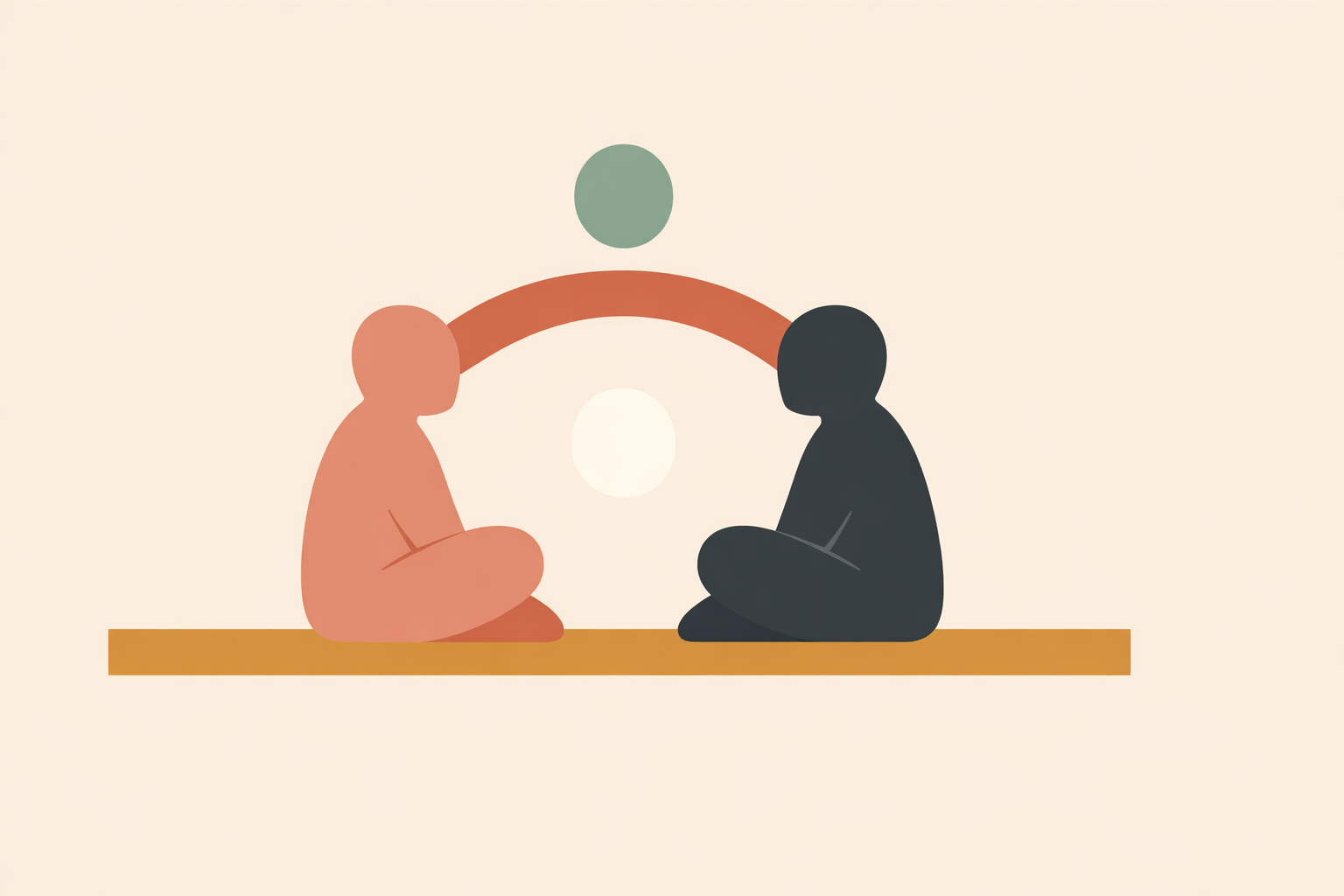
With anxious children, a familiar pattern often appears: adults reassure, offer a few calming tools, and hope confidence arrives before the hard moment does. In real practice, that can keep support circling around worry without creating enough forward motion. A steadier path follows a clear sequence: help the child understand what’s happening, build a few usable skills, then practice small acts of courage in everyday life.
This seven-session framework is designed for exactly that. It blends CBT-informed coaching tools with a warm, family-aware style, and it leaves space for meaningful rituals, cultural context, and the child’s own words. The aim is to help a child stay engaged with school, friendships, sleep, routines, and other valued parts of life common in child and adolescent development.
Key Takeaway: A practical child-anxiety support plan works best when it moves step by step. Start by building trust, mapping where worry shows up, and choosing one functional goal. Then explain the worry cycle in simple language, add body-based regulation tools, teach balanced self-talk, build a coping menu, and co-create a graded brave-step ladder. From there, shift into real-world practice, gentle troubleshooting, school and family coordination, and a simple plan for reducing accommodation while strengthening the child’s confidence.
Session 2: Explain the worry cycle in child-friendly language
Children often relax when their experience finally makes sense. A helpful frame is that the body has a protective alarm, and sometimes the alarm becomes too sensitive. This keeps the tone compassionate.
Draw the cycle in a few steps: trigger, prediction, body alarm, action, relief, and what happens next. Over time, avoidance can bring quick relief while quietly strengthening the expectation that the situation is dangerous. That’s why small acts of approach make such a difference.
Now add one or two body-based tools the child can actually use in daily life. A longer exhale breath, a quick senses scan, humming, pressing feet into the floor, or holding a familiar object can all be reliable options. Many child-focused resources include deep breathing and mindfulness-style skills as part of everyday coping.
This is also the perfect place to include family traditions that already carry meaning. A hand on the shoulder before school, a short prayer, a song in the car, or a grounding phrase in the home language can sit naturally beside structured coaching tools.
Keep the explanation brief and usable. The goal is for the child to recognize: this is my alarm, this is what it tells me, and I have a next step.
Session 3: Spot predictions and build believable self-talk
Once the child knows the cycle, shift to the story worry is telling. Help them separate what happened from what worry predicted would happen.
A simple four-part reflection works well:
- What happened?
- What did worry predict?
- What did I feel in my body?
- What did I do next?
Use one recent moment: being called on, a social invitation, bedtime, a test, a separation. Then explore alternatives respectfully. Instead of trying to argue the fear away, ask what else might happen and what the child could do if the hard outcome did occur.
Balanced self-talk belongs here. Overly cheerful statements often don’t land when the body alarm is loud. Many child anxiety guides include positive self-talk, and in day-to-day coaching the most helpful version is believable: “I might feel shaky, and I can still try,” or “This could be awkward for a minute, and I can stay with it.”
You can also name common thinking habits in a playful, non-shaming way: fortune-telling, mind-reading, all-or-nothing thinking. When a child can say, “That’s my fortune-teller voice,” they often gain enough distance to choose a skill.
Session 4: Create a coping menu and practice brave communication
Now turn understanding into a simple plan the child can use on demand. A one-page coping menu works well because it’s visible, portable, and repeatable.
You might organize it like this:
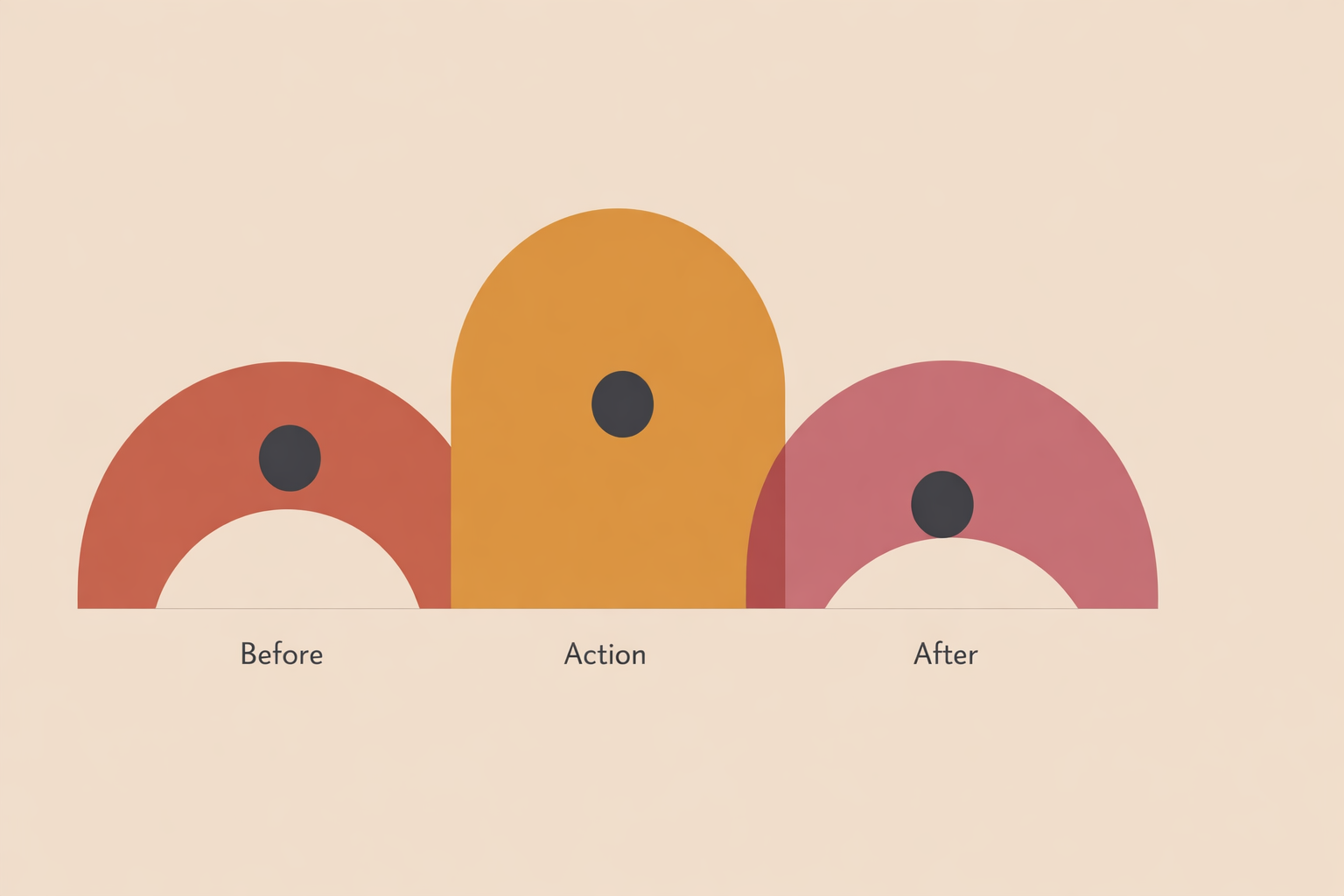
- Before: preview the situation, choose one tiny goal, rehearse one sentence, decide who will support.
- During: name the alarm, slow the breath, press feet into the floor, focus on the next action.
- After: note what happened, what helped, and what to try next time.
Add “brave communication” to the menu. Many anxious moments improve when a child can make a small request that keeps them participating. Short scripts are often enough: “Can I go third?” “Please ask me after two other people.” “I need a minute, then I can try.”
Traditional family practices belong here too. A song before sleep, a phrase of encouragement from a grandparent, a familiar scent, a gratitude ritual, or a small object carried for steadiness can support courage in a way that feels deeply personal.
Include adults in the plan. Reassurance and rescuing feel kind in the moment, yet over time they can strengthen the urge to step back. Reviews of child anxiety describe family accommodation as a factor that can help maintain the cycle. A steadier adult role is: connect first, then support the next manageable step.
Session 5: Build a brave-step ladder
This is where support becomes active and trackable. Co-create a ladder of small, specific steps that build toward what matters. The ladder keeps practice collaborative and predictable.
Start with something almost easy, then move gradually toward the bigger step. For a child who worries about speaking in class, a ladder might look like this:
- Look up for two seconds while seated.
- Raise a hand to ask for a routine pass.
- Ask the teacher one question privately.
- Say one sentence during group time.
- Read one line aloud from the desk.
- Answer one question while standing.
- Share for one minute about a favorite topic.
For each step, define what counts as done, who will help, where it happens, and how long it lasts. Many child-focused resources recommend gradual practice using brave behaviours rather than all-at-once pressure.
Context always comes first. If bullying, relational harm, sensory overwhelm, or accessibility barriers are part of the picture, those need direct attention. A brave-step ladder is not for pushing children through situations that are genuinely unsafe or poorly supported.
Session 6: Shift into real-world practice
With the ladder in place, choose one step and define the edges clearly: what the child will do, when they’ll do it, what support they’ll use, and how they’ll know it’s complete.
Then help them practice, repeatedly. In real life, confidence grows from doing, not from talking about doing. Reviews of exposure-based work suggest that homework and reducing avoidance can strengthen progress.
After each attempt, keep the review short and learning-focused:
- What did worry predict?
- What actually happened?
- What helped you stay with it?
- What did you learn for next time?
If the child freezes, cries, or turns sharply self-critical, adjust the step rather than dropping the whole plan. Shorter duration, more rehearsal, a quieter setting, or moving back one rung can protect dignity while keeping the thread of courage.
When school is part of the goal, light coordination helps. A brief, respectful plan with staff can make practice more consistent and reduce mixed messages, especially when support is grounded in child psychology coaching.
Session 7: Consolidate progress and coach caregivers
In the final session, shift from “one win” to a repeatable family response. Review the original goal and compare it with what the child can do now. Notice flexibility and recovery too, not only the outcome.
Create a one-page support plan the child and caregivers can keep nearby. Include common triggers, early body signs, typical worry predictions, helpful responses, brave steps that work, and a few self-talk lines the child genuinely believes. This becomes a shared roadmap for future challenges.
Caregiver coaching matters most here, because patterns accumulate. When adults repeatedly reassure, speak for the child, or reshape routines to prevent every spike of discomfort, anxiety can gain more room over time. Research reviews note that accommodation is associated with greater anxiety severity, and parent-based approaches that reduce accommodation show comparable outcomes to direct child-focused work in many cases.
A useful caregiver script is simple: “I can see this is hard, and I know you can do hard things.” That reflects the spirit of the SPACE approach: acknowledge the struggle, stay connected, and encourage the next brave step rather than removing every source of discomfort.
Before closing, identify two upcoming situations where the child can use the plan again. This keeps progress moving after sessions end.
Bringing the seven-session framework into practice
Across seven sessions, this approach helps a child understand their alarm, spot worry’s predictions, use a small set of regulation tools, and practice concrete acts of courage in real life. It also gives adults a clearer role: support participation and steadiness while confidence grows through experience.
The sequence is structured, yet it should feel human. Adapt the language, pacing, examples, and rituals to the child’s age, temperament, culture, family style, and daily environment. In many households, the most powerful support comes from pairing evidence-informed coaching tools with traditional practices that already communicate safety and belonging across child development contexts.
Close with good judgment about scope. If a child shows severe functional decline, immediate safety concerns, or circumstances that go beyond a coaching framework, stronger local support is appropriate.
At its best, this kind of support helps a child keep showing up for life even when fear is present, so confidence grows from lived success rather than pressure.
Advance Child Psychology Coaching
Apply this session structure in real coaching with the Child Psychology Coach Certification.
Explore Child Psychology Coach Certification →