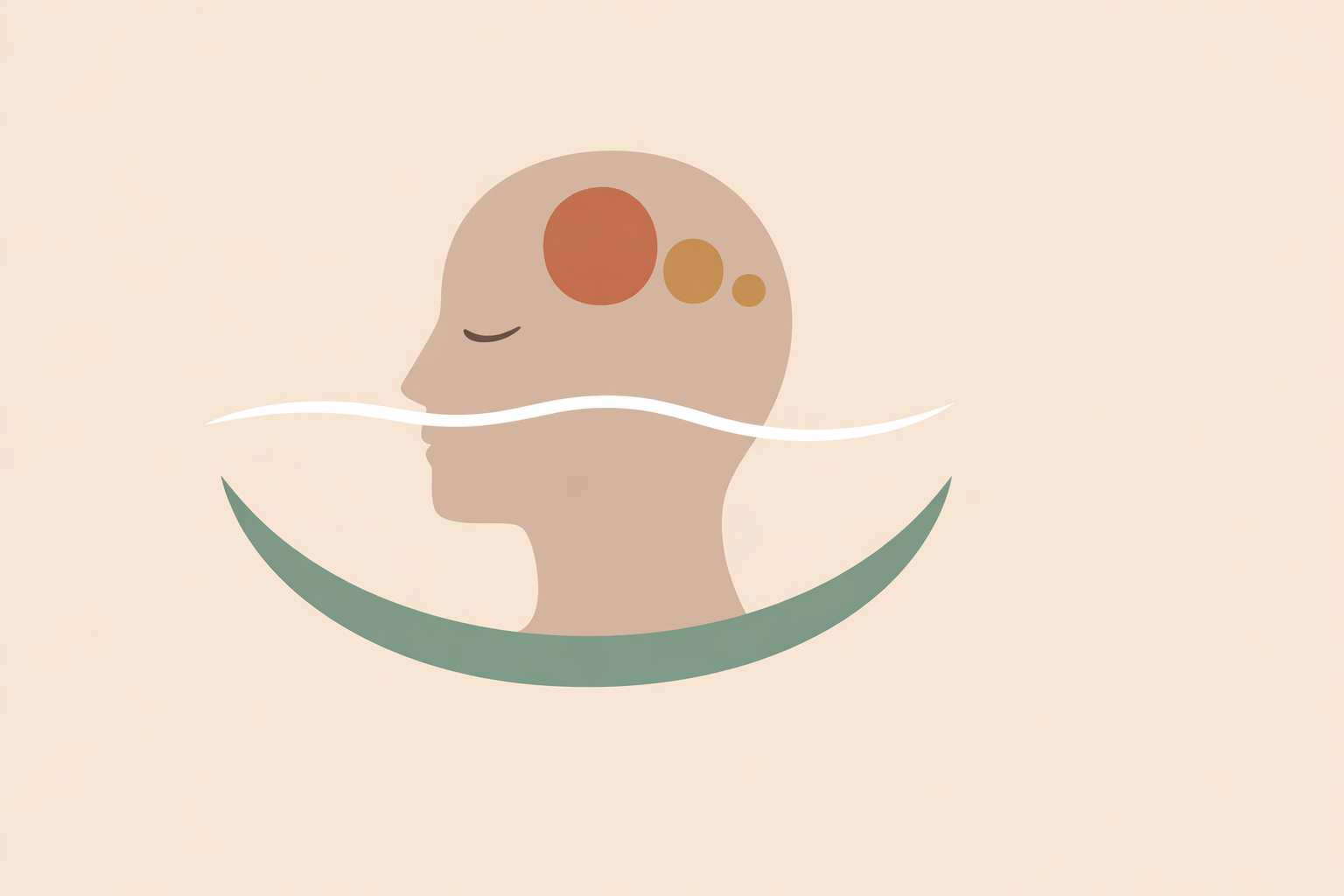
Practitioners are often pushed to choose a lane: talk it through or settle the body. In real sessions, that split shows its limits quickly. Someone may offer a thoughtful reframe while their breath stays tight and their hands tremble. Someone else may soften through orienting, pressure, or rhythm, and only then find words that truly land. On another day, inward attention itself may feel like too much.
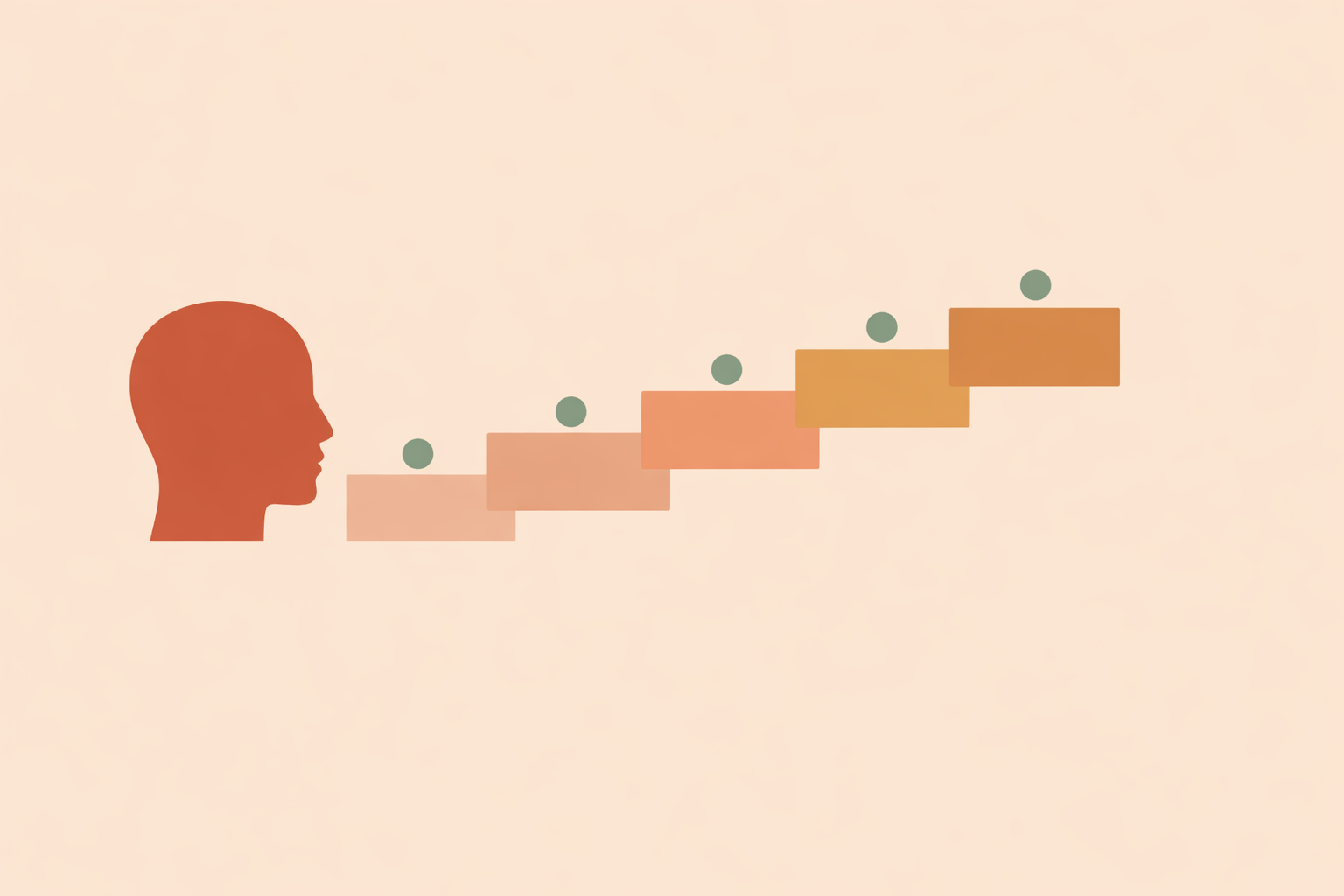
What helps in practice is sequencing. Notice what is available in the moment, choose the gentlest useful entry point, and move between body-based support and reflective language as the person’s state shifts. That’s how blended work stays practical and responsive.
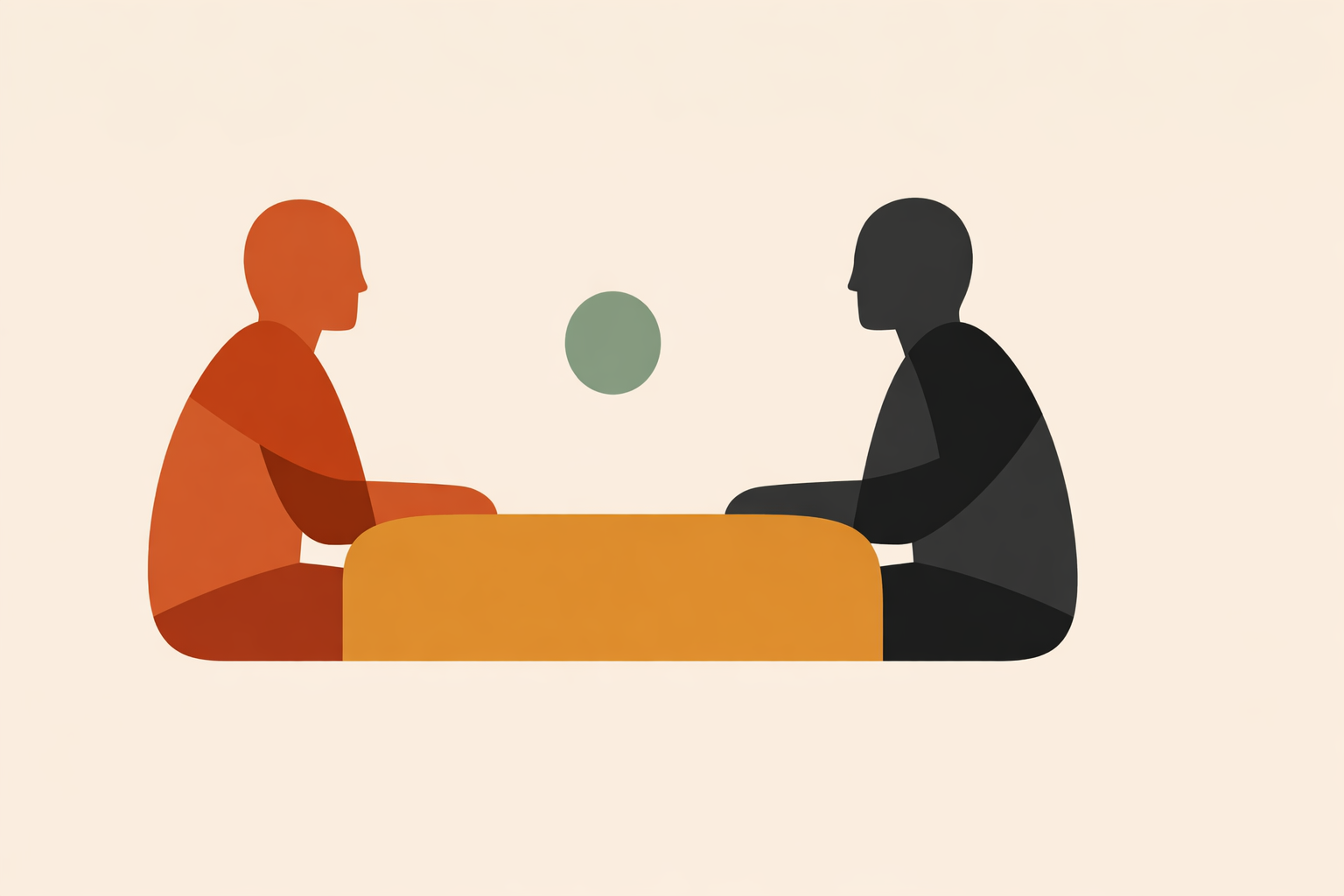
Key Takeaway: Effective regulation work is rarely either/or. In a blended session, practitioners move between body-based support and reflective language in a way that matches the person’s state. Often that means beginning with orienting, pressure, breath, movement, or sound when activation is high or energy is low, then adding meaning-making once more choice is available. The most useful structure is simple: read the state, choose an entry point, track response, and adjust with consent and cultural humility.
How to choose a starting point in session
Start by reading what’s actually happening, not what appearances suggest. Someone can look calm while feeling distant or shut down. Someone else can be animated and activated yet still present enough to reflect. Visible stillness is not a reliable sign that a person is at ease.
Look for present-moment availability:
- Can they orient to the room?
- Can they track one sensation without immediately escalating?
- Is their speech reasonably organized?
- Is there any curiosity, even briefly?
- Can they pause before reacting?
If most of those are available, reflective work can come in early. If not, begin with body-first support and let words arrive later.
A quick way to test this is to move gently between neutral support and difficult content. Invite them to feel the chair under them, name the headline of what feels hard in one sentence, then return to the chair or the pressure of their feet. If that tiny shift brings a clear spike, scattered attention, or collapse, start with sensation, rhythm, and orientation before asking for more narrative.
Interoceptive attention (noticing inner sensations) can be powerful, but it isn’t always soothing. For some people, intense inward focus increases discomfort. When that happens, go outward first: color, sound, distance, texture, temperature, or contact with a surface.
A script can be simple: “Let’s see what works today. Notice your feet on the floor. Now give me one sentence about what feels hard. Back to your feet. What happened to your attention?” That brief test gives more guidance than a long explanation.
A simple blended session structure
A blended session doesn’t need to be complicated. A clear arc keeps the work steady while still allowing real-time adjustment.
One workable flow:
- Arrival: Slow the pace. Let your tone, presence, and timing support settling.
- Shared intention: Name one practical aim for the session.
- Low-intensity body-based support: Choose one accessible practice such as orienting, gentle pressure, a longer exhale, swaying, or humming.
- Tracking pause: Ask what shifted, even slightly.
- Meaning-making: Add reflection, planning, or a boundary sentence if there’s enough room for it.
- Embodied integration: Pair the insight with a simple action, such as pressing the feet down while saying the new sentence aloud.
- Closing plan: Choose one early sign, one support, and one next step for daily life.
The key is alternation. Sensation creates space, language organizes it, and a small embodied action helps the shift stay available beyond the session.
When activation is high, start with the body
When someone is in a spike, reasoning rarely helps first. Settling the system gives language a better chance of landing afterward.
Begin with orienting to the room, pressure through the feet, and a gently lengthened exhale. Keep the exhale unforced; slow breathing is associated with reduced sympathetic activity. Make it modest, easy, and optional.
A straightforward sequence:
- Look around and name three neutral things you can see.
- Press both feet into the ground for a few seconds.
- Let the exhale become slightly longer than the inhale, without strain.
- Add a soft hum if that feels supportive.
- Then name the situation in one sentence and choose one next action.
This pacing keeps attention close to the present rather than pulling the person into mental debate while their system is still surging.
Also remember that settling doesn’t have to look the same across people or cultures. Some respond to humming. Others prefer a familiar prayer, a brief recitation, a repetitive phrase, or steady contact with the floor. Ask what already feels grounding and recognizable, then build from there.
When energy drops or shutdown appears, wake gently
Low-energy states ask for a different tempo. The aim is to support a little more aliveness without overwhelming the person.
External orientation often works better than deep inward focus at first. Invite the eyes to track distance, notice light or color, or find the farthest object in the room and then the nearest. Add small bilateral movement, a posture shift, or subtle pressure through the hands or feet.
A gentle sequence might include:
- Look far away, then nearby.
- Feel both feet on the floor.
- Add a small sway, ankle pump, or alternating hand squeeze.
- Make one soft sound, if helpful.
- Ask for one concrete need and one action that takes less than two minutes.
Here, small cues of warmth and competence matter. A patch of sunlight, the feel of a warm mug, tidying one corner of a desk, or the sound of a familiar song can act as tiny bridges back toward engagement.
If a protective movement seems to want completion, keep it small and present-oriented. Pressing the hands forward, turning slightly away, or leaning toward support can help the person feel more organized. Then pause, orient again, and notice what changed.
Working with cognitive loops and shame
When someone is caught in repetitive thought, more analysis often feeds the loop. A better rhythm is brief naming, then body-based support, then a modest reframe.
You might write down the looping thought, orient to the room, locate one body signal, and add a little movement or pressure before offering new language. That order matters. Pairing intense interoception with catastrophic thinking can amplify panic, so keep the inward focus gentle and brief.
A simple structure:
- Name the repeating thought.
- Return to a neutral support: chair, feet, sound, or visual orientation.
- Notice one body sensation without forcing it.
- Try a more flexible sentence.
- Check what shifts in breath, shoulders, jaw, or tone.
With shame, pacing matters even more. Nonjudgmental naming and steady co-regulation usually come first. The goal isn’t forced positivity; it’s more room to tell the truth with kindness.
For example: “Let’s put the thought here: ‘I always ruin things.’ Now feel the chair under you. Press your heels down gently. What changes? Would a truer sentence be, ‘I felt unprepared, and I can choose one different step next time’?” Modest language often lands better than dramatic reframing.
Ethical and culturally rooted blended practice
Technique matters, and the container matters just as much. Blended work is strongest when it’s guided by consent, repair, and cultural humility.
Misattunement is inevitable in human work. What matters is noticing it and repairing it. Professional guidance highlights repairing ruptures rather than pretending they don’t happen. In the room, that can sound like: “I think I moved too quickly. Would you like to slow down or try another approach?”
Cultural humility needs to be active, not performative. It includes ongoing self-reflection, awareness of power, and respect for the meanings people bring from family, lineage, and community. Established guidance supports power awareness as part of culturally responsive practice.
That means not treating breath, chant, prayer, subtle-body language, or movement forms as generic tools to borrow casually. Ask what the person already uses, what feels familiar, and what doesn’t belong in this space. Let their language lead whenever possible.
Keep consent dynamic throughout the session. Before touch, stronger voice-leading, or more evocative breath practices, ask clearly and offer a genuine no-cost opt-out. If something increases discomfort, pause, orient, and return choice immediately.
- Offer alternatives, not pressure.
- Name misattunement plainly when it happens.
- Respect cultural meanings and boundaries.
- Adjust light, sound, distance, pace, and seating when needed.
Sometimes the most supportive thing you do is stay steady enough for the other person to find their own next step.
Turning one good session into daily support
Blended work becomes most valuable when it carries into ordinary life. Lasting change grows through repetition, familiarity, and practices the person can genuinely sustain, whether in trauma and emotional healing work or other regulation-focused care.
Small anchors beat dramatic resets. A brief morning orientation, one familiar song before a difficult conversation, a short pause with feet on the ground before opening email, or a simple end-of-day check-in can help the body recognize a path back to steadiness.
Tracking in plain language keeps it real. A two-column journal is enough: what I noticed or believed, and what my body or actions did next. Over time, patterns become clearer, including which supports help, which are too much, and which only look effective in the moment.
Rehearsal outside of hard moments matters, too. When tools are practiced only in overwhelm, they can feel inaccessible. Regular practice in neutral moments makes them easier to reach for when pressure rises.
Blended work is a living rhythm: orient, settle, reflect, embody, repeat. Stay close to what’s reachable, keep the sequence flexible, and let small shifts—practiced consistently—change how someone meets their life.
Train in Polyvagal Therapy
Apply this sequencing approach with deeper confidence through the Polyvagal Therapy Certification.
Explore Polyvagal Therapy →