Shame can stall progress faster than almost anything else in alcohol-related coaching. When it takes over, clients lose perspective, urgency spikes, and even small next steps can feel unreachable. Pushing harder on accountability in that moment usually backfires; a clearer frame helps people re-engage.
When clients understand how alcohol affects reward, stress, attention, and next-day emotional balance, shame becomes easier to work with. Responsibility stays intact, but self-attack softens enough for learning to restart. From there, coaching naturally returns to repair, steadier choices, and repeatable skills.
Key Takeaway: Reducing shame by explaining alcohol’s neurological effects can create a form of accountability clients can actually use. A brain-wise approach helps clients separate identity from state, understand short-term relief and next-day rebound, shift from shame to repair, and practice self-compassion, mindfulness, and practical planning that support steadier change.
Shift 1: Reframe “I am bad” shame through brain adaptation
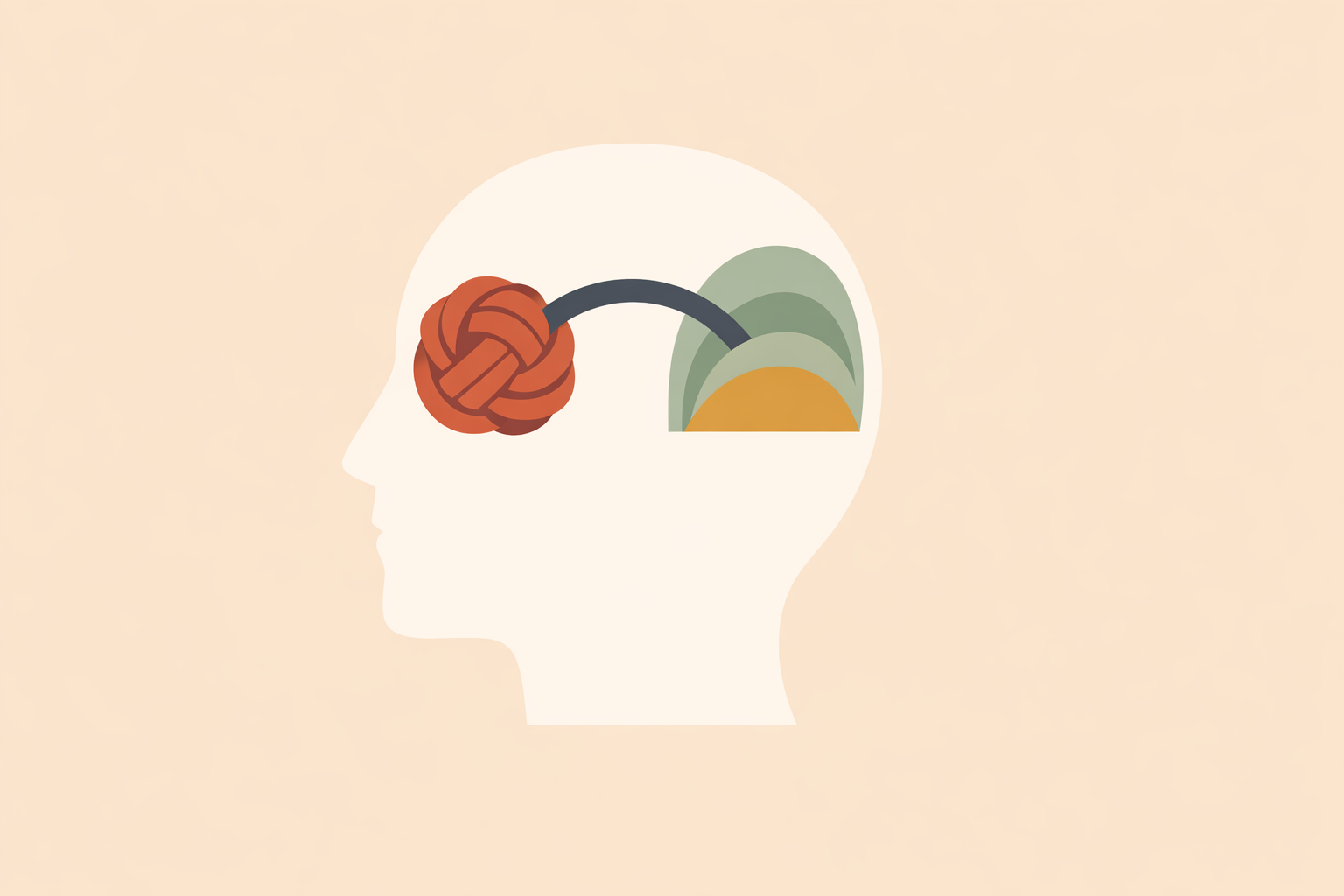
A strong first move is to name what the brain has been practicing. With continued alcohol use, the brain can develop neuroadaptations that make drinking feel increasingly automatic over time. This explains why patterns get sticky without excusing the impact.
That reframe changes the emotional temperature of the work. “Your brain learned this pattern” often moves a client from condemnation to skill-building. Accountability stays real, but it becomes usable: “I need a better plan.”
You might say: “Over time, your brain got efficient at predicting relief from alcohol. That pattern is real, but it is not your whole identity. Now we help your system learn something new.”
A brief line can interrupt global, harsh thinking: “My brain adapted; I’m responsible for new learning now.” Many clients can work with that more easily than either blame or vague reassurance.
- Use this line: “Your actions still matter, and your brain also learned strong habits. We’ll work with both.”
- Ask: “What is one pattern your brain learned, and one value you want to act from today?”
- Note example: “Shifted language from ‘I’m broken’ to ‘I learned a pattern.’ Agreed to practice one replacement response this week.”
Shift 2: Explain short-term relief as a brain state, not a character flaw
Many clients can name the moment drinking becomes tempting: after embarrassment, conflict, or social discomfort. For a brief window, alcohol can quiet internal pressure. Saying that out loud builds trust and reduces the need to posture.
Alcohol can reduce amygdala reactivity to social-threat cues, and its calming effects involve GABA and dopamine systems. For clients, that often translates to less felt threat, less tension, and quick relief from feeling watched, judged, or overwhelmed.
This is a turning point for shame work. If clients believe they drink because they are weak, self-attack tends to run the show. If they see a familiar relief loop, they can plan for the first minutes of an urge with more skill.
Try language like: “Your system found a quick way to feel safer for a moment. The pull makes sense. Now we need other ways to get through that moment without tomorrow’s backlash.”
An urge map makes the loop visible. Ask clients to describe:
- What happens in the first 5 minutes
- What changes by 20 to 30 minutes
- What usually happens emotionally afterward
Many people realize they are chasing a state change more than alcohol itself.
Shift 3: Use hangxiety to separate state from identity
Next-day anxiety is one of the fastest places to reduce shame. Clients often wake up convinced the dread is proof of who they are. Coaching works better when it’s framed first as a temporary post-drinking state.
As alcohol clears, the nervous system can rebound and increase anxiety as the brain readjusts after alcohol’s effects wear off.
Clients often describe a pounding heart, looping thoughts, social replay, irritability, and exaggerated worry about what they said or did. It can feel intense, but it tends to be time-limited; for many, it subsides within 12–24 hours.
That distinction matters: “This is a wave, not your identity.” Once a client can hold that, they’re less likely to stack shame on top of physiology.
Basic support usually helps more than chasing instant relief:
- Water and regular food
- Rest and reduced stimulation
- Gentle movement
- Simple contact with a trusted person
A 24- to 48-hour state chart can also help. Have clients predict their vulnerable windows after drinking and plan around them. Many practitioners find it lowers risk by reducing surprise.
Shift 4: Move from shame to guilt so repair becomes possible
Not all painful self-evaluation leads to the same outcome. Clients do better when they can clearly tell the difference between shame and guilt.
Shame and guilt often lead to different action patterns. Shame pulls people toward hiding and withdrawal. Guilt pulls attention toward behavior, impact, and repair.
So when a client says, “I’m awful,” bring it back to specifics: What happened? Who was affected? What can be repaired now? What will you do differently next time?
Guilt is typically more action-focused, while shame-proneness is linked with negative urgency, the impulse to escape painful feelings quickly, sometimes through another unwanted behavior.
A simple two-column exercise works well:
- Shame: “Who I am”
- Guilt: “What I did”
Then add three prompts:
- What is the behavior?
- What was the impact?
- What is one repair step?
Clients often leave calmer when they have a repair plan instead of a label.
Shift 5: Use self-compassion and mindfulness to steady the learning process
Self-compassion is not indulgence. In coaching, it’s what helps clients stay present long enough to make a better choice. When shame floods the system, options narrow and urgency takes over.
Practitioner experience supports this consistently: less inner hostility leads to steadier decisions. Clients pause more easily, notice what’s happening, and choose a response with intention.
Mindfulness and self-compassion also work well together. Mindfulness helps a person notice the wave without getting swept up in it. Self-compassion reduces the extra layer of harshness that often drives urgency.
Research lines up with what many practitioners observe. In a mindfulness-based relapse prevention cohort, increased self-compassion predicted lower shame. More broadly, mindfulness-based relapse prevention has been associated with reduced substance use and craving compared with usual support.
A 90-second practice keeps it practical:
- Place a hand where the body feels most tense
- Name the state: “Shame is here” or “I’m in a wave”
- Add warmth: “This is hard, and I can stay with it”
- Choose one next step: water, walk, breath, or text
It’s simple, memorable, and realistic under pressure.
Shift 6: Combine MI, cognitive tools, and mindfulness for shame-aware coaching
Once shame softens enough for reflection, structured coaching tools land better. Motivational interviewing, cognitive reframing, and mindfulness can be blended into a steady approach, including tools from mindset and behavior change.
Motivational interviewing often reduces defensiveness by honoring autonomy and meeting people with empathy. Reflective listening helps clients feel less judged, which makes change talk easier to access.
Then cognitive tools can challenge the story shame is telling:
- “I blew it, so there’s no point” becomes “A setback gives me information.”
- “I always do this” becomes “This pattern shows up under certain conditions.”
- “I’m hopeless” becomes “I need a more reliable response for this trigger.”
Mindfulness adds another layer by helping clients experience urges, memories, and harsh thoughts as passing events rather than commands. That creates space between feeling and action.
Turn that space into a plan with an if-then statement:
- If I hear “you’re hopeless,” then I text my support person, step outside for 5 minutes, and read my values card.
Planning tends to work better than self-attack, especially when physiology and shame are already running hot. The shame-drinking cycle is common, and shame can trigger solitary drinking later the same day. Anticipation becomes a practical act of care.
Shift 7: Restore belonging without appropriation
Shame rarely softens in isolation. Many people regulate better when they feel seen, welcomed, and still worthy of connection. Belonging deserves a central place in alcohol-related coaching.
This doesn’t require borrowing from traditions that aren’t yours or your client’s. Respectful practice asks what forms of repair, reflection, prayer, gathering, ritual, or community already exist in the client’s own background, values, and daily life.
That might look like:
- A weekly shared meal
- A voice note of honesty to a trusted friend
- A family check-in ritual
- A journaling practice focused on regret, gratitude, and intention
- A walk in a meaningful place each weekend
For some clients, naming internalized stigma is part of restoring belonging. Many carry inherited stories about weakness, moral failure, or being beyond support. Those can be addressed as learned scripts rather than truth.
Practitioners also see how quickly shame can shift in good company. Community, rhythm, and shared meaning help people feel grounded and able to stay with change.
An integrity note matters here: avoid adapting cultural or spiritual practices casually. Ask what genuinely belongs to the client, what feels respectful, and what supports well-being without performance.
Bringing it into everyday coaching
These shifts work best as a sequence. Start with brain adaptation so the client stops collapsing into identity. Explain short-term relief and next-day rebound so urges make sense. Translate shame into guilt and repair, then add self-compassion, mindfulness, and concrete planning. Finally, strengthen belonging in ways that are culturally respectful and personally real.
The tone stays clear-eyed, kind, and accountable. Clients do better when they feel neither excused nor condemned. They need language that tells the truth about patterns while keeping dignity and new learning within reach.
As a final note, this approach works best when it’s matched to the client’s current stability, supports, and safety needs. When shame is intense or risk is high, keep the plan simple, bring in trusted support, and prioritize steady, grounded next steps, as in alcohol recovery coaching and alcohol recovery coach certification.
Train in Alcohol Recovery Coaching
Build shame-aware coaching skills with the Alcohol Recovery Coach Certification to support steady change and repair-focused accountability.
Explore Alcohol Recovery Coach →