Holistic medicine has been steadily gaining attention—and for good reason. As more people look beyond symptom-based care, this approach offers something broader: a way to support health by understanding the full picture of a person’s life, not just isolated conditions.
Rather than separating physical health from emotional or mental well-being, holistic frameworks treat them as deeply connected. Research increasingly reflects this connection, showing how stress, lifestyle, and emotional patterns can influence physical outcomes—from immune response to chronic disease risk (mind-body connection).
If you’ve been wondering what holistic medicine really means—or how it fits alongside conventional care—this guide walks you through the philosophy, practical methods, and real-world benefits of this whole-person approach.
Key Takeaway: Holistic medicine focuses on the whole person—body, mind, and lifestyle—by identifying root causes, supporting balance, and combining natural strategies with modern care for sustainable, long-term health.
What Holistic Medicine Means
At its foundation, holistic medicine is about connection. It views the body not as separate systems, but as an integrated whole where physical, emotional, and environmental factors constantly interact.
The connection between body, mind, and lifestyle
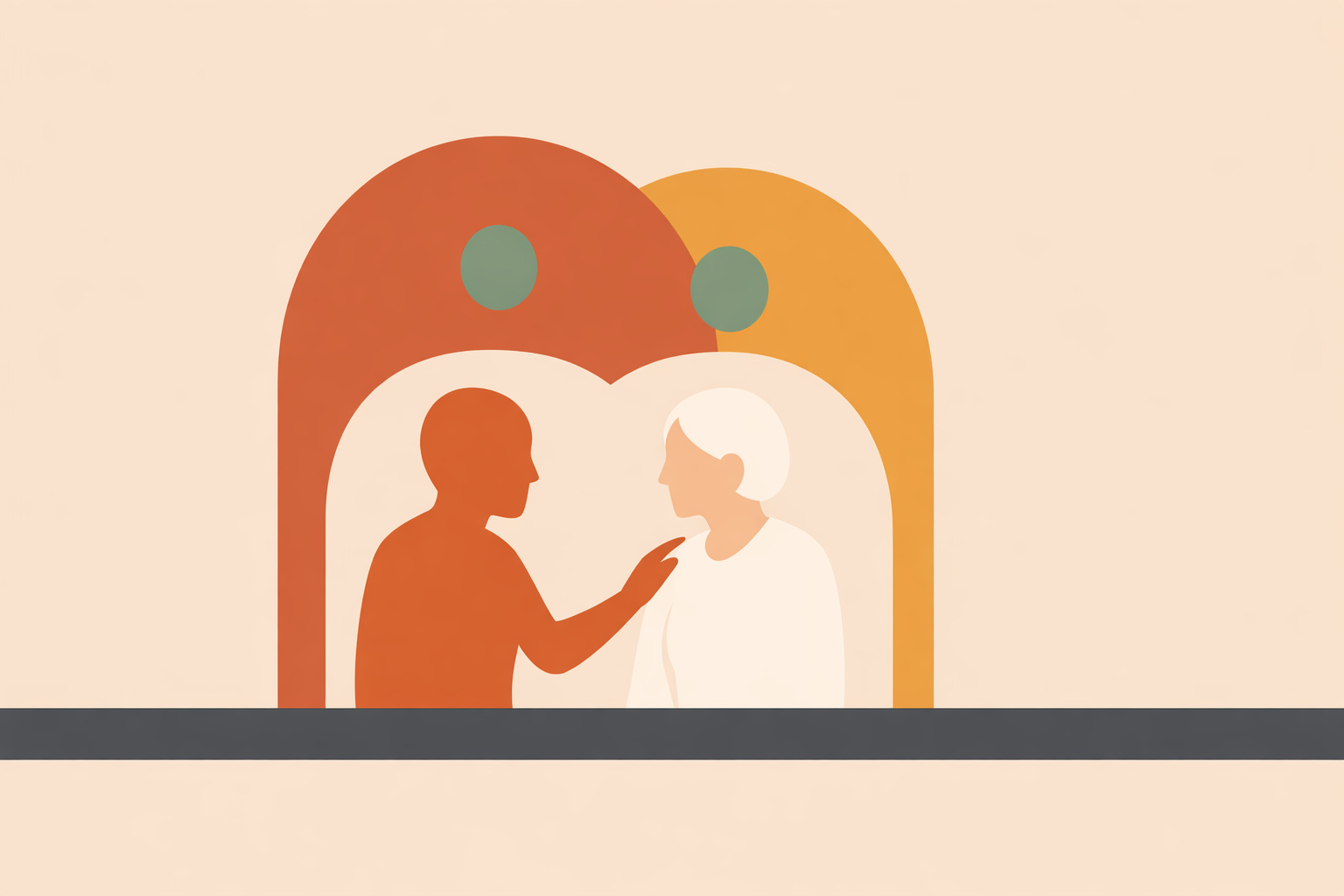
Holistic practitioners recognize that physical symptoms often have deeper contributors. Chronic stress, poor sleep, or emotional strain can influence hormonal balance, immune function, and even digestion. Studies show that long-term stress can impact multiple body systems, reinforcing the need for a broader perspective.
By addressing lifestyle, emotional patterns, and physical habits together, holistic care aims to restore balance rather than simply suppress symptoms.
Holistic vs. conventional medicine
Conventional medicine is highly effective for diagnosing and treating acute conditions, often focusing on targeted interventions. Holistic medicine, on the other hand, emphasizes understanding the root cause of imbalance—whether that’s nutritional, environmental, or emotional.
Importantly, these approaches are complementary. Integrative models—combining both—have been shown to improve patient outcomes by addressing both immediate symptoms and long-term health patterns.
“When I started looking at my sleep, stress, and nutrition—not just symptoms—everything began to shift,” one client shared, reflecting how whole-person care often leads to more sustainable results.
Popular Natural Healing Methods
Holistic medicine offers a wide range of tools that can be tailored to individual needs, often combining several approaches for better results.
Herbal medicine
Plant-based remedies have been used across cultures for centuries. Ingredients like turmeric and chamomile are now studied for their anti-inflammatory and calming effects, offering gentle support for a range of conditions.
Nutritional therapy
Nutrition plays a foundational role in health. Research shows that dietary patterns can directly influence chronic disease risk, energy levels, and even mental health.
Naturopathy
Naturopathy integrates multiple natural therapies to support the body’s ability to heal itself. It emphasizes prevention, lifestyle balance, and minimal intervention where possible.
Mindfulness and breathwork
Mindfulness practices have been shown to reduce stress and improve mental health, making them a valuable component of holistic care.
- Start: Introduce one method at a time.
- Layer: Combine approaches for stronger results.
- Track: Notice changes in energy, mood, and sleep.
Benefits of Holistic Healing
When practiced consistently, holistic care supports both immediate well-being and long-term resilience.
- Prevent: Focus on balance before illness develops.
- Personalize: Tailored care for individual needs.
- Support: Gentle approaches with fewer side effects.
Conclusion: A More Complete Way to Heal
Holistic medicine offers a broader, more integrated approach to health—one that respects the complexity of the human body and the many factors that influence well-being. By combining natural strategies with modern care, it creates a path that is both practical and deeply sustainable.
Ready to Go Deeper?
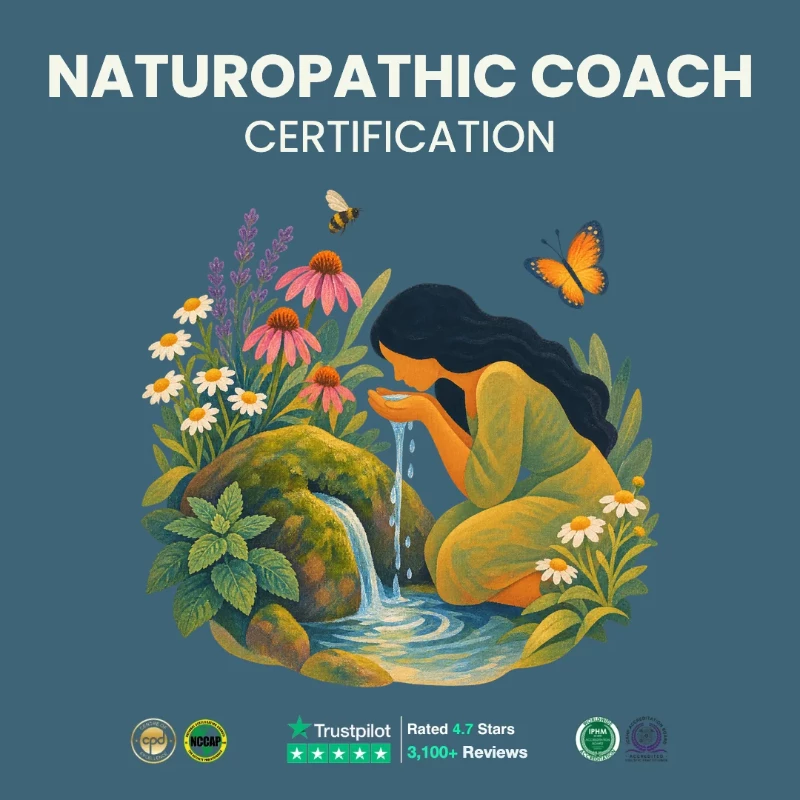
Take the next step with a Naturalistico certification—designed for those ready to deepen their expertise in holistic healing.
Explore the Program →