When a client asks how to improve self-esteem, it’s tempting to offer reassurance, prescribe affirmations, or aim for a quick confidence lift. In practice, that often lands shallow. If a person already ties their value to approval, more praise can tighten the knot.
Supportive coaching starts with precision. “Low self-esteem” is a label; the work is understanding how it operates in this person’s real life—when it shows up, what triggers it, and what it costs them. Once that’s clear, you can help them loosen performance-based worth, build lived evidence through small strengths-aligned actions, widen the frame with PERMA, and create a compassionate plan that holds up in an ordinary week.
Key Takeaway: Self-esteem coaching works best when generic reassurance is replaced with a structured, curiosity-led process. Start by clarifying what self-esteem means for this client and where it shows up. Then help them separate worth from performance, build lived evidence through small strengths-aligned actions, widen the frame through PERMA, and create a relational, compassionate plan they can actually sustain.
1. Start with curiosity, not reassurance
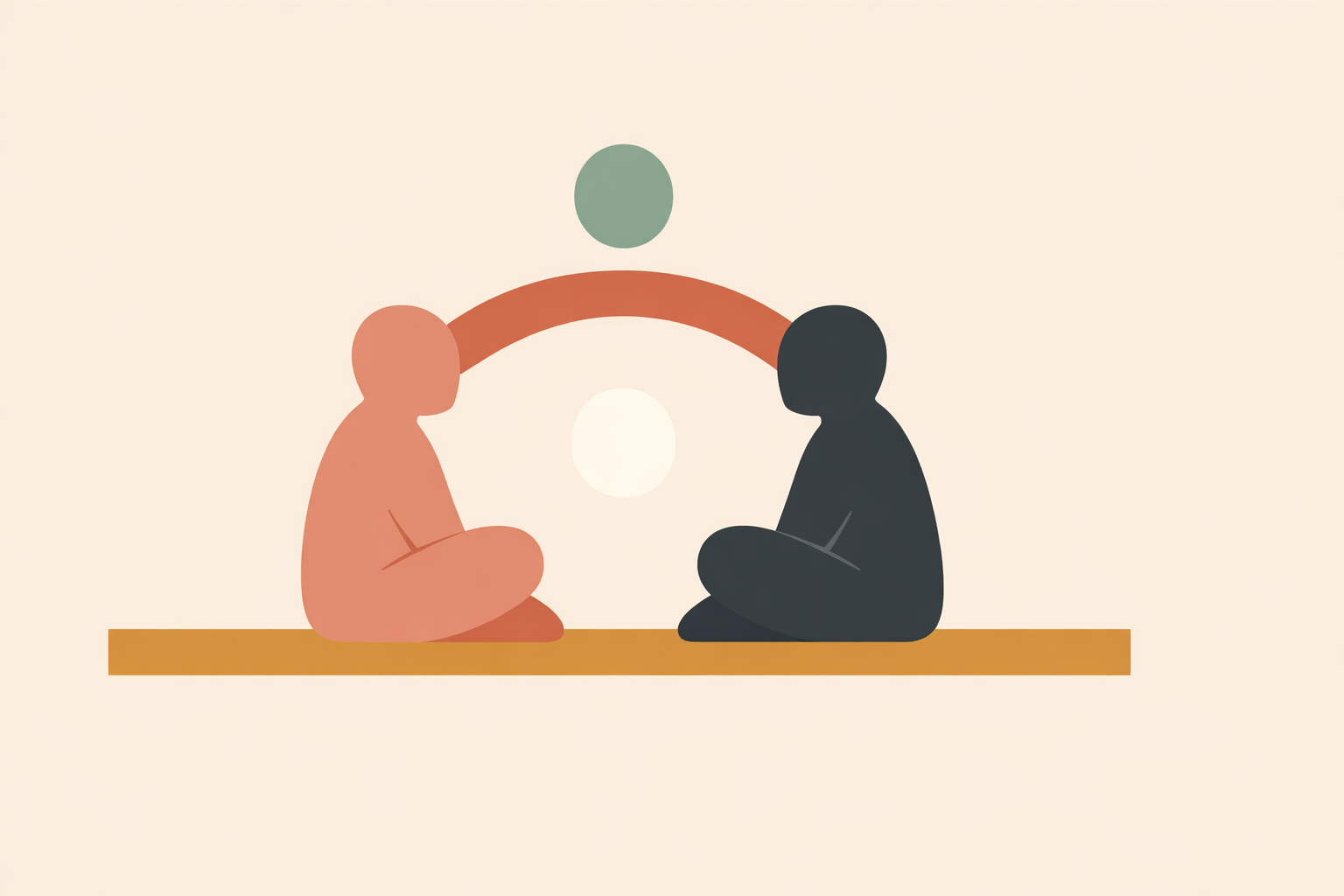
When someone says, “I hate how I talk to myself,” slow the moment down. Before encouragement, ask what “self-esteem” means in their words and where the struggle feels most intense.
Questions like these usually open the work:
- “When you say low self-esteem, does it feel general, or is it strongest in one area of life?”
- “What situations trigger it most reliably?”
- “What do you say to yourself in those moments?”
- “Whose standards are you measuring yourself against?”
This clarification creates coaching targets you can actually work with. It also brings the deeper drivers into view—fear of failure, rejection, shame, or being exposed. Naming those drivers makes the next step clearer.
It also helps avoid a common misstep: trying to talk someone out of their experience too quickly. “You’re great” can accidentally reinforce the idea that worth must be granted from the outside.
Traditional helping roles have understood this for a long time. Dignity often returns through being heard fully and without hurry, with space for story and silence before any technique is introduced.
- Concrete script: “What is the exact sentence you say to yourself when this happens?”
- Micro-vision: “If you trusted yourself 10% more next week, what would change in one specific moment?”
- Example: Ana notices the harsh inner voice spikes after scrolling through colleagues’ promotions. That pattern becomes the starting point.
2. Separate self-worth from performance
Many people turn outcomes into judgments about their value. Success becomes “proof” they’re acceptable; a setback becomes “proof” they’re not. Helping a client loosen that fusion is often a turning point.
You might hear it in phrases like:
- “I only matter when I do well.”
- “If I disappoint someone, I’m a failure.”
- “If I’m not impressive, I’m not enough.”
Once the pattern is visible, keep the process practical: name the belief, examine it, write a more balanced sentence, then test it in real life.
- Spot it: “If I’m not perfect, I’ve failed.”
- Check it: “What actually happened the last time I made a mistake?”
- Balance it: “A mistake is feedback, not a verdict on my worth.”
- Test it: “I’ll submit the draft and improve it after feedback.”
Self-compassion steadies this work. Instead of building worth on comparison or flawless performance, it builds a supportive inner relationship. Research shows a strong association between self-compassion and self-esteem, and in practice, self-kindness helps many clients recover faster from moments that used to spiral.
Keep it tangible. A client can place a hand on the chest, name what is hard, and ask, “What is the kindest honest next step?” Done consistently, this creates self-respect without turning growth into another performance test.
3. Build self-esteem through strengths and small promises
After the client starts separating worth from outcomes, the next need is lived evidence. Insight helps, but repeated follow-through changes identity over time.
A reliable tool is the small promise: one specific, realistic commitment that can be kept this week. The point is not to impress anyone. The point is to practice reliability with the self.
Examples include:
- Speak once in Wednesday’s meeting.
- Send one sincere appreciation message tonight.
- Take a 10-minute walk after lunch three times this week.
- Spend 15 minutes on a neglected creative practice.
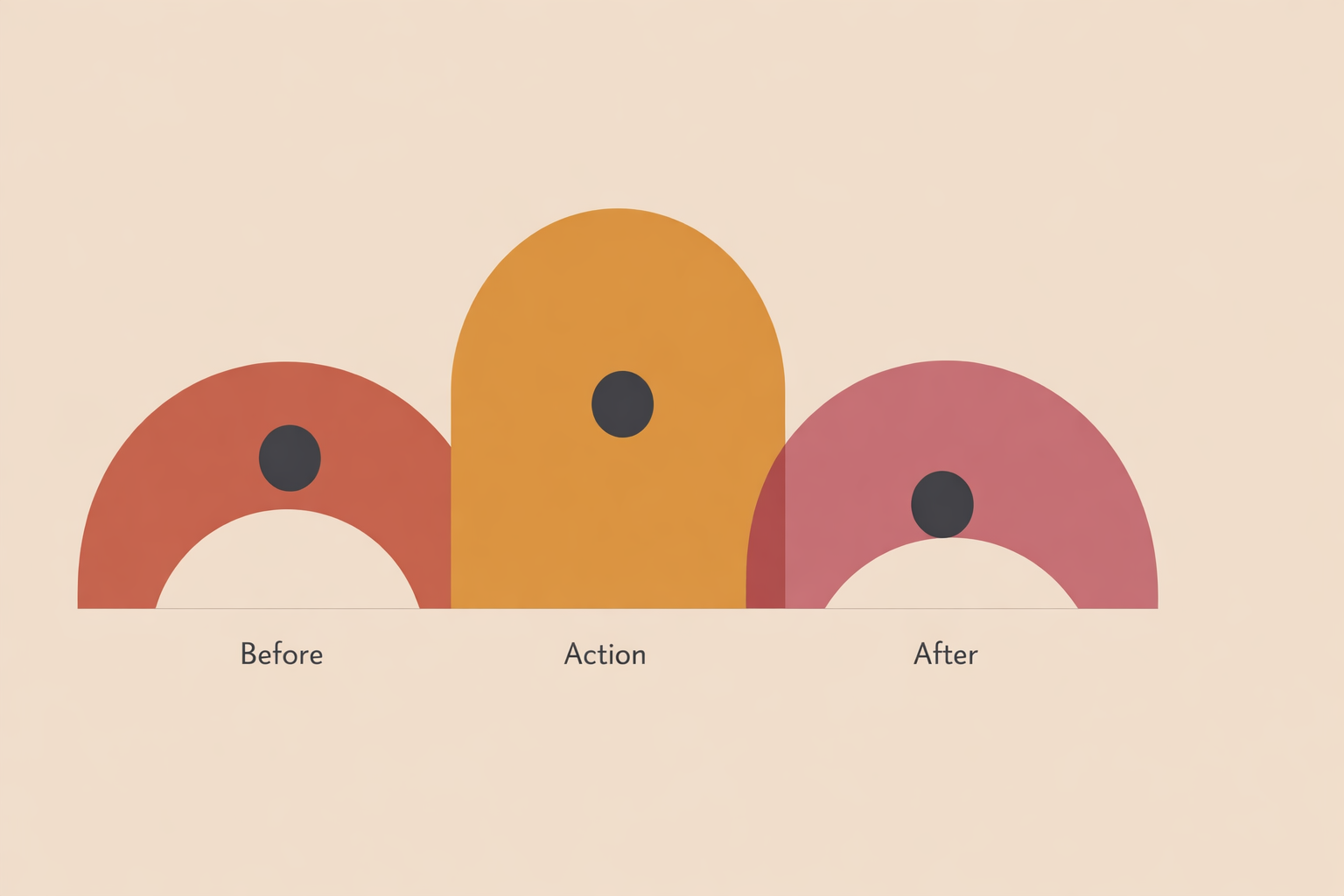
After the action, ask: “What does keeping this promise show you about yourself?” Over time, the client accumulates proof of agency and self-respect.
This works especially well when promises are linked to strengths. The VIA framework identifies 24 strengths people can express in everyday life, and strengths-based coaching becomes powerful when it moves from naming qualities to choosing actions. Kindness, perseverance, humor, hope, and perspective are often easy to translate into simple routines.
- Example: Omar values kindness and humor. His small promise is one genuine check-in with a teammate each day and one lightening comment during team standup.
- Reflection prompt: “After seven days, what did these actions reveal that self-criticism had been hiding?”
- Kind tracking note: “Kept 5 of 7 promises; noticed I can speak even when nervous.”
Keeping commitments very small increases follow-through. Each kept promise sends a steady message: “I can rely on myself.” For many clients, that message is where self-esteem begins to feel real.
4. Use PERMA to widen the frame
Self-esteem stabilizes more naturally when it’s supported by a fuller life. When it becomes the only project, people often monitor themselves too closely and feel worse. A broader well-being map helps create traction.
Positive psychology and wellbeing coaching often uses PERMA as one practical framework:
- P: Positive emotion
- E: Engagement
- R: Relationships
- M: Meaning
- A: Accomplishment
In coaching, this moves the focus from “How do I feel better about myself?” to “What conditions help me relate to myself more steadily?” Many clients find that shift relieving.
Ask:
- “Which PERMA element is already supporting you?”
- “Which one needs one small experiment this week?”
Examples can stay simple:
- Positive emotion: a weekly joy ritual with tea, music, or time outdoors
- Engagement: 20 minutes of absorbed focus in craft, gardening, writing, or another meaningful activity
- Relationships: one sincere message of appreciation
- Meaning: one hour offered to something that matters
- Accomplishment: finish and share one imperfect draft
A value-aligned action can feel uncomfortable and still strengthen dignity. Many clients need permission to count “hard but right” as progress, especially when linking present relief with lasting well-being through eudaimonic happiness.
Traditional and ancestral practices have long held many of these same supports: ritual, song, storytelling, shared work, craft, connection to land, and belonging in community. Global guidance encourages including heritage programs and culturally meaningful practices within well-being support, which mirrors what many practitioners observe: people settle more deeply when support resonates with their roots.
When appropriate, combining positive-psychology tools with traditional practices can be especially supportive. WHO reporting has described reduced anxiety, stress, and depression in a program in Türkiye that paired support with traditional Sufi music and breathing practices. The guiding principle is respect: work with living cultural forms where they genuinely belong, rather than borrowing carelessly.
5. Make the plan relational, compassionate, and trackable
A plan that stays as a good idea rarely lasts. A plan held in relationship, practiced with kindness, and tracked simply is far easier to sustain.
Start with the social field. Ask who offers grounded encouragement, who regularly undermines dignity, and where the client feels safe enough to practice new behavior. Supportive relationships matter; one study found social rejection was linked with lower self-esteem, while self-compassion was linked with higher self-esteem.
Then build a plan for a real week:
- One insight: “My harsh inner voice spikes after comparison scrolling.”
- One action: “Three evenings this week, I’ll replace 10 minutes of scrolling with a call or time outside.”
- One support: “My cousin will text me on Tuesday and Thursday as a nudge.”
- One review point: “Next Friday, I’ll note what helped, what didn’t, and the next 10% step.”
Gratitude and mindfulness fit well here when they’re used as attention training, not forced positivity. Try: “Name one specific person, action, or resource that supported you today, and why it mattered.”
Implementation intentions are also useful when confidence collapses under pressure. The APA describes if-then plans as a practical way to support self-control when resolve is likely to be tested.
Examples:
- If I hear “I can’t do this,” then I will write one piece of evidence that I can take the next small step.
- If I start comparison scrolling, then I will put the phone down and step outside for two minutes.
- If I freeze before speaking, then I will ask one prepared question.
Track progress kindly:
- Daily: check one box for “kept a small promise.”
- Weekly: rate the PERMA elements from 1 to 5 and write one sentence about what helped.
- Monthly: reread notes and let a trusted person reflect back what they see changing.
Keep boundaries clear as well. Coaching is well suited to goals, habits, values-based action, strengths use, communication, and behavioral experiments. If someone is living with ongoing harm, severe or persistent distress, or needs formal evaluation beyond your scope, support them in connecting with licensed or community-based services alongside your work.
Conclusion: Turn one question into a steady practice
When someone asks how to improve self-esteem, the most helpful response is rarely a pep talk. A steady process works better: clarify the pattern, separate worth from performance, build evidence through small actions, widen the frame through well-being, and make the plan relational enough to hold in daily life.
This approach is both contemporary and traditional in spirit. It uses practical tools while honoring an older truth: dignity grows in context—through story, relationship, meaningful effort, and respectful belonging.
Keep the lens wide. Cultural context, discrimination, disability, neurodiversity, economic pressure, and power dynamics all shape how people experience worth. WHO notes these forces shape well-being, and good coaching doesn’t pretend self-esteem is purely individual.
Hold a warm tone as you go. Across cultures, story, ritual, shared work, and connection to something larger than the self have supported dignity for generations. Positive psychology coaching offers useful structure; traditional knowledge offers enduring pathways of belonging. Together, they help clients build a calmer relationship with themselves.
Self-esteem grows through practice. One honest question, one kept promise, one values-aligned action at a time is often how lasting change takes root.
Explore Positive Psychology Coaching
Apply these self-esteem tools more confidently through the Positive Psychology Coach Certification.
Explore Positive Psychology →