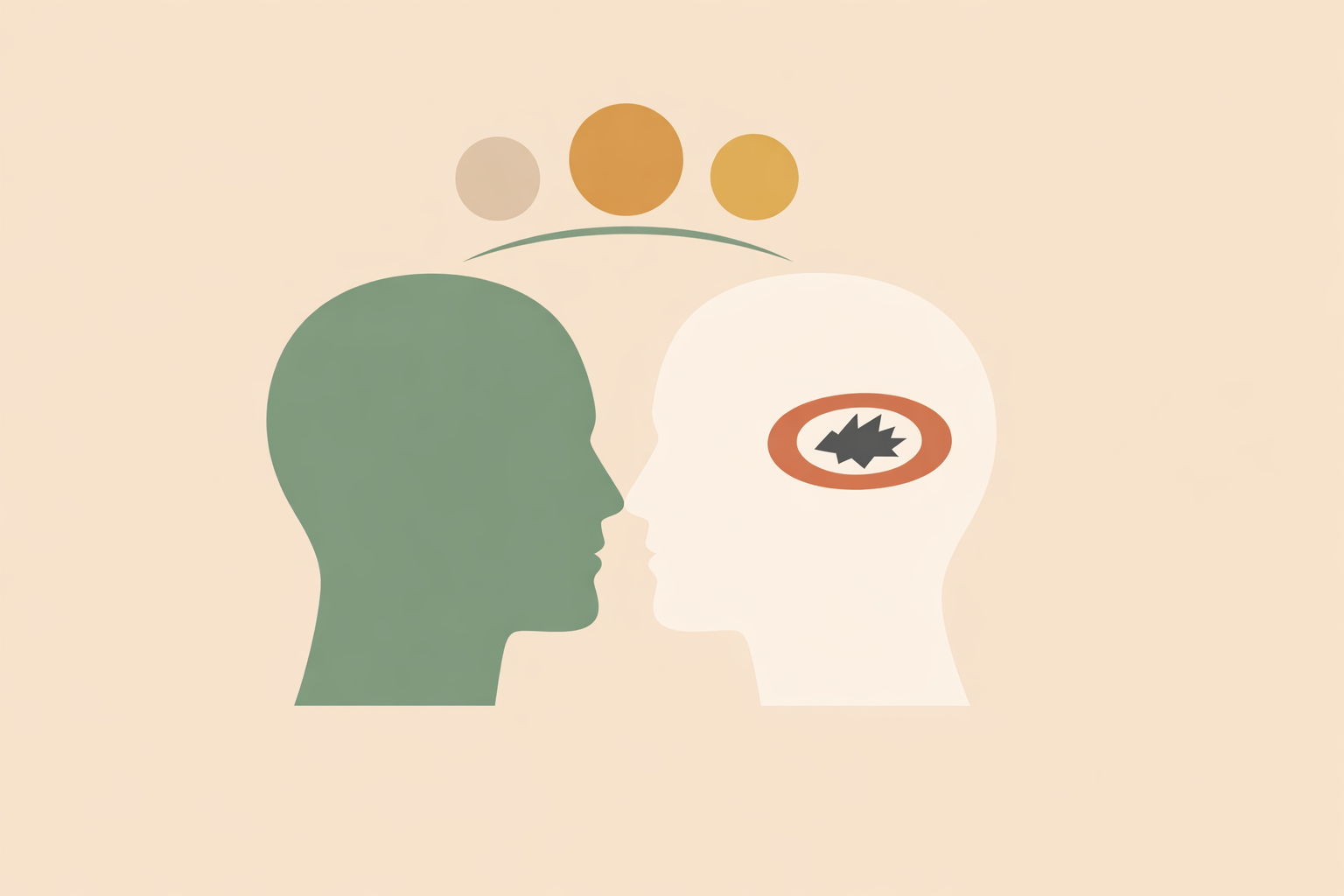
When clients worry hypnosis might trigger a surge, a skilled practitioner doesn’t brush that aside. The fear becomes part of the plan—because the way you respond can steady the nervous system, protect trust, and turn worry into a practical guide for safer practice.
Across many traditional lineages, focused attention, breath, and guided imagery (often described today as hypnosis) have long supported people in relating to strong sensations with more steadiness. In modern practice, that often looks like weaving progressive relaxation, sensory reshaping, and portable anchors so clients feel more resourced in their bodies day to day—without making dramatic promises. For step-by-step structures, see progressive relaxation and portable anchors.
Modern imaging adds language to what traditional practitioners have observed for generations: hypnosis can shift how the brain tags sensation as urgent. Stanford describes how hypnosis can alter salience networks, helping the system loosen the automatic “danger” alarm. A large review also found pain reductions when hypnosis is paired with relaxation and focused suggestion.
At Naturalistico, hypnosis is taught within a wider trance-and-imagery lineage used across cultures to support intense sensation with dignity and patience. If you want that broader frame, explore the course that places hypnosis within a trance lineage.
Key Takeaway: When clients fear flare-ups, treat the fear as protective information: lower pressure, explain the flare–anxiety loop, set “soften not erase” intentions, and use safety-first language with small, believable shifts. Install portable anchors and encourage gentle engagement so clients regain choice without overpromising.
When clients ask “What if it spikes?”: why this fear matters
“What if it spikes?” isn’t resistance. It’s the protective mind trying to prevent another hard day—and it deserves respect.
From a nervous-system lens, this fear is a learned safety strategy. The fear-avoidance model explains how protective behaviors—cancelling plans, bracing, withdrawing—can bring short-term relief while quietly training the system to stay on high alert. Over time, life gets smaller not from lack of will, but from a body that has learned “avoid to stay safe.”
That’s why addressing fear directly matters. A review found fear-beliefs predicted work disability more strongly than structural findings. Put simply: the meaning assigned to a flare can shape outcomes as much as the sensation itself.
Zooming out, meta-analytic evidence links catastrophizing and pain vigilance with greater anxiety, low mood, and limitation. And when anxiety rises, stress chemistry can heighten nerve sensitivity, so burning, buzzing, or tingling can feel louder—even when nothing new is happening structurally.
So when a client asks, “What if it spikes?”, you can treat it as a wise protector speaking. Acknowledge it—and then offer a new agreement: no forcing, just more options.
Step 1: Present hypnosis as skills training, not a pain on/off switch
Lower the stakes early. Frame hypnosis as skills training—something that strengthens with repetition—rather than a pass/fail switch.
Supportive language can be both warm and honest: “We’ll practice ways to soften intensity and reduce the emotional load of sensations. We’ll do it in small steps, so your system can learn at a pace that feels safe.” This matches Naturalistico’s emphasis on no overpromising and step-by-step coping strategies.
Two quick reframes that often land well:
- “Hypnosis won’t force anything. It trains attention and breath so your body has more choices.”
- “We’re aiming for influence, not instant disappearance.”
As Milton Erickson put it, “You use hypnosis not as a cure but as a means of learning.” That mindset supports steady progress, especially when hypnosis is treated as a collaborative process and clients practice between sessions.
When pressure drops, many bodies finally exhale. And from that calmer baseline, learning happens faster.
Step 2: Name the flare–anxiety loop so clients stop blaming themselves
Many clients quietly assume flares mean they “did it wrong.” Naming the flare–anxiety loop helps them see a protective system, not a personal failure.
One simple way to explain it:
“Your system learned to stay alert because sensations have been intense before. When a twinge appears, the alarm turns up to keep you safe. That alarm—worry, bracing, scanning—can release stress chemistry like cortisol, which makes nerves more sensitive. The sensation feels bigger, so the alarm gets louder. Nothing is ‘wrong’ with you; the alert system just got really good at its job.”
This fits with how the amygdala and insula are discussed in fear and sensation, and why people living with nerve-related pain often report lower quality of life alongside higher anxiety.
From there, offer a micro-practice that interrupts the loop. A phrase widely used in somatic observation is “uncomfortable but safe… temporary.” Think of it like giving the body a steady handrail: notice location and texture, then remind the system that right now is safe enough to soften.
Once clients understand the loop, a flare stops being “proof I’m broken” and becomes “a moment to practice the relationship.” That’s a strong foundation for trance work.
Step 3: Set grounded intentions before trance—“soften, not erase”
Before induction, co-create a gentle plan. The intention is “soften, not erase”—less intensity, less struggle, more choice.
Three mapping questions keep the work precise and personal:
- “If the sensation had a texture—burning, buzzing, numbness—what would you call it?”
- “What typically triggers a rise?”
- “What does a flare mean to you when it happens?”
This matches Naturalistico’s guidance to map sensory texture, triggers, and meanings so suggestions fit the client’s lived language.
Then make consent explicit and collaborative: “Outcomes vary by person. We’ll focus on building tools you can use, not on forcing your body.” Naturalistico frames this as explicit consent, and it aligns with the value of clear expectations for comfort-focused suggestions.
Finally, name a simple flare plan you can both trust: “If intensity rises, we’ll return to calm first, then dial down 10–25%, then add an image—cooling, spaciousness, or soft warmth—then install a self-cue.” For a structured version, see the stepwise shared plan.
Step 4: Use safety-focused language when sensations rise in trance
If a surge appears mid-session, language becomes guidance. Lead with safety, choice, and small, believable shifts.
A simple in-session arc:
- Down-shift: Use breath cues and a soft countdown. Naturalistico often pairs this with guided imagery such as cool breezes, warm sunlight, or gentle waves.
- Reframe: “This is uncomfortable but safe… and changing.” Invite curiosity—shape, color, texture—so the client experiences space around sensation.
- Influence: Introduce the pain dial: “Notice the number right now. With each long exhale, let the dial turn down one notch.” Reinforce even modest shifts as real influence.
- Anchor: Link the shift to a cue (palm on heart, thumb to finger, a quiet word). Naturalistico often uses a palm-on-heart breath so steadiness is accessible anywhere.
On the research side, hypnosis can quiet parts of the salience system such as the anterior cingulate, helping the brain stop broadcasting sensation as an emergency. Here’s why that matters: as alarm drops, choice returns.
When appropriate, bring in culturally meaningful imagery—river stones cooled by water, sky wind moving clouds, a grandmother’s song that loosens the chest. Naturalistico trains elemental, story-based imagery in Blue Therapy. Traditional metaphors aren’t decoration; metaphors of belongingness reliably communicate safety and inclusion, which makes them powerful carriers of regulation.
Step 5: Install portable anchors so clients feel supported between sessions
Clients feel safer when support travels with them. Close by installing one or two simple tools they can use the next time a flare threatens.
Three practical elements to install before reorienting:
- One physical cue: Palm on heart, thumb to finger, or a hand at the lower ribs, paired with a slow exhale as a post-hypnotic anchor. Learning safety signals linked to calm can reduce fear and anxiety.
- One phrase: “I choose steadiness,” or “Uncomfortable, safe, and changing.” Short enough to ride the breath.
- One routine: A brief daily audio plus a tiny notes tracker. Naturalistico recommends consistent timing to build daily practice.
To make progress visible, encourage a simple log of micro-wins: “Used the anchor on the bus; the dial moved from 7 to 5,” or “Listened before bed; woke with more ease.” This trains attention toward safety, not just spikes.
Then add a brief identity-strengthening close: “I am capable. I have tools. I choose steadiness.” Naturalistico shares more on grounded ego-strengthening that builds confidence without unrealistic claims.
Step 6: Invite ongoing engagement to gently unwind fear-avoidance
Flares don’t have to mean “stop living.” Pacing and gentle engagement help the body relearn that presence can be safe—even on spiky days.
Practically, this means staying connected while flexing the plan. On a high-intensity day, you might prioritize breath-led down-shifting and a lighter induction. Many coaching and rehab-style resources encourage people to attend sessions even during flares, adjusting intensity while maintaining continuity. When someone retreats completely each time sensation rises, hypervigilance can strengthen; steady, gentle engagement can weaken it.
This is the heart of the fear-avoidance cycle: avoidance soothes short-term, but often feeds fear long-term. Movement research also notes fear of movement can predict lowered function more than sensation intensity.
It also helps to normalize long arcs. Even after anxiety or low mood improves, some people continue to experience more limitation, as discussed regarding remitted anxiety. Rather than a verdict, this can be a gentle invitation: keep weaving breath, imagery, and supportive community into daily life.
In Naturalistico’s learning community, practitioners often see meaningful shifts with consistent hypnosis across a series of sessions, especially when paired with simple between-session practice. Over time, fear loosens, and flares stop being the main storyline.
Conclusion: Flare-up fears as a doorway to deeper trust
When a client asks, “What if it spikes?”, something important is happening: they’re showing you the exact place they need safety, clarity, and choice. When you present hypnosis as skills training, name the flare–anxiety loop, set grounded intentions, use safety-forward language in trance, install portable anchors, and encourage steady engagement, fear becomes a map for more supportive work.
This path honors ancestral wisdom—breath, image, song, story—while welcoming modern insights about salience networks and attention. It also reflects Naturalistico’s stance: evidence-informed, culturally rooted, and gentle on promises. For language that stays transparent and respectful, see no overclaiming, and for elemental imagery you can tailor to a client’s cultural roots, explore Blue Therapy.
One caution to hold until the end: clients should always be encouraged to work within their comfort zone and seek appropriate professional support for anything sudden, severe, or concerning. Within that common-sense boundary, kind language, steady pacing, and well-chosen anchors can make hypnosis what it has long been in wise hands—a way to rediscover influence and meaning inside the body, even when the road is uneven.
Master Pain-Support Hypnosis
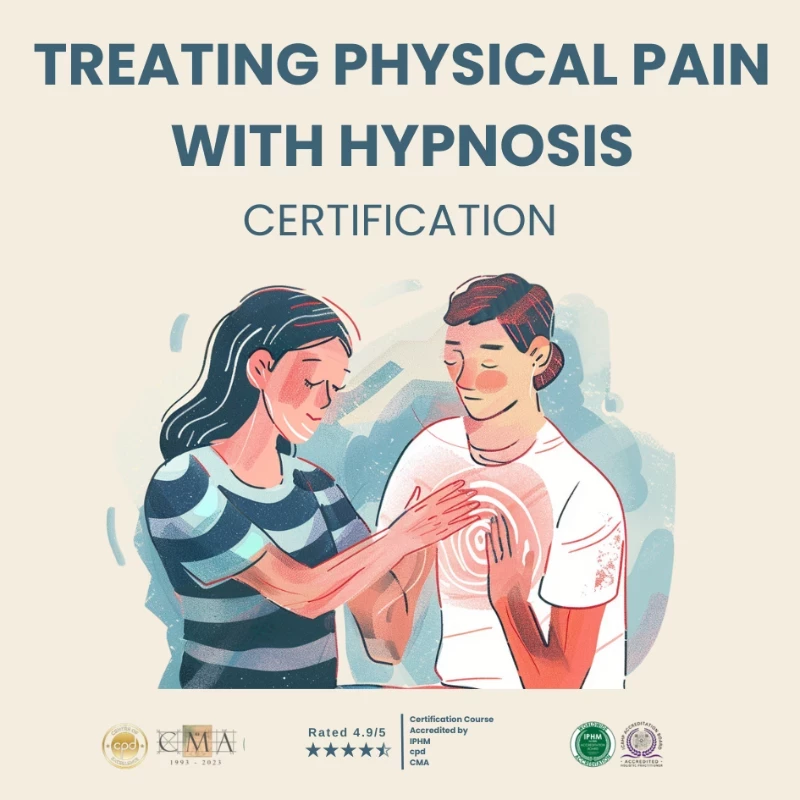
Go deeper into these skills in Treating Physical Pain with Hypnosis for ethical, structured pain-support sessions.
Explore Treating Physical Pain →