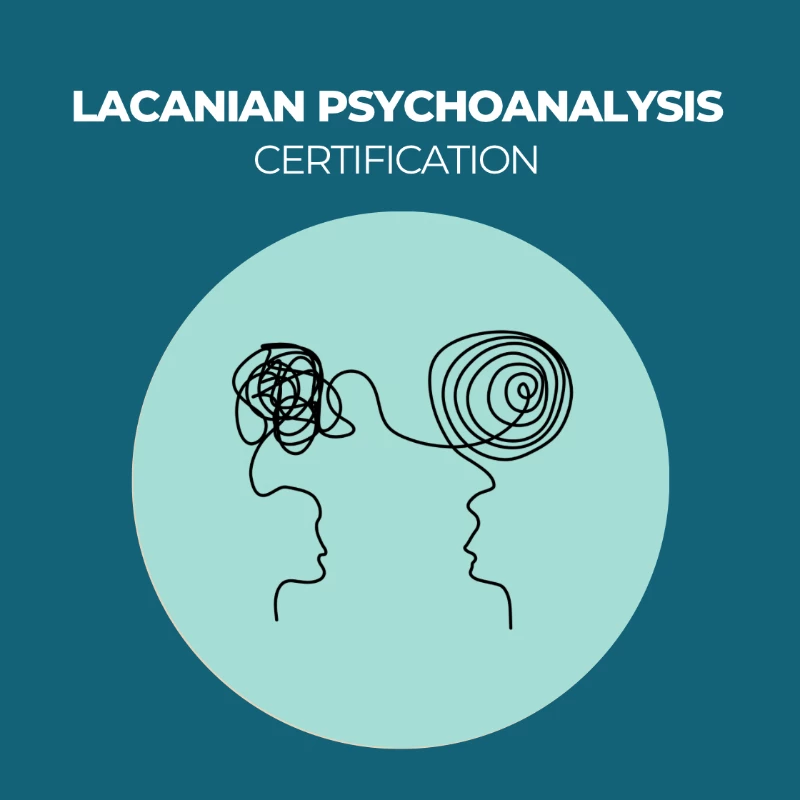
When a client says, “I don’t know what I feel,” it’s tempting to reach for a clean label. In Lacanian-oriented work, that line is often a doorway. Something meaningful is pressing up against the edge of language, and the task is to keep speech moving without forcing it into a category too soon.
Practically, this means privileging the person’s own words, rhythm, images, and pauses. It also means remembering that trouble naming feeling doesn’t always come from the same place. Sometimes words are missing. Sometimes identity feels at stake. Sometimes the experience is simply too much to organize into language in that moment.
Key Takeaway: In Lacanian-oriented helping, “I don’t know what I feel” is not a failure. It is often the start of useful work. A steadier response is to echo the person’s own language, lower the pressure to “get it right,” distinguish between missing words, defended identity, and overwhelm, and use provisional names, images, and pacing to support articulation without fixing identity.
Move 1: Treat “I Don’t Know” as a Starting Point
Take it as a beginning, not a dead end. “I don’t know” often signals that something important is nearing language. The first job is not to solve it, but to help speech continue.
You may hear vague descriptors like “fine,” “weird,” or “numb.” Some people shift into stories that circle events while skimming feeling. Others speak through sensation: buzzing, tightness, heaviness, fatigue. These are all workable openings.
Stay invitational. Emotion naming can support clarity, but rushed labels can harden experience before it’s had room to unfold. Aim for movement, not a verdict.
Try brief prompts that echo their words:
- “Let’s stay with your ‘I don’t know.’ What word or image comes next?”
- “You said ‘weird.’ What makes it weird today?”
- “Can we slow down one moment of the story and notice what happened inside you there?”
Repeated phrases often matter more than polished emotion words. If someone keeps saying, “This always happens to me,” or “It’s too much,” treat that phrase as the thread and let the chain continue.
For example, if someone sighs, “I don’t know… it’s just too much,” you might respond, “Too much?” and pause. If they add, “Like I’m drowning,” follow the image: “Let’s stay with ‘drowning’ for a moment. What happens right before you go under?”
Move 2: Lower the Pressure to Get the Feeling “Right”
A steadier move is to treat emotion naming as a learnable craft. That softens shame, invites curiosity, and leaves room for different cultural ways of expressing inner life.
Reduce distress is a common outcome associated with putting feelings into words. Framed gently, naming becomes less like a test and more like a skill built over time.
You can say this plainly: “There’s no need to find the perfect word. We can begin roughly and let the language become clearer.” That kind of permission often creates ease.
Some coaches start with a small set of basics and expand from there. One common model begins with eight emotions, then grows more nuance around them. Often, a simple two-axis check-in is even easier: the circumplex model describes emotion through valence-arousal.
You might offer: “We can start with ‘pleasant or unpleasant’ and ‘high energy or low energy.’ That may be enough for now.”
This approach also respects cultural difference. Feeling-language grows inside families, communities, and lineages. Some people learned direct naming; others learned restraint, storytelling, gesture, prayer, or silence. When someone hesitates, there is often history behind it, and emotional socialization is linked with internalized shame.
Move 3: Listen for Signifiers, Not Just Emotion Labels
Instead of staying with “What do you feel?” listen for what the person actually says. In a Lacanian frame, exact words, slips, metaphors, repetitions, and pauses can carry more than a ready-made category.
When a word lands heavily, repeat it lightly. A small echo helps the person keep associating in their own direction rather than being guided into yours.
For example:
- Client: “I’m fine. It’s just… nothing.”
- You: “Nothing.”
- Then: “When you say ‘nothing,’ does it feel more like a hollow or more like a lid?”
If a new phrase appears, stay with it. If they say, “A lid,” then ask, “A lid over what?”
This is often more productive than supplying a feeling word on their behalf. It keeps language local, precise, and alive. Even “Why that word?” can open a surprising amount of material.
One practical exercise is to write down a repeated phrase verbatim during or after a session. Read it back later with a pause and notice what follows. Often the phrase itself is already the thread.
Move 4: Tell Apart Missing Words, Defended Identity, and Overwhelm
Not being able to name a feeling can arise from different places. Three broad patterns are especially useful to distinguish: a gap in language, a defended identity, or overwhelm.
When the difficulty is a gap in language, the person may simply not have accessible words for a particular inner state. Emotion concepts vary across cultures, and a limited lexicon can constrain expression. In those moments, a provisional offering can help.
You might say, “Some people might call this heavy, jagged, or restless. Do any of those open something, or not at all?”
At other times, naming a feeling threatens a cherished self-image. A person may be invested in being calm, capable, generous, spiritual, or unfazed. The point is not to dismantle that image, but to create some room around it.
You might respond, “I hear how important steadiness is for you. Is there anywhere that steadiness works a little too hard?”
Then there are moments of overwhelm, when speech frays, silence deepens, or the body surges ahead of language. Here, grounded company often supports the person more than precision does, and simple prompts for when clients can’t name emotions can help you stay with the moment without adding pressure.
A simple way to hold these possibilities in mind:
- Missing words: offer a few gentle possibilities, then wait.
- Defended identity: respect the self-image while inviting curiosity.
- Overwhelm: stay close to breath, pace, and contact rather than pushing for language.
This prevents you from assuming every “I don’t know” means the same thing.
Move 5: Use Provisional Language Instead of Final Labels
When you do offer words, hold them lightly. A useful label can stabilize experience, but it can also stick too quickly. In some situations, naming can calm distress while also reduce flexibility in what comes next.
That’s why “almost-names” are often better than final verdicts. They give the person room to test language, revise it, and borrow it briefly without turning it into identity.
Try prompts like:
- “Some people might call this fear or shame. Does either fit, even a little?”
- “Is it closer to heat or collapse?”
- “If you had to give it a working title for today only, what would you call it?”
This keeps naming open-ended. If “anger” feels too sharp and “annoyed” too small, there may be an in-between word that works for five minutes and can change later.
The spirit here is gentle and non-possessive. You aren’t pinning the person down. You’re helping language gather around experience just enough for the work to keep moving.
Move 6: Use Images, Metaphors, and Cultural Forms of Expression
Sometimes an image arrives before a label. That’s often the bridge into speech.
If someone says, “It feels like a grey sky that won’t rain,” stay with the image. Ask about texture, weather, color, place, movement. Images can open pathways toward articulation when direct naming feels too narrow.
You might ask:
- “If this feeling had weather, what would it be?”
- “Where are you in that landscape?”
- “What word sits closest to that image today?”
Metaphor is not decorative. “I’m drowning,” “I’m under a lid,” or “I’m carrying a storm” can hold more truth than a polished emotional term in the moment.
Visual and expressive approaches can also help people move toward words. Some expressive arts frameworks use imagery to access emotions that are difficult to articulate directly.
Just as importantly, many people already have inherited ways of expressing feeling: proverbs, prayer, song lines, symbolic objects, communal stories, ritual gestures. If a person brings one of these forms, follow it with respect. Let it teach you how meaning is carried in their world, without borrowing from lineages that aren’t yours to take.
Move 7: Know When Not to Push
There are moments when not naming is the wisest move. If speech is fraying, anxiety is rising, or the body is overwhelmed, grounded presence supports more than precision.
This matters especially when someone carries a history of rupture, disorganization, or deep shame. Numbness, silence, and flatness can function as protection rather than mere absence. Research on shame also notes withdrawal and numbing as self-protection.
In those moments, make pacing explicit:
- “Would it help to try a word, or would you rather stay with image or breath for now?”
- “How steady do you feel right now?”
- “Let’s spend two minutes with this, then come back to grounding.”
You can also say, “I’m with you. We don’t have to name anything right now.” Sometimes that does more than a perfect interpretation ever could.
The broader ethic is simple: listen without forcing. Stay available to what is unfinished, and let protection be protection when that’s what is needed.
Conclusion: Let Labels Stay Alive
The most useful shift is to stop treating emotion labels as final answers. When someone says, “I don’t know what I feel,” there’s no need to rush toward certainty. Normalize not-knowing, listen for exact words, sense whether the difficulty is about language, identity, or overwhelm, and invite images or provisional names that preserve movement.
In this way, naming becomes a gentle craft rather than a performance. Words can appear, change, and settle into a person’s story without hardening into identity. This stance is often more respectful, more culturally sensitive, and more faithful to the reality that feeling rarely arrives in neat categories.
As a closing caution, keep labels light, go at the person’s pace, and treat inherited forms of expression with care and respect. Given enough steadiness and space, what cannot yet be said often begins to find its form.
Study Lacanian Psychoanalysis
Deepen your listening and intervention skills with the Lacanian Psychoanalysis Certification.
Explore Lacanian Certification →