Anyone who has supported clients with hypnosis for ongoing discomfort has seen the same pattern: a session brings calm and confidence, and then real life arrives. Pacing slips, sleep stays uneven, and flare-days start steering decisions again. The more useful question isn’t “Does hypnosis help?”—it’s how to anchor it in daily skills so the gains survive Monday morning.
That’s where outcomes often shift. Hypnosis can change attention and meaning, and it tends to be strongest when it’s paired with broader strategies that support steadier regulation and more helpful habits. When the goal moves from “make it disappear” to reshape the experience, hypnosis becomes more sustainable—because it’s now tied to what people can practice.
Key Takeaway: Hypnosis tends to last longer for ongoing pain when it’s linked to repeatable daily regulation skills—especially mindfulness, pacing with gentle movement, sleep routines, breathwork, and cognitive-emotional reframing. These pairings help clients practice agency and consistency, shifting their relationship with sensation rather than relying on session-only relief.
From “switch it off” to changing the relationship with pain
A more workable frame is helping clients change how sensation is interpreted and responded to. It might feel cooler, more distant, quieter, less threatening, or simply less central. For many people, that shift is more realistic—and more empowering—than chasing a total absence of discomfort.
As pain researcher Mark Jensen puts it, “The findings indicate that hypnosis interventions consistently produce significant decreases in pain.”
And, as Stanford’s David Spiegel reminds us, “Pain is not simply a peripheral sensation; it’s also how the brain interprets and manages that sensation — and we can do a heck of a lot with our brains to modify our levels of discomfort.”
This fits beautifully with traditional wisdom: people have long used breath, attention, movement, ritual, and meaning together. Hypnosis simply offers a focused way to deepen those same levers—and help clients practice them with more consistency in daily pain management.
1. Hypnosis and mindfulness: reducing reactivity
Mindfulness and hypnosis pair naturally. Mindfulness builds the skill of noticing sensation, emotion, and thought without immediately bracing against them. Hypnosis adds direction—guiding the mind toward softening intensity, shifting perspective, or creating space around what’s being felt.
One of the most practical outcomes is reducing catastrophizing and rumination. Research suggests reduced catastrophizing is linked with better day-to-day outcomes in ongoing pain support.
In session, this can stay very simple: “Notice the sensation—and notice you are more than the sensation.” What this means is the alarm system doesn’t have to run the whole show.
Spiegel’s observation captures it well: “The intensity of pain is directly associated with its meaning.” When meaning softens, experience often softens with it.
- Begin with three slow breaths and simple orienting.
- Invite the client to notice sensation as changing rather than fixed.
- Layer in suggestions such as “further away,” “less urgent,” or “easier to observe.”
- Use acceptance language that keeps agency intact: “This is here, and I can still choose my next step.”
Many practitioners find the combination reduces emotional reactivity more than either approach alone. Even when published research hasn’t caught up to every clinical nuance, this pairing is a reliable workhorse in practice.
2. Hypnosis and pacing: turning insight into steadier capacity
Pacing sounds straightforward, yet it’s one of the hardest habits to keep. Clients push on better days, crash later, then lose confidence. Hypnosis can help pacing “stick” by making rest feel wise rather than like failure—and by training attention to early signals before overload hits.
It’s also important to be realistic: pacing isn’t a universal fix. Research suggests mixed effectiveness, which matches what practitioners often see. It tends to work best when it’s personalized, repeated, and supported by other regulation skills.
Hypnosis strengthens pacing by making it embodied. Instead of teaching rules, you guide someone to rehearse a felt sense of “steady,” “enough,” or “I can pause before the crash.” That inner rehearsal often lands more deeply than advice alone.
Gentle movement can make the pairing even more durable. Tai chi, qi gong, walking meditation, or chair-based sequences often fit well because they blend rhythm, attention, breath, and confidence. Many clients stay more consistent with culturally familiar movement than with gym-style exercise—and consistency is the real multiplier.
As one practitioner put it in a credentialing board newsletter, “As the pain goes down, you recognize that you are gaining control… each time you enter this relaxed state, your mind and body learn more and more how to turn down that pain.”
- Use short pre-movement cues such as “soft, steady, smooth.”
- Help clients notice the first whisper of fatigue rather than the crash point.
- Frame pauses as part of the practice, not a break from it.
- Offer movement choices that fit the person’s background, preferences, and daily reality.
Practitioners also often notice less anticipatory guarding, which can make movement feel safer and more approachable—an important win for chronic pain coping and long-term follow-through.
3. Hypnosis and sleep rituals: creating a nightly reset
When sleep is unstable, everything else becomes heavier. Poor sleep tends to raise sensitivity and emotional reactivity the next day, while better sleep can reduce next-day pain. For many clients, evening routines are one of the highest-yield places to start.
Hypnosis fits naturally at night because the body is already moving toward stillness and reduced stimulation. Suggestions of heaviness, quiet, safety, and drifting often land well—especially when repeated in the same sequence.
This is why bedtime practice can become a “nightly reset.” When evenings are more predictable, mornings often feel steadier, and other coping skills become easier to apply.
Sleep support can be especially important for people in recovery from substance use, where stabilizing rest may reduce relapse risk. There is also a difficult loop where opioid use disrupts sleep, while poor sleep is associated with higher pain and greater reliance on medication-based support.
- Keep the last 30 to 45 minutes of the evening simple and repeatable.
- Use dim light, reduced screens, and a familiar sequence.
- Add a short audio or self-hypnosis script focused on heaviness, warmth, and safety.
- For waking in the night: use one simple cue rather than a full routine.
A practical evening sequence might include:
- 6 minutes of slow breathing
- 10 minutes of progressive relaxation
- 15 to 20 minutes of self-hypnosis
- a short closing phrase such as “quiet, heavy, safe”
4. Hypnosis with breathwork and relaxation: faster regulation
Breathwork and relaxation are some of the quickest ways to help clients feel a shift they can trust. Slow diaphragmatic breathing can increase parasympathetic activity and decrease anxiety, making it an excellent doorway into hypnotic work.
For people living with ongoing pain, less tension and anxiety often means less distress around sensation. Research also suggests breathing retraining can reduce pain-related distress.
Progressive muscle relaxation is another strong companion. It can reduce muscle tension, and when paired with hypnosis it often deepens sensations like heaviness, warmth, or numbness—useful anchors clients can recreate later.
Biofeedback-informed work can fit here too. When someone learns to recognize a regulated state through direct feedback, hypnosis can help them rehearse and recall it more easily. Research supports biofeedback for building voluntary self-regulation.
- Use a simple inhale-exhale ratio such as 4 in, 6 out.
- Add one phrase on the exhale: “release,” “soften,” or another culturally resonant cue.
- Move from breath into relaxation, then into hypnosis, as one continuous practice.
- Keep it short enough to repeat daily without friction.
Traditional breathing forms, prayerful repetition, and ancestral calming phrases can belong here too—when chosen collaboratively and respectfully. The real goal is resonance and repeatability, not complexity.
5. Hypnosis and cognitive-emotional skills: changing the story
Ongoing pain is shaped not only by sensation, but by the story attached to it. Hypnosis can help clients rehearse more useful inner narratives: less helplessness, less catastrophic expectation, and more confidence in their own capacity.
This matters because hypnosis paired with cognitive work has been associated with increased self-efficacy and lower catastrophic thinking. Across broader pain programs, shifts in self-efficacy, acceptance, and catastrophizing are often part of what supports better daily function.
It doesn’t have to sound technical. A practitioner might guide someone to watch an alarming thought drift across a screen, lower its volume, or step back just long enough to choose a different response. Put simply: hypnosis helps the reframe become felt, not just understood.
Values-based work can deepen this further. When fear loosens, people often reconnect with what matters—cooking for family, walking to the market, singing, gardening, showing up for community. Hypnotic rehearsal helps that future feel believable again.
“What hypnosis really helps people do is put aside preconceived ideas about their pain… and approach it from a new point of view.”
- Replace “I can’t cope” with language tied to action and choice.
- Use imagery that brings the client back to meaningful roles and routines.
- Keep reframes believable; aim for “more manageable,” not forced positivity.
- Review small wins regularly so confidence is built from experience.
Designing culturally rooted hypnosis protocols
The strongest protocols feel integrated rather than improvised. Instead of hypnosis as a stand-alone tool, build a sequence: regulation first, then reframing, then real-life rehearsal.
Across issues such as IBS, fibromyalgia, low back pain, and headaches, structured hypnosis programs often involve 7–12 sessions plus regular home practice. In wider ongoing pain support, many practitioners find a similar rhythm works well when clients are also practicing between sessions and using pain-management hypnosis as a repeatable skill.
Differences in hypnotizability can influence results, but they don’t decide everything. Research suggests people with lower hypnotizability can still show meaningful improvement when hypnosis is taught as practical, repeatable skills rather than a talent-based experience.
A simple arc might look like this:
- Weeks 1–2: breath, relaxation, and one short self-hypnosis practice
- Weeks 3–4: mindfulness and sensory reframing
- Weeks 5–6: pacing with gentle movement and confidence cues
- Weeks 7–8: sleep ritual and cognitive-emotional rehearsal
- Weeks 9–10: values-based imagery and a longer-term maintenance plan
Cultural rooting matters. Co-create imagery, phrases, and practices from the client’s own world rather than importing generic symbolism. Breath prayers, ancestral landscapes, songs, poetry, martial movement, or familiar household rituals can all be part of the work when used respectfully and with permission.
This isn’t decoration—it improves relevance, trust, and follow-through.
What to keep in mind as a practitioner
Keep the work practical and connected to real life. Hypnosis often has a bigger impact when used as an adjunct rather than in isolation, so it helps to link each session to one or two daily actions a client can actually repeat.
Useful things to track include:
- intensity of discomfort
- interference with daily life
- sleep quality
- confidence in coping
- consistency of home practice
Set aims that support long-term change: steadier days, less fear, better pacing, improved rest, and stronger confidence. Often, the quiet gains are the ones that last.
Conclusion
The most effective hypnosis for ongoing pain support is rarely hypnosis alone. It’s hypnosis woven into breath, movement, sleep, attention, meaning, and daily choices—so the benefits don’t stay in the session.
Five pairings tend to stand out: mindfulness for less reactivity, pacing with gentle movement for steadier capacity, sleep rituals for a nightly reset, breathwork with relaxation for faster settling, and cognitive-emotional skills for stronger inner narratives. Together, they help clients build a new relationship with sensation—one grounded in agency and practice.
From a traditional perspective, this integrated approach is simply how change happens: through rhythm, repetition, relationship, and culturally meaningful routines. Hypnosis supports those foundations, making it a practical tool for well-being and long-term evolution, including chronic pain support.
Go Further with Pain Hypnosis
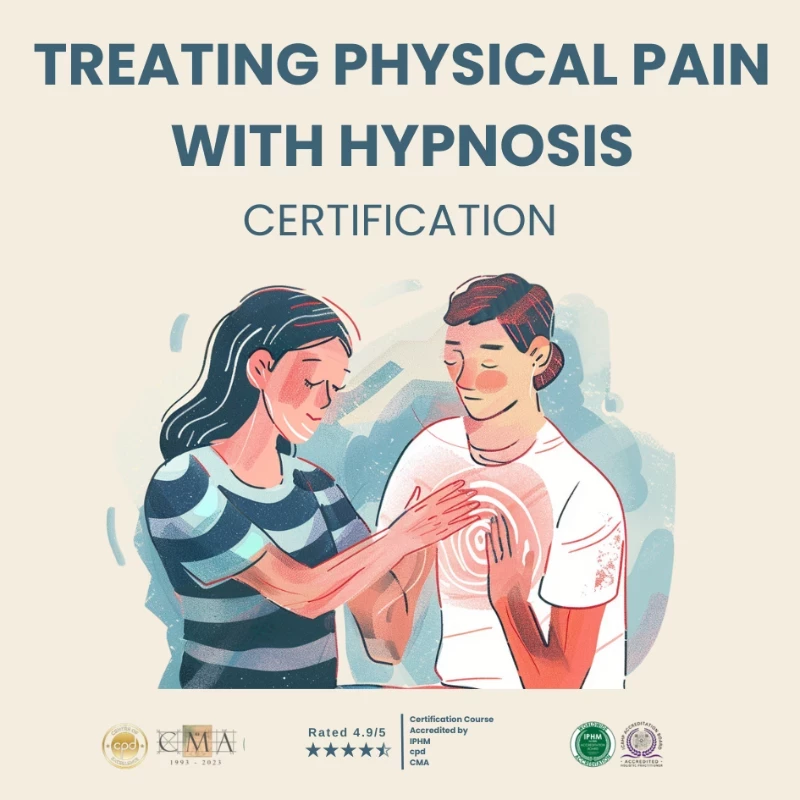
Build practical, repeatable protocols in Treating Physical Pain with Hypnosis that support pacing, sleep, and self-regulation.
Explore Treating Physical Pain with Hypnosis →