Many practitioners are taught to “read the body” by decoding posture, breath, and micro-movements, or by tracking every signal they can. In real sessions, that can create more noise than clarity. You start guessing at meanings, filling notes with global labels, and missing the small, testable shifts that actually expand a client’s options.
A steadier approach is narrower and more collaborative. Track fewer cues, track them as living patterns linking sensation, emotion, thought, behavior, and context, and then notice what changes when you explore something together. The work stays practical, respectful, and anchored in what’s happening right now, especially in trauma and emotional healing work.
Key Takeaway: Somatic coaching works best when you track fewer cues as collaborative patterns rather than trying to decode everything at once. In practice, that means prioritizing interoception, movement flexibility, breath, voice, pacing, and choice; watching how those cues change with gentle interventions; and keeping culture, neurodiversity, consent, and real-world context at the center.
Start with internal signals: interoception and emotion language
When you’re unsure where to begin, start inside. If you ask, “What do you notice right now?” and you hear “a buzz in my arms” or “a pit in my stomach,” you already have workable material. The skill is refining awareness without forcing a story to appear.
Interoception includes internal signals such as heartbeat, breath, temperature, pressure, tension, nausea, and tingling. It also includes the meaning someone gives those signals.
One distinction worth tracking is accuracy and confidence. A client can feel a lot and still be unsure what it means, or feel very certain about an interpretation that doesn’t quite fit the moment. That difference guides pacing and support.
A useful sequence to notice is:
- sensation
- label
- story
Chest tightness can quickly become “danger,” then “fear,” then “I can’t cope.” When you can catch the sequence early, you can often support a shift sooner through pacing, movement, orientation, or a change in attention.
Prompts that tend to help:
- What do you notice, exactly?
- Where is it?
- Is it still or moving?
- Warm or cool? Tight or diffuse?
- What changes when you name it?
- How certain are you about what it means?
People also vary widely in emotional granularity. Some can distinguish irritation from anger or apprehension from fear; others only have broad categories like “stressed” or “fine.” Interoception and emotional awareness are strongly linked, and both can be developed with steady practice.
Movement, posture, and body memory
Movement usually tells you more than posture labels. Rather than sorting someone into “open” or “closed,” look for flexibility: can they shift weight, adjust effort, start and finish a gesture, and settle afterward?
Useful movement cues include:
- weight distribution
- speed
- stillness
- reach
- contraction
- rhythm
- balance
- recovery after movement
Before you assign meaning, ask what the movement feels like from the inside. That single question protects agency and gives you better information.
During a boundary conversation, for example, a client’s shoulder may subtly lift. You might say, “I’m noticing your shoulder rise as you talk about saying no. What does that feel like from the inside?” If they say, “It feels like bracing,” you can explore a tiny counter-movement and then track what shifts in breath, voice, or emotion.
Completion is often especially revealing. If someone begins a pushing gesture, invite them to complete it slowly and clearly, then pause and ask whether they feel done. The sense of completion can change the whole internal landscape.
Practitioners sometimes use “body memory” as shorthand. A grounded way to understand it is as recurring bodily responses linked to learned patterns or reminders, rather than literal storage of life events in body tissues. The body repeats what once organized or protected the person, and your role is to support awareness and new choice, not to force a story.
Traditional movement lineages such as Tai Chi and Qigong have long trained practitioners to track weight shifts, coordinated movement, breath, rhythm, balance, attention, and vitality as one integrated field. That lineage of careful observation can sharpen modern practice when held with genuine respect for its cultural roots.
Breath, voice, and sound as real-time feedback
Breath and voice often shift before a client has words for what’s happening. Changes in rhythm, tone, volume, pauses, or effort can signal settling, bracing, mobilizing, or tiring.
With breath, track pace, depth, rhythm, pauses, effort, and ease. Stay curious rather than corrective, and watch what happens when attention shifts.
Gentle slow breathing can be supportive for a few minutes. A three-count inhale with a six-count exhale is often approachable. Keep it optional, light, and easy to stop.
Forceful breathwork needs more care. Rapid cycles, long holds, and cathartic styles can drive high activation, especially for people prone to panic, dissociation, overwhelm, cardiovascular strain, pregnancy-related sensitivities, or other vulnerabilities. In those moments, ordinary breathing, eyes open, movement, and orientation are often the wiser choice.
A simple structure looks like this:
- Ask consent: “Would you like to try a few longer exhales?”
- Set the frame: eyes open, room visible, stop anytime.
- Keep it brief: a few cycles are enough.
- Check impact: “More present, less present, or no change?”
Voice and sound matter too. Humming, silence, a softer tone, or a change in pace can shift attention quickly. One reliable check-in is: “Does this feel settling, stirring, or neither?”
Window of tolerance: reading intensity without overcomplicating it
Pacing is a central somatic skill. The window of tolerance describes the workable zone where someone can notice sensations, think with some flexibility, communicate preferences, and recover after challenge. This is the range where meaningful exploration stays available.
This model points to a zone in which people can learn and remain flexible while staying socially engaged enough for connection and choice.
In session, three broad patterns are often enough:
- Within range: breath recovers easily, attention stays flexible, preferences can be named, and some curiosity remains.
- Above range: rapid breathing, bracing, louder or faster speech, agitation, fixed or widened gaze, narrowed attention.
- Below range: slowed breathing, reduced movement, flatness, numbness, unfocused gaze, difficulty following conversation.
People move between these states, and that’s normal. The goal is building skill in noticing, responding, and returning.
When intensity rises sharply, external orientation is often more supportive than deeper inward focus. Trauma-sensitive guidance often recommends external anchors such as looking around the room or listening for sounds, especially when internal focus feels too activating. You might invite the person to feel the chair, notice colors, or name one sound they can hear.
A clear pause rule also helps. If panic, dizziness, air hunger, numbness, confusion, unreality, disorientation, or inability to choose starts to appear, pause the practice and return to ordinary breathing and room orientation before deciding what comes next.
Choice, consent, and the cues you cannot see
One of the most important cues in somatic work isn’t visible: perceived choice. A shift from “I have to” toward “I could,” from automatic reaction toward pause, often signals real integration.
That’s why consent is an active cue, not a formality. A genuine “no,” a request to modify, or a preference for slower pacing can mark meaningful growth in self-trust and boundary awareness.
Client report should carry more weight than appearance. Someone may look calm while feeling numb, unreal, dizzy, or far away; another may look animated while staying fully oriented and able to choose. The inner report guides the work.
Resourcing deserves the same humility. A supportive memory, a textured object, music, nature, movement, humor, social connection, or a clear next step can all restore steadiness. What matters is reliability for that person in that context.
A simple choice-building micro-protocol can help:
- Name options: sit, stand, move, rest, eyes open, eyes closed.
- Scale willingness: eager, unsure, or no.
- Check influence: “What feels adjustable here?”
- End with reflection: “What helped, and what would you change next time?”
Over time, integration often looks modest but clear: earlier noticing, more pausing, clearer boundaries, quicker recovery, and a stronger sense of influence.
Culture, neurodiversity, and context shape what cues mean
No cue is universal. Eye contact, silence, posture, movement, vocal tone, and response timing vary across culture, neurotype, and setting. If “open posture” or direct eye contact becomes your default sign of engagement, you will misread people.
This is especially true in cross-cultural and online spaces. Research on telehealth communication highlights eye-contact limitations created by camera positioning and screen-mediated interaction.
Online work also changes the meaning of nonverbal cues. audio delay, camera framing, screen fatigue, privacy constraints, and off-camera movement can all affect comfort and readability. Many sensations are invisible on screen, so direct description becomes even more important.
Neurodivergent behaviors such as stimming, low eye contact, atypical prosody, or delayed responses often serve self-regulation or communication. Before trying to shift any of them, find out what they do for that person.
Accessibility improves when you offer real choices rather than quietly rewarding one “ideal” way of participating. Options can include:
- seated, standing, lying down, or tiny movements
- eyes open or closed
- spoken, written, visual, or movement-based responses
- different lighting and sensory levels
- camera on or off during parts of an online session
When no single posture, focus style, or communication style becomes a test of commitment, tracking gets more accurate and more humane.
Bringing it all together in session
A simple rhythm is usually enough. At the start, ask for two or three internal signals, one emotion word (or “no word yet”), one thought, and a quick sense of choice. As you go, track breath, voice, movement, posture, and orientation for signs of rising or settling intensity. At the end, revisit the same cues and note what changed, what helped, and what the person wants available next time.
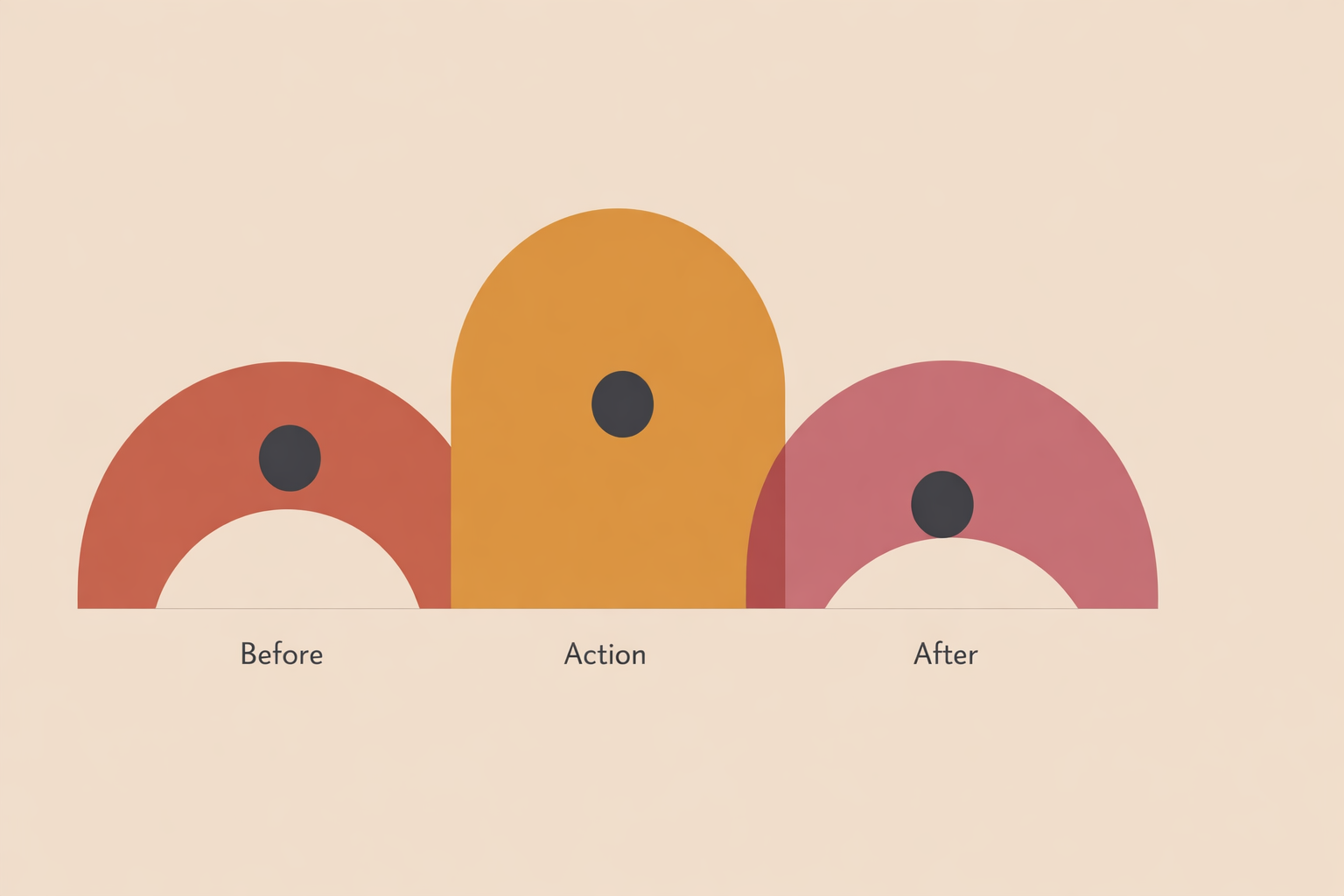
This before-and-after tracking keeps the work grounded and makes change visible without imposing an explanation.
A few principles keep the process clean:
- Prioritize client report over surface appearance.
- Track fewer cues, but track them consistently.
- Work with movement, breath, and sound gently rather than forcefully.
- Use external orientation when intensity rises too fast.
- Let consent, choice, and modification count as success.
- Respect cultural roots, neurodiversity, and context in how cues are understood.
Used well, somatic tracking becomes a shared skill rather than a practitioner’s performance. Traditional body-based lineages have always emphasized careful attention, steady pacing, and respect for readiness. Hold the same values here, and save the strongest cautions for times when intensity spikes, consent becomes unclear, or a practice stops feeling supportive. That’s how awareness grows and choices widen in real life, which is central to somatic coach certification and broader emotional regulation work.
Train as a Somatic Coach
Build practical tracking skills with the Somatic Coach Certification and support clients with clearer, consent-based interventions.
Explore Somatic Coach Certification →