When clients ask, “Why do I keep doing this?” a short brain-based explanation can change the whole feel of the conversation. It shifts the focus from self-blame to understanding, and from confusion to clear next steps.
Key Takeaway: A short, plain-language explanation of how alcohol affects reward, stress, memory, decision-making, and sleep can help clients make more informed choices without turning sessions into lectures. The most useful approach is brief, humane, and practical: explain one pattern, connect it to the client’s lived experience, and turn it into one small action they can practice this week.
How to explain brain effects without overcomplicating them
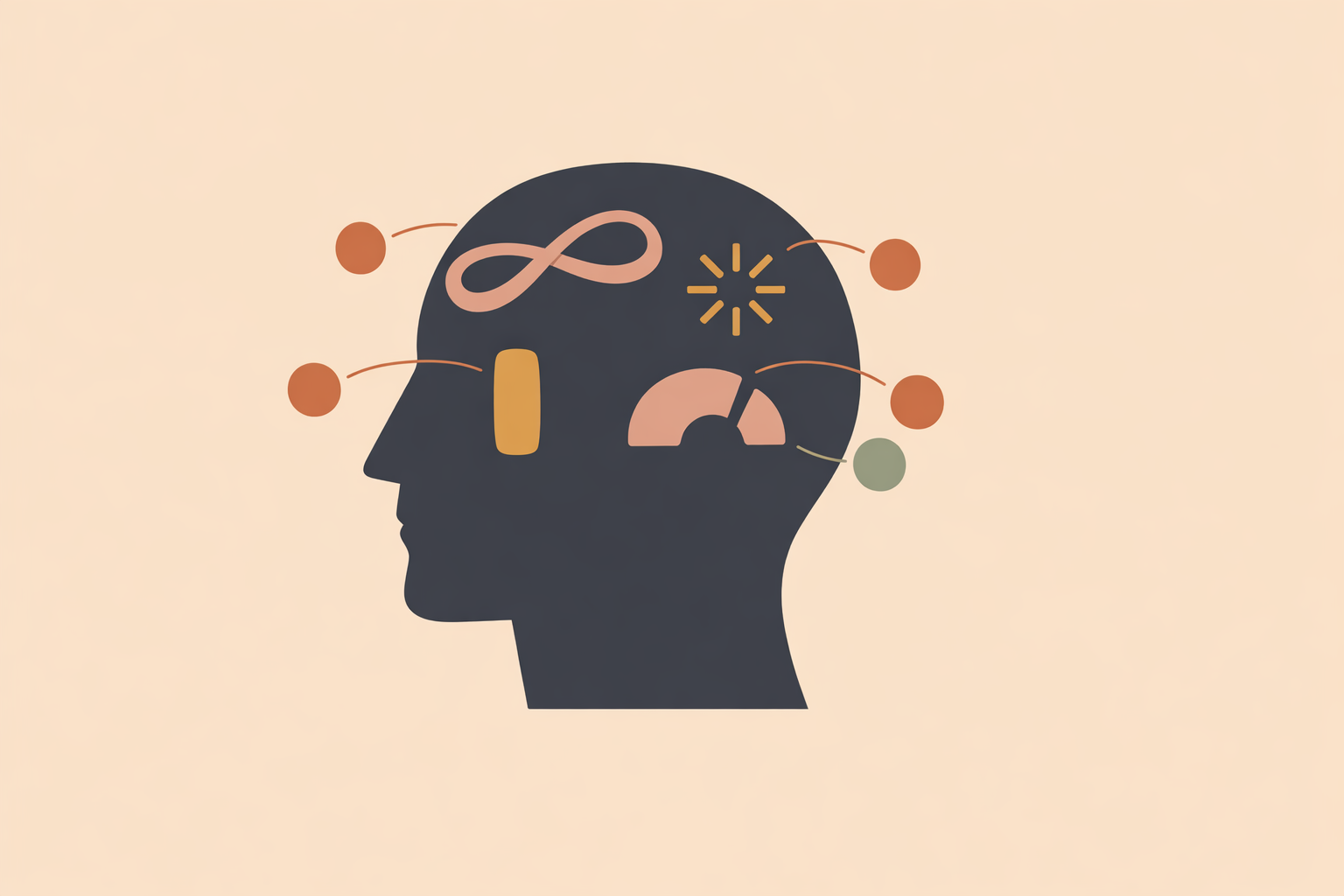
Keep it brief, human, and linked to action. Ask permission first: “Would it help if I share a quick brain map of why evenings may feel so hard?” Then use ordinary language that clients can remember.
- Learned grooves for repeated habits
- Foggy brakes for weaker impulse control
- Overheated alarm system for stress reactivity
- Patchy recording for memory disruption
End with one concrete experiment for the week: a pause practice, a cue map, a written plan, or a support message sent at the right time.
You can also keep the scope clean: “What we’re doing here is education and skills for well-being. If safety concerns or severe symptoms show up, I’ll help you connect with appropriate support.”
Reward, stress, and craving loops
Craving is not a moral failure. It is often a trained loop. Early on, alcohol can boost pleasure and soften discomfort; later, the brain can start giving alcohol-related cues extra importance, while everyday motivation loses some pull. The cycle described by NIAAA helps make this pattern easier to name.
This explains a common experience: someone may enjoy drinking less than they used to, yet feel strongly pulled by the end of the workday, a tense conversation, a quiet evening alone, or a familiar social setting.
Repeated drinking can also teach the stress system that alcohol brings quick relief. Over time, some people drink mainly to escape unease, which NIAAA highlights as relief drinking.
Cue mapping is especially effective here. Help clients identify:
- Top external cues: times, places, people, smells, routines
- Internal cues: tension, loneliness, resentment, restlessness
- Early body signals: tight jaw, buzzy chest, narrowed attention
Then build interruptors that are easy to do under pressure. Movement, a brief breathing reset, stepping outside, drinking water, or contacting someone supportive often reduces momentum. The goal is a wider gap between urge and action.
A helpful frame is: “Your brain learned to move quickly from cue to craving to relief-seeking. We’re going to practice a new middle step.”
Decision-making and the “just one” moment
Alcohol can weaken the capacities people rely on to stay aligned with their intentions. In the moment, judgment can slip; with heavier repeated use, planning, impulse control, and follow-through can also be affected. NIAAA summarizes alcohol-related changes in decision-making and impulse control that help explain why insight alone often isn’t enough.
This is why coaching works best when it plans for vulnerable moments rather than ideal ones, a core principle in mindset and behavior change. A client may genuinely mean it when they say, “Tonight I’ll only have one,” and still lose access to that intention after the first drink.
Written plans and environmental guardrails help because they do some of the thinking in advance. Keep them short and specific.
- If the urge rises above 5/10, step outside for three minutes.
- If an invitation arrives late at night, send a pre-written decline.
- If “just one” shows up, read a lock-screen note before deciding.
If–then planning is especially useful in coaching because it gives the brain a rehearsed response before pressure arrives.
It also helps to name this with dignity: stopping can become harder over time, and many people need support. NIAAA notes it can become harder to stop because of alcohol-related brain changes. Harder does not mean hopeless; it means support and structure matter.
Memory, blackouts, and learning from lapses
Memory matters because it’s how people learn from experience. Alcohol can disrupt how memories are stored, which can make a lapse feel blurry or fragmented afterward. NIAAA describes disruptions in consolidation that can leave reflection incomplete.
Blackouts deserve a clear, non-shaming explanation. A blackout means there are gaps in memory for events that happened while drinking; it’s a memory recording problem, not ordinary forgetfulness. NIAAA defines alcohol-induced blackouts as memory gaps during intoxication.
Even smaller amounts can subtly affect recall while someone is drinking, contributing to next-day fog or uncertainty about details. NIAAA notes subtle memory impairment during drinking.
In coaching, the aim is steadier safety, not fear. If someone reports blackouts or repeated patchy recall, build a straightforward plan for high-risk settings.
- A personal red line: repeating oneself, losing track of time, or feeling disoriented
- A contact step: text a trusted person or leave the setting
- A next-day debrief: what happened, what warning signs showed up, and what boundary to add next time
You might say: “If your memory system stops recording clearly, that’s important information. Let’s treat it as a signal to strengthen safety, not as a reason to pile on shame.”
Early alcohol-free periods, stress reactivity, and sleep disruption
A discouraging moment for many clients is stopping and initially feeling worse. That experience is real for some people. When alcohol is removed after ongoing use, the nervous system can become more reactive for a time; NIAAA describes reactive stress circuits during this phase.
At the same time, reward can feel muted, leaving people flat, restless, or emotionally raw. When clients expect immediate relief, this mismatch can be especially tough.
Many also report anxiety, low mood, irritability, restlessness, and disrupted sleep early on. NIAAA includes trouble sleeping among common early difficulties.
Some practitioners use the term hyperkatifeia for this heightened negative emotional state. The practical point is clear: early discomfort can drive people back toward drinking when they mistake it for failure.
Sleep deserves special attention. Traditional practice and lived experience have long recognized that alcohol disrupts deep rest, and early alcohol-free periods can mean unsettled nights for a while. Poor sleep can then amplify irritability, attention difficulties, and cravings. Evidence-informed reviews also link ongoing sleep disruption with stronger urges, including increased craving.
Support here should be gentle and realistic:
- Morning daylight exposure
- A fixed wake-up time
- Simple evening rituals
- Less screen stimulation before bed
- Breath-based or body-based settling practices
- Brief daily contact with supportive people
Keep caution focused where it truly matters: if someone has a history of heavy daily use, previous severe withdrawal, or escalating symptoms, this is beyond coaching support and calls for prompt connection with qualified services.
Neuroplasticity and grounded hope
Clients need hope they can trust. The brain changes through repetition, and the capacity that helped build a drinking pattern can also support a new one. NIAAA notes improvement over months in many alcohol-related brain changes during sustained abstinence, though the pace varies.
This offers a steady message: change is possible, and it usually unfolds in stages. Many people begin to notice clearer thinking, steadier emotions, and easier decision-making as supportive routines become consistent.
Traditional wisdom has long approached this through daily practice: breathwork, mindful movement, time in nature, ritual, rhythm, and supportive community. Modern language often calls this neuroplastic change. Older traditions may describe cultivation, discipline, or returning to balance. What we repeat shapes how we live.
This is why behavior change practices matter. A five-minute breathing rhythm each day, a regular walk at the same hour, a weekly reflection ritual, or a consistent alcohol-free evening routine can become the structure that holds change.
A practical frame is: “Your brain is teachable. Every time you repeat a steadier response, you strengthen it.”
A simple structure for brain-based coaching conversations
To keep sessions clear and useful, follow a repeatable rhythm:
- Ask permission to share a brief explanation.
- Name one brain-based pattern in plain language.
- Connect it directly to the client’s lived experience.
- Identify one cue, one vulnerable moment, or one body signal.
- Choose one small action to practice before the next session.
- Review what happened without blame.
This keeps the conversation grounded and respectful. You’re not teaching theory for its own sake; you’re making change feel understandable and doable in real life.
Closing perspective
The most useful brain education is short, humane, and practical. Explain reward and stress loops so cravings feel less mysterious. Explain weakened brakes so plans and guardrails feel sensible. Explain memory disruption so safety gets stronger. Explain early reactivity and sleep disruption so discomfort isn’t mistaken for failure. Explain neuroplasticity so hope rests on something real.
Above all, keep the message dignified: the brain adapts to repetition, and it can adapt again. With steady support, honest reflection, and small practices repeated over time, many clients regain choice, steadiness, and trust in themselves through alcohol recovery coaching.
Train in Alcohol Recovery Coaching
Build practical, brain-informed client support skills with the Alcohol Recovery Coach Certification.
Explore Alcohol Recovery Coach →