Most coaches learn quickly that logic often loses to adrenaline. A client melts down over a transition, fires off a sharp email, or refuses to leave the playground, and well-meant reasoning can land like fuel. In those first moments, the practical choice is usually the same: help the body settle first, or watch the cycle escalate.
Key Takeaway: Effective ADHD emotion coaching works best when it starts with the body, adds a short language scaffold once intensity drops, and is reinforced through simple planning, repetition, and repair. The most useful tools are brief, repeatable, and easy to use in real life.
ADHD Emotional Regulation Move 1: Start With a Body-First Reset
Start with the body. When emotional activation spikes, long explanations and on-the-spot thinking skills rarely land first. A quick reset lowers intensity enough for reflection to return.
That’s why short, sensory-rich micro-resets work so well in ADHD coaching. A 10–30 second shift can be enough to bring choice back online, especially when the person learns to notice their earliest signs of activation.
Across cultures, body-first regulation is long-standing wisdom: longer exhales in breath traditions, slow rocking in lullabies, palm-to-palm pressure in prayer, cool water on the face in cleansing rituals. The form varies, but the principle stays consistent: settle the body to support the person.
Body-first micro-resets you can teach today
- Anchor and press: Plant the feet and press the palms together for 10 seconds. Many people feel a quick return of stability.
- Use a longer exhale: Try 4-in, 6-out for a few rounds. Longer exhales are widely used as a downshifting tool in regulation practice.
- Orient to the present: Say name, place, and time out loud: “I’m Jonah. I’m in the kitchen. It’s Tuesday at 5.” A similar grounding tool is the 5-4-3-2-1 scan.
- Move just a little: Ten wall push-ups, a 20-second shake-out, or one walk down the hallway. Brief movement resets are often more workable for ADHD than techniques that demand sustained focus.
- Add a sensory cue: Splash cool water on the face, sip warm tea, roll a stone in the hand, or count three beads on a bracelet.
Keep the entry point simple. One useful cue is: “Feet. Exhale. Water.” Press feet flat, take two slower breaths, then sip water or splash the face. Often that’s enough to make the next step reachable.
Age-tuned scripts for real moments
- Kids: “Press your feet into the floor like tree roots. Blow your soup slowly. Say your three things: ‘I’m Maya. I’m safe. I’m at the table.’”
- Teens: “Feet flat. Shoulders down. Two long exhales. Quick hallway walk.”
- Adults: “Body first. Three slow breaths. Cold water. Then decide.”
When emotions run hot, concrete beats clever. A hand press, a quiet prompt using the person’s name, or naming the day of the week can shift state just enough to reconnect.
ADHD Emotional Regulation Move 2: Use Name-Pause-Reframe
Once the body settles even a little, language becomes available again. That’s the moment to name what’s happening, create a brief pause, and choose one believable next step.
This approach respects feelings. It doesn’t argue with them; it helps the person stop being swept along long enough to regain choice.
One simple scaffold is Name → Pause → Reframe.
- Name: “I’m feeling anger at a 7 out of 10.”
- Pause: “I’m setting a 60-second timer and pressing my hands together.”
- Reframe: “This is hard, and I can start with the first line of the email.”
The reframe works best when it’s small and actionable. In high-intensity moments, shorter scripts tend to hold better than longer ones.
How to tailor it by age
- Kids: “Name it: mad, sad, or scared. Breathe it. Move it. Solve it: ask for help or try again?”
- Teens: “Stop. Think. Act.” With repetition, this can interrupt the common ADHD pattern of acting first and thinking later.
- Adults: “Name: overwhelmed. Pause: 90-second walk. Reframe: not now; I’ll plan 25 minutes for this tomorrow at 9.”
Useful reframes
- “This is intense, not dangerous.”
- “First step only.”
- “Future me can handle the rest.”
- “I can ask for help before I decide.”
Example: a child refuses to leave the playground, yelling and running away at pickup. Instead of lecturing, you move to a bench, do two slow exhales, offer three feeling words, then set a one-minute timer. After that pause, the reframe becomes concrete: “First step is shoes on. Snack in the car. Back tomorrow.” The feeling may still be there, but now there’s a path through it.
A coach prompt you can borrow: “Name what’s here in three words or less. Create a pause. Then choose one next step that takes two minutes or less.”
ADHD Emotional Regulation Move 3: Plan, Practice, and Repair
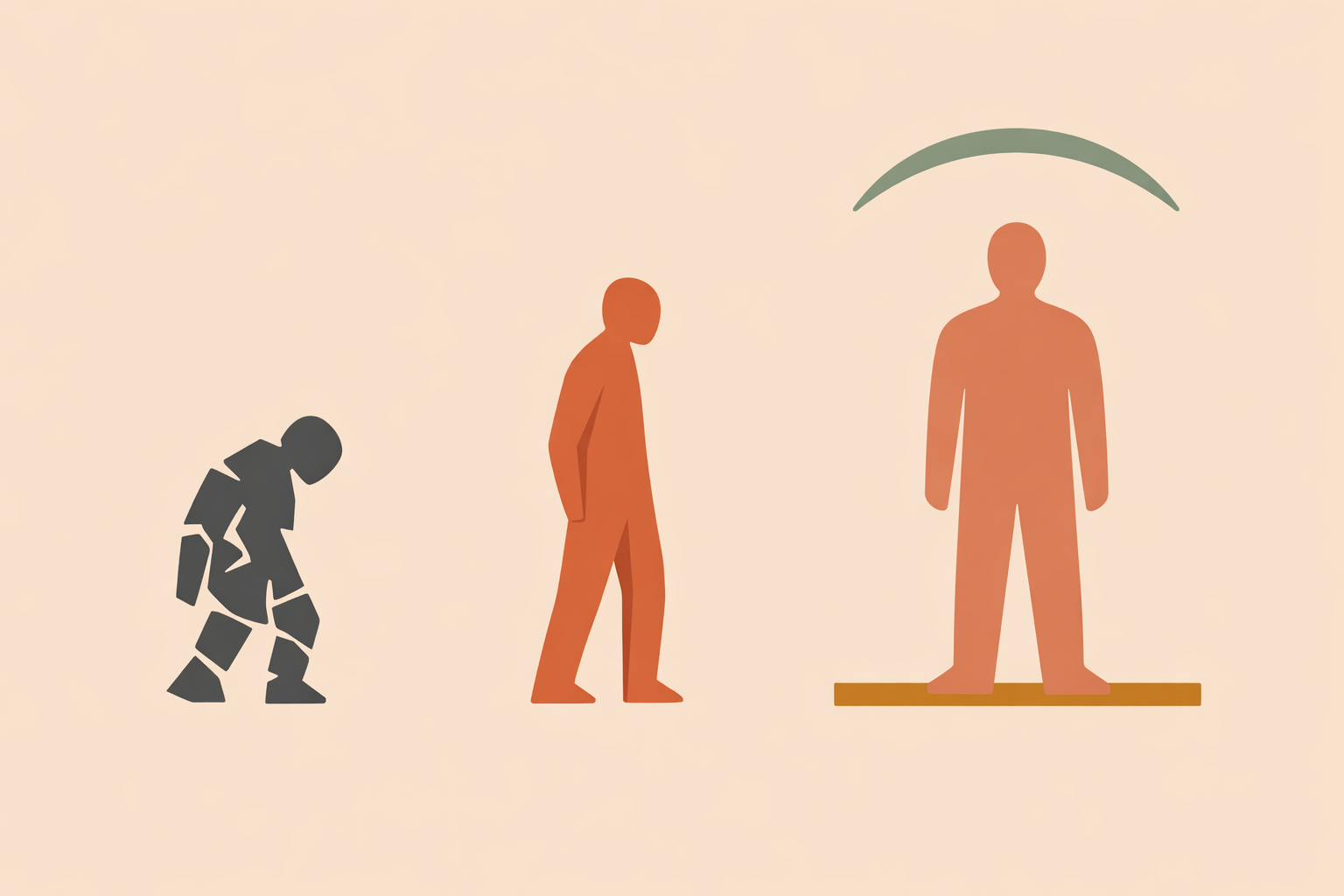
Big emotions don’t live in one moment alone. Regulation skills stick when they’re supported before the hard moment, during it, and after it.
Start with a storm plan: a short map for recurring pressure points. List common triggers, early body cues, and two or three tools that reliably help, so you’re not improvising in the heat of it.
A simple storm plan can include
- When storms happen: homework start, end of gaming, crowded shops, transitions out the door
- Early body cues: hot face, tight throat, leg bouncing, tunnel vision
- Go-to resets: feet press and two long exhales, hallway walk, cool water
- Helpful words: first step only, I need a break, this is intense and I can pause
- Where to go: quiet corner, porch, check-in desk, hallway bench
- What to avoid: lectures, crowded input, multi-step directions
Then practice on purpose. Two minutes a day is often more useful than a longer weekly session, especially for ADHD. Rehearse the body-first tools and Name-Pause-Reframe when things are calm, and attach practice to an existing routine (after brushing teeth, before dinner, at school check-in, or after getting home).
During difficult moments, adults do best with a steady structure: regulate yourself first, connect, simplify the environment, then coach one next step.
Build self-advocacy into the plan. Give children, teens, and adults words they can use when speech feels hard:
- “I need a break right now.”
- “This is too much for me.”
- “Can we pause?”
- A break card or visual cue handed over without needing to explain
Don’t skip repair. What happens after the rupture matters, because repair is where trust and learning are reinforced. A repair script can be simple: “We both got loud earlier. I’m sorry for my part. You were frustrated, and I was worried about time. Next time, let’s try the timer sooner.” In family and classroom settings, reflecting feelings first is often more effective than lecturing while someone is flooded.
Light structure helps skills stick: timers, visual schedules, and simple trackers reduce friction and support follow-through. Because the cue lives in the environment, the skill becomes easier to access in real time. Visual timers and schedules can also make transitions and practice feel more manageable.
Rituals can hold all of this together. A bowl of smooth stones by the door, two exhales before getting out of the car, one word to describe the day at dinner, or a short evening reset makes regulation part of life rather than something reserved for crisis.
Bringing These ADHD Coaching Tools Into Practice
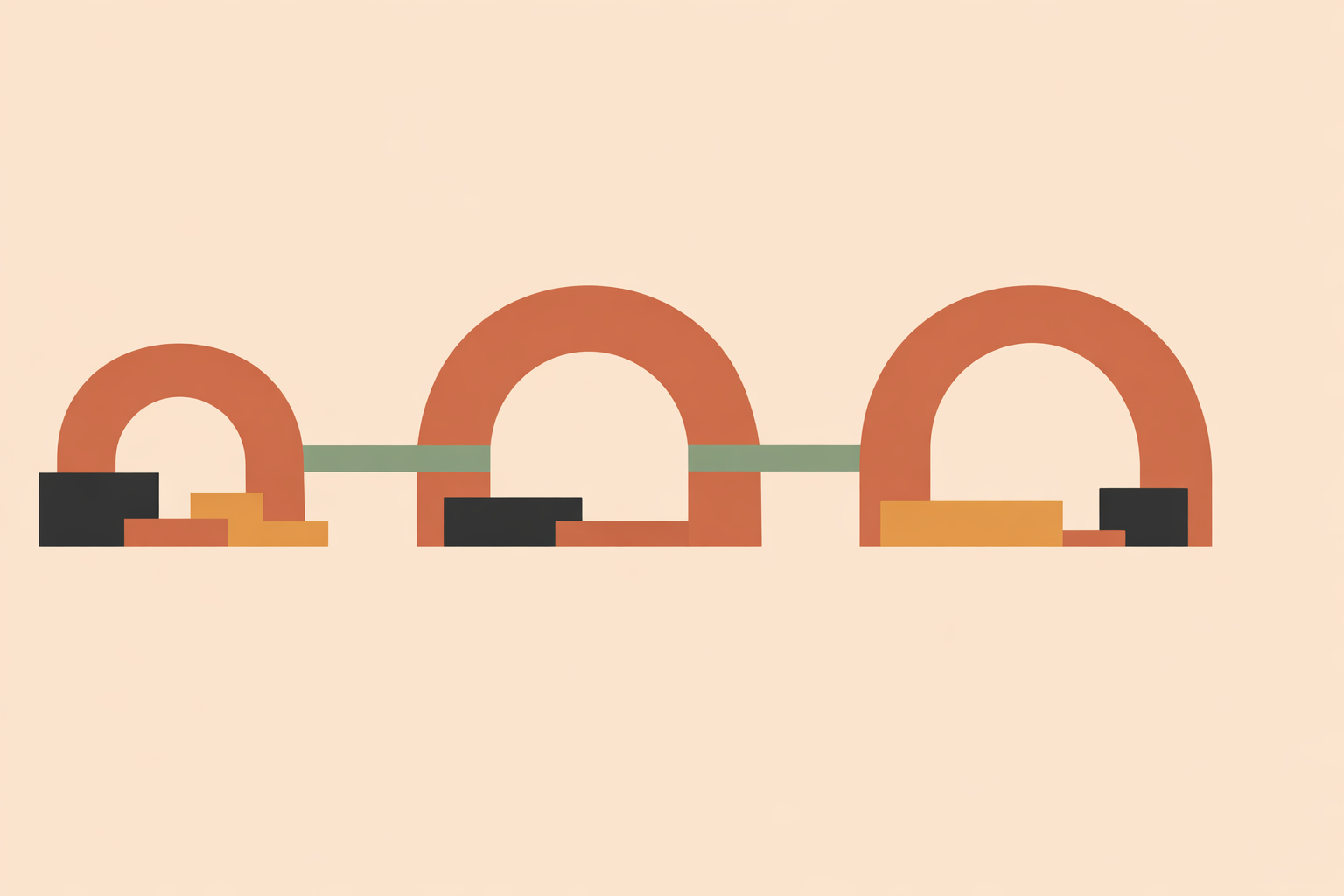
These three moves work because they meet ADHD as it often shows up: fast feelings, scattered attention, strong reactions, and equally strong care. Begin with the body so thinking can return, add a small language scaffold to restore choice, then build consistency through planning, practice, and repair.
Coaching is most useful when it’s practical, strengths-based, and adaptable. Broader summaries of ADHD coaching suggest improvements in ADHD-related challenges and executive functioning, especially when support is structured and consistent. In day-to-day work, that usually means relying less on willpower and more on routines, environmental cues, and compassionate accountability.
Ethics matter too. Clear agreements, informed consent around tools and tracking, confidentiality, and honest boundaries support a respectful coaching relationship.
Keep the work neurodiversity-affirming and culturally grounded. Adapt each tool to the person in front of you: sensory preferences, family rhythms, cultural practices, and how they make meaning. Some people settle through breath and stretching; others through beads, walking prayers, drumming, cool water, or time outdoors. What matters is fit and respect.
Language shapes identity. Frame big emotions as part of lived ADHD experience rather than a character flaw. Treat emotions as signals, and skills as learnable—without shame.
To put this into practice this week:
- Choose one body-first reset and practice it daily.
- Teach one Name-Pause-Reframe script and write it down where it will be seen.
- Co-create a one-page storm plan for one recurring challenge.
- Use one timer, schedule, or tracker to support repetition.
- End hard moments with brief repair instead of a lecture.
As with any skill, people vary. Encourage experimentation, keep what helps, and adjust the plan with care. If emotions feel unsafe, relentless, or tied to harm, it’s wise to bring in appropriate additional support. Over time, regulation becomes less of an abstract goal and more of a lived practice: one breath, one pause, and one repair at a time.
Explore ADHD Coach Certification
Apply these regulation moves in real coaching through the ADHD Coach certification.
Explore ADHD Coach →