Most companion-animal feeding plans still start with a product category: pellets, seed mix, or a tub marked for reptiles. That shortcut often creates avoidable snags. Rabbits can fill up on concentrates and ignore hay, parrots can settle into fatty seed routines, and reptiles may “go off food” when the real issue is the feeding setup and habitat cues.
Key Takeaway: The most useful feeding plans mirror how a species naturally eats, moves, and forages. For rabbits, that means hay first. For parrots, it means moving beyond the seed bowl toward pellets plus plants. For reptiles, it means matching food type and feeding rhythm to the animal’s ecology while paying close attention to habitat conditions. Across all species, observation and gradual adjustment matter more than constant product swapping.
Diet 1: Forage-First Rabbit Diet With Hay as the Daily Anchor
For adult rabbits, hay belongs at the center of the daily plan. A forage-first pattern helps keep the gut moving and gives rabbits a natural, steady activity throughout the day.
Hay also supports what rabbits are physically designed to do. All that pulling and chewing promotes healthy tooth wear, which matters because rabbit teeth grow continuously. When hay is consistent and appealing, the rest of the menu tends to fall into place more easily.
Choose clean, dry, fresh-smelling grass hays such as timothy, orchard, meadow, oat, or ryegrass. Look for visible stems and leaves, minimal dust, and no damp or musty areas.
Then make hay easy to choose. One small rack invites nibbling; several generous hay spots encourage natural grazing. Multiple hay stations, safe browse, and light scatterings of dried herbs often increase movement and calm, focused foraging.
Traditional rabbit keeping has always leaned on pasture, hedgerow trimmings, and stored hay to carry animals steadily through the seasons. Indoors, that same wisdom holds: shape the space for repeated, unhurried nibbling rather than quick, concentrated eating.
- Offer unlimited grass hay every day
- Use more than one hay station if space allows
- Check for fresh smell, springy texture, and low dust
- Think of pellets and greens as additions, not replacements
A simple setup that often works well is a “two hay hub” layout: one generous hay area near the litter space and another on the opposite side of the enclosure or room. Small extras like dried plantain or dandelion can add interest while keeping hay as the anchor.
Diet 2: Rabbit Pellets and Greens Built Around Hay
Once hay intake is steady, pellets and fresh plants can be layered in with more confidence. The aim is variety and moisture without letting the “extras” take over.
For most adult rabbits, plain grass-based pellets are a better fit than colorful mixed feeds. Offering measured pellets helps keep them from displacing hay, and it gives you a simple lever to adjust based on body condition and energy.
Fresh greens can then broaden the pattern. Romaine, green leaf lettuce, butter lettuce, cilantro, parsley, dill, mint, basil, bok choy, escarole, endive, dandelion greens, and carrot tops are all commonly used choices when introduced gradually and watched closely.
Alfalfa is best reserved for life stages with higher demands, since it’s richer than most adult rabbits need. Fruit and starchy vegetables usually work best as occasional extras.
A short food record is one of the quickest ways to get clarity. Over 10 to 14 days, notes often reveal which greens support strong hay intake, which additions seem too rich, and how routine changes affect appetite and output.
- Track hay intake, pellets, greens, and extras
- Note droppings, energy, and general behavior
- Change one variable at a time
- Keep new greens simple and gradual
A practical note might read: “Unlimited timothy hay; morning greens of romaine and cilantro; small measured pellet portion; steady afternoon hay browsing; normal output; calm after feeding.” Over time, records like that guide decisions far better than guesswork.
Diet 3: Pellet-Anchored Parrot Feeding Beyond the Seed Bowl
Many parrots arrive with a long-standing seed habit. A pellet-anchored plan, paired with plant variety, usually provides a steadier base. Seed-heavy routines are linked to nutrient shortfalls when they crowd out other foods.
Pellets create consistency, while vegetables, herbs, and selected fruit bring moisture, texture, and interest back into daily eating. That combination better supports long-term well-being than a dish built mainly from sunflower and safflower seeds.
When choosing plant foods, dark leafy greens and deep orange or red vegetables are especially useful. Collards, dandelion greens, red pepper, squash, and sweet potato can help support vitamin A status while broadening flavor and texture.
How food is offered matters as much as what’s offered. Parrots are natural foragers, so feed in ways that invite exploration: whole leaves clipped to the enclosure, pellets tucked into paper cups, and simple “chop” hunts.
Traditional parrot-keeping in many regions has long included soaked grains, sprouted legumes, and local greens. A modern pellet base can sit comfortably alongside that older wisdom, keeping structure while protecting variety and foraging.
- Use pellets as the base rather than seeds
- Add leafy greens and orange/red vegetables regularly
- Keep seeds and nuts for training or enrichment
- Turn feeding into a foraging activity whenever possible
A simple day might include pellets split between morning and evening, a small portion of chopped greens and orange vegetables at midday, and a short foraging session using cups, paper, or skewers.
Diet 4: Gradual Pellet-and-Seed Transition for Small Birds
Small parrots such as budgies, cockatiels, and lovebirds often do best with a gentler transition. Sudden switches can create stress and confusion, so a mixed pellet-and-seed plan often works well as a bridge.
The guiding idea is steady change you can actually measure. Reduce reliance on seeds gradually while watching what’s truly eaten, not just what gets tossed aside, and offer vegetables and herbs in tiny, inviting amounts.
Sprouts can be especially helpful. Seed-attached birds often accept sprouts because the texture feels familiar, while the overall profile is more supportive. Safe wild or garden greens can also reconnect small parrots with natural browsing habits when correctly identified, prepared carefully, and rotated sensibly.
A four-week shift is often more realistic than an overnight overhaul:
- Week 1: keep the usual seed pattern recognizable, add a small amount of pellets and a little finely chopped green
- Week 2: increase pellets modestly and observe whether the bird is swallowing them rather than only sorting them
- Week 3: continue the shift, adding sprouts or another familiar-textured bridge food
- Week 4: move toward pellets as the stronger base, with seeds becoming more intentional and less automatic
Regular weighing, close observation of droppings, and brief notes on energy or curiosity help you set the pace. If a bird seems flat or disengaged, pausing and simplifying is often the most productive move.
Diet 5: Ecology-Mirroring Reptile Feeding for Tortoises, Insectivores, and Snakes
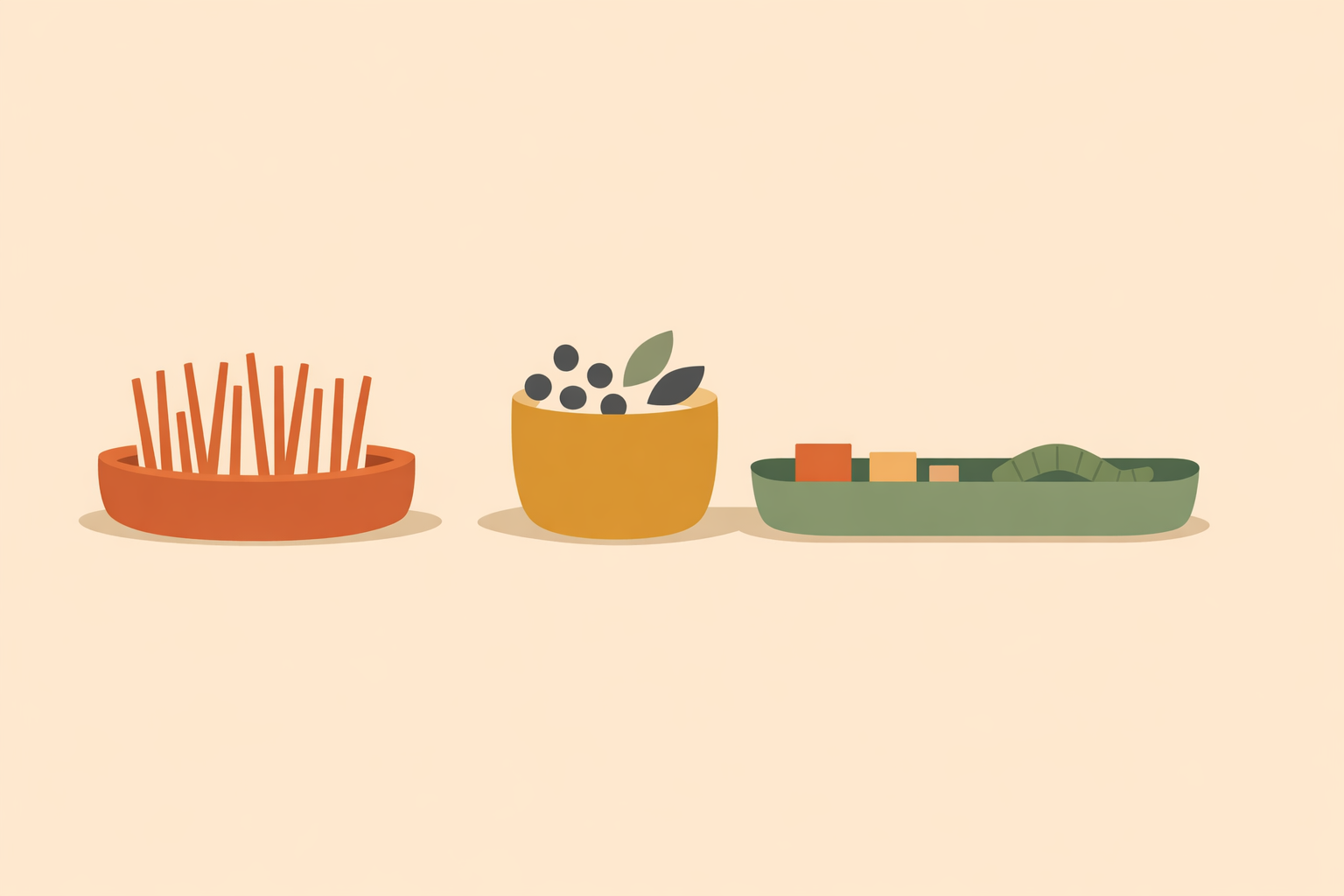
There is no single reptile feeding plan, because reptiles don’t share a single ecology. A grazing tortoise, an insect-hunting gecko, and a snake taking whole prey each need a different structure. Feeding works best when it reflects the animal’s natural pattern rather than a product label.
For tortoises, that usually means high-fiber, varied plant intake built around safe weeds, leafy plants, flowers, and browse. Fruit-heavy or protein-heavy routines tend to pull them away from what they’re built for.
For insectivorous reptiles, prey quality matters alongside prey variety. Crickets, roaches, silkworms, and black soldier fly larvae can all play a role, especially when feeders are well nourished beforehand. Keepers often call this gut-loaded feeding.
Snakes generally do best when meals resemble whole prey rather than isolated parts. That structure naturally combines bone, organs, connective tissue, and muscle in a way that matches their species pattern.
Habitat conditions shape feeding more than many people expect. Appetite, digestion, and nutrient use are strongly influenced by temperature gradients, hydration, light exposure, and seasonal cues. When a reptile shows reduced interest in food, checking those foundations often brings the situation into focus.
- Tortoises: prioritize fibrous, varied plant matter and safe browsing plants
- Geckos and other insectivores: rotate feeder types and support feeder quality
- Snakes: match prey size and feeding rhythm to species and life stage
- Always assess habitat conditions alongside the menu
Field herpetology and Indigenous knowledge both point toward the same broad lesson: reptiles do best when food, light, shelter, and seasonal rhythm echo the places their species comes from. Even simple enclosures improve when they follow that logic.
From Species-Specific Diets to a Repeatable Feeding System
Across rabbits, parrots, small birds, tortoises, lizards, and snakes, one approach keeps proving itself: start with ecology, shape the environment to support it, make changes gradually, and observe with care. That becomes a reliable system rather than a rigid chart.
- Study what the species is built to eat and how it naturally obtains food
- Choose a feeding template that matches that ecology
- Set up the space so eating feels natural and engaging
- Introduce changes slowly and avoid crowding the plan with too many variables
- Keep simple records and adjust one lever at a time
A useful observation record can stay very simple: what was offered, what was actually eaten, how long feeding took, output, energy, movement, and response to foraging or enrichment. After a few weeks, those notes usually point to the clearest next step.
Traditional feeding practices and modern guidance can work side by side. Pasture and hedgerow logic for rabbits, sprouts and greens for small parrots, and habitat-shaped feeding for reptiles all fit comfortably with current reference points when applied thoughtfully. The main caution is to change slowly, watch real intake, and keep habitat basics strong, especially for birds and reptiles where stress and environment can shift eating patterns quickly.
Explore Animal Nutrition Certification
Deepen your species-specific feeding approach with the Animal Nutrition Certification.
Explore Animal Nutrition →