Most first sessions start the same way: a guardian asks for the “best food,” hoping for a brand name and a shortcut. Experienced nutrition coaching rarely begins with a bag, tin, or recipe. It begins with the animal’s design, life stage, daily rhythm, and the reality of the household.
When you map the full diet instead of simply picking a product, the work becomes clearer and more useful. You can spot where portions drift, where treats quietly add up, where feeding timing clashes with natural rhythms, and where the environment itself is shaping results. That’s often where the real leverage is.
Key Takeaway: Effective new-client nutrition work starts with diet mapping rather than product picking. Build the plan around species, life stage, body condition, feeding method, household context, and observation over time. Then use the first plan as a practical hypothesis: implement, track, refine, and collaborate with qualified animal health professionals when the case moves beyond coaching scope.
Step 1: Start with the animal, not the bowl
The first task is simple: meet the individual. Before changing food, map the animal’s life.
A strong intake covers species, breed or type, age, sex and reproductive status, activity, environment, current diet, feeding schedule, treats, supplements, elimination patterns, digestive comfort, body condition, and guardian goals. This matters because household factors belong in meaningful nutrition assessment.
Life stage deserves special focus. Young animals generally need higher nutrient density and often more frequent meals than adults. Older animals often do best with closer attention to intake, hydration, muscle condition, and how easy food is to access.
Practical questions usually reveal the true picture:
- Who feeds in the morning?
- How is the portion measured?
- Are extras coming from children, visitors, neighbors, or barn staff?
- Where does the animal eat in relation to others?
- What happens before and after meals?
This is also where scope becomes clear. A nutrition coach can support planning, implementation, and observation. More complex concerns are better handled in collaboration with an appropriately qualified animal health professional.
Step 2: Map the real diet and daily rhythm
After intake, capture what actually happens day to day. A complete food log often explains more than a label ever could.
Record every edible input: main meals, toppers, home-prepared items, chews, supplements, training rewards, table scraps, pasture or forage, and flavored products. Then note the surrounding context: meal timing, appetite, water access, stool or manure quality, energy, scratching, sleep, and any behavior shifts.
Portion accuracy matters. Measuring by cups or scoops is often less precise than weighing, and feeding errors are common when volume measurements are used. Energy content can also vary widely between foods, even when bowls look equally full.
Hydration belongs on the map too. Water sources, cleanliness, wet-food intake, weather, and species preferences all influence how well a plan settles in.
Many practitioners keep two columns to prevent confusion later:
- What is happening now
- What we are changing first
Food safety fits naturally into this step as well: storage, spoilage checks, refrigeration, thawing routines, and access to unsafe foods can all affect outcomes.
Step 3: Read the body with more than weight alone
The body is your feedback system. Mapping works best when you start with a baseline you can return to.
Weight matters, but it doesn’t tell the whole story. Tracking body condition adds clarity about fat cover and trend direction. Adding muscle condition helps you avoid mistaking muscle loss for healthy progress.
Round it out with coat and skin quality, stool or manure consistency, appetite rhythm, behavior, and photos taken under similar conditions. Regular follow-up supports continual evaluation far better than occasional guesswork.
Look for patterns, not one-off moments. One restless evening is a note. A repeated change after a certain treat, feeding method, or meal size is useful information.
- Use side and top photos every two weeks
- Record body condition consistently
- Note stool or manure trends, not single events
- Watch appetite, energy, and food-seeking behavior together
Step 4: Apply a species and ancestral lens
Once the basics are clear, step back and ask what “appropriate” looks like for this species. This is where traditional knowledge shines, because it’s grounded in how animals have been kept, worked, and fed across generations.
Cats are not small dogs, and cat-specific requirements should guide how you evaluate their food and feeding style. Dogs often show more flexibility in everyday practice, so routine and portioning frequently become the bigger levers.
Horses are built around fiber and movement. Traditional horsemanship reflects this: the body expects regular forage and regular locomotion. Many horses do well when forage remains the foundation and concentrates are used only when the individual truly needs them.
The aim is to recreate key ecological features in a home or stable setting: moisture, texture, meal rhythm, movement, foraging opportunities, and calm around food, which is a practical lens in both holistic animal nutrition and daily feeding work.
For example:
- An indoor cat may do better with higher-moisture meals and play that echoes short hunting bursts
- A dog who gulps food may do better with slower delivery and more food-based enrichment
- A horse may settle more easily with forage spread across multiple slow-feeding points rather than one concentrated pile
These are starting points shaped by species wisdom, then refined by what you observe in front of you.
Step 5: Turn the map into a practical feeding plan
A good first plan is clear, realistic, and easy to follow. Build a steady baseline, then choose one or two targeted changes that match the goal.
For dogs and cats, start with a nutritionally appropriate main food used in a way that fits the animal’s life. If the food is commercial, confirm it’s a complete diet for regular feeding rather than something meant only for occasional use.
Then shape the plan around quantity, frequency, moisture, treats, and delivery method. Feeding-management factors such as enrichment, food-delivery devices, social conflict, and environmental stress can meaningfully influence outcomes.
Write the plan in household language:
- What food is being used
- How much is offered (ideally by weight)
- How often meals are given
- What treats are allowed and in what amount
- How food is prepared and stored
- What enrichment or slow-feeding method is used
- What will be tracked and when it will be reviewed
For horses, simple often works best. When forage quality is solid, many animals need very little beyond that base. Adjustments should follow body condition, workload, and context rather than relying on charts alone.
Step 6: Teach observation, refine carefully, and know when to pause
Nutrition support works best as a loop: implement, observe, adjust. The guardian’s job is to notice what changes, and your job is to make that observation easy and consistent.
Ask for short logs that connect food with response: what was offered, when it was offered, what happened afterward, and whether the pattern repeated. This keeps decision-making grounded in trends rather than guesswork.
Tracking is especially useful when weight, appetite, stool quality, scavenging, scratching, or meal behavior are part of the goal. Weekly notes are usually enough when they’re steady.
Clear boundaries protect everyone. Referral to a qualified nutrition professional or other animal health professional is the wiser path when the situation becomes complex.
Examples include persistent digestive upset, repeated vomiting or diarrhea, unexplained weight change, swallowing difficulty, marked lethargy, sudden behavior change, recurrent skin or ear issues, major dental limitations, or ongoing kidney and urinary concerns.
Home-prepared feeding also deserves straight talk. Long-term recipes are safest when professionally formulated to reduce the risk of imbalance over time.
Conclusion: Build a feeding partnership, not just a menu
When nutrition coaching starts with mapping, the work becomes steadier and more useful. You begin with the species, the life stage, the household, and the real feeding rhythm. From there, you watch the body, adjust what truly matters, and stay anchored in observation rather than marketing.
Traditional wisdom and modern reference points fit naturally together here. Needs shift with condition, workload, environment, and daily life. The most helpful plan is usually the one that matches the animal in front of you and the people caring for them, whether you're building basic support through animal wellness study or refining your day-to-day coaching process.
Build simple plans, track real responses, and collaborate early when the case moves beyond coaching scope. That rhythm of mapping, implementing, observing, and adjusting is what turns a first session into lasting support.
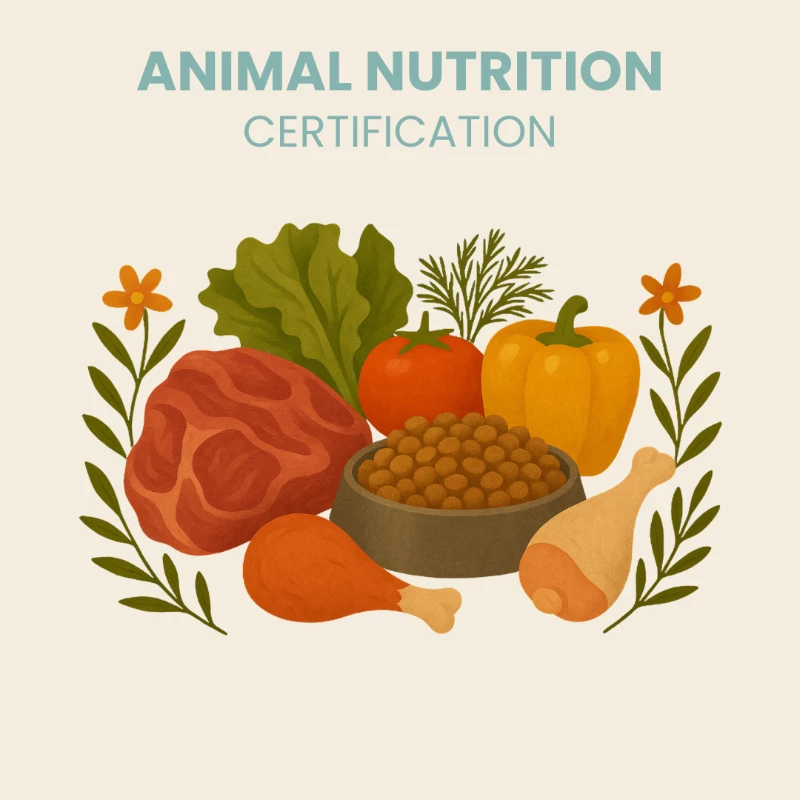
Explore Animal Nutrition Certification
Apply diet-mapping skills more confidently with the Animal Nutrition Certification.
Explore Animal Nutrition →