Coaches supporting clients with Tourette often notice the same cycle: a quieter stretch, then a louder week, and suddenly the plan feels like it “stopped working.” A common misstep is to tighten routines, add rules, or interpret the shift as poor follow-through. In real sessions, that usually strains trust. Clients start apologizing, masking, or feeling like every fluctuation is being graded.
A steadier approach is to treat variability as the baseline. Tourette tends to shift in intensity over time, so coaching works best when it’s built to move with those shifts. When you normalize the rhythm, map patterns together, create paired plans for quieter and harder days, keep sessions tic-neutral, and stay clear about scope and the long view, clients typically feel understood rather than pressured.
Key Takeaway: Trust deepens when coaches align support to Tourette’s inherent variability instead of chasing linear control. The most useful moves are to name waxing and waning as a normal rhythm, map tic patterns, build flexible “good day / hard day” plans, create tic-neutral sessions with simple advocacy support, and stay transparent about scope and long-term patterns.
1. Name waxing and waning as a normal rhythm
Tic intensity changes over time, and that shifting pattern belongs in the conversation from day one. Clinical descriptions consistently highlight tic variability in location, number, frequency, and intensity.
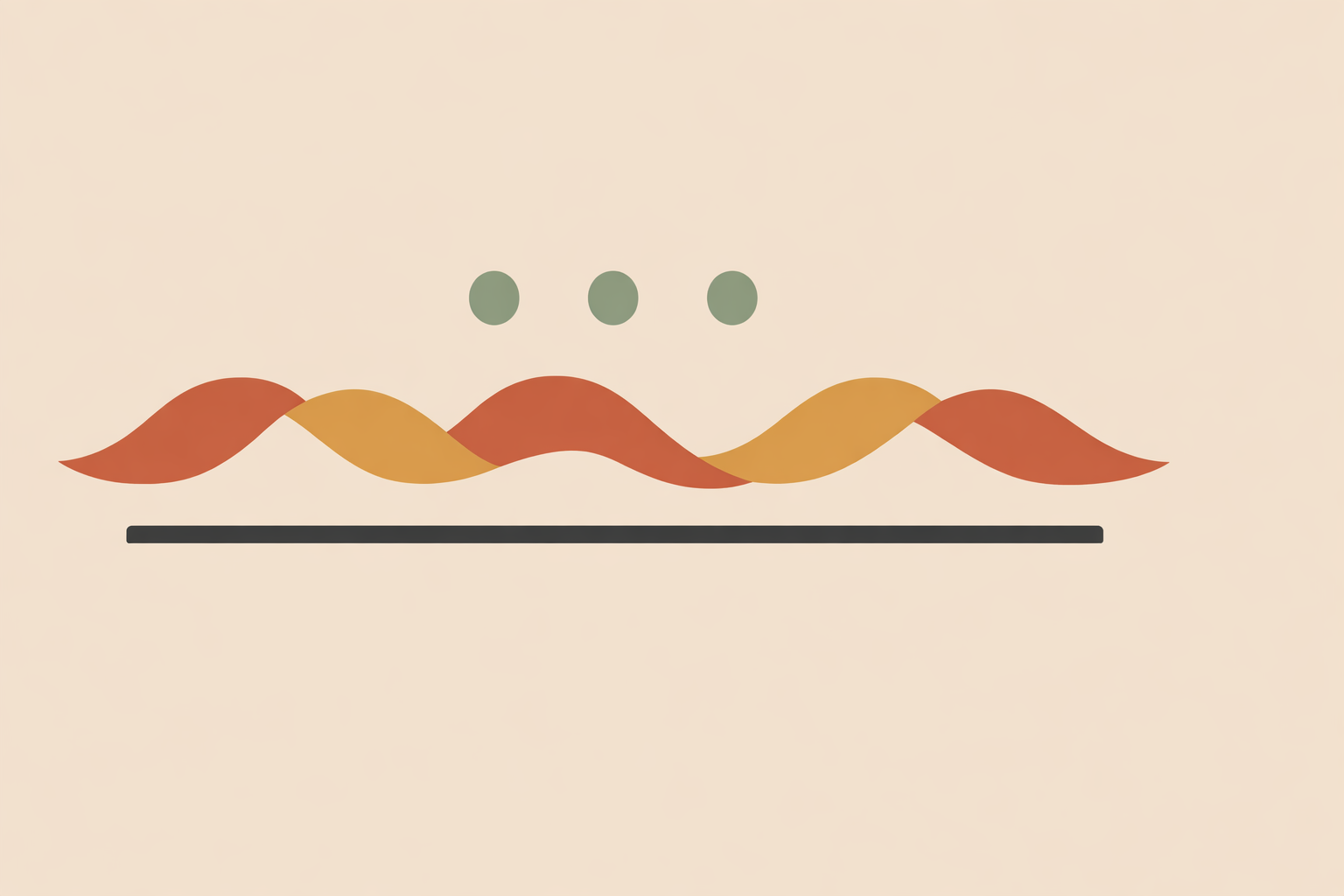
Across days, weeks, and months, the common course is waxing and waning, not a straight line. When you start there, a spike stops being framed as failure. It becomes part of the rhythm you’re planning for together.
Many clients have spent years being watched, corrected, or misunderstood. If a coach responds to fluctuation by adding pressure, clients often become more self-conscious and guarded. If the coach responds with steadiness, the space feels safer and more workable.
Simple, matter-of-fact language helps:
- “Today looks like a higher-tic day.”
- “This seems like part of your usual rhythm.”
- “We do not need to panic just because the pattern is louder today.”
- “On quieter days we use planning energy; on harder days we use protection energy.”
This kind of naming is practical. It removes blame, lowers the urge to “perform improvement,” and helps the client feel accompanied.
2. Map tic patterns so support becomes more precise
Once variability is normalized, make it visible. A shared tic map moves you from vague frustration to patterns you can actually use.
Mapping often reveals actionable patterns—times, places, sensory conditions, activities, or moods that line up with higher or lower tic intensity. Even a brief weekly log can give you both a clearer shared language.
Keep the system simple. Three columns are enough:
- When or where
- What I noticed
- Energy or urge
An entry might look like: “Lunch hall — short vocal bursts, shoulder tension — energy low, urge 6/10.” One line can point toward sensory load, timing, and an adjustment worth trying.
Over time, clients often see their instincts confirmed and organized. For example, stress and fatigue commonly intensify tics. Many people also find that heavy sensory or social load makes days harder. On the other side of the ledger, focused activities can sometimes quiet tics for a period.
That’s also why mapping builds trust: it communicates, “Your experience makes sense, and we’re learning your pattern together.”
You can add brief urge check-ins without turning life into constant self-monitoring:
- Before entering a noisy room, ask for an urge number.
- Before a meeting or class, notice shoulders, jaw, breath, or internal pressure.
- If the number is high, switch to a softer entry plan.
Keep it light. The goal is timely awareness that supports better choices, not hypervigilance.
3. Build separate plans for quieter days and harder days
Many support plans stumble because they assume a stable baseline. Tourette rarely works that way. Symptoms can change in intensity, type, and location, so coaching holds better when there’s more than one “right way” to do the week.
A paired structure is usually enough:
- Quieter-day plan: for lower urge, more available focus, and fuller participation.
- Hard-day plan: for higher urge, more fatigue, more sensory load, or heavier social demand.
For example:
- Quieter day: Sit mid-room, complete two tasks before a break, do a 20-minute study block, send an end-of-day check-in.
- Hard day: Arrive early, choose side seating, do one task at a time, take shorter work sprints, use a voice memo instead of typing.
This respects reality and reduces shame. The client hasn’t “fallen off” a routine; they’ve switched to the plan that fits the day they’re actually having.
From there, add a few flexible when-then options:
- When hallway noise spikes, then step aside for 90 seconds.
- When neck tension rises, then switch from typing to voice notes.
- When two demanding blocks happen back to back, then take a short reset before the third.
These micro-options protect functioning without turning the day into a fight. They offer choices and dignity.
4. Make sessions tic-neutral and support everyday advocacy
Trust grows quickly when clients don’t feel watched in the coaching space. One of the simplest ways to create that safety is to state clearly that tics are welcome and won’t be policed.
You can make this explicit early:
- “If a tic happens, I will not make it a problem.”
- “Would you prefer that I pause, keep going, or check in briefly?”
- “You do not need to apologize for sounds or movements here.”
That agreement often shifts the whole atmosphere. Instead of managing themselves for your comfort, clients can use the session for reflection and planning.
It also helps to keep the long view: Tourette features are shaped by context and can fluctuate over time. Remembering that supports a more humane pace and fewer reactive pivots.
From there, help clients prepare simple advocacy language for school, work, or community settings, including in neurodiversity and learning differences contexts. Keep scripts short and usable:
- “I have a tic condition. You do not need to worry about the sounds or movements.”
- “Side seating helps me stay focused.”
- “If I step out briefly, I am self-managing and will return.”
- “Short movement pauses help me function better on busy days.”
These scripts matter because trust isn’t built only in sessions. It strengthens when clients feel supported in the places that drain them most.
Format flexibility can help too. On heavier weeks, some clients do better with shorter check-ins and simpler planning, a useful principle in coaching flow. On quieter weeks, they may want a deeper session.
5. Be clear about scope, uncertainty, and the long view
Clients feel safest with practitioners who are straightforward about what coaching can and cannot offer. Clear scope doesn’t reduce your value; it strengthens trust.
You can say this plainly: “I support daily functioning, self-awareness, routines, and advocacy. If something calls for another kind of support, I will name that clearly.”
This is especially important when patterns shift suddenly, risks increase, or school, work, or co-occurring challenges become too big to hold inside a coaching container. Naming referral boundaries early supports ethical practice and prevents confusion later.
It also helps to prepare clients for the long rhythm of change. Even when strategies are helpful, fluctuations can continue, and that expectation supports better long-term coping. It protects against the idea that success means making tics disappear permanently.
The goal is a more workable life across changing days.
A simple, non-clinical formulation can keep the work grounded, especially in Tourette coaching. Revisit it every month or so:
- Higher sensory load tends to mean higher tic intensity.
- Fatigue makes school afternoons harder.
- Interest and focused tasks often bring more ease.
- Crowded environments call for more flexible planning.
When clients can see their own pattern described clearly, the experience feels less random and more navigable.
Conclusion
Trust grows when Tourette-informed coaching respects rhythm instead of demanding consistency that the body cannot always give. Naming variability reduces shame. Mapping patterns creates shared understanding. Paired plans make support usable on both quieter and harder days. Tic-neutral agreements reduce scrutiny. Clear scope and honest expectation-setting keep the work steady and ethical.
If you apply only one shift this week, make it this: stop building around the best day alone. Build for the full range of days your client actually lives.
That is often the moment coaching starts to feel truly supportive—less like correction, more like partnership.
Train in Tourette Coaching
Deepen your variability-informed support with the Tourette Syndrome Coach Certification.
Explore Tourette Certification →