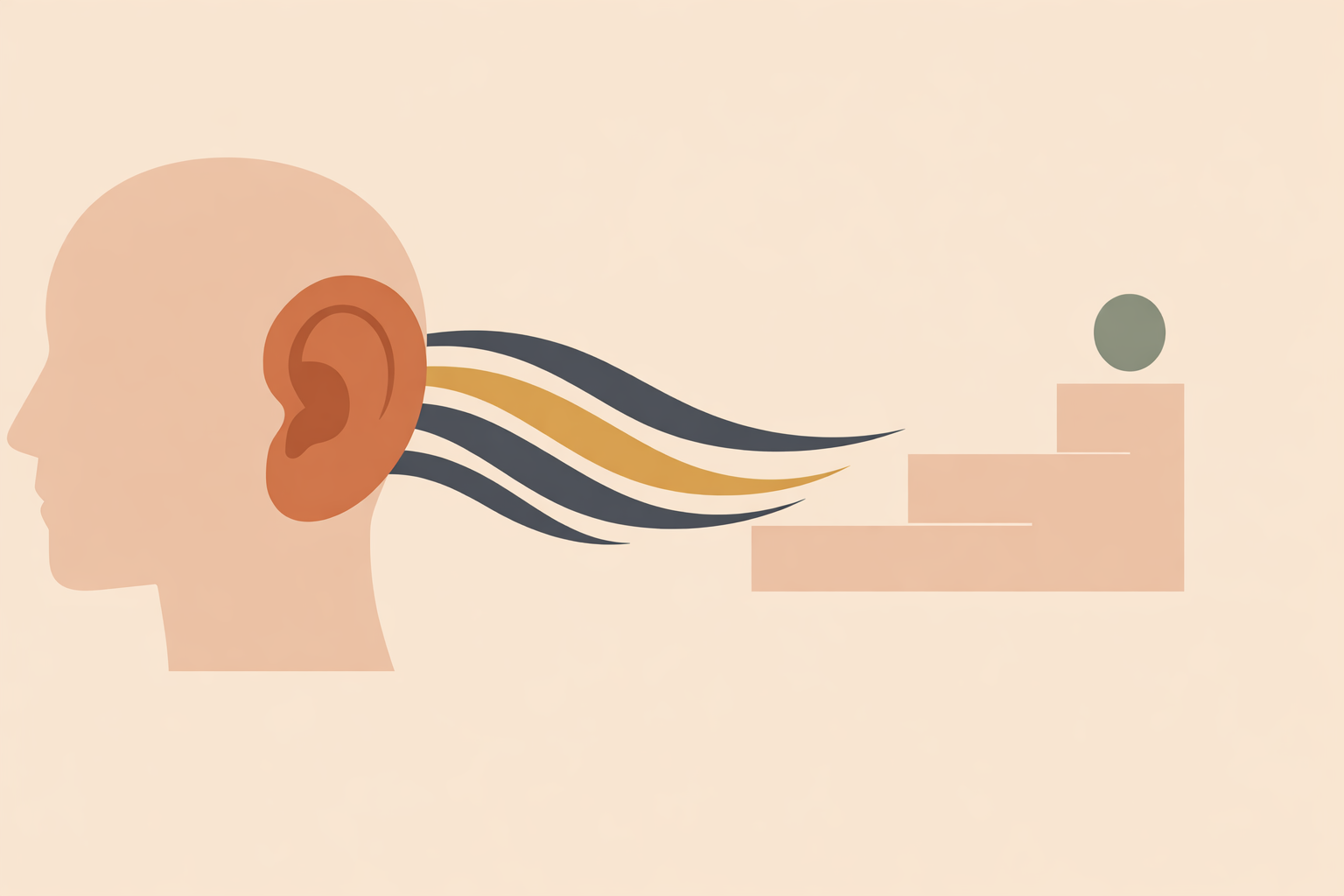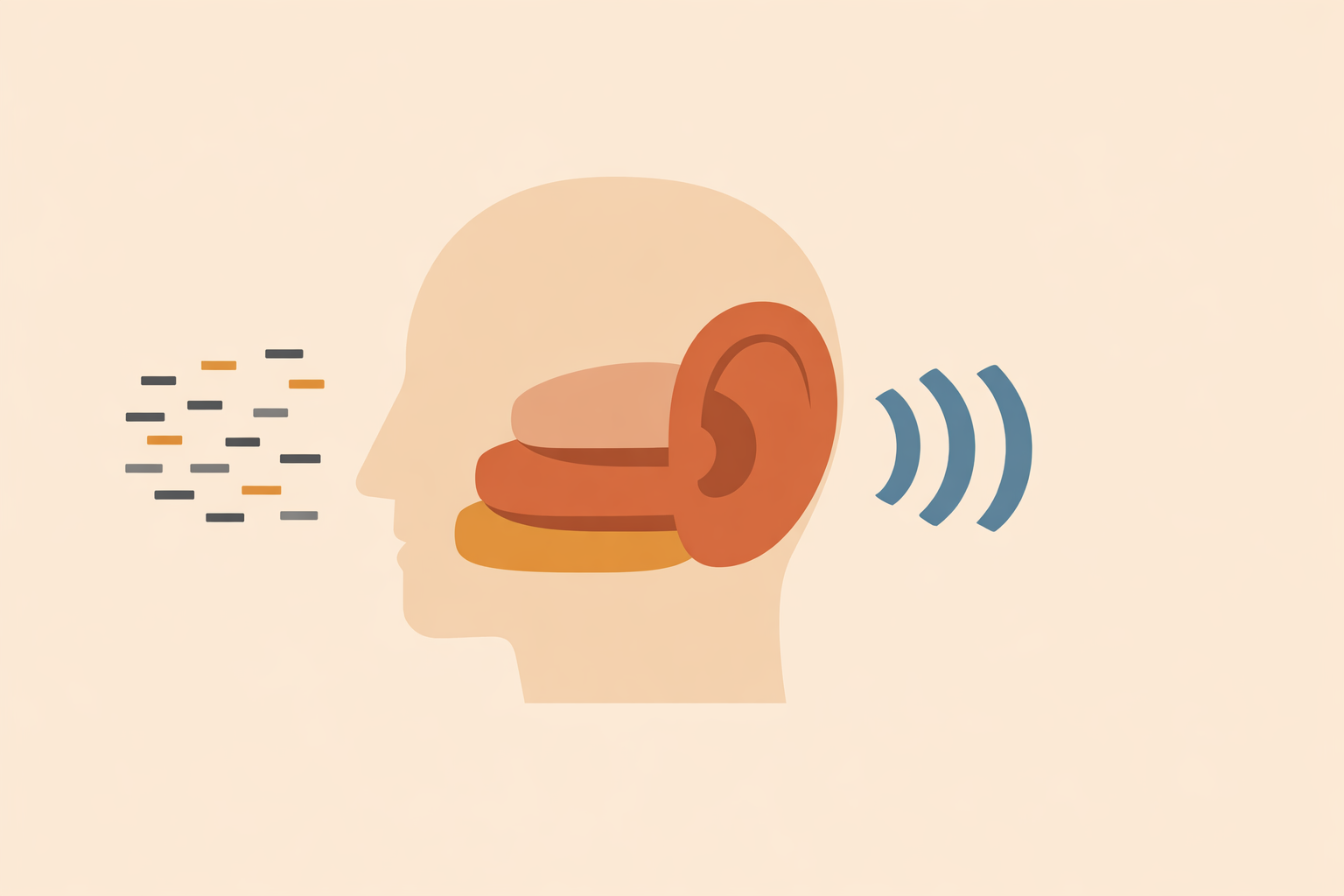
APD coaching tends to work best when the focus shifts from adding more tips to reducing day-to-day strain. Speaking louder, repeating yourself, or introducing tools too early can miss what actually drives the challenge: the listening demands of real environments, across a real week.
A practical plan is layered. First, notice where effort spikes. Then make the soundscape easier, add visual and written channels, protect energy with pacing, and help the people around the listener communicate more clearly. When those pieces are in place, self-advocacy becomes simpler because requests are based on patterns you can point to.
Key Takeaway: Effective APD support reduces listening load by aligning ear, brain, and environment. Start by mapping listening demands across daily life, then improve signal clarity, add captions and written supports, protect energy with pacing, coach communication partners, build self-advocacy, and track progress over time. Together, these steps create practical, ethical, repeatable coaching.
Strategy 1: Map Listening Load Before You Change Anything
Before changing the environment or adding new tools, map what is already happening. This keeps your plan anchored in real-life patterns instead of a generic checklist.
A one-week listening map is usually enough. Ask the person to note:
- time and place
- who was speaking
- how many people were involved
- background sounds
- body cues
- effort and fatigue from 0-10
Many practitioners organize this around listening load: the cumulative effort of filtering noise, tracking speech, holding details in mind, and responding under time pressure. The term is newer than the lived experience, but the pattern is familiar in practice.
Body cues add valuable context. Rising heart rate, jaw tension, tunnel vision, or the urge to leave a room can signal fight-or-flight activation. When that shift happens, complex listening usually gets harder.
A quick channel audit can reveal strengths fast: “If I can see it or read it, I’m much more comfortable.” That one line often points directly to the most supportive next steps.
A useful entry might look like this: “Thursday, 3:30 pm, open-plan office. Four people talking, HVAC hum. Topic: deadlines. Shoulders tight, mind fuzzy. Effort 8/10. Missed two points and stayed quiet.” It highlights likely pressure points right away: noise, pace, turn-taking, and no written follow-up.
The goal is pattern recognition, not perfect data. Once patterns are visible, the rest of the plan is easier to sequence.
Strategy 2: Improve Signal Clarity First
When listening feels effortful, signal clarity is usually the fastest place to create relief. With less competing sound, the brain has less to sort through, and the task takes less energy. APD guidance consistently supports environmental modification as a primary intervention.
Start with the room. Choose the quietest space for important conversations. Soften hard surfaces with rugs or curtains when possible, and close doors before sharing key information.
Then reduce competing sound before anyone starts talking. Turn off the TV, pause appliances, mute music, and avoid cross-room communication. These small changes often do more than asking someone to “focus harder.”
In groups, structure matters as much as acoustics. Traditional communication patterns like sitting in a circle, facing the speaker, and speaking one at a time often conserve energy because they reduce auditory clutter. Modern APD guidance echoes this with recommendations for clear turn-taking and smaller groups.
Orientation helps too. Facing the speaker, sitting closer, and reducing visual and sound distractions can make speech easier to follow. Educational guidance supports seating and group arrangements that reduce listening effort.
A simple routine at home might be: pause appliances, face each other, one speaker at a time, and share key points in short chunks. At work, it can mean choosing a smaller room and keeping the first minutes of a spoken update laptop-free.
Strategy 3: Add Visual and Written Supports
Once the soundscape is easier, reduce pressure further by making listening only one channel. Captions, notes, slides, checklists, and written summaries can dramatically lower demand.
For many people, real-time transcription can assist listening in meetings, classes, and trainings. Written materials, visual supports, and shared notes help in the same way, much like other APD support ideas that spread information across more than one channel.
This is often where participation shifts quickly. When spoken information also appears on screen or arrives in writing afterward, the person no longer has to rely on memory and auditory tracking alone.
Useful supports include:
- captions on video calls and recorded content
- shared agendas before meetings
- brief written recaps afterward
- step-by-step instructions instead of long verbal strings
- visual schedules, checklists, and live notes
At home, that might mean a morning routine posted on the fridge. At work, it might mean live-typed notes while key decisions are spoken. In learning settings, having slides or summaries available for review later often makes a steady difference.
These supports are not crutches. They are often the difference between strained guesswork and steady participation.
Strategy 4: Protect Energy With Pacing and Regulation
Listening effort has a cost. Without planned recovery, fatigue builds until communication starts to fray.
APD-related fatigue often shows up as fatigue during sessions, especially when the environment is noisy or the task is language-heavy. In day-to-day life, this can look like headaches, irritability, slower responses, or quiet withdrawal after prolonged effort.
As strain rises, many people need extra time to process and respond. Treat that as a cue to slow the pace and simplify the load.
Many coaches use a rhythm like 20 to 30 minutes of focused listening followed by 3 to 5 minutes of quiet, movement, or eyes-closed stillness. The exact ratio varies, but the principle is consistent in long-standing practitioner experience: effort needs recovery.
Polyvagal-informed practices can also support regulation. Longer-exhale breathing, slow neck rolls, horizon gazing, and orienting to steady, safe sounds are commonly used to support ventral engagement. As that state returns, social communication usually becomes easier again.
Timing matters too. A circadian-aware schedule often helps: place demanding calls and language-heavy tasks earlier in the day when possible, and avoid stacking dense meetings late in the afternoon. Educational guidance supports scheduling language-heavy work in the morning when alertness is often better.
Strategy 5: Coach the People Around the Listener
Clearer communication is a shared responsibility. Instead of asking the listener to keep compensating, help family members, colleagues, and teams use habits that reduce strain.
Start with attention before content. Say the person’s name, make sure you have their attention, then speak. Keep the message short and structured.
The most useful habits are simple:
- one speaker at a time
- face the person you are speaking to
- give information in short chunks
- pause between points
- allow extra processing time
- confirm key details in writing
Chunking is especially helpful. Share two steps, pause, then check understanding. Guidance for APD frequently recommends allowing extra time and simplifying verbal load in challenging listening situations.
Traditional communication etiquette supports the same idea. One voice at a time, respectful pauses, and physical orientation toward the speaker are practical ways to reduce unnecessary cognitive effort.
A family script might sound like: “Can I check in first? Shoes by the door. Lunch in your bag. Tell me back the two steps.” In a workplace: “Two points only. First, review the draft. Second, leave your comment by 2 pm. Could you reflect back the plan?”
Strategy 6: Build Everyday Self-Advocacy
Once patterns are clear and supports are working, self-advocacy becomes much more natural. The aim is to help someone ask clearly for conditions that support steadier participation.
Start with practical requests: seating near the speaker, reduced background noise, captions on, written follow-ups, and access to slides ahead of time.
In meetings and learning environments, positioning often helps right away. APD guidance commonly recommends environmental adjustments, visual support, and communication strategies rather than relying on effort alone.
Helpful requests may include:
- “I understand best when I can sit near the speaker.”
- “Please send the key points in writing after the meeting.”
- “Could we keep one speaker at a time?”
- “Captions really help me track the discussion.”
- “I do better when instructions are broken into steps.”
Some people also choose to use supportive tools openly, such as live-captioning apps, personal note systems, or headphones during non-conversational tasks. Match the tool to the setting, and keep the focus on reduced strain.
For coaches, the role stays practical and ethical: help the person notice what works, practice low-friction language, and support informed conversations with families, schools, or workplaces.
Strategy 7: Track Progress and Know When More Support Is Needed
Progress is easier to build when you can see it. A simple weekly dashboard is enough for many people: listening effort, fatigue, participation, ease of asking for support, plus a short note about what helped or hindered.
You might track:
- fatigue after meetings or family conversations
- success following spoken instructions
- confidence requesting captions or written follow-ups
- participation in group discussions
- which environments feel workable and which still do not
Alongside the numbers, collect brief reflections. “Two meetings with captions felt steady.” “Dinner with the TV on was exhausting.” These details tell you what to refine next.
Over time, aligning ear, brain, and environment can support communication outcomes and make participation feel more sustainable.
It also helps to know when coaching adjustments are not enough on their own. If listening challenges still strongly affect daily life despite environmental changes, pacing, and communication supports, it may be time to bring in additional input. APD guidance recognizes the value of multidisciplinary input when support needs are more complex.
Useful reasons to suggest further support include:
- high listening strain even in quiet one-to-one settings
- frequent mishearing in safety-sensitive situations
- persistent shutdown or distress after ordinary conversations
- declining participation at school or work despite accommodations
Keep that handoff clear and respectful. The aim is coordinated support, not overreach.
Conclusion
Effective APD coaching is rarely about trying harder; it is about creating conditions where listening asks less of the person. Map listening load, improve signal clarity, add visual and written channels, protect energy, coach communication partners, and build everyday self-advocacy. Together, those moves make daily communication feel far more workable.
There is wisdom in both older communication patterns and newer accessibility tools. One speaker at a time, steady pacing, captions, written summaries, and quieter rooms all point in the same direction: less strain, more clarity, and fuller participation in daily life.
Master APD Coaching Skills
Go deeper with the Auditory Processing Disorder Coach Certification to apply listening-load strategies in real coaching plans.
Explore the APD Certification →