Many teams respond to ADHD-related friction the same way: ask the employee to try harder, add more reminders, and tighten check-ins. Then the pattern repeats—strong starts followed by stalled execution as priorities shift, messages multiply, and deadlines move.
The issue is rarely effort alone. Work often asks for constant starting, sequencing, shifting, monitoring, and finishing without enough structure to support those demands.
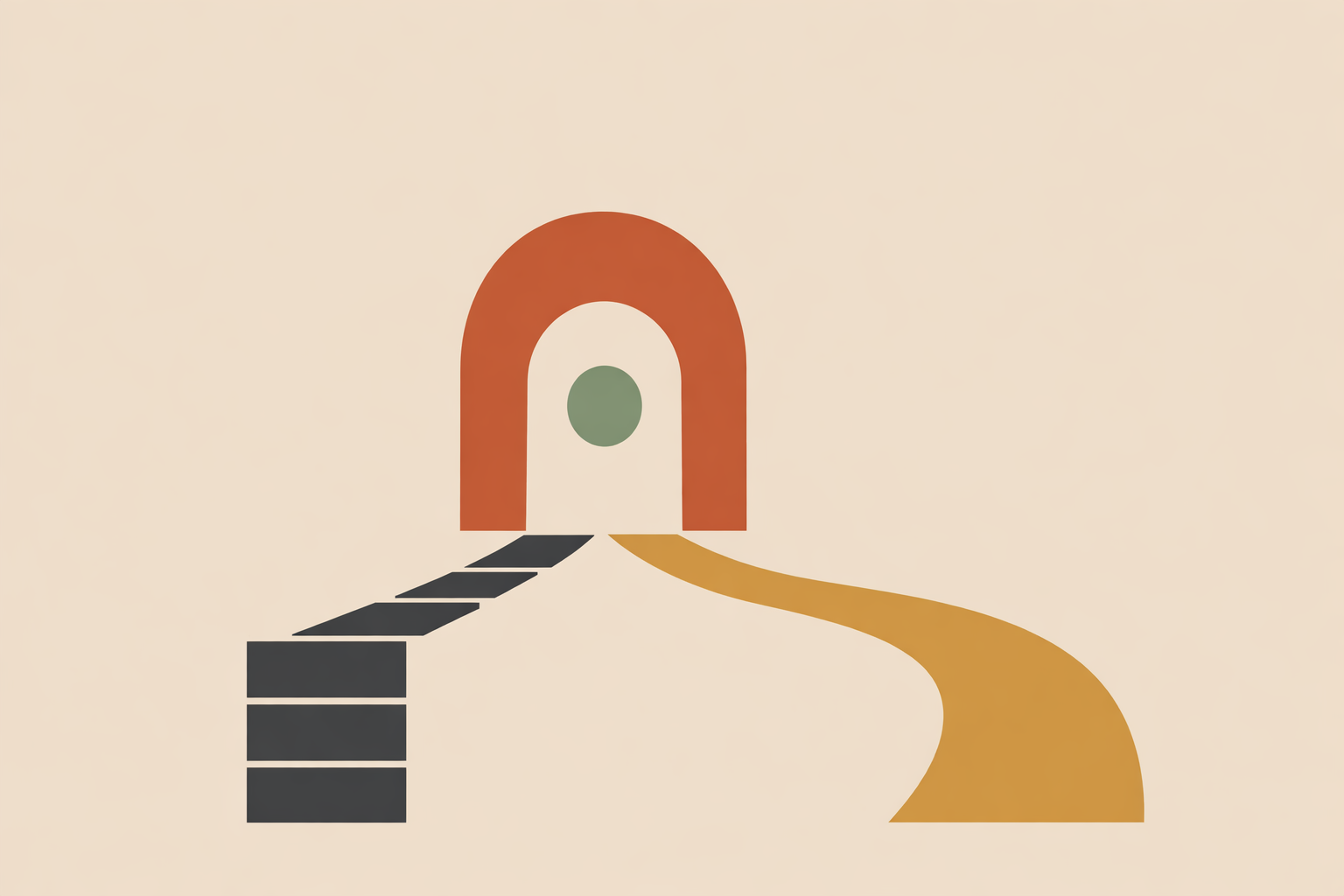
A more effective shift is to build a bridge from intention to execution. ADHD coaching helps translate goals into visible actions, support executive-function demands, and strengthen self-advocacy at work. When workplace design also reduces noise, ambiguity, and interruption, coaching holds up far better in real working life.
Key Takeaway: ADHD coaching is most effective at work when it turns intention into repeatable action and is paired with thoughtful workplace adjustments. Clear priorities, written structures, bounded meetings, focus-friendly communication norms, and realistic role design all make coaching more durable and more useful in day-to-day working life.
Why work can feel uphill for adults with ADHD
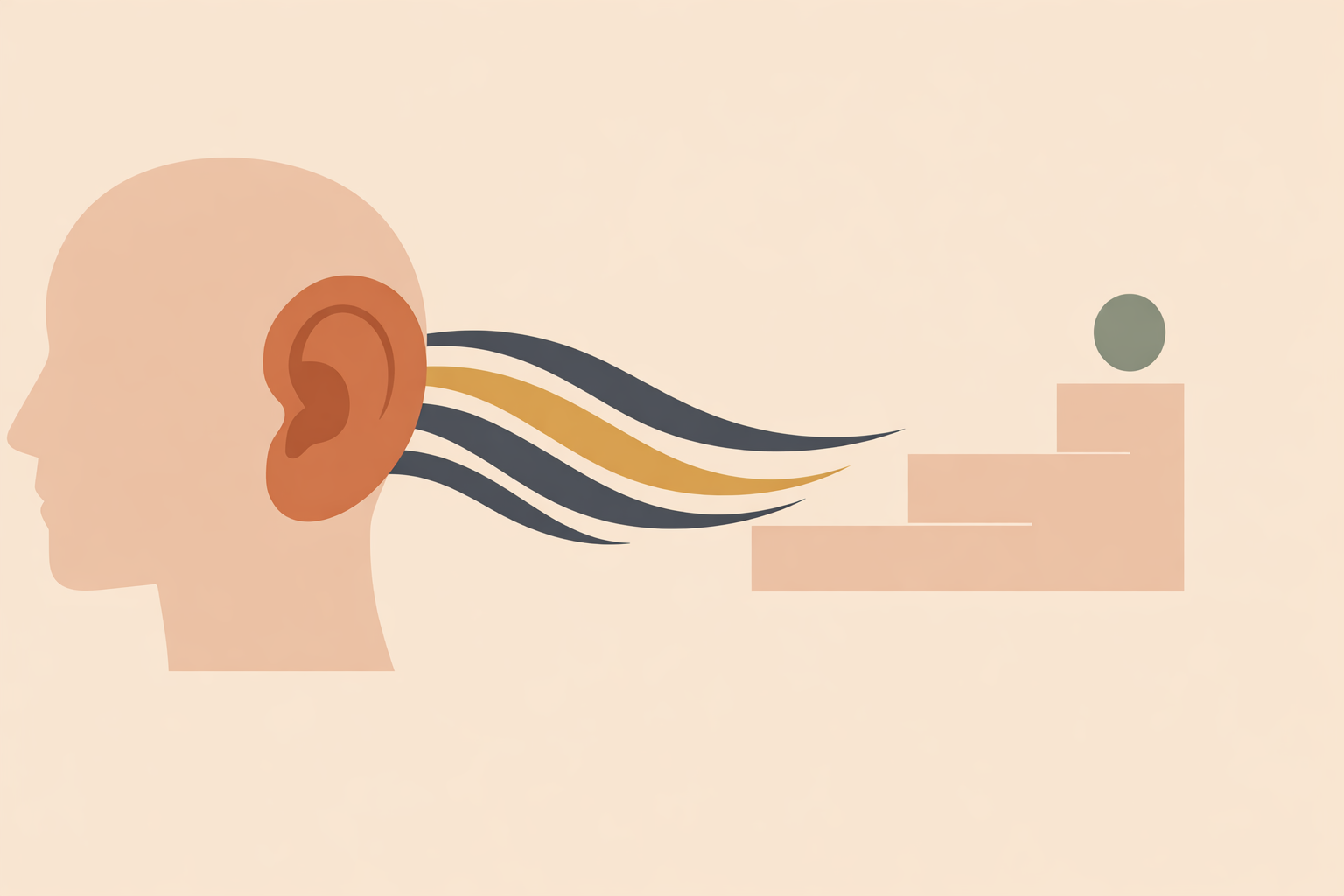
For many adults with ADHD, work feels difficult for reasons that have nothing to do with capability. The strain shows up when the environment demands a lot of invisible coordination: holding shifting priorities in mind, decoding vague requests, and constantly re-orienting after interruptions.
This is where person-environment fit matters. Research suggests that work often fails to align with how attention, organization, memory, and motivation operate for many adults with ADHD. When priorities keep changing and instructions stay fuzzy, starting takes extra effort because the brain is doing more “background organizing” before any task even begins.
Many adults also report difficulty with remembering instructions, prioritizing, initiating, and handling competing stimuli. A “quick update” during deep work can easily turn into 20 minutes of trying to find the thread again.
Meetings can add another layer. Reported challenges include concentration problems, losing the thread, derailment, and stress when conversations run long or end without clear next steps. Back-to-back meetings, unclear sprint goals, and constant low-priority messaging can quietly drain momentum across the day.
Traditional ways of organizing work offer a useful contrast. In many ancestral and community-based settings, roles were shared, rhythms were visible, and effort moved in clearer cycles. That perspective matters because it points attention back to the design of work itself, not just the individual trying to cope within it.
Where ADHD coaching fits in workplace support
ADHD coaching fits best where many workplaces struggle most: turning good intentions into repeatable action. Coaching narrows “be more organized” into specific behaviors a person can practice, track, and refine.
Workplace evidence suggests that coaching and structured support can be part of helpful workplace adaptations. In day-to-day coaching, that often looks like clarifying priorities, choosing clear start points, building cues, breaking tasks into visible steps, and rehearsing self-advocacy for conversations with managers or teams.
Coaching can also build steadiness when uncertainty or frustration triggers an impulsive pivot. With practice, many people learn to pause, reset, and return to the next agreed step instead of abandoning the plan entirely.
Coaching works best alongside a workable environment. Research reinforces that workplace adjustments matter alongside individual strategies. New habits can’t compensate for unclear briefs, unrealistic timelines, or a team culture built on constant urgency.
Separate personal goals from workplace barriers
A core coaching skill is separating three things: the person’s goal, the workplace barrier, and the adjustment that reduces that barrier. That separation keeps coaching fair and practical, rather than drifting into “cope better with conditions you don’t control.”
Useful questions include:
- What is the person trying to do consistently?
- What gets in the way in the actual work environment?
- What adjustment would make follow-through more realistic?
For example, someone may want to end each day with a clear list for tomorrow. The barrier might be ad hoc requests arriving across multiple channels with no shared priority order. A strong adjustment could be written daily priorities from a manager plus a protected end-of-day planning window.
This framing keeps responsibility in the right place. Some challenges belong to personal habits, and others belong to workflow, communication norms, or role design. Coaching gains power when it names that clearly.
Turning executive-function ideas into daily actions
Effective coaching makes behavior concrete. “Stay on top of reporting” won’t guide anyone through a busy Friday. “Send the weekly report by 3 p.m., using a checklist and a 2:40 wrap-up timer” is specific enough to repeat and improve.
Clarity reduces reliance on memory and guesswork. Instead of holding an entire project in mind, the person works from visible next steps: open the template, pull the figures, note blockers, send for review.
Written structures support this approach. Research suggests written instructions, structured lists, explicit deadlines, and regular check-ins can reduce reliance on memory and make progress easier to track.
Cues matter as well. Many coaches use cue-action pairings such as: “When the meeting ends, I write the next action before opening messages.” Repetition turns that into a reliable reset point during busy days.
Time tools work best when they match the person’s real week. Calendar blocks, transition reminders, deadline buffers, and start-time commitments are most helpful when they’re realistic and reviewed often enough to stay true.
Make the environment an ally
Even strong personal systems wobble in chaotic conditions. That’s why workplace support shouldn’t stop at habits; it should also look at schedule, communication norms, meetings, and workspace setup.
Workplace reviews suggest quiet workspaces, structured agendas, broken-down goals, and flexible arrangements can improve day-to-day functioning for workers with ADHD. These supports often make the difference between a plan that looks good on paper and a plan that survives a real week.
Protected focus periods are a practical example. Teams can agree on heads-down blocks, filtered notifications, and response windows that reduce constant task-switching. Adults with ADHD have reported strategies such as stimulus control and intentional gaps in agendas as useful ways to work with attention more skillfully.
Meetings become easier to manage when they are bounded and purposeful. Research and lived experience point toward structured agendas, advance questions, shorter sessions, and explicit action points. A brief written recap of who is doing what by when can prevent a lot of drift.
Finally, the basics matter because they shape capacity. Breaks, movement, food, water, and sleep support consistent follow-through. Adults with ADHD have reported frequent breaks as a helpful strategy, and it’s a pattern many practitioners see again and again in coaching work.
Coaching self-advocacy at work
Self-advocacy tends to work best when it stays concrete. Many people get better results describing the work pattern, the barrier, and the specific adjustment they’re requesting.
For example: “When priorities are given verbally, I can mis-sequence the work. If the top three tasks are written by 10 a.m., I can confirm the order and give you a progress update by 3 p.m.” It keeps the conversation focused on outcomes and makes it easier for a manager to respond constructively.
Some people choose to name ADHD directly; others prefer to describe support needs without using a label. That decision is personal and shaped by workplace culture and trust. Coaches can help clients weigh benefits, risks, and timing without steering them toward one choice.
Requests also land better when they’re paired with strengths. “I work quickly once the priority is clear” or “Written direction helps me channel rapid idea generation” keeps the tone collaborative and forward-looking.
Ethics, culture, and traditional wisdom in ADHD workplace coaching
Ethical clarity matters, especially when an employer is funding coaching. If a coach is perceived as a support person, performance monitor, and employer representative all at once, trust can thin out and progress can stall.
Clear agreements protect everyone involved. Define what coaching includes, what sits outside scope, how confidentiality works, and what—if anything—will be shared with the employer.
Cultural context matters just as much. Norms around authority, directness, time, and family responsibility shape what feels workable. Strong practice listens for that context and adapts, rather than assuming one communication style fits everyone.
Traditional wisdom offers grounded guidance here. Many lineages emphasize cycles of effort and rest, shared responsibility, and respect for individual gifts within community. Those principles align naturally with sustainable planning and humane expectations at work.
Coaching should remain honest, non-coercive, and free of exaggerated promises. It offers structured support for growth and practical change, and it works best when workplace conditions are prepared to meet it halfway.
Building sustainable workplace support for ADHD
Stepping back, the overall picture is clear: many adults with ADHD are working hard in systems that don’t reliably support how their attention and motivation operate. Coaching turns values into visible action. Workplace adjustments make those actions easier to repeat.
The strongest plans usually follow a loop:
- Identify the real barrier
- Define a clear work outcome
- Choose one or two supportive adjustments
- Build a routine around visible cues
- Practice self-advocacy where needed
- Review what is working and revise
This approach is practical and humane. It respects the person and the workplace, and it prioritizes fit. Over time, that’s what makes progress steadier: better scaffolding, clearer agreements, and a way of working that honors real human rhythm. As with any neurodiversity coaching work, it’s wise to stay within scope, tailor plans to the individual and culture, and revisit what’s realistic as roles and workloads change.
Train in ADHD Coach certification
Apply these workplace strategies with deeper structure in the ADHD Coach certification course.
Explore ADHD Coach certification →