Many animal-communication workshops lean on atmosphere: soften the room, invite impressions, then share what came through. That can be genuinely moving. Yet without structure, it can drift into projection, unclear ethics, and insights that are hard to repeat in a grounded way.
A steadier workshop starts with relationship. Treat the animal as a sentient partner, let behavior and context lead, and work through the species’ sensory world. Once that foundation is in place, intuitive impressions tend to land with more calm, clarity, and integrity for everyone involved.
Key Takeaway: Ethical, effective animal-communication workshops begin with animal consciousness, consent, and disciplined observation. Build from a listening-based stance into Umwelt-centered sensory exercises, grounded checklists, simple discernment tools, and clear group boundaries. The result is a workshop culture that reduces projection, supports well-being, and helps participants develop repeatable skills rather than collecting dramatic stories.
Ground Your Workshop in Animal Consciousness and Listening
Begin by naming the stance clearly: animals are sentient partners, and the workshop is organized around listening rather than proving. When people take an animal’s inner life seriously, they naturally slow down, observe more carefully, and speak with more humility.
Keep the opening practical. A simple orientation works well: “Today we work as if animals are aware, capable of preference, and worthy of consent. We observe first, interpret second, and share impressions as possibilities.”
Make the ethic visible with a few agreements:
- Observation before intuition.
- Consent and reciprocity.
- Humility in interpretation.
Model the tone in your own language. “I notice the dog turned her head away, lowered her body, and paused at the doorway. My impression is that she wants more space. Does that fit what you know?” Observation stays first; meaning stays tentative.
Many traditional lineages have long related to animals as conscious beings, companions, and teachers. You can honor those roots without borrowing what is not yours. A brief spoken thank-you after an exercise often keeps reciprocity at the center.
Use Umwelt to Build Better Animal Communication Exercises
Stronger intuitive work rests on trained perception. One of the most useful doorways is Umwelt: the animal’s sensory world. Each species lives inside a different perceptual emphasis, and good workshop design respects that.
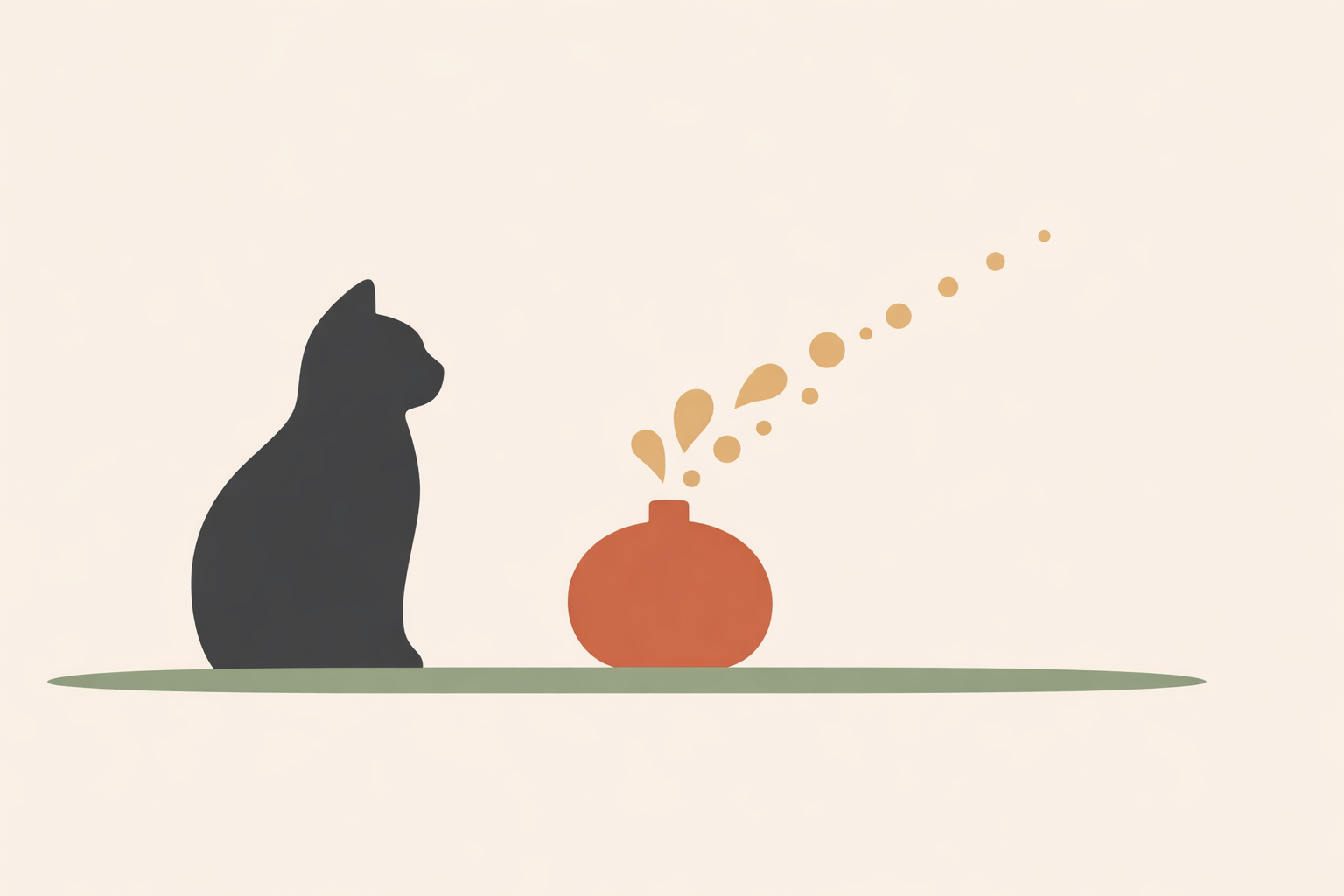
Anchoring this in sensory ecology helps participants grasp it quickly. Dogs often orient through scent in ways humans barely register. Horses often respond fast to motion, pressure, and spatial change. Birds may organize attention differently again. Once people feel this in their own bodies, they stop forcing every animal through a human lens.
Start with simple, embodied drills:
- Scent-first walk: move slowly and note what can be detected through smell before naming what is seen.
- Motion-first practice: soften the gaze and track subtle shifts in movement without immediate interpretation.
- Sound-layer exercise: listen for rhythm, pitch, repetition, and pauses before deciding what they mean.
These basics reliably change attention. In practice settings, species-led sensory work often produces quieter, clearer impressions that fit the animal actually present.
Before any intuitive sharing, run a short observation round with a species signal sheet. Invite notes on ear position, tail carriage, pupil changes, approach-and-withdraw patterns, and shifts in weight or breath. “Cat startled at the sound, tail flicked, then returned to the windowsill” is already valuable. It gives intuition something real to stand on.
Used this way, Umwelt becomes a bridge between respect and skill.
Keep Intuition Grounded With Clear Observation Checklists
Once the group is paying better attention, offer a structure that keeps interpretation tethered to what is happening. A simple four-column sheet is enough:
- Behavior
- Context
- Alternative explanations
- Possible inner experience
This slows interpretation in a helpful way. Intuition stays welcome, and discernment stays in charge.
You can enrich the prompts with findings like flexibility and trade-offs. Ask: Did the animal change strategy? Did it balance curiosity with caution? Did it pause, reassess, or return differently the second time?
A workshop example can look like this:
- Behavior: Crow approached food, hopped back when a child moved, then returned when the child became still.
- Context: Open garden, low wall, mild wind, food visible.
- Alternative explanations: Startle response, learned caution, scanning for cover.
- Possible inner experience: Weighing hunger against safety; testing whether the situation feels stable.
One facilitation move reduces projection quickly: have people share only the first three columns aloud, then pause. When “possible inner experience” comes last, the group tends to stay more honest and accurate.
To deepen the skill, create a gentle problem-solving station: an object under a light cloth, a small route change, a simple choice point. The goal is not performance. It is noticing strategy shifts, hesitation, persistence, and choice.
Teach Resonance With a Calm, Research-Aware Frame
After observation is steady, move into subtler work: resonance, coherent presence, and the felt sense of an individual animal. This part works best when it stays calm and contained.
Focused attention has been linked to gamma activity. Many practitioners also recognize a more imaginal mode that feels receptive and spacious. For workshop purposes, frame these as two qualities of attention: narrow-beam focus and wide-beam receptivity.
Make it practical with a brief settling sequence:
- Lengthen the exhale.
- Relax the jaw and tongue.
- Soften the belly and shoulders.
- Rest attention in the breath for a few moments.
Then invite a quiet consent check: “May I listen?” Participants can notice whether the body registers ease, hesitation, warmth, distance, brightness, or nothing at all. Null responses belong here; they protect integrity and reduce the urge to perform.
If the group wants a glimpse of research at the edges, you can mention influences demonstrated in rats. It doesn’t confirm interspecies intuitive communication in a workshop, yet it does support the wider idea that relational influence is a real area of inquiry.
This is also a good place to introduce an animal’s “signature frequency,” or distinct felt pattern. Keep notes short and concrete: “steady, cool, low in the chest” or “bright, quick, playful at the edge of attention.” Short records stay more useful than elaborate stories.
Over time, many students find this style of listening, as in animal wellness training, coincides with more creativity and a steadier inner calm.
Shift Group Practice From Projection to Discernment
Even warm, intuitive groups benefit from visible structure around discernment. A two-box protocol is simple and effective:
- Box A: raw data
- Box B: tentative meaning
Raw data includes what was seen, heard, sensed, or physically felt. Tentative meaning is the best interpretation, clearly labeled as interpretation. This keeps the space open without turning vague.
For example, instead of “The cat is angry,” guide participants toward:
- Raw data: eliminated by the bedroom door twice after a household change; flattened ears when the new kitten approached; continued using the box at night.
- Tentative meaning: possible stress around access, space, or predictability; may be asking for more control points in the environment.
That contribution is easier to work with, respects the animal, and supports thoughtful reflection.
Teach a few quick flags for projection:
- If the language becomes intensely human-centered, return to observable strategy.
- If the impression mirrors the listener’s personal preoccupations, bracket it.
- If the environment offers a simpler explanation, check that first.
A 5–5–5 sharing drill keeps reports clean: five observations, five body sensations, five words or images, then stop. The stopping point is part of the training.
Close this section with boundaries the whole group can rely on:
- We do not override practical judgment.
- We do not make health-related claims.
- We share impressions as possibilities that should cohere with observable well-being.
Hold Grief, Transition, and Continuing Bonds With Care
End-of-life themes call for steadiness and tenderness. They also benefit from structure.
Stay consistent with your method: begin with observation. Invite participants to recall a final week or final days with an animal and write three neutral notes before adding any meaning. This often opens a gentler, more truthful conversation.
If the group is ready, acknowledge what practitioners across many communities frequently hear: reports of unusual clarity, timing, closeness, or sensed presence around an animal’s passing and afterward. Hold these accounts with reverence and humility, without forcing certainty.
A simple continuing-bonds ritual is often enough:
- Take three settling breaths.
- Ask permission to remember together.
- Write a short letter in the present tense.
- Offer thanks.
- Return attention to the breath and to the living animals present.
It helps to say the ethic aloud: “We will not promise contact. We will make space for memory, presence, and care. Any impressions shared here should support the living and respect the unknown.”
Weave the Themes Into a Cohesive Half-Day Workshop
With the elements in place, a half-day workshop can unfold in a natural arc that gives real experience without overload.
- Opening: name the listening stance, introduce the three agreements, and begin with a brief gratitude practice.
- Umwelt lab: rotate through scent, motion, or sound-based observation drills.
- Grounding sheets: use the four-column checklist with one shared scenario.
- Resonance practice: settle the body, ask permission inwardly, and record brief impressions.
- Discernment round: use the two-box protocol and 5–5–5 sharing structure.
- Grief or bonds segment: only if appropriate for the group, with clear boundaries.
- Integration: close with practical scripts participants can reuse.
The most portable script sequence is straightforward: Grounding, observing, receiving, transcribing, validating. Participants can take that into future circles and into real client-facing support work without needing drama.
A few reusable phrases help:
- “May I listen and learn from you for a few breaths?”
- “Here is what I observed, and here is the image or feeling that followed.”
- “Thank you. I return now to my own breath and attention.”
As a facilitator, keep one internal loop: if the group gets overstimulated, return to Umwelt; if stories start spinning, return to raw data; if emotions swell, return to breath and gratitude.
Bring Animal Consciousness to the Center of Your Workshops
When animal consciousness becomes the organizing principle, the workshop changes shape. Observation leads, intuition follows, and ethics hold the process together.
The work also becomes kinder. Participants learn to listen without imposing, to sense without overstating, and to honor the animal’s reality before their own story about it. Over time, that shifts the quality of the circle and the relationships it supports.
Research in this wider area is still evolving, and some questions remain open. Save the pressure to conclude for another day. Build your workshops on respect, sensory awareness, discernment, and gratitude, and intuitive work has solid ground to grow from in animal communication.
Explore Animal Communication Certification
Deepen your ethical, observation-led practice with the Animal Communication Certification.
Explore Animal Communication →